Egyptian deities
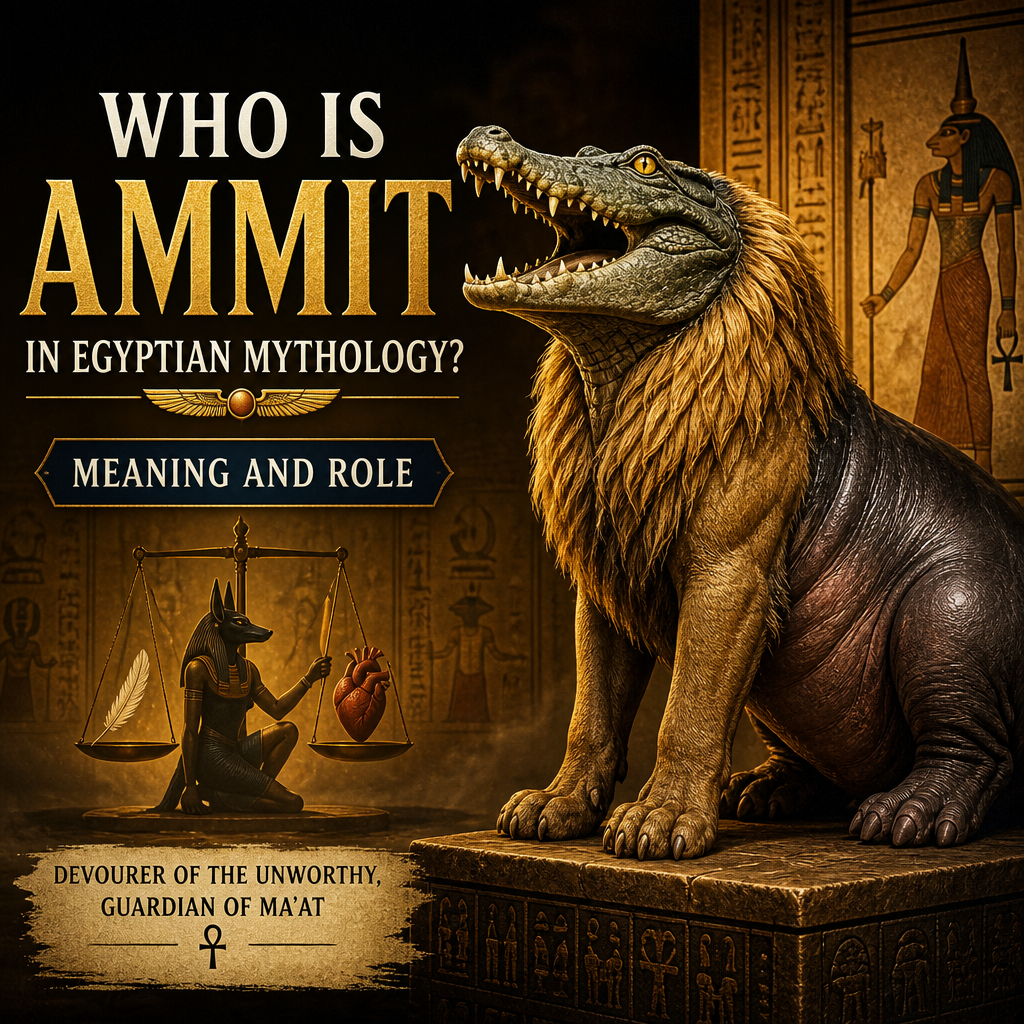
Who Is Ammit in Egyptian Mythology? Meaning and Role
Ammit in Egyptian mythology was the fearsome “Devourer of Hearts,” a creature who waited at the final judgment to consume the souls of those found unworthy. Her terrifying role reveals how deeply ancient Egyptians valued truth, balance, and moral living.
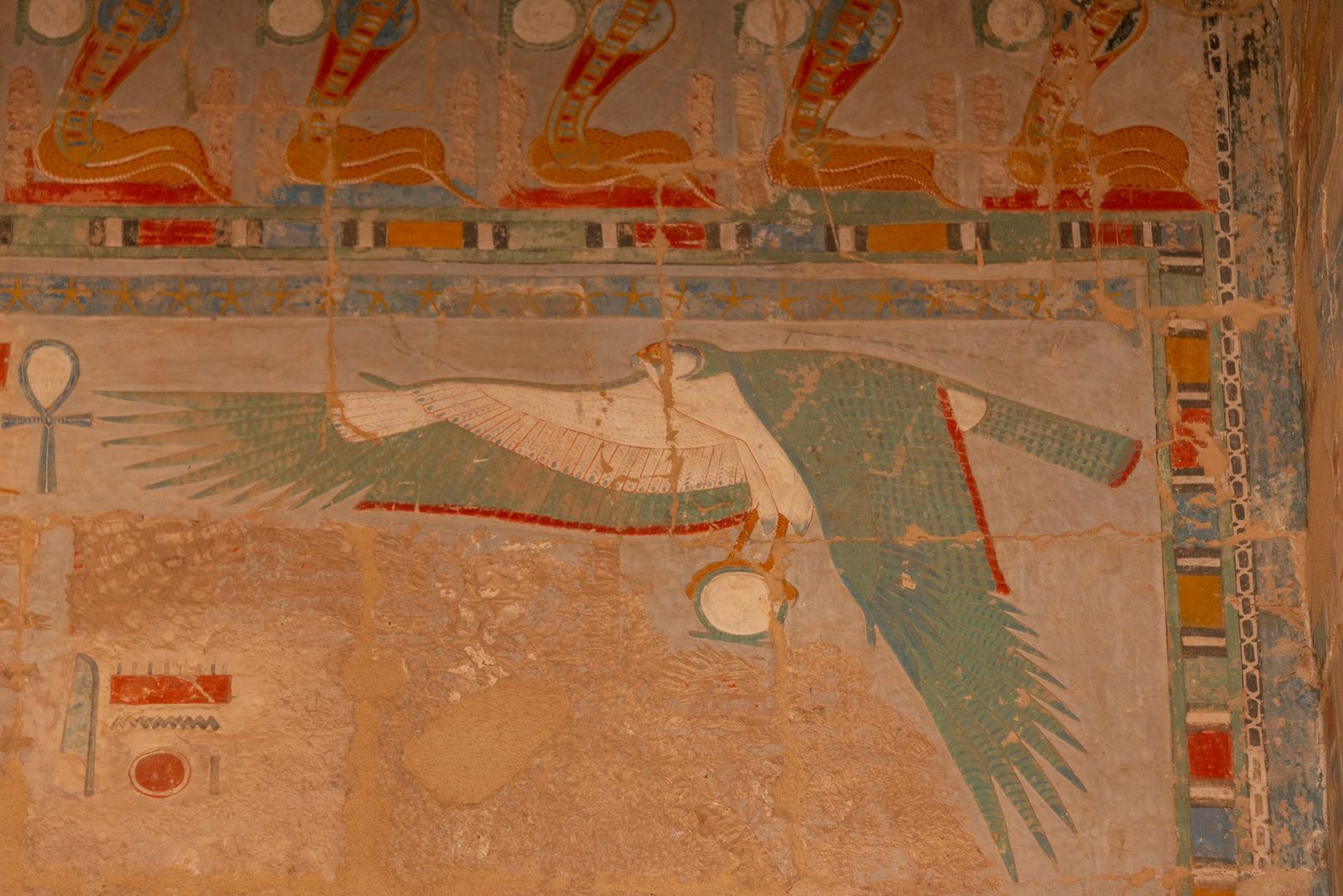
Tefnut in Egyptian Mythology: Goddess of Moisture and Rain
Who is Tefnut in Egyptian mythology? She is an ancient goddess of moisture, dew, and life-giving humidity, and a key figure in the Heliopolitan Ennead, where she helps explain creation, divine order, and the balance between air and water.
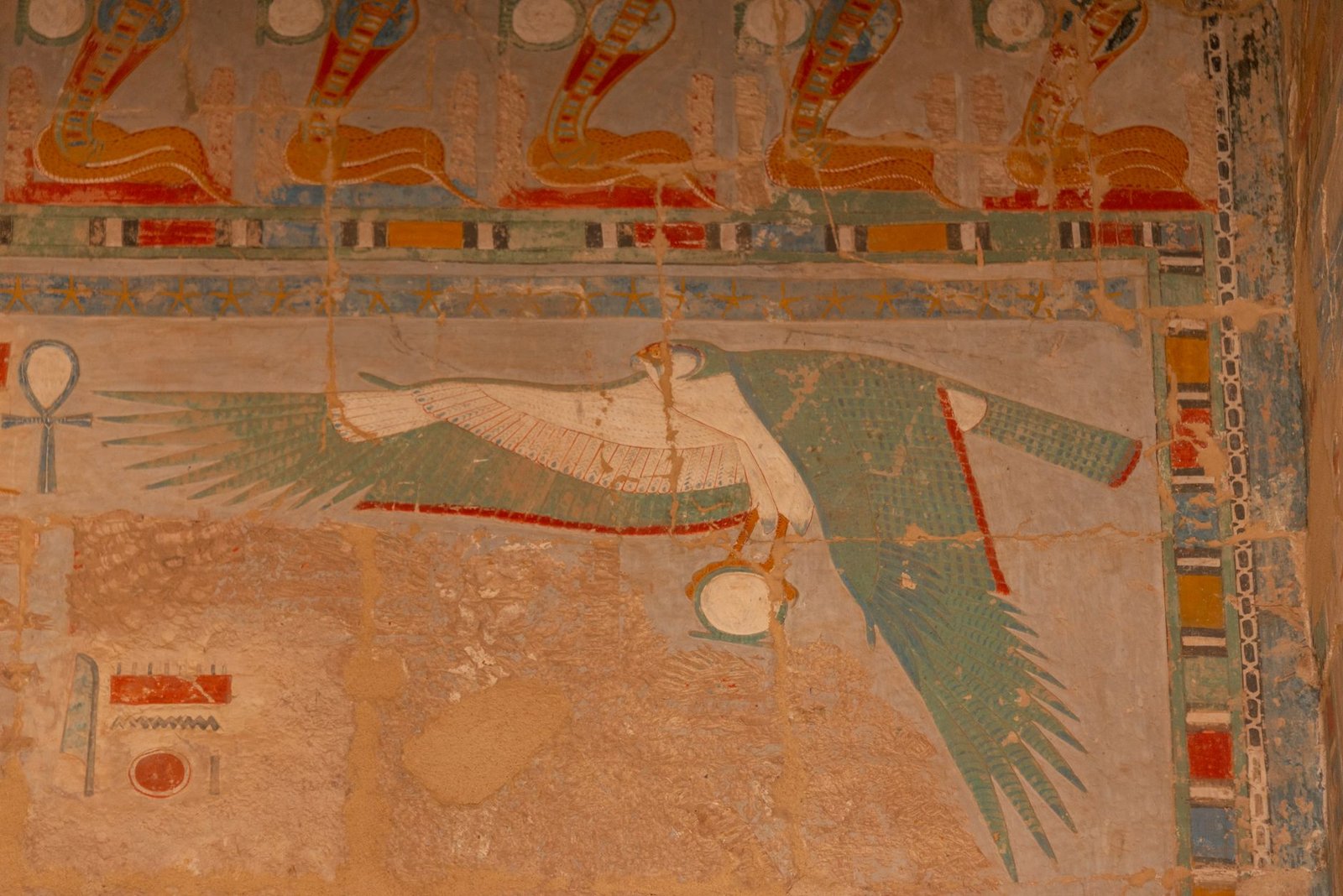
Who Is Neith in Egyptian Mythology? A Guide
Neith in Egyptian mythology is one of the oldest and most complex goddesses, blending roles as creator, warrior, weaver, and guardian across millennia of worship. This overview traces her shifting symbolism, major cult center at Sais, and the meanings ancient Egyptians and later Greek writers drew from her enduring presence.
Renenutet in Egyptian Mythology: Goddess of Harvest
Renenutet in Egyptian mythology is a goddess of nourishment, harvest, fertility, and protection, closely tied to grain, granaries, and the life-giving force of food. This article traces her name, origins, and evolving role in religion and society, revealing how a lesser-known deity came to symbolize both sustenance and safeguarding.
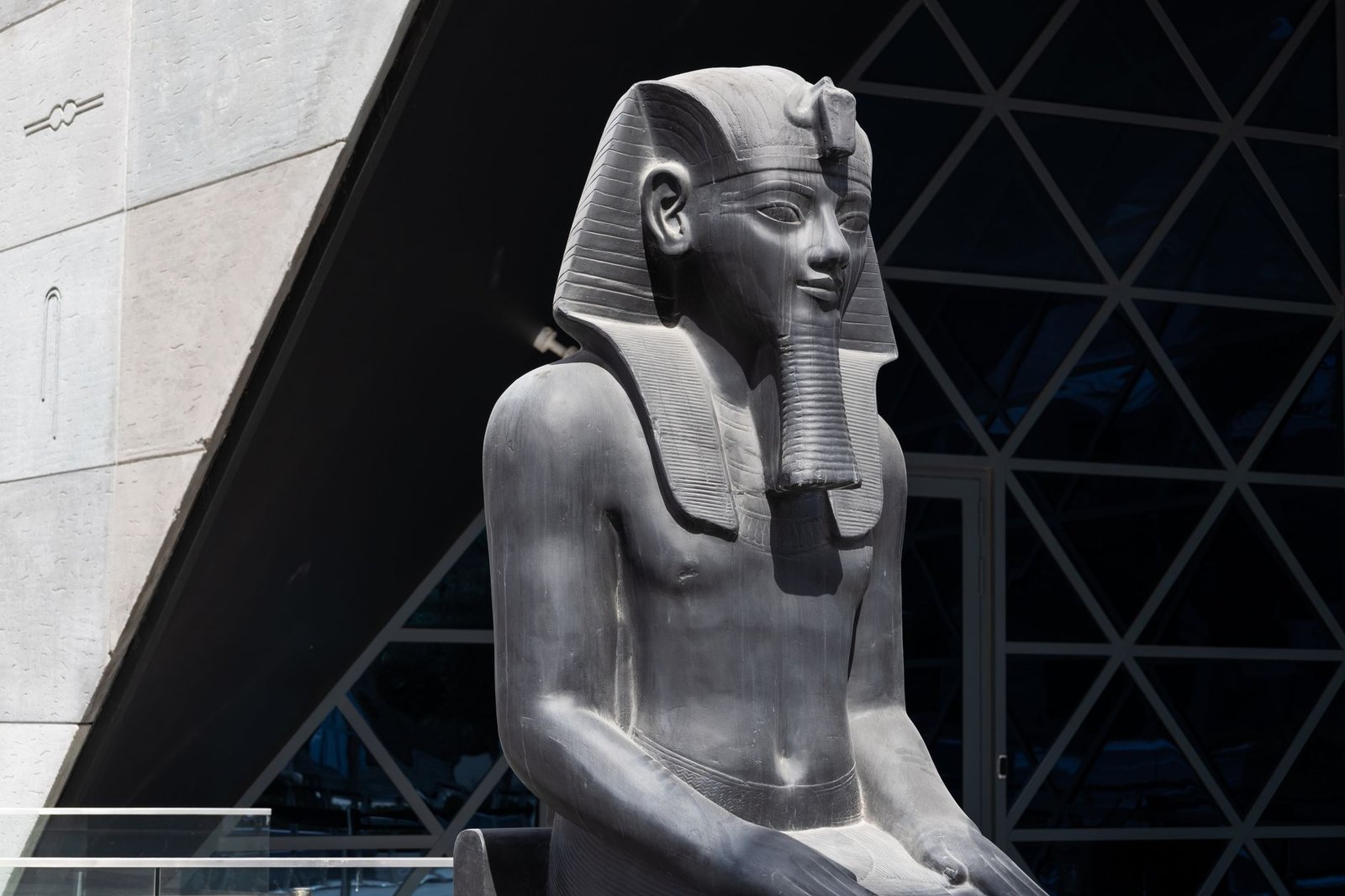
Who Is Satet in Egyptian Mythology? Role, History, and Meaning
Who is Satet in Egyptian mythology? Satet is an ancient goddess of the southern frontier, worshipped especially at Elephantine near Aswan as a guardian of the Nile, a bringer of the inundation, and a protective archer linked to purification and boundary defense. Her long history reveals how a local deity became part of the Elephantine triad with Khnum and Anuket, reflecting Egypt’s ties to Nubia and the sacred geography of Upper Egypt.
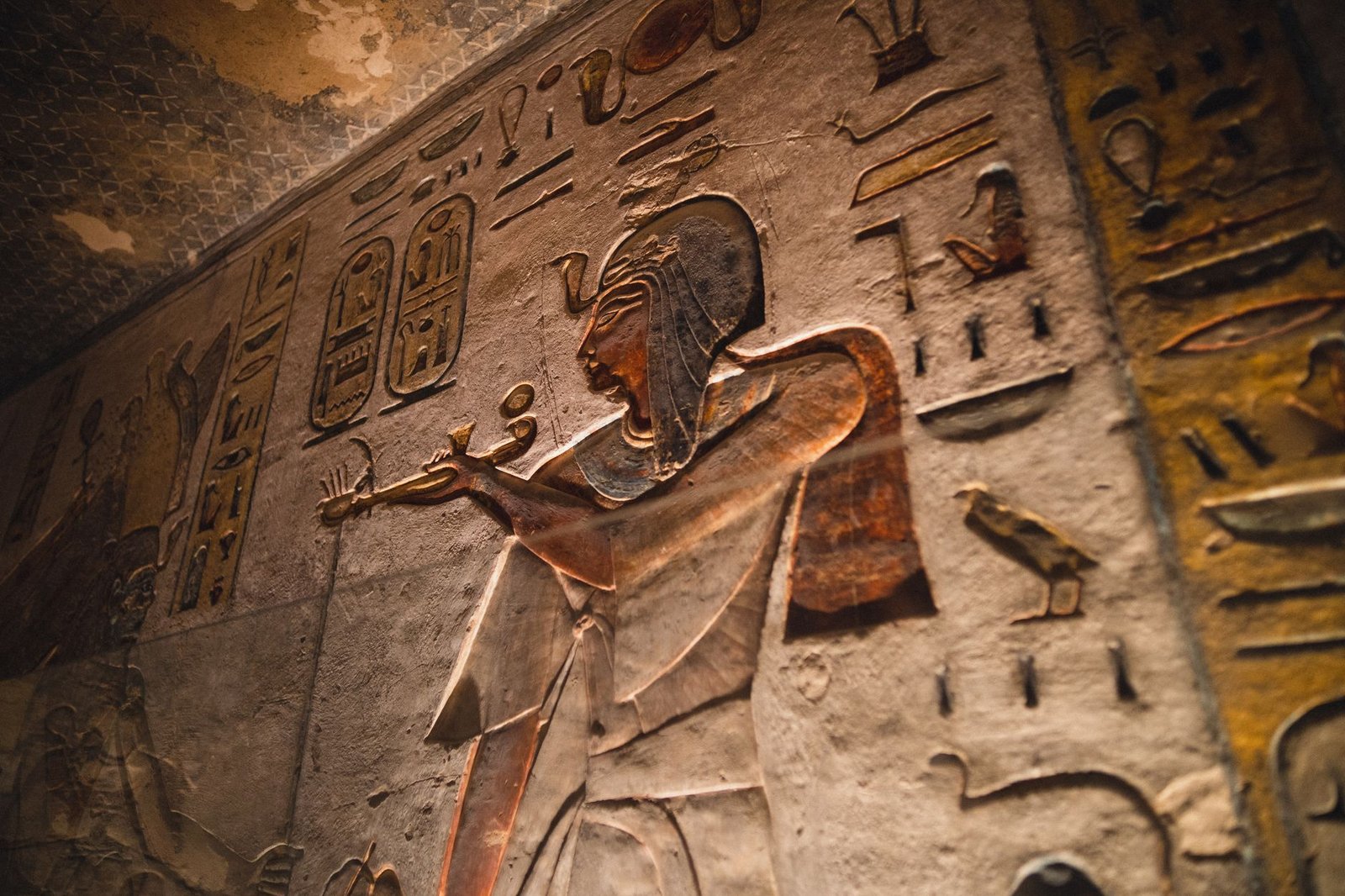
Why Do Egyptian Gods Have Animal Heads? Explained
Why do Egyptian gods have animal heads? Ancient Egyptian religion used animal-headed forms to express divine powers, natural forces, and ideal qualities through symbols drawn from everyday life and the Nile world. This article explains how these images developed, what animals like falcons and jackals represented, and why they remain central to understanding Egyptian beliefs.