What Is a Draugr in Norse Mythology?
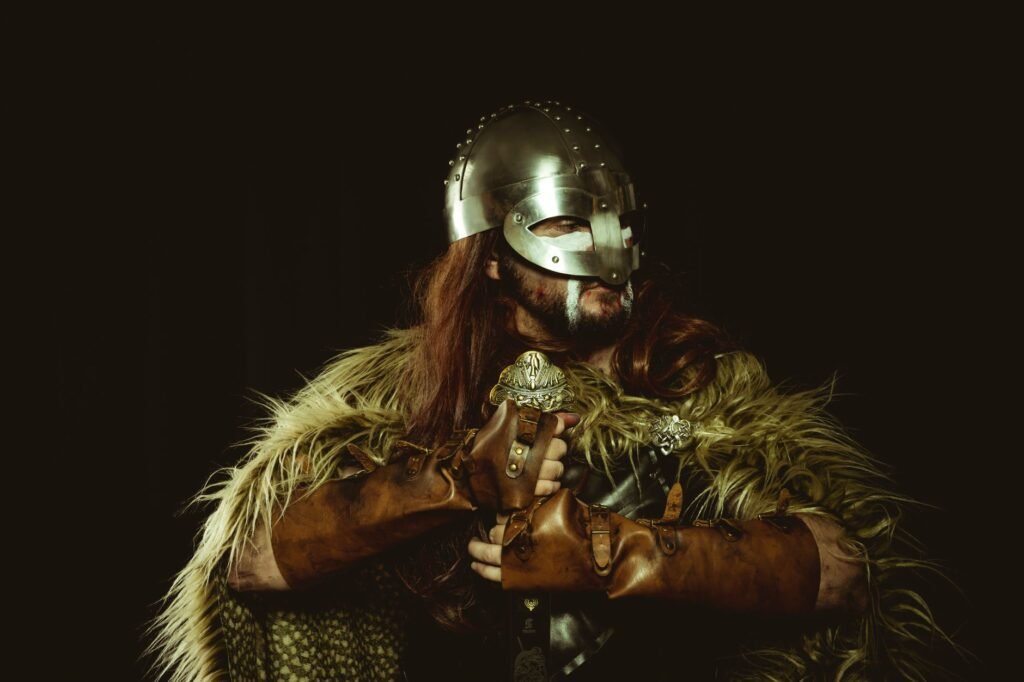
In Norse mythology, a draugr is a restless undead being that rises from the grave. Unlike a simple ghost, a draugr has a physical body. It can walk, fight, guard treasure, haunt burial mounds, and terrorize the living. These creatures appear often in Old Norse sagas, where they are portrayed as powerful, dangerous, and deeply unsettling.
The word draugr is usually translated as “revenant” or “undead.” In the world of the Norse, death did not always mean peace. Some people—especially those who were greedy, violent, or dishonorable in life—could return after death as draugar. Their presence often signaled that something was wrong: a curse, an injustice, an unquiet spirit, or a failure to properly honor the dead.
The Draugr as the Norse Undead
A draugr is not quite the same as a modern zombie, vampire, or ghost, though it shares traits with all three. It is dead, but still physically active. It can remain in its burial mound, or it can leave the grave and attack people nearby.
In many stories, a draugr keeps its intelligence and personality. This makes it more frightening than a mindless corpse. A draugr may remember grudges, protect its possessions, and deliberately torment the living.
Common traits of a draugr include:
- A corpse-like but powerful body
- Superhuman strength
- A foul smell of death and decay
- The ability to grow larger or heavier
- A connection to burial mounds and treasure
- Hatred toward the living
- Magical or supernatural powers
Because of these qualities, the draugr was one of the most feared creatures in Norse folklore.
Where Do Draugar Live?
Draugar are most strongly associated with burial mounds. In Norse society, important people were sometimes buried with weapons, wealth, and personal belongings. A draugr might remain inside the mound to guard these possessions.
This role makes the draugr a kind of tomb guardian. Anyone who tried to rob the grave or disturb the dead risked facing the undead inhabitant within.
However, draugar did not always stay buried. Some sagas describe them leaving their graves at night to attack farms, kill livestock, or drive people mad. Their hauntings could spread fear through an entire community.
Powers and Abilities of the Draugr
The draugr in Norse mythology is known for its unnatural strength. It can overpower ordinary humans with ease, and in some stories, even great heroes struggle to defeat one.
Draugar may also possess magical abilities. Depending on the tale, they can:
- Change their size
- Enter dreams
- Curse people
- Shape-shift
- Control the weather
- Spread disease or madness
- See into the future
Some draugar are said to grow huge and heavy, making them almost impossible to move. Others turn dark, swollen, or hideous after death. Their appearance reflects the horror of a body that should be lifeless but is not.
Famous Draugar in Norse Sagas
Several Old Norse sagas feature memorable draugar. These stories show how seriously the Norse imagined the threat of the undead.
Kárr the Old
In Grettis saga, the hero Grettir Ásmundarson enters a burial mound and fights a draugr named Kárr the Old. Kárr guards treasure in his tomb and attacks Grettir when disturbed. The battle is fierce, but Grettir defeats him and claims the treasure.
This story shows the draugr as a mound-dwelling guardian of wealth, a dangerous obstacle for a bold hero.
Glámr
Another famous draugr from Grettis saga is Glámr. In life, Glámr is rude, irreligious, and unpleasant. After his death, he returns as a terrifying undead creature and haunts the countryside.
Glámr kills animals, frightens people, and brings darkness and fear wherever he appears. Grettir eventually fights and defeats him, but Glámr curses the hero before his final destruction. This curse has lasting effects, showing that even a defeated draugr can remain dangerous.
What Causes Someone to Become a Draugr?
Norse sources do not give one simple explanation for why a person becomes a draugr. However, the sagas suggest several possible causes.
A person might rise as a draugr because of:
- Greed or attachment to treasure
- Evil behavior in life
- A violent or unnatural death
- Improper burial
- Unfinished business
- A powerful will that refuses to rest
The idea behind the draugr reflects a wider belief that character mattered after death. A cruel, greedy, or malicious person might remain harmful even from the grave.
How Could a Draugr Be Defeated?
Defeating a draugr was not easy. Since it had a physical body, someone usually had to confront it directly. Heroes in the sagas often wrestle or fight draugar inside dark burial mounds, a setting meant to heighten the danger.
Methods for destroying a draugr could include:
- Cutting off its head
- Burning the body
- Staking or pinning the corpse down
- Removing it from the burial place
- Performing proper rites
Decapitation and burning were especially important. These actions prevented the draugr from returning again. In some stories, the head was placed near the body’s rear or otherwise separated to stop reanimation.
The Meaning of the Draugr in Norse Mythology
The draugr represents more than a monster. It reflects Norse concerns about death, honor, memory, and the boundary between the living and the dead.
A peaceful dead person might rest in the grave or pass into another realm. But a draugr was a sign of disorder. It suggested that death had not been properly completed. The dead still clung to wealth, anger, or power, and that attachment made them dangerous.
The draugr also shows the Norse fear of physical death. Unlike airy spirits, draugar are heavy, decaying bodies that still move and act. They are reminders that the grave can be both sacred and terrifying.
Draugr vs. Modern Undead
Today, the draugr is often compared to zombies, vampires, and wights. Modern fantasy games, books, and films have borrowed the creature and adapted it in many ways. However, the original Norse draugr is distinct.
It is not merely a shambling corpse. It is often intelligent, magical, and tied to its burial mound. It may guard treasure like a dragon, curse heroes like a sorcerer, and attack the living like a monster.
This combination makes the draugr one of the most fascinating undead beings in world mythology.
Final Thoughts
So, what is a draugr in Norse mythology? It is a powerful undead corpse that rises from the grave, often to guard treasure, haunt the living, or continue the harmful will of a wicked person. Found throughout Old Norse sagas, the draugr is both a monster and a warning.
It reminds us that in Norse belief, death was not always peaceful. The dead could remain close, dangerous, and unwilling to let go of the world they had left behind.

Orin Vale has spent the better part of two decades tracing the threads that connect the world’s oldest stories — from the halls of Asgard to the banks of the Nile, from Olympus to the jungles of the Maya. What began as a childhood fascination with flood myths and trickster gods grew into years of independent study across comparative mythology and ancient religion, always chasing the same question: what did these stories mean to the people who first told them? Orin writes for readers who want more than trivia — the ones looking for the beliefs, fears, and truths that myths were built to carry.