ancient Greek beliefs
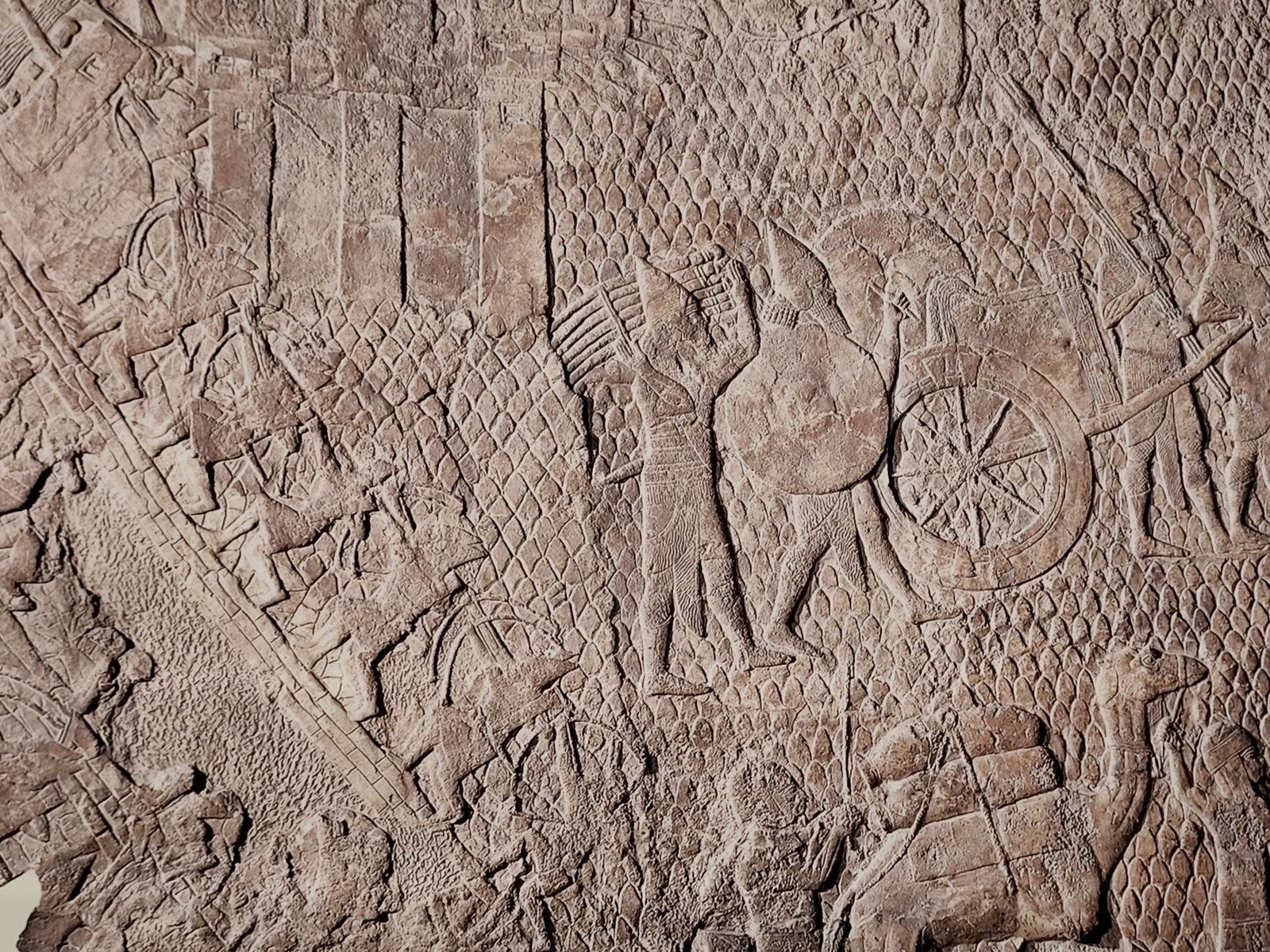
Chariot of Helios: Greek Mythology Sun God Chariot
The Chariot of Helios is the mythic sun-vehicle that carries Helios across the sky, linking daily light with divine order, cosmic movement, and the Greeks’ understanding of time. Its story also reaches beyond astronomy into literature and legend, especially the dramatic tale of Phaethon, where the sun-chariot reveals both celestial power and human peril.

Is the Greek Eye (Mati) Part of Greek Mythology?
The Greek eye, or mati, is widely recognized in Greek culture as a protective charm against envy and misfortune, yet it does not belong to Greek mythology in the strict sense. Rooted in ancient folk belief and Mediterranean tradition, it reflects a long history of ideas about the harmful gaze—an origin that invites closer examination of its meaning and evolution.
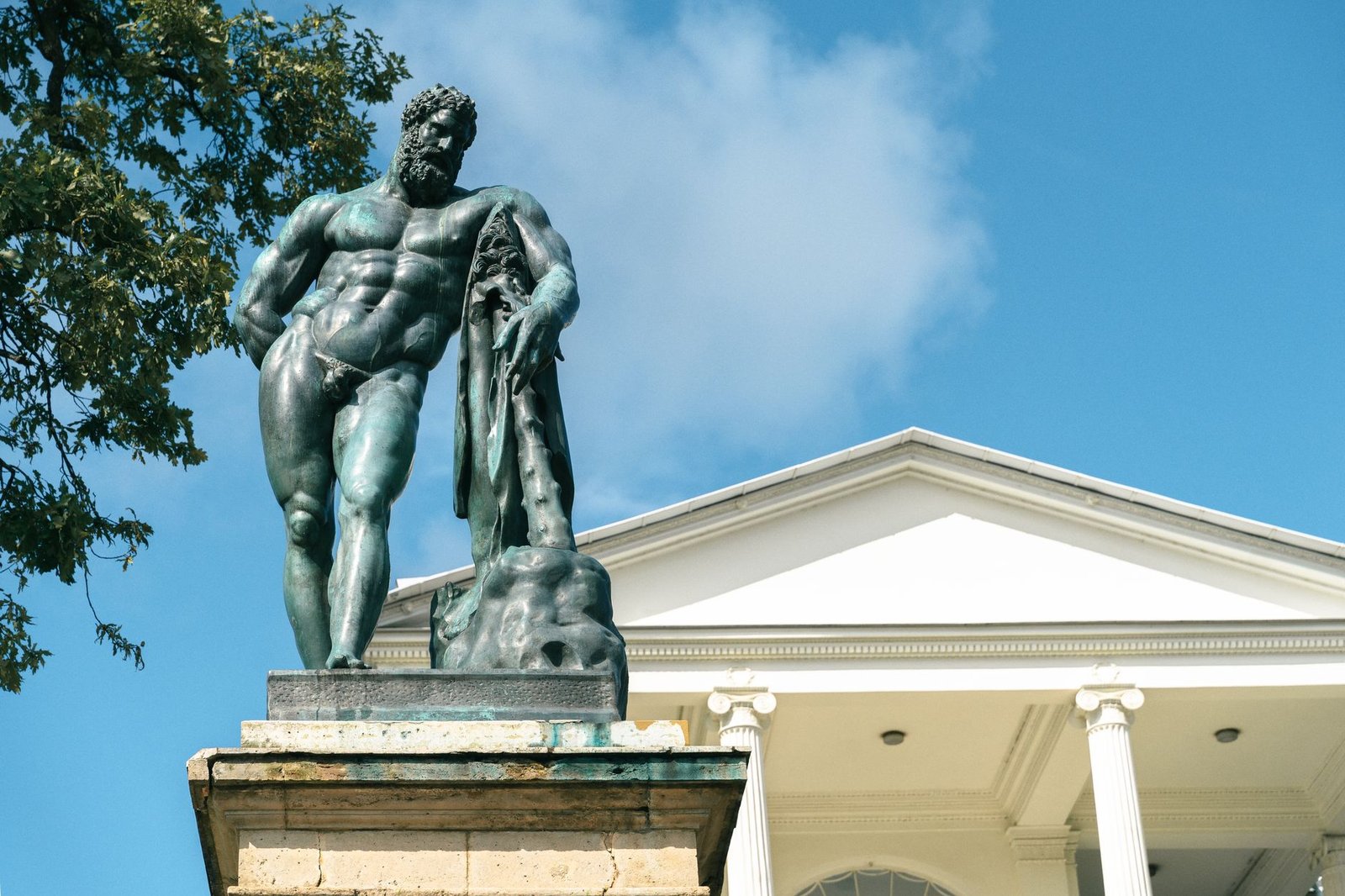
Typhon’s Rebellion Against Zeus in Greek Mythology
Typhons rebellion against Zeus stands among the great conflicts of Greek mythology, pitting the king of the gods against a monstrous challenger who threatened the order of the cosmos. Rooted in ancient traditions and retold by later writers, the myth explores divine kingship, chaotic force, and the struggle that secured Zeus’ supremacy.