Greek Mythology
Greek Creation Myth: Origins, Gods, and the Cosmos
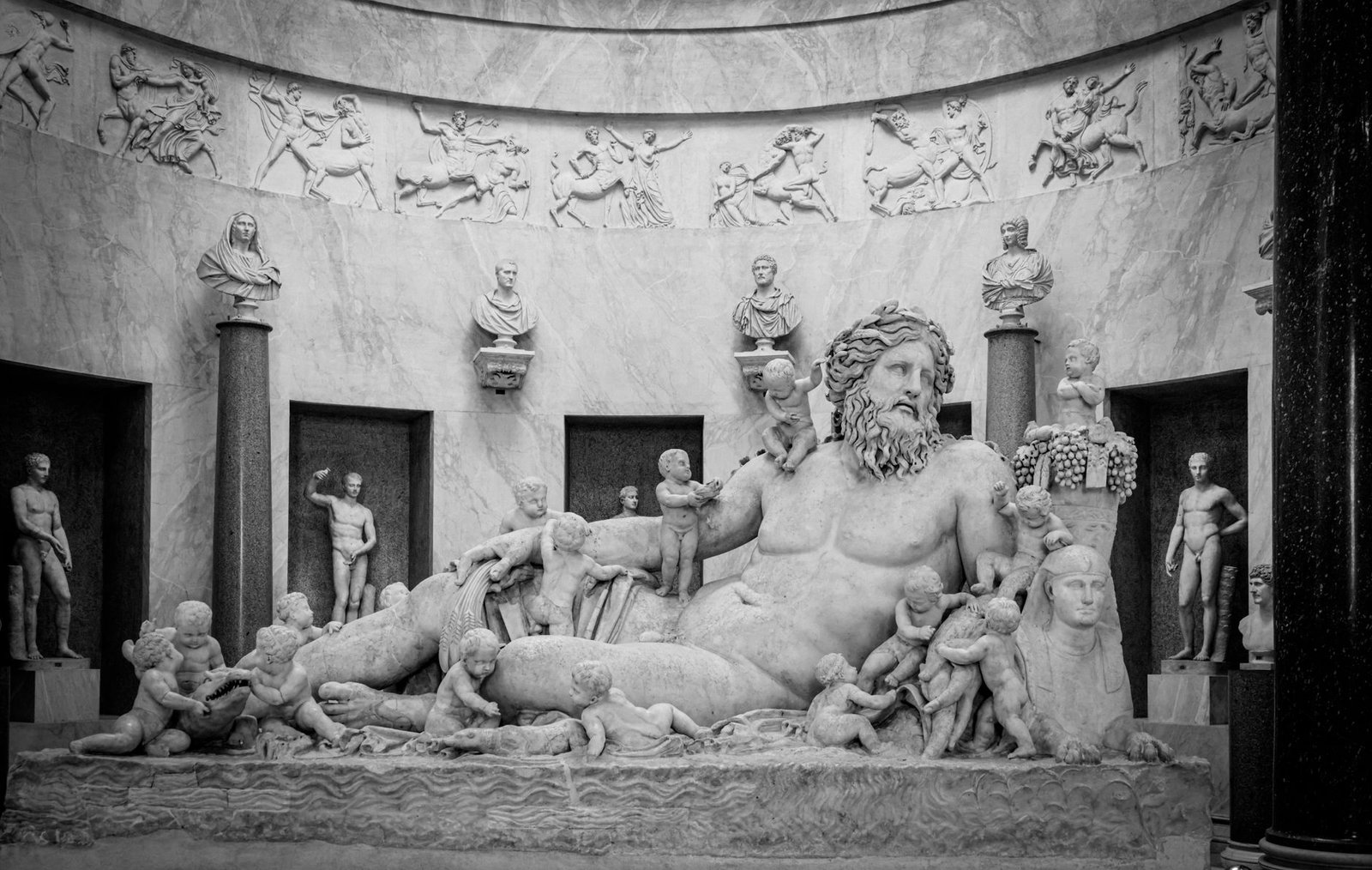
The Greek creation myth is the ancient body of stories that explains how the cosmos, gods, and human order emerged from primordial Chaos. Rooted in texts such as Hesiod’s *Theogony*, it reveals a world where creation means the shaping of order from uncertainty—and where later traditions still invite fresh interpretation.
Castration of Uranus by Cronus: Greek Myth Explained
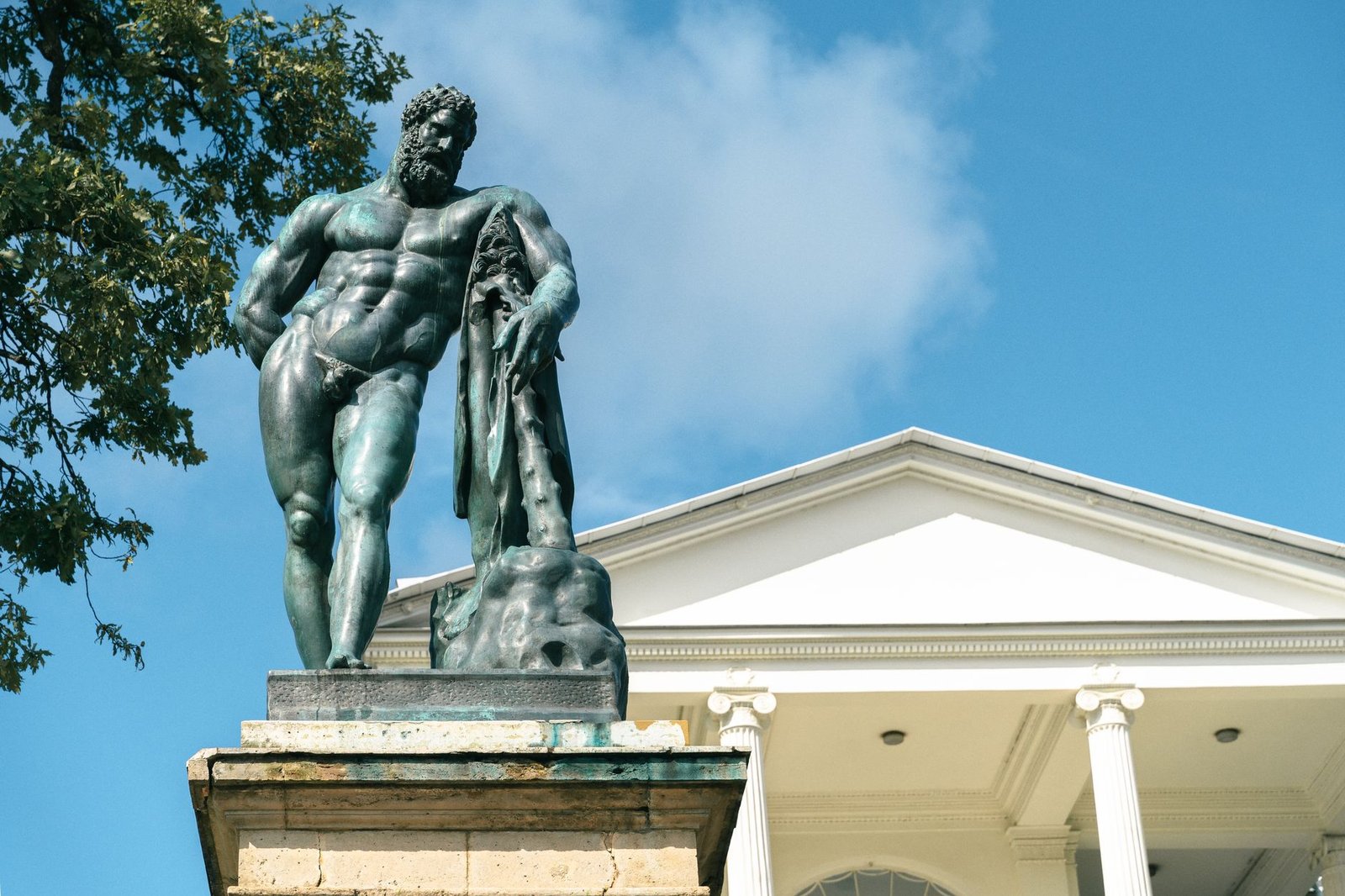
The castration of Uranus by Cronus is a pivotal Greek myth in which the Titan Cronus overthrows his father, the sky god Uranus, with a sickle or harpe, altering the divine order of the cosmos. Preserved most fully in Hesiod’s *Theogony*, the story illuminates themes of succession, violence, and cosmic separation, and its deeper meanings continue to invite close examination.
Cronus Swallowing His Children in Greek Mythology
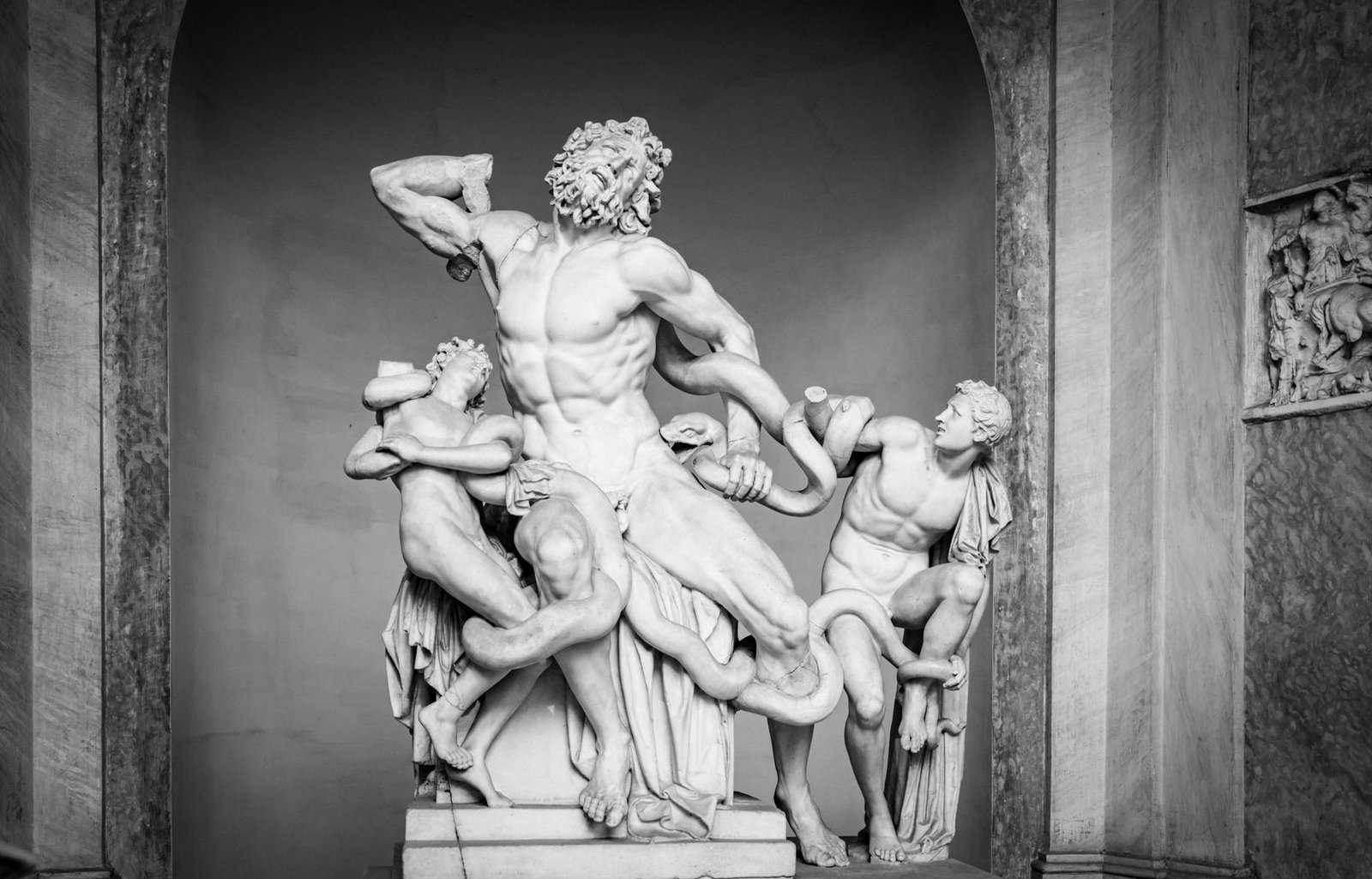
Cronus swallowing his children is a central episode in Greek mythology, depicting the Titan’s desperate attempt to prevent a prophecy of overthrow by consuming each newborn child. The story, preserved in Hesiod’s *Theogony*, reveals themes of power, succession, and fate, while setting the stage for Zeus’s survival and Cronus’s eventual defeat.

Birth of Zeus in the Cretan Cave: Greek Mythology
The birth of Zeus in the Cretan cave is a foundational Greek myth that explains how the future king of the gods was hidden on Crete to escape Cronus and grow in secret. Exploring its Cretan settings, ancient sources, and religious meanings reveals why this story remained central to ideas of divine power, succession, and sacred landscape.
Titanomachy: Greek Mythology’s War of the Titans
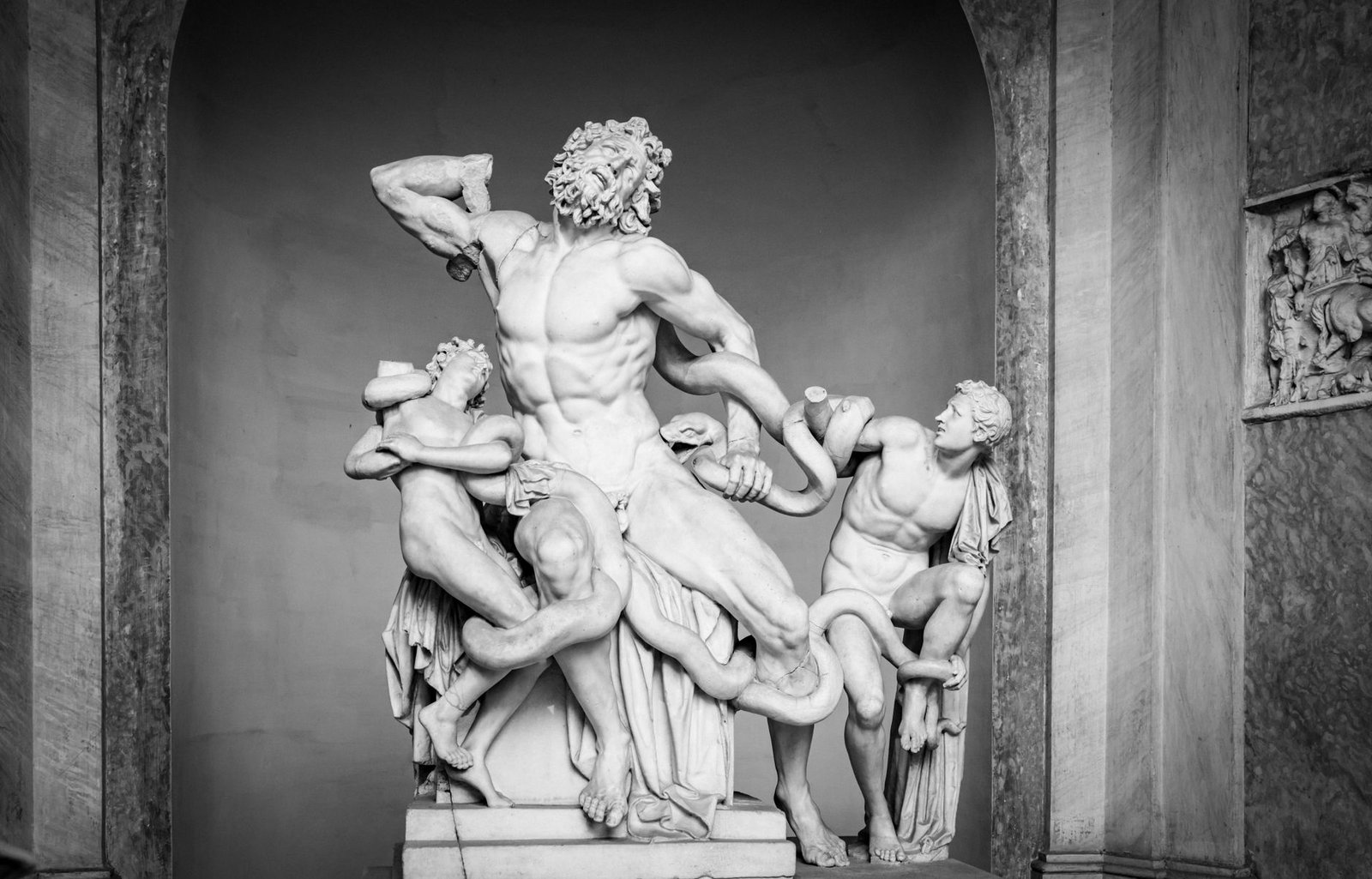
Titanomachy is the legendary Greek mythic war in which Zeus and the younger Olympian gods overthrew the Titans, ending an older divine order and establishing cosmic rule. This article explores its origins, meaning, and cultural legacy, showing how the conflict became a foundational story of succession, sovereignty, and the shaping of the Greek universe.
Gigantomachy: Definition, Myth, and Greek Origins
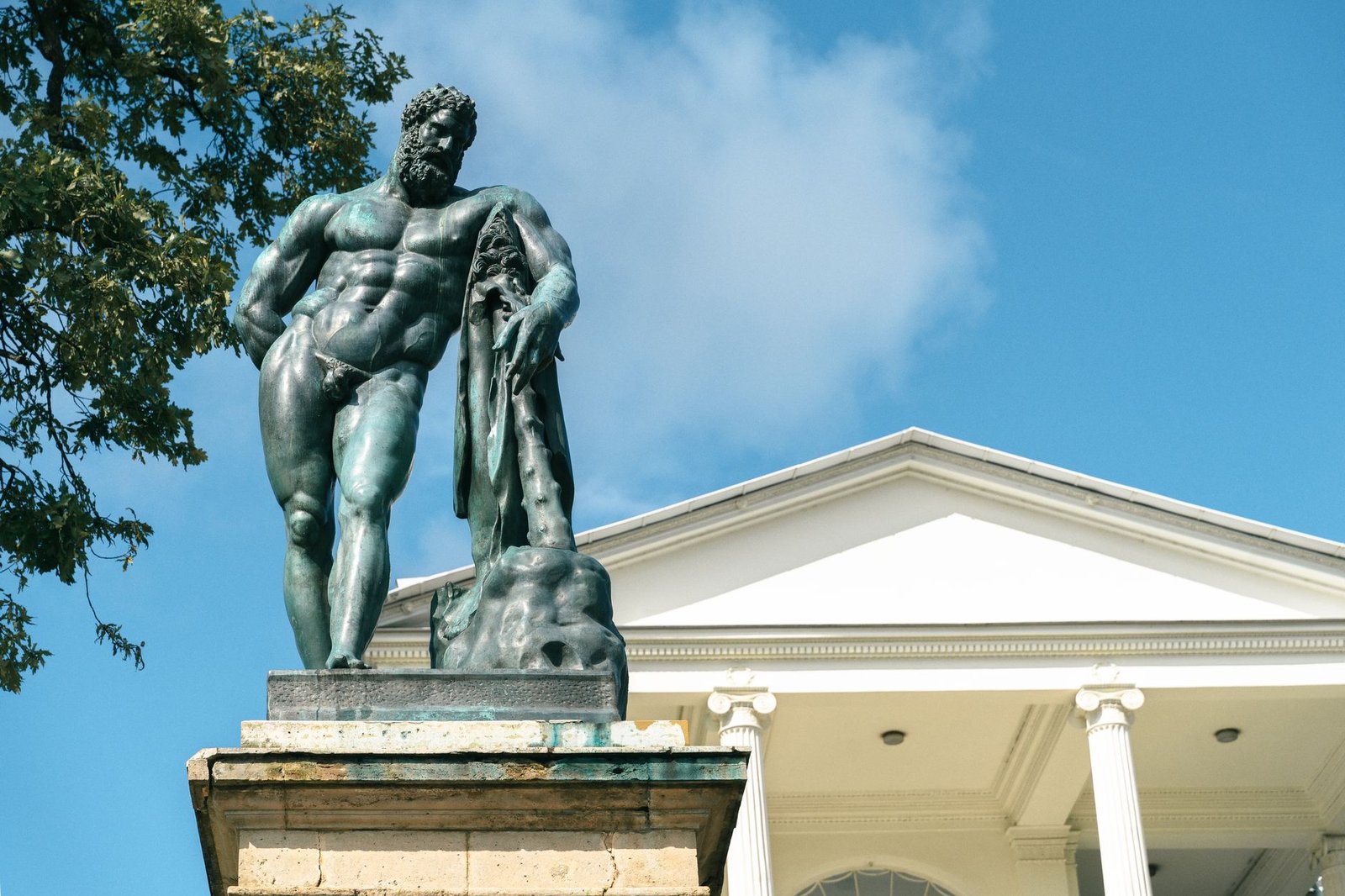
The Gigantomachy is the celebrated Greek myth of the Olympian gods’ war against the Giants, a cosmic struggle that embodies the victory of order over chaos. This article traces its origins, its distinction from the Titanomachy, and its powerful role in ancient religion and Athenian art, inviting a closer look at why the tale endured.
Typhon’s Rebellion Against Zeus in Greek Mythology
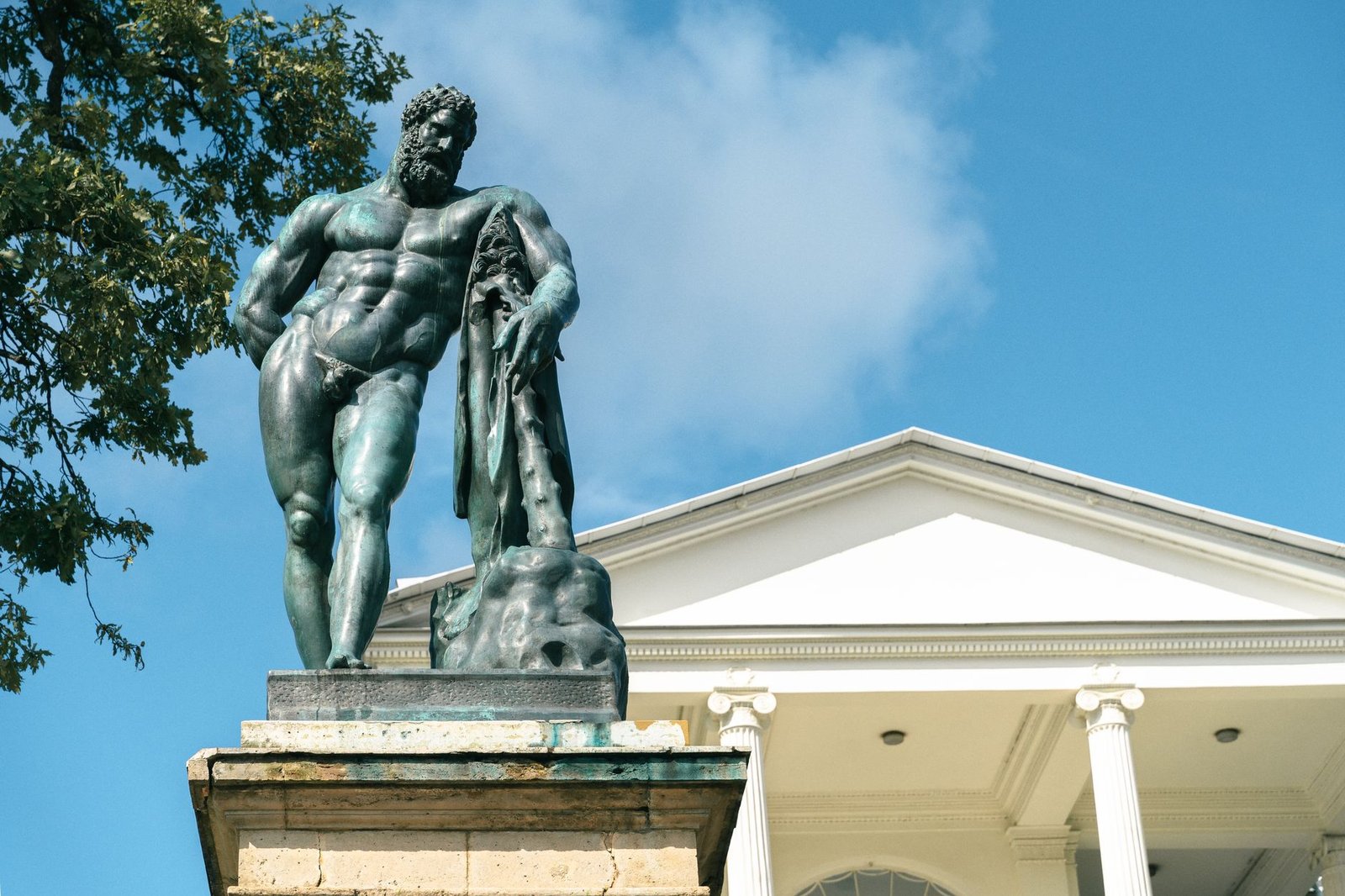
Typhons rebellion against Zeus stands among the great conflicts of Greek mythology, pitting the king of the gods against a monstrous challenger who threatened the order of the cosmos. Rooted in ancient traditions and retold by later writers, the myth explores divine kingship, chaotic force, and the struggle that secured Zeus’ supremacy.

Birth of Aphrodite from the Sea: Greek Mythology Explained
The **birth of Aphrodite from the sea** tells how the goddess of love and beauty emerged from sea foam after a primordial divine conflict, fully formed and radiant near Cyprus or Cythera. Blending myth, symbolism, and ancient religious ideas, the story reveals Aphrodite’s origins, her association with fertility and desire, and the enduring artistic fascination that continues to invite closer study.
Prometheus and the Theft of Fire: Greek Myth Explained
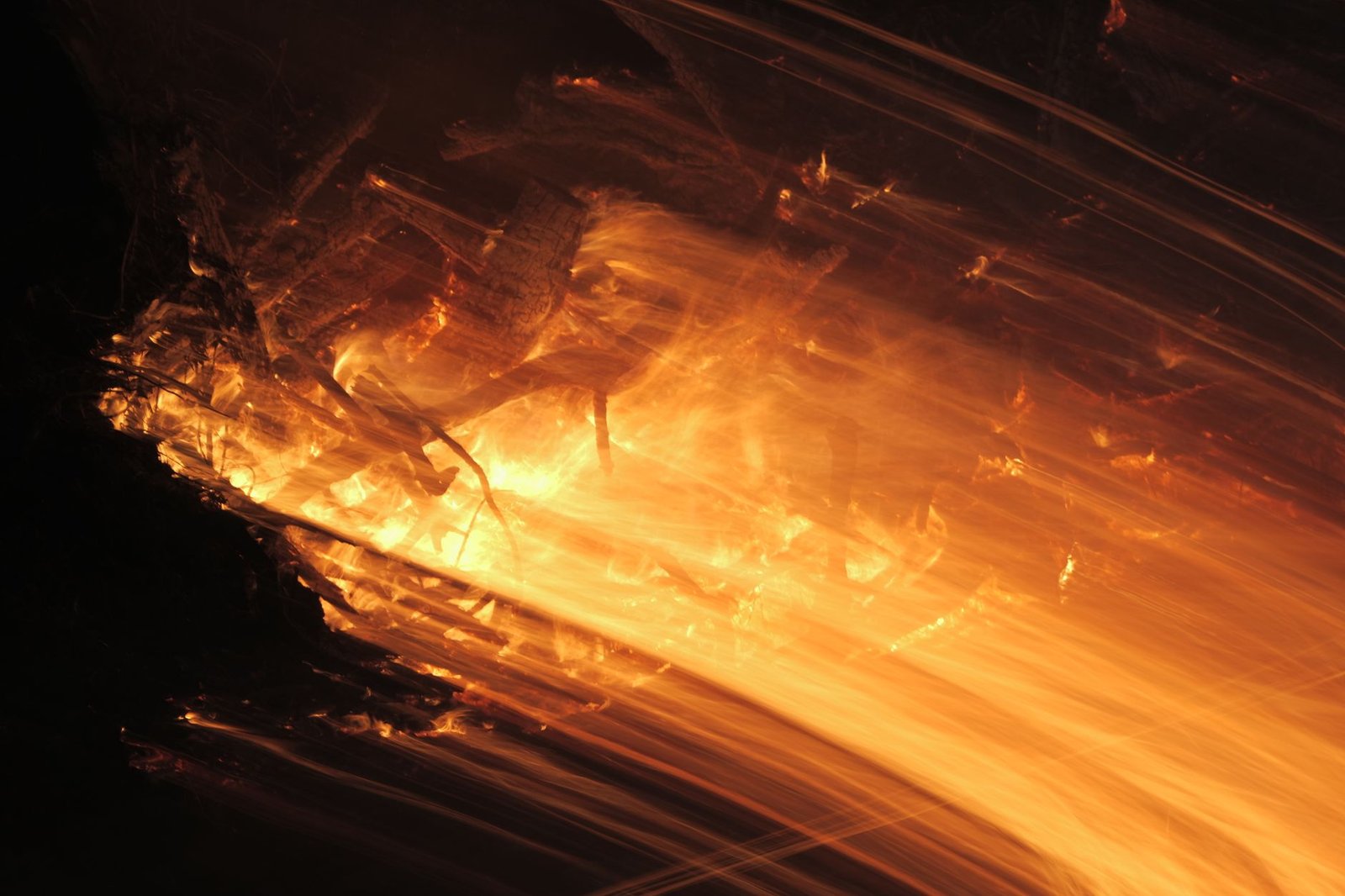
Prometheus and the theft of fire is a foundational Greek myth about a Titan who defied Zeus by giving fire to humanity, symbolizing knowledge, civilization, and the rise of human creativity. This excerpt explores the myth’s origins, its meaning in ancient thought, and the lasting cultural influence of a figure remembered as both benefactor and punished rebel.

The Myth of Pandora: Origins, Story, and Meaning
The myth of Pandora explains how suffering entered human life, yet it also leaves room for hope, making it one of the most enduring stories in Greek mythology. Its shifting ancient versions, from divine punishment to symbols of fertility and curiosity, reveal a figure far more complex than the familiar tale of the opened jar suggests.