Greek creation myth
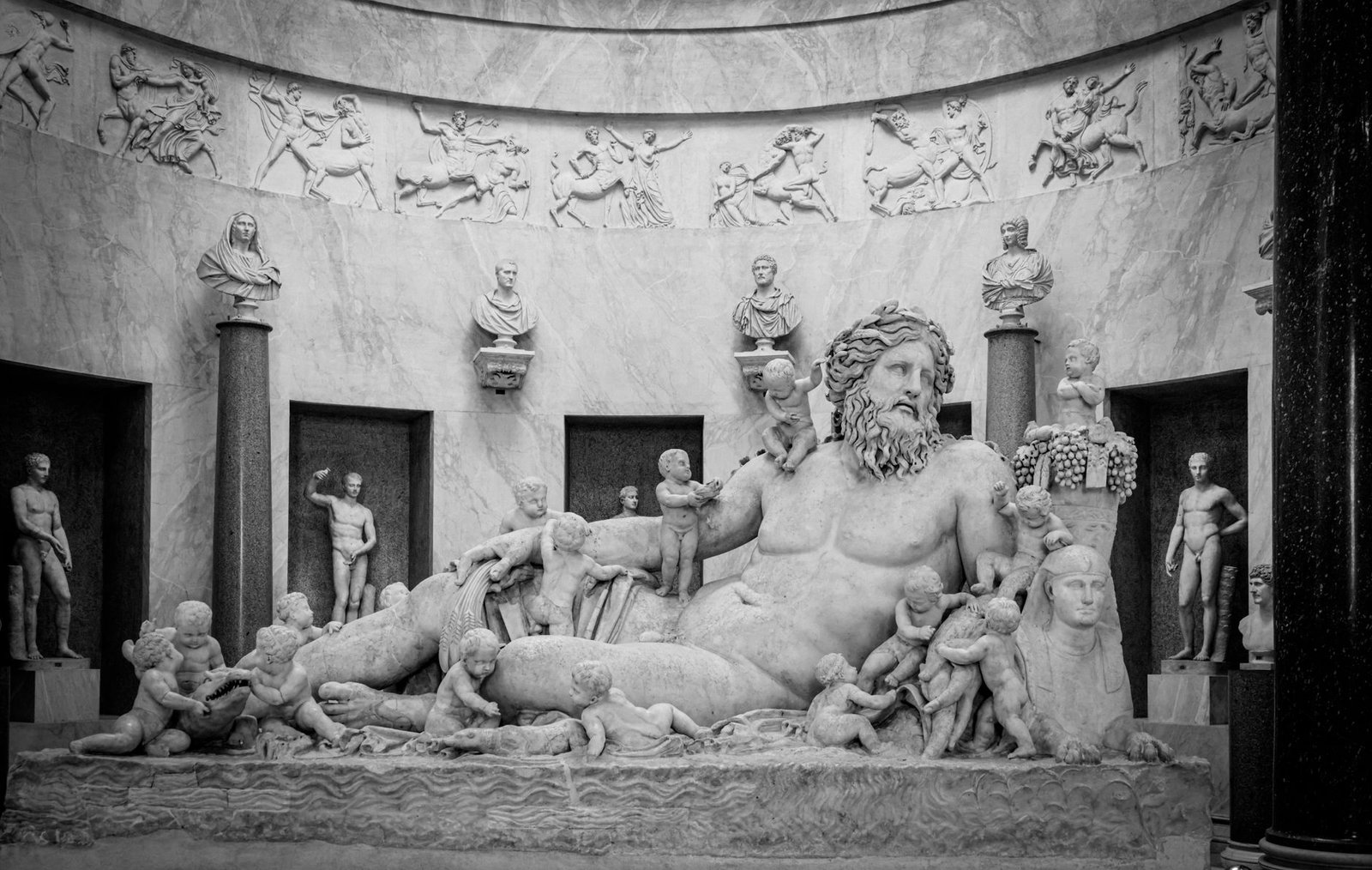
Greek Creation Myth: Origins, Gods, and the Cosmos
The Greek creation myth is the ancient body of stories that explains how the cosmos, gods, and human order emerged from primordial Chaos. Rooted in texts such as Hesiod’s *Theogony*, it reveals a world where creation means the shaping of order from uncertainty—and where later traditions still invite fresh interpretation.
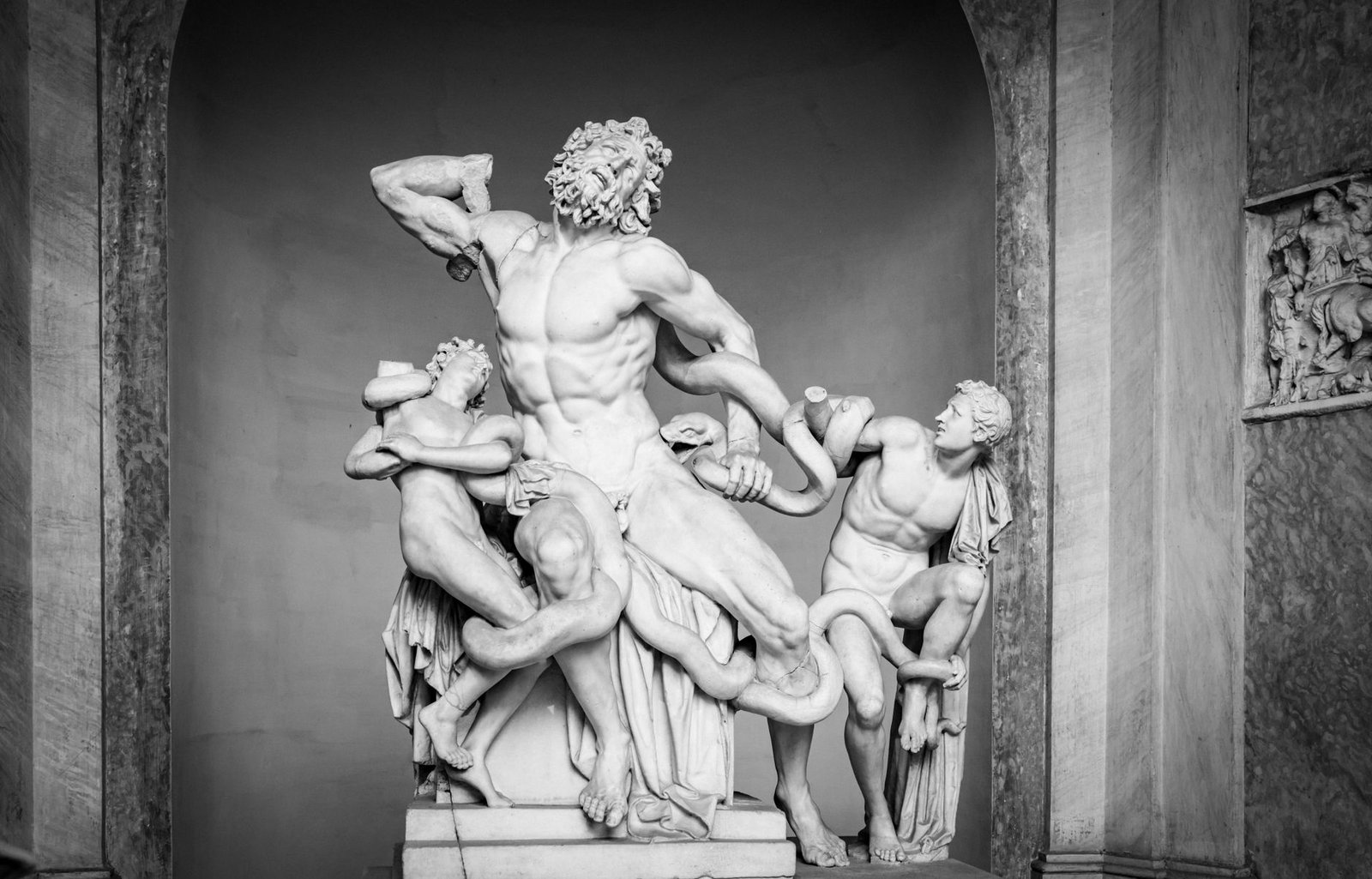
What Is Chaos in Greek Mythology? Origins and Meaning
Chaos in Greek mythology is the mysterious void that existed before the gods, Titans, earth, sky, and sea took shape. Discover how this ancient idea of a vast, formless beginning became the starting point of the Greek creation story.
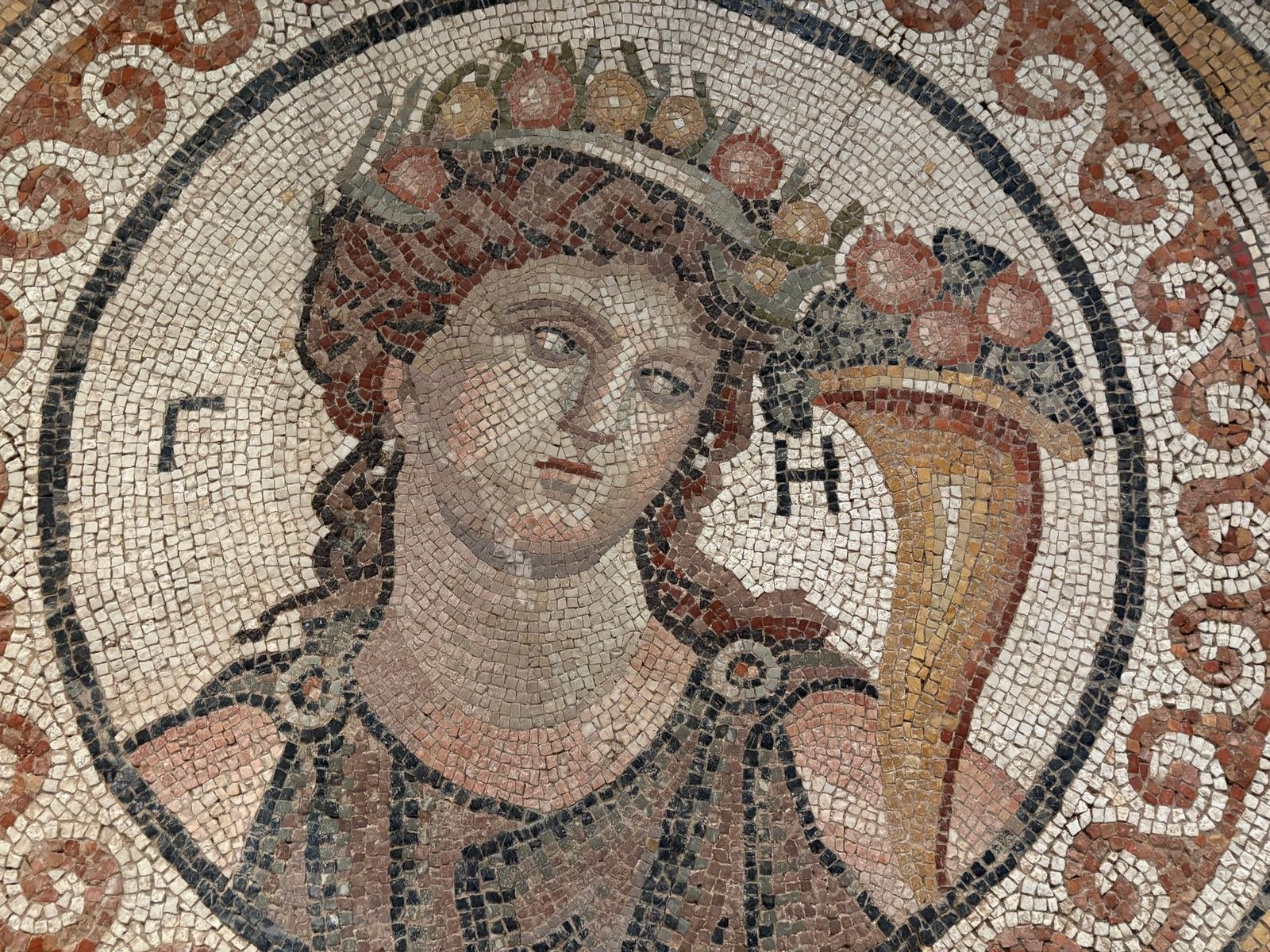
Who Is Gaia in Greek Mythology? Meaning, Myths, and Origins
Gaia in Greek mythology is the ancient Earth goddess and mother of countless gods, giants, and creatures. Her story reveals how the Greeks imagined creation, nature, and the powerful forces beneath the world itself.
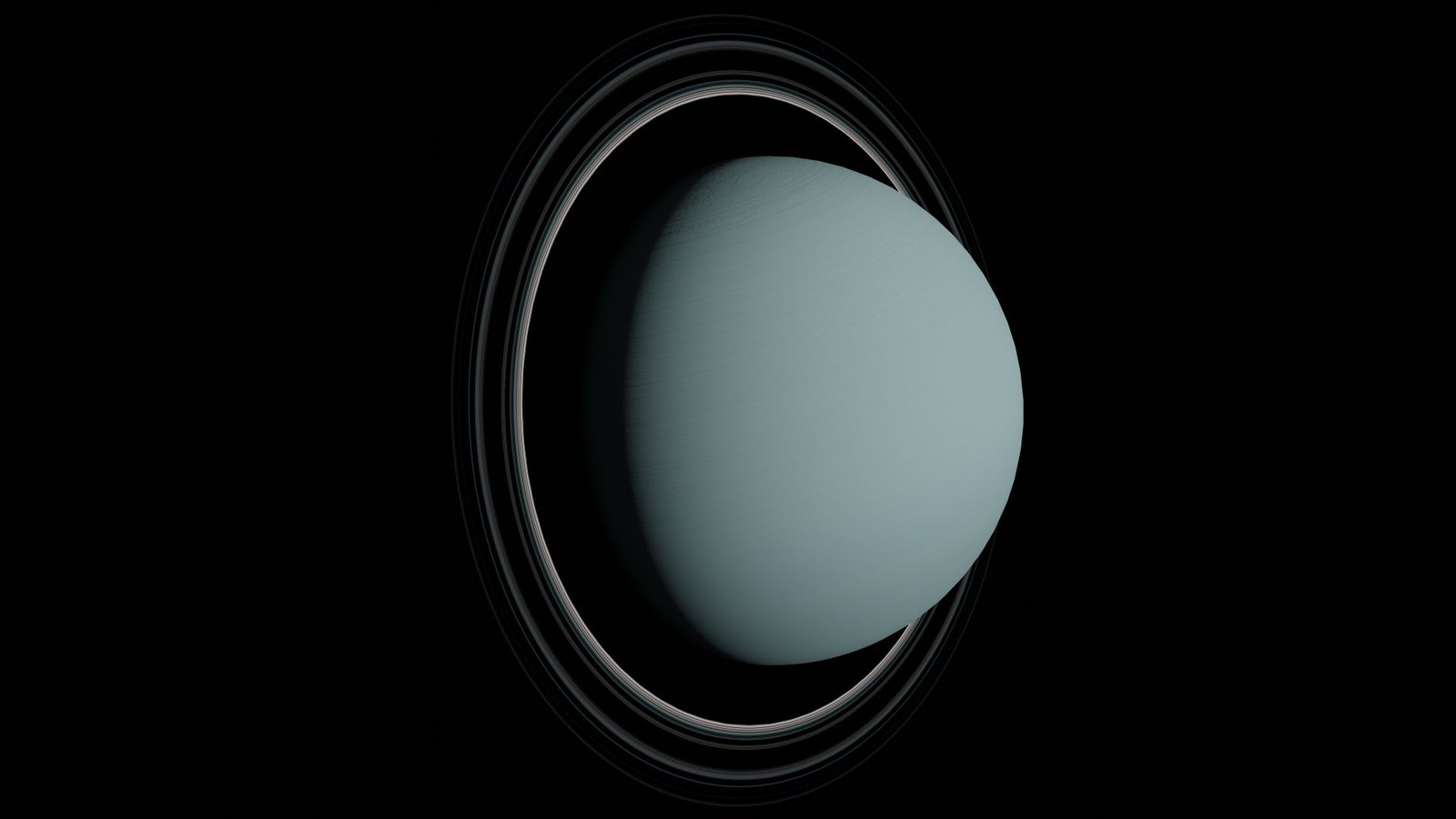
Who Is Uranus in Greek Mythology? A Quick Guide
Uranus in Greek mythology is the ancient sky god whose story begins the family drama of the Titans, Cronus, and eventually Zeus. As one of the first divine beings, he helps explain how the Greek cosmos took shape.
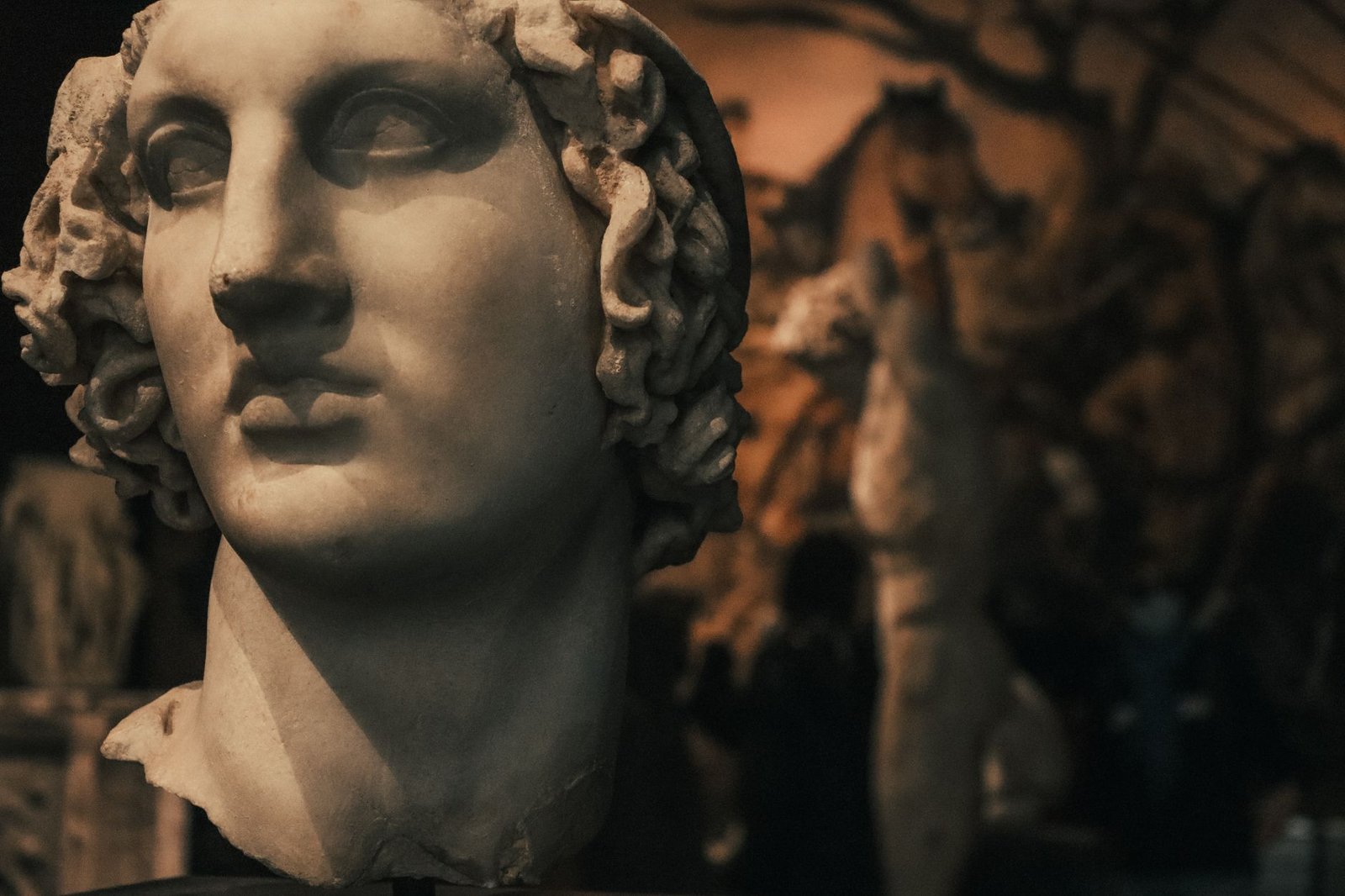
Who Is Nyx in Greek Mythology? Goddess of Night
Nyx in Greek mythology is the ancient goddess of night, a powerful primordial figure born from Chaos and respected even by Zeus. Mysterious and awe-inspiring, she represents darkness, dreams, and the hidden forces that shape the world.
Primordial Deities vs Titans in Greek Mythology: Key Differences
The primordial deities and Titans may both be ancient powers in Greek mythology, but they belong to different cosmic generations. This quick guide explains how the first forces of creation gave rise to the mighty gods who ruled before Olympus.