Greek monsters
Echidna: Facts, Characteristics, and Habitat Guide
Echidna is a central figure in Greek mythology, a serpentine monster often called the “Mother of Monsters” because so many famous creatures trace their lineage to her. Part woman and part serpent, she embodies the boundary between beauty and terror, and her origins, meanings, and descendants reveal how deeply she shaped the mythic world of ancient Greece.
Scylla and Charybdis: Meaning, Myth, and Origins
Scylla and Charybdis are legendary monsters from Greek mythology, first set side by side in Homer’s *Odyssey* as the twin threats guarding a narrow sea passage. Their story explains the enduring phrase “between Scylla and Charybdis,” a vivid symbol of being forced to choose between two dangerous outcomes, and reveals how ancient Greeks understood risk at sea.
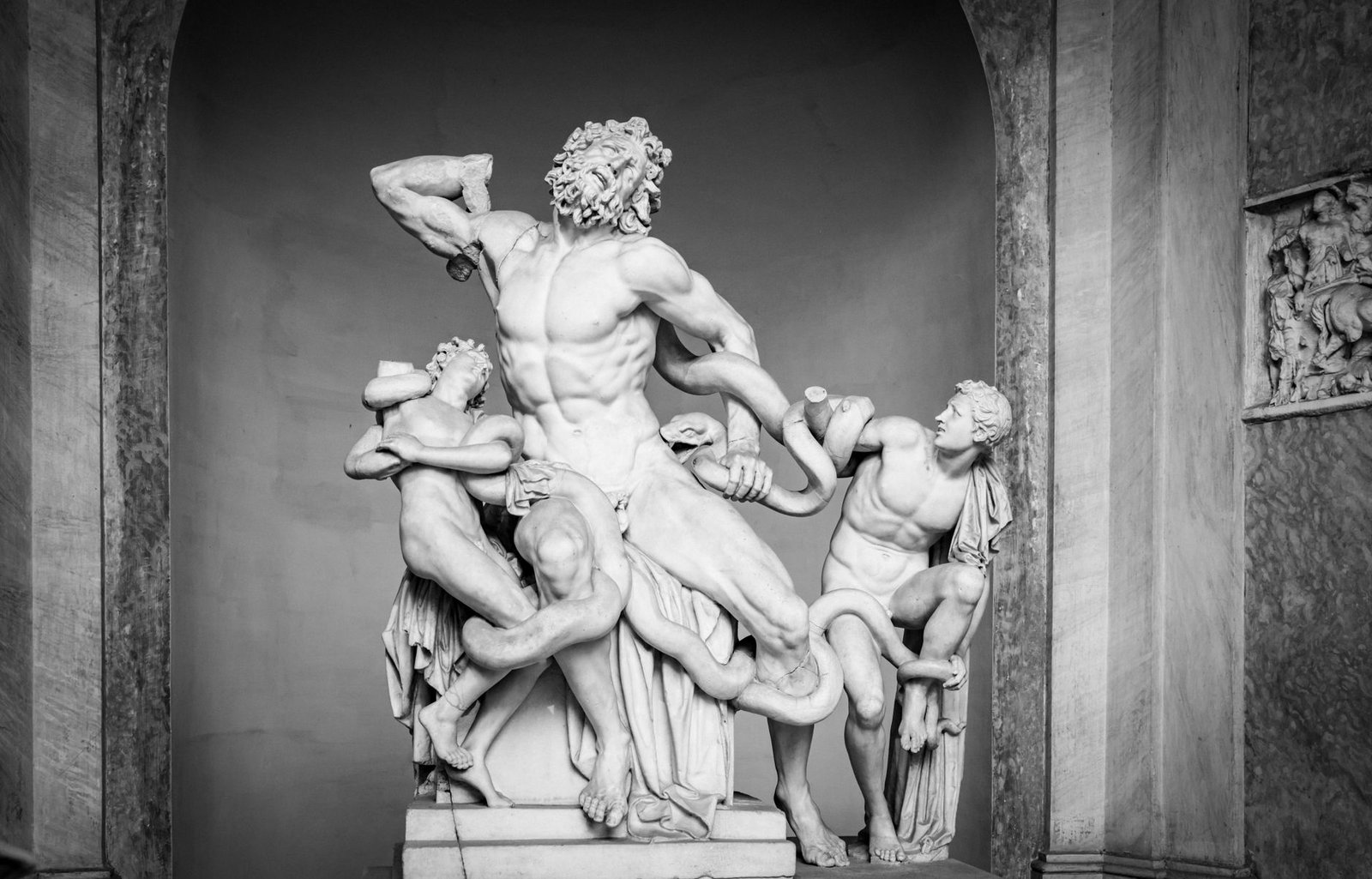
Cyclops: Greek Mythology One-Eyed Giant Explained
Cyclops are among the most striking figures in Greek mythology: one-eyed giants associated with immense strength, divine craftsmanship, and the uneasy boundary between civilization and wilderness. From Homer’s Polyphemus to the older traditions of thunderbolt-forging smiths, the Cyclops reveals how ancient Greeks imagined power, isolation, and the monstrous.

Typhon and Echidna: Why So Many Monsters Descend From Them
In Greek mythology, the focus keyword explains how Typhon and Echidna came to be cast as the progenitors of a remarkable line of monsters, from Cerberus and the Hydra to the Chimera and beyond. Their family tree is more than a catalogue of horrors: it reveals how the Greeks gave shape, order, and meaning to chaos, and why these figures remained central to mythic storytelling.
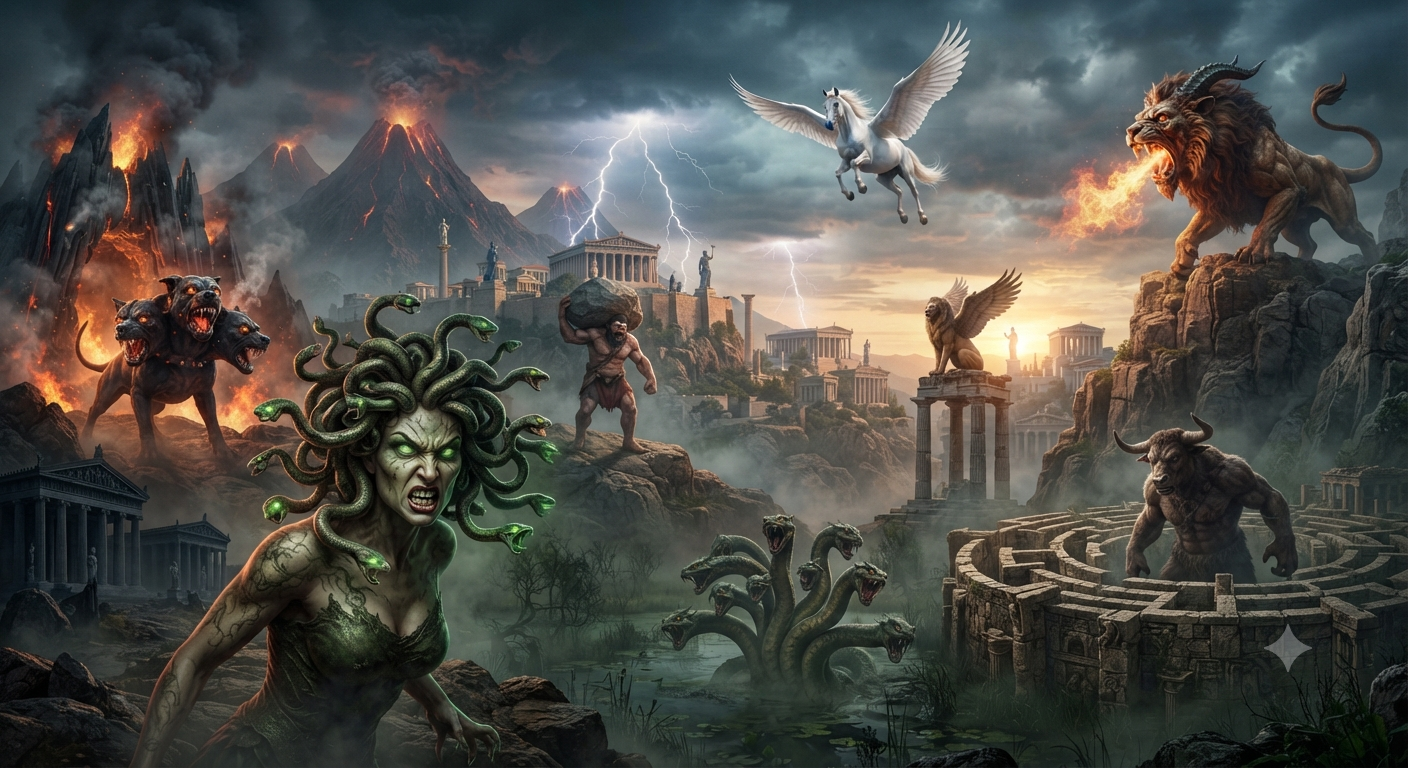
Greek Creatures and Monsters: The Complete Guide
Greek mythology’s monsters are more than obstacles for its heroes — they embody the chaos, danger, and wildness that civilization ...