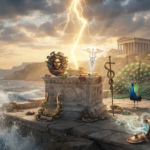
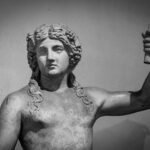
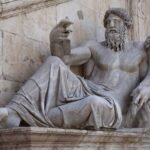
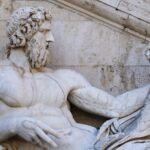
primordial deities
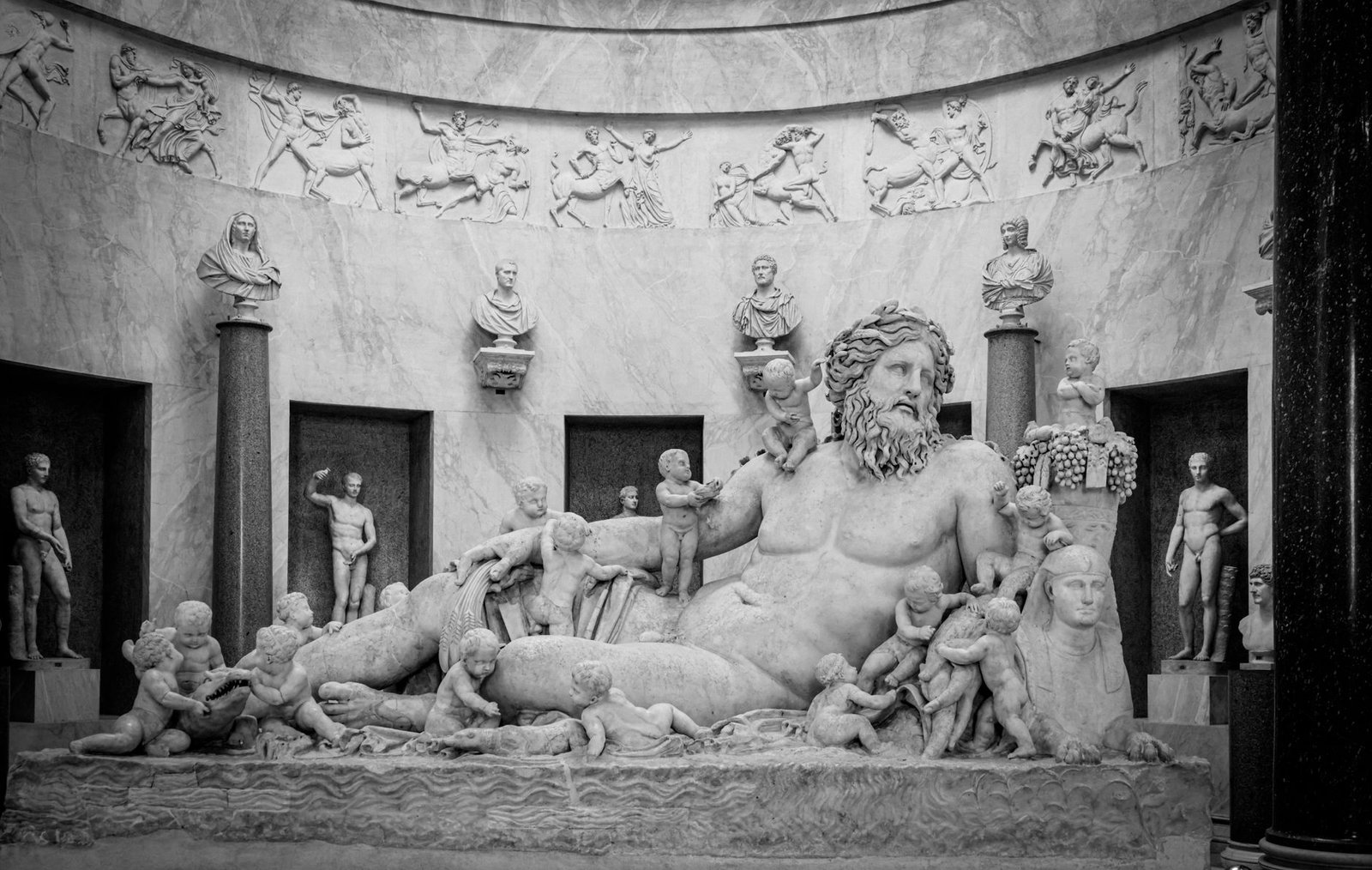
Greek Creation Myth: Origins, Gods, and the Cosmos
The Greek creation myth is the ancient body of stories that explains how the cosmos, gods, and human order emerged from primordial Chaos. Rooted in texts such as Hesiod’s *Theogony*, it reveals a world where creation means the shaping of order from uncertainty—and where later traditions still invite fresh interpretation.
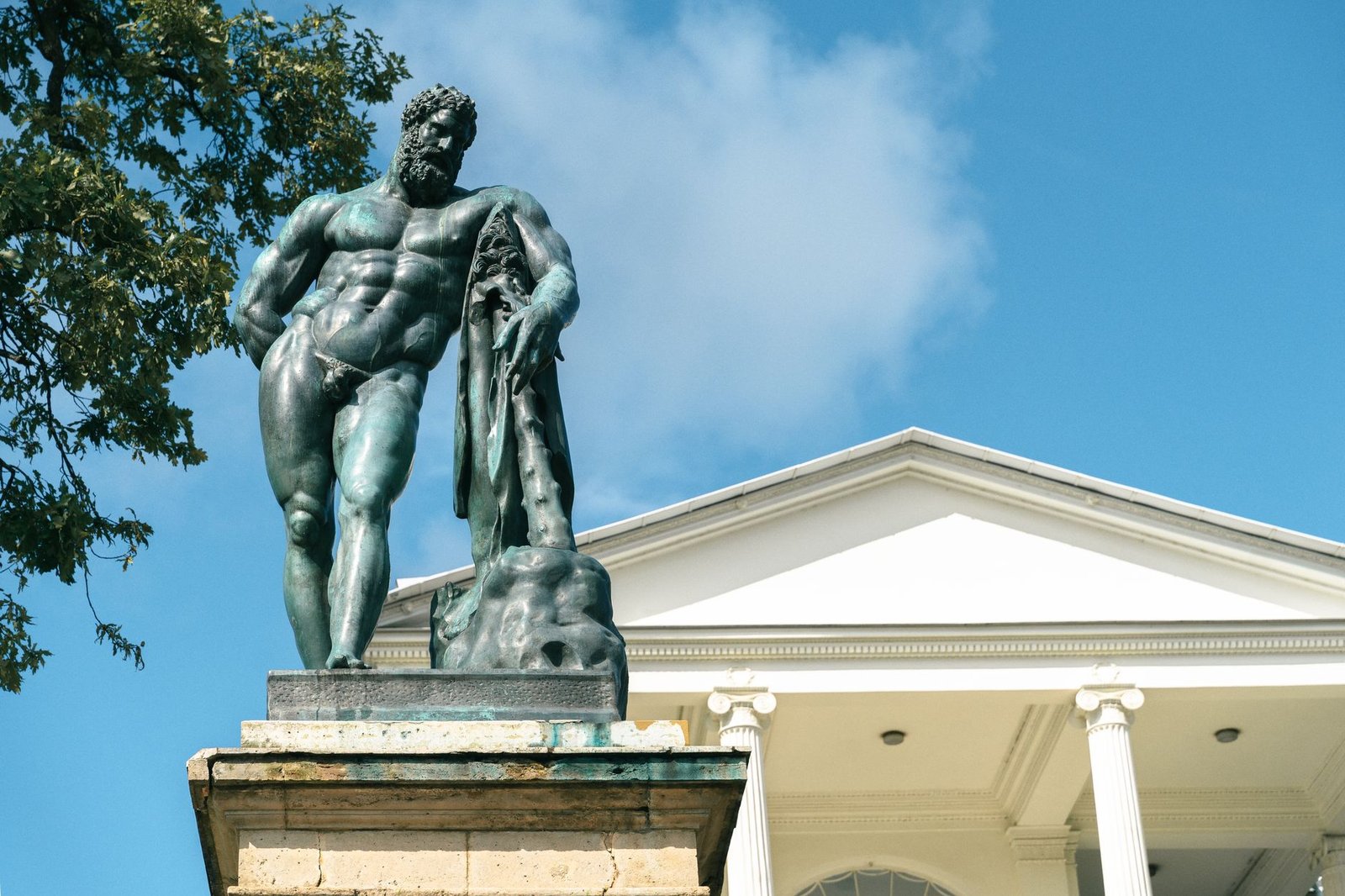
Castration of Uranus by Cronus: Greek Myth Explained
The castration of Uranus by Cronus is a pivotal Greek myth in which the Titan Cronus overthrows his father, the sky god Uranus, with a sickle or harpe, altering the divine order of the cosmos. Preserved most fully in Hesiod’s *Theogony*, the story illuminates themes of succession, violence, and cosmic separation, and its deeper meanings continue to invite close examination.
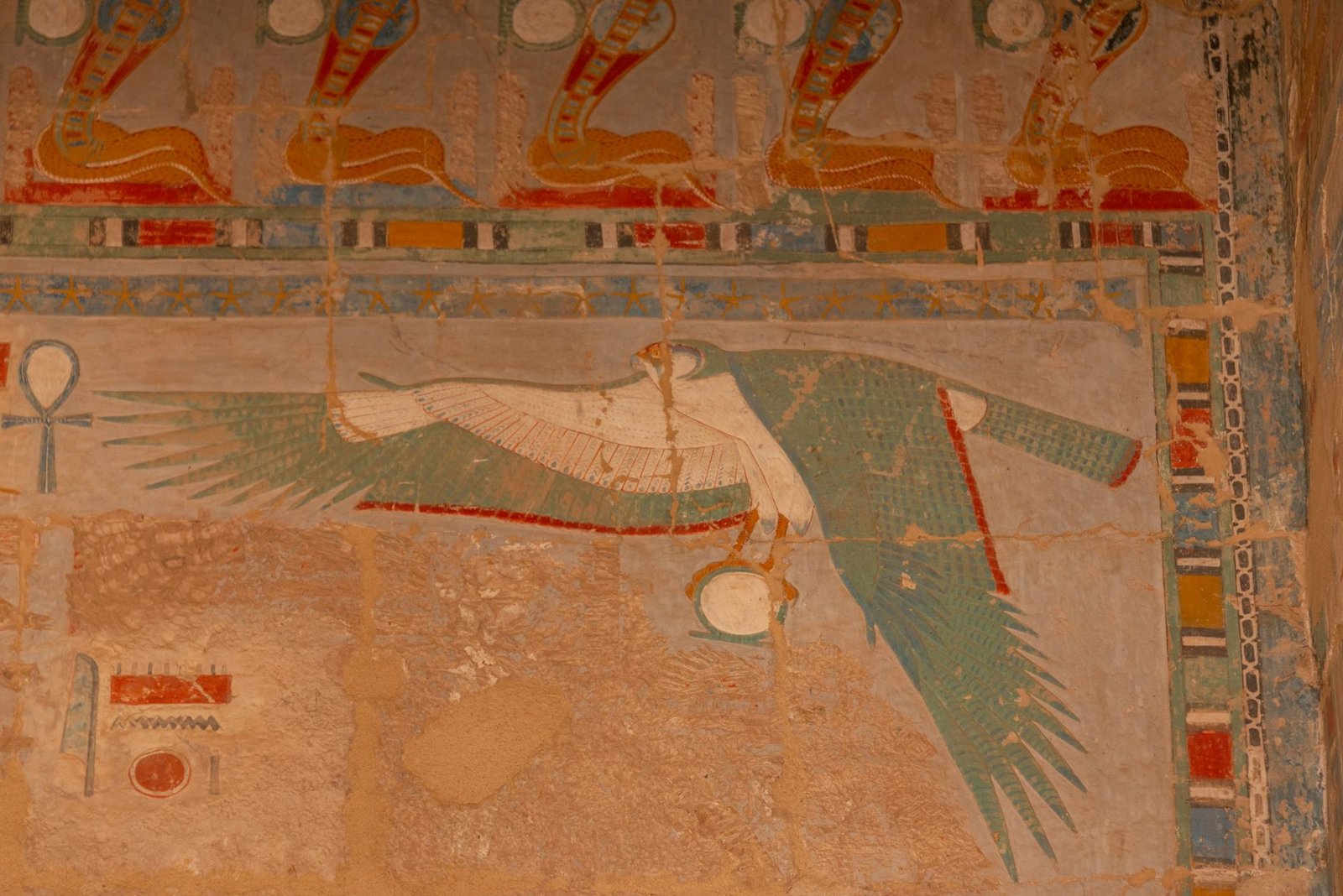
What Is the Ogdoad in Egyptian Mythology?
The Ogdoad in Egyptian mythology is a group of eight primordial deities who embodied the dark, watery, hidden state of the universe before creation. Rooted in the theology of Hermopolis, this complex concept reveals how ancient Egyptians explained the emergence of order, and why these deities remain central to understanding their cosmology.