Roman pantheon
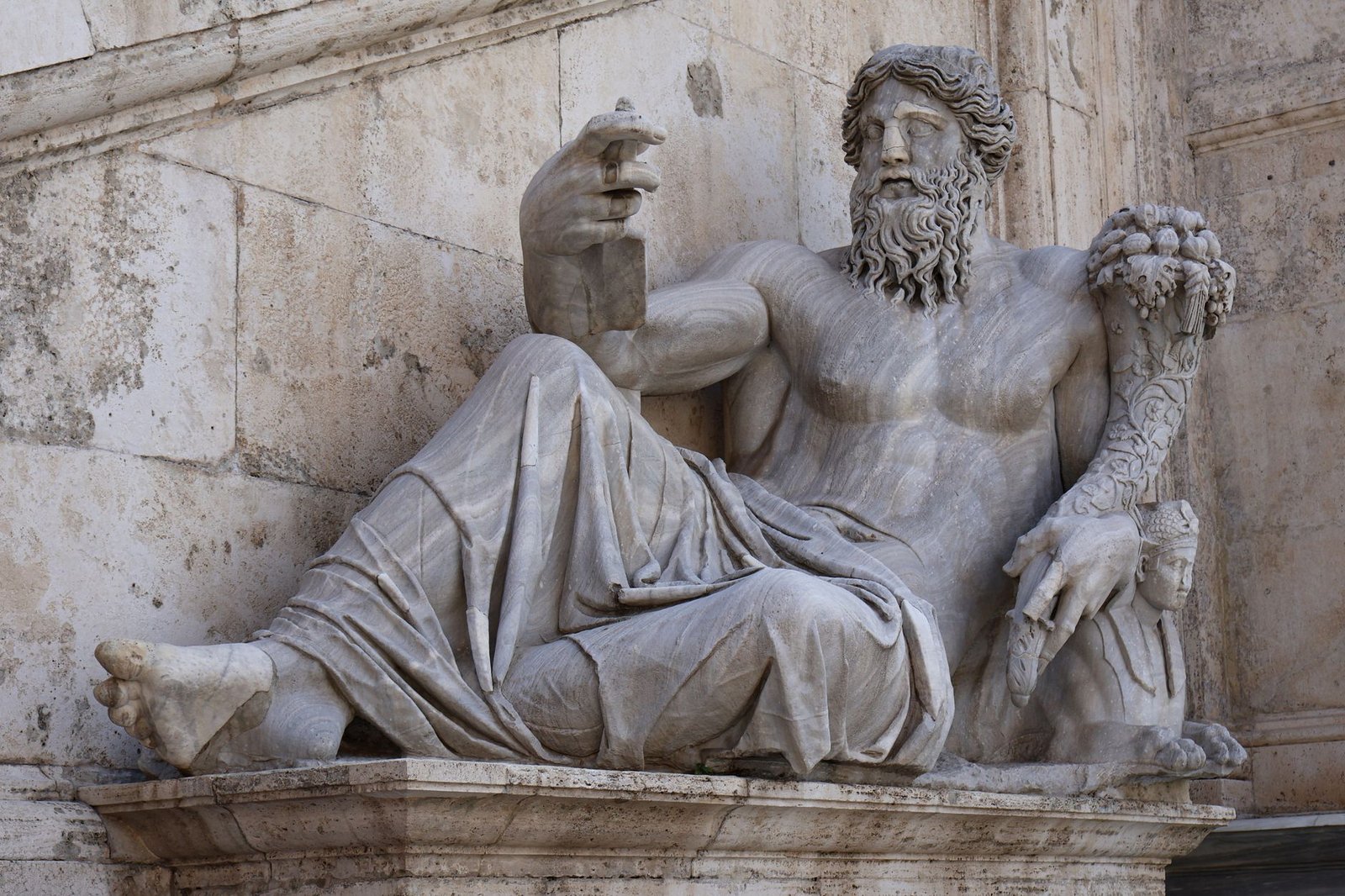
Jupiter: Roman God of Sky, Thunder, and Kingship
Jupiter, the chief god of ancient Rome, embodied sovereignty, law, oath-taking, and the protection of the state, while also ruling the sky, thunder, and lightning. Though often compared with Zeus, Jupiter emerged from an older Italic tradition, and his cult reveals how Roman religion linked divine authority with public order, military power, and the destiny of the city.
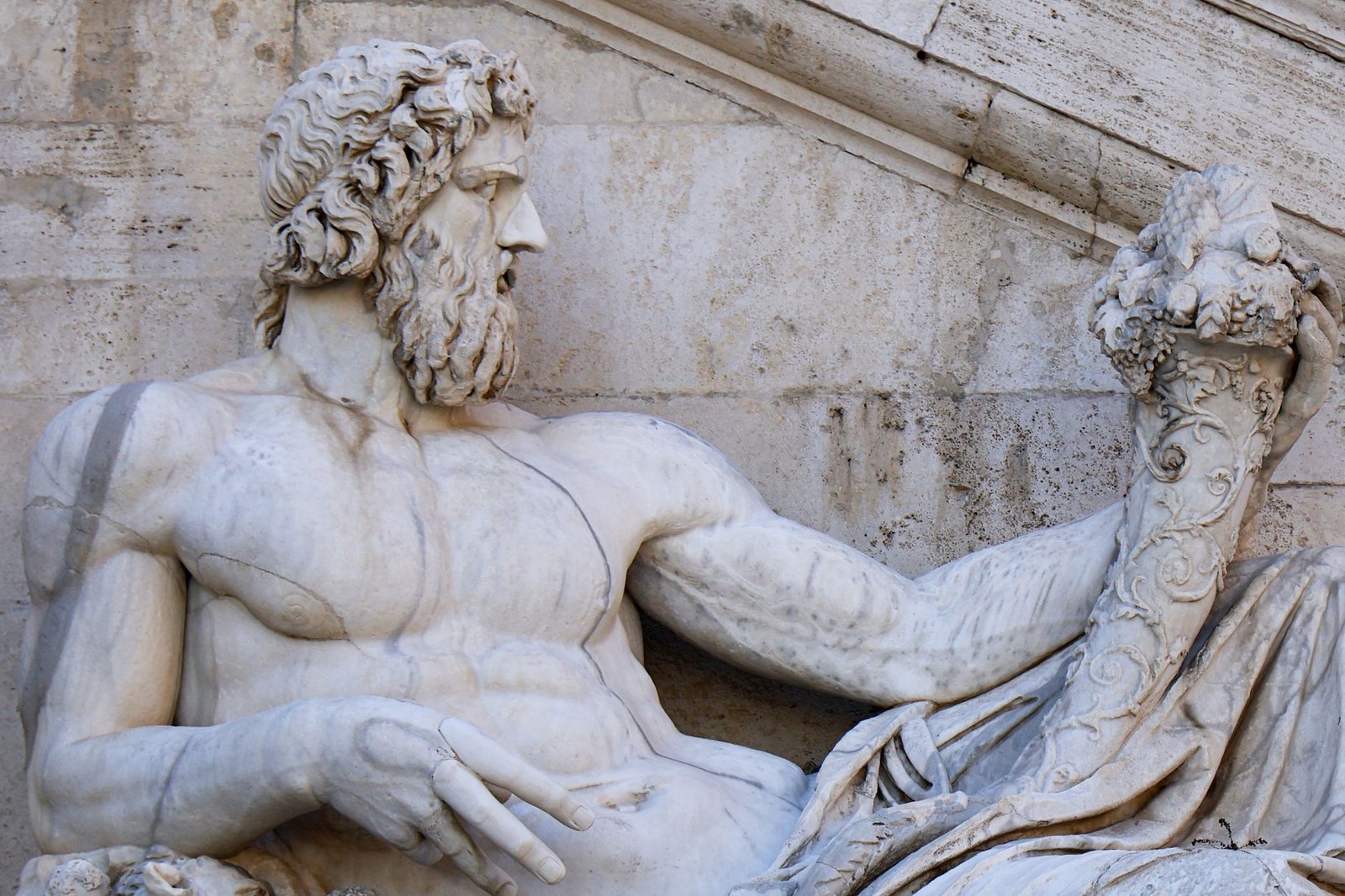
Mars (Roman God): Meaning, Myths, and Worship
Mars (Roman god) was among the most important figures in the Roman pantheon, revered not only as a god of war but also as a protector of agriculture, civic order, and the state. His central role in Roman religion, myth, and imperial identity, from the story of Romulus and Remus to the rituals that marked the seasons and military campaigns, reveals a deity whose influence reached far beyond the battlefield.
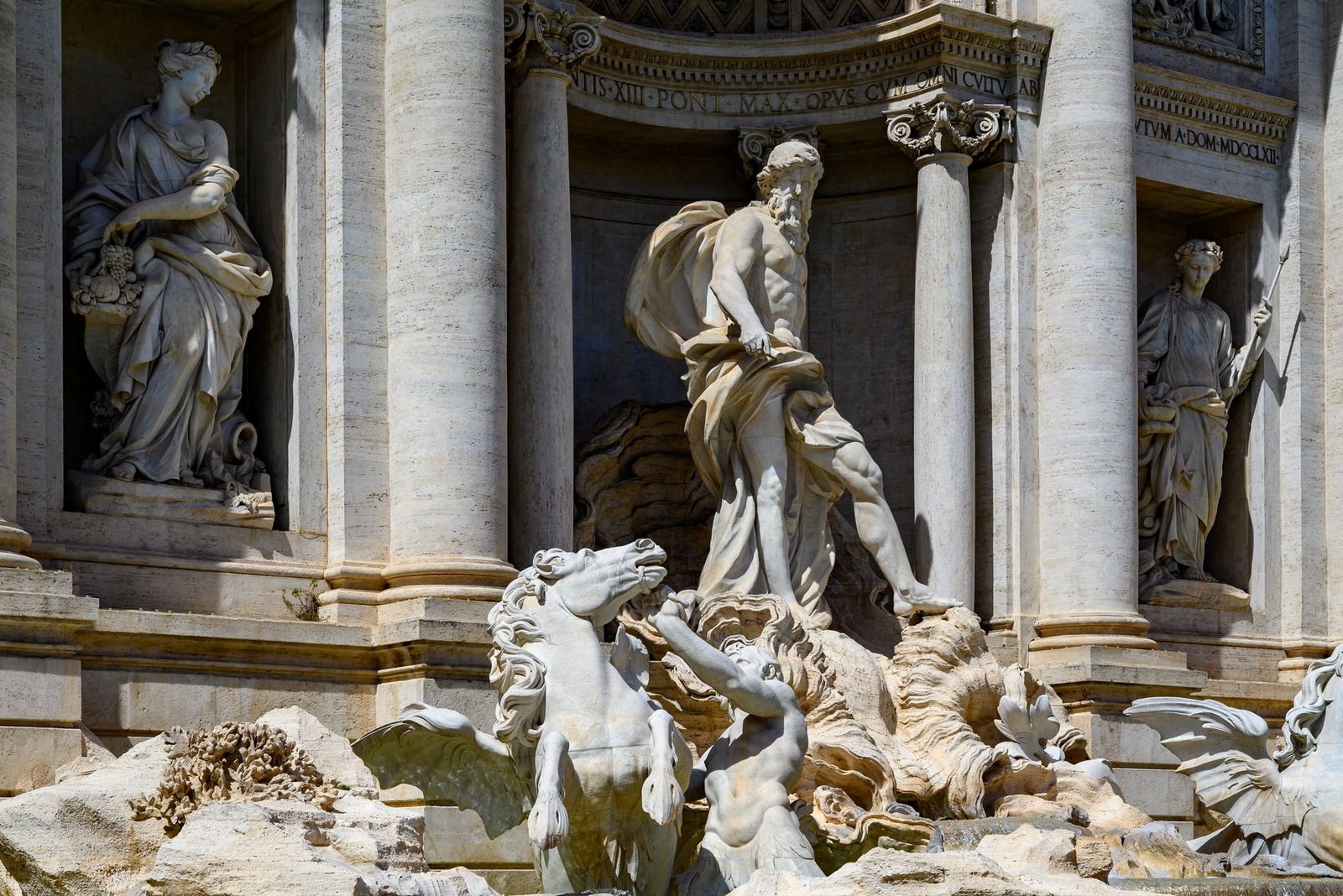
Mercury (Roman God): Roman Mythology and God of Commerce
Mercury was one of the most important gods in the Roman pantheon, linked to trade, travel, eloquence, negotiation, and the swift exchange of goods and messages. Though often identified with Hermes, Mercury developed a distinctly Roman character shaped by commerce, civic life, and his enduring role as both divine messenger and guide across boundaries.
Flora: Definition, Types, and Ecological Importance
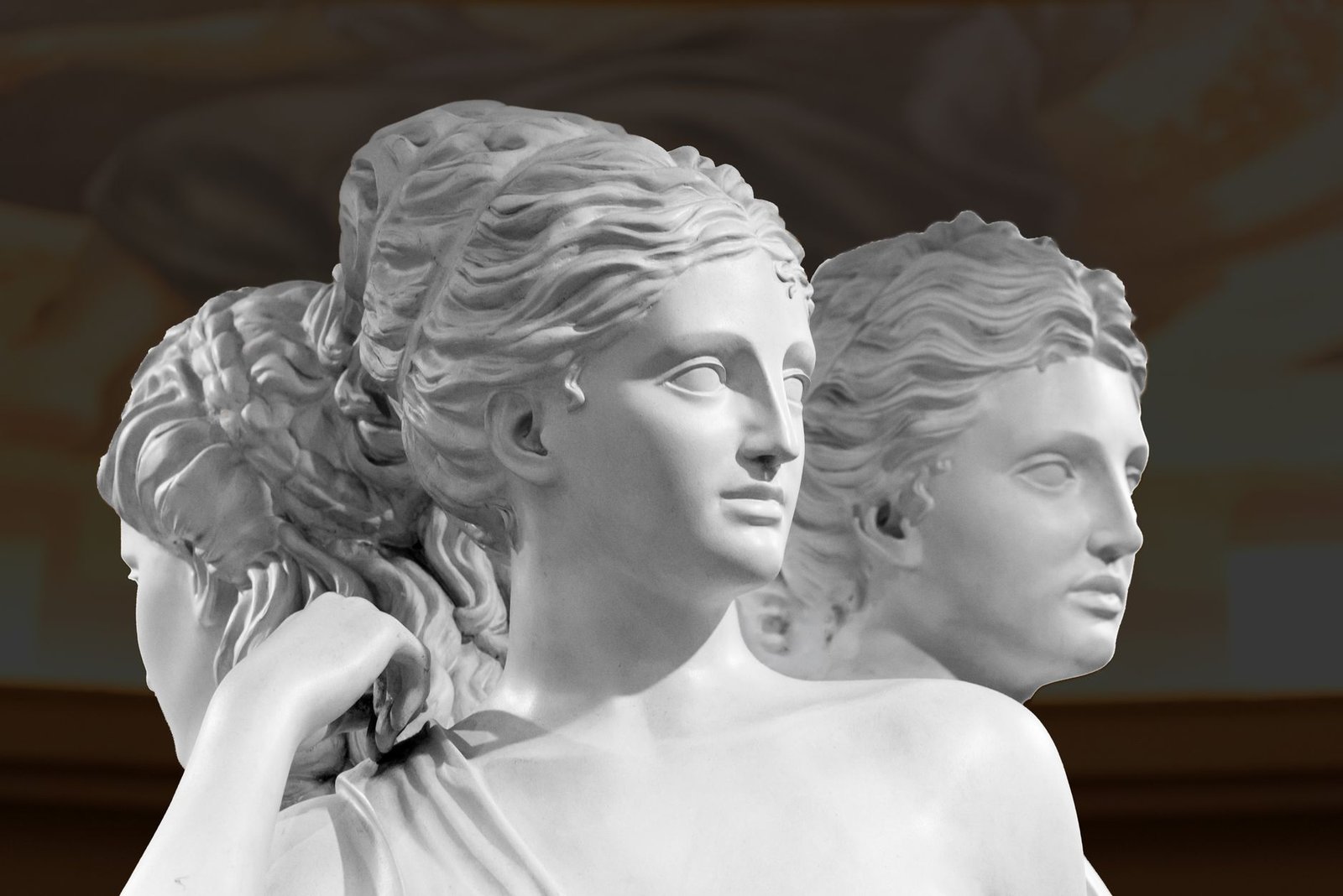
Flora, the Roman goddess of flowers, blossoms, spring, and fertility, embodies the renewal of nature after winter and the abundance that follows growth. This article traces her origins, the significance of the Floralia, and her lasting influence in art, literature, and the modern use of flora to describe a region’s plant life.
Quirinus: Roman God of War and State
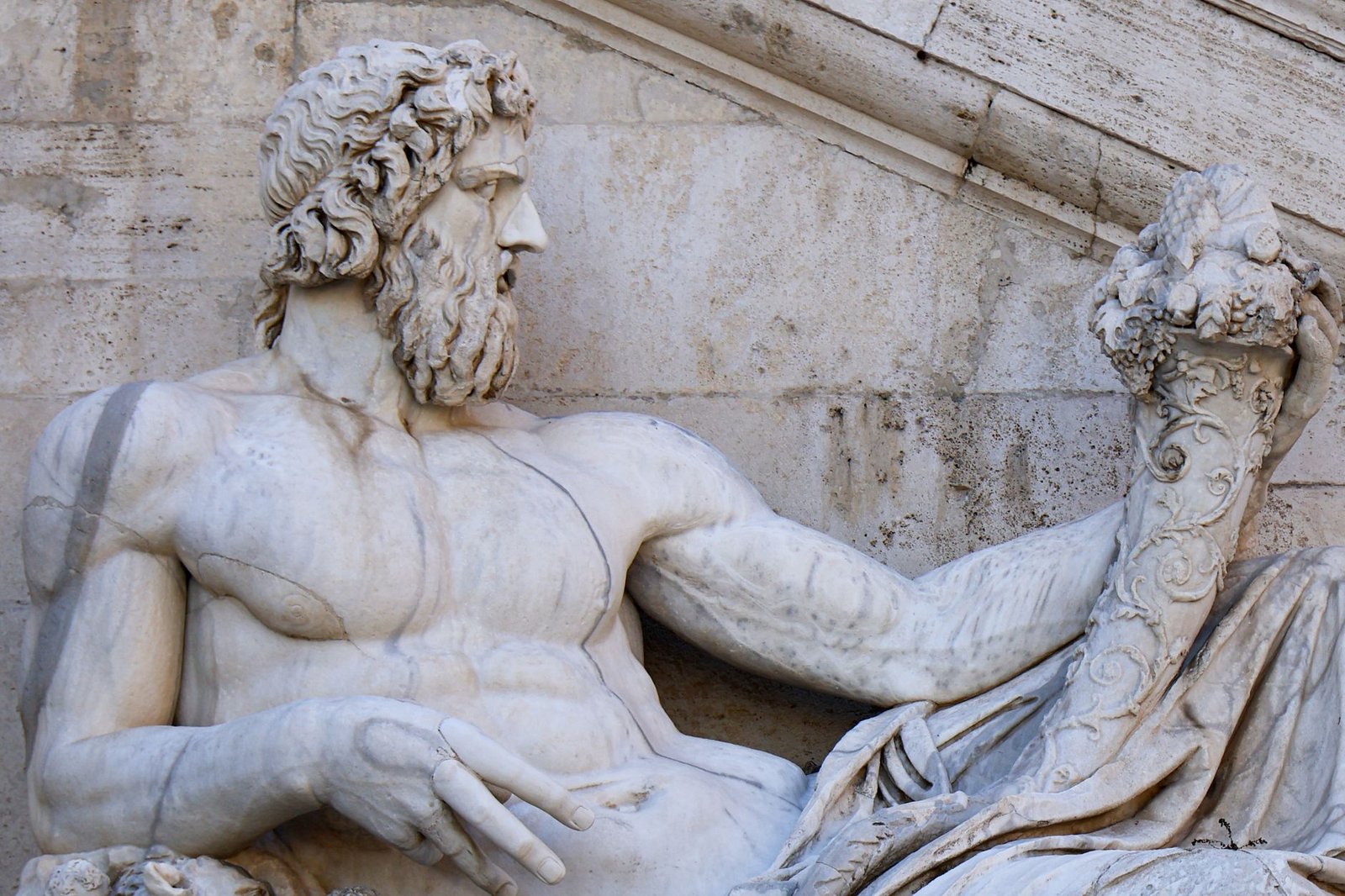
Quirinus is a major yet elusive figure in Roman religion, associated with the Roman state, civic identity, armed power, and the Quirinal hill. Later equated with the deified Romulus, he may also preserve an older divine role linked to citizenship, fertility, and communal order, raising questions that continue to shape scholarly debate.
How Many Major Roman Gods Are There? A Complete Guide
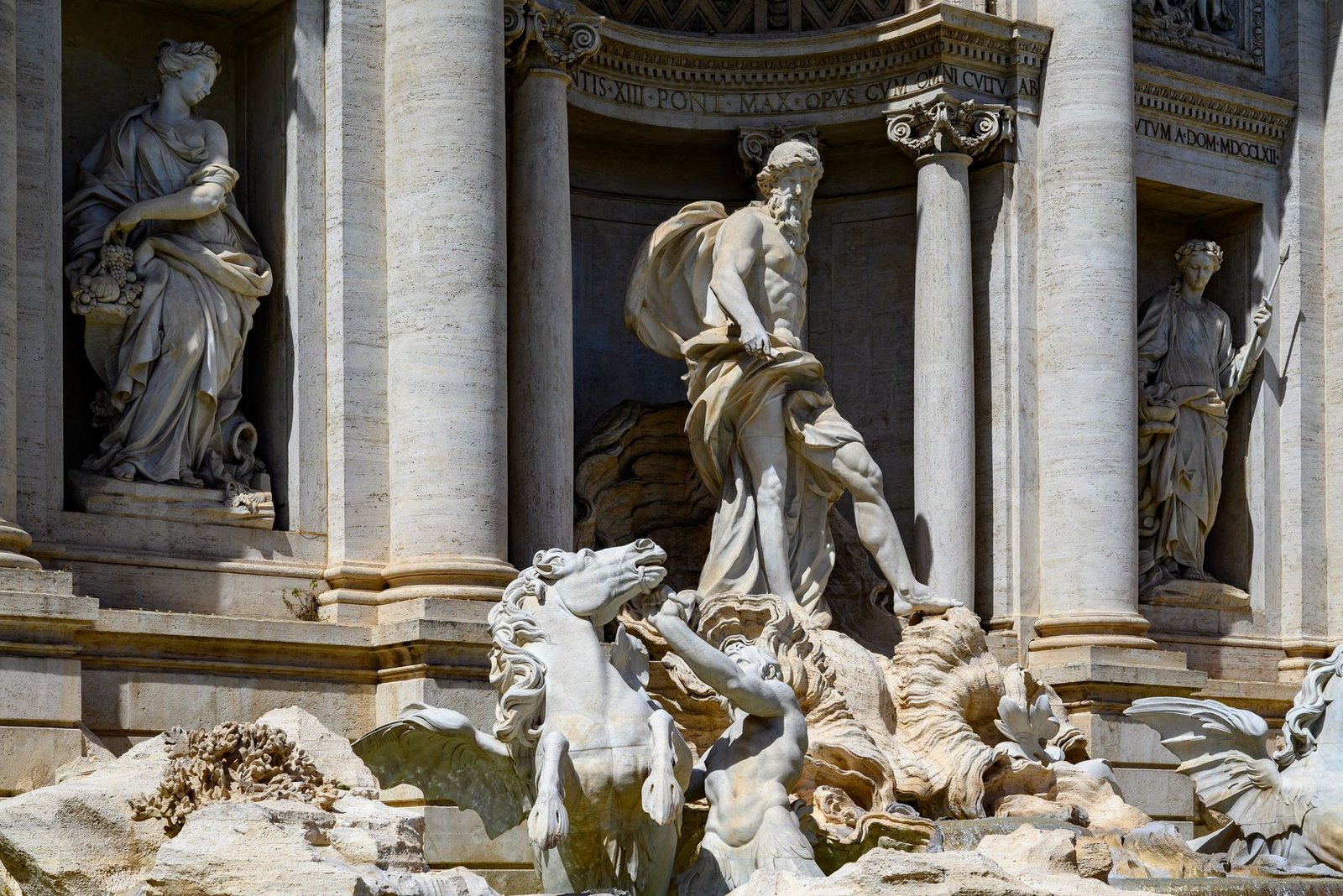
How many major Roman gods are there? The answer depends on the tradition, but the most common count is twelve, the Dii Consentes, while Roman religion also recognized many other important deities, spirits, and local powers. This article explains how Romans classified divine authority and why the pantheon remained flexible rather than fixed.

The Twelve Dii Consentes: Roman Gods and Goddesses
The Twelve Dii Consentes were the principal gods of Roman religion, a prestigious council of twelve deities broadly aligned with the Greek Olympians but shaped by Roman custom and political life. This article traces their origin, meaning, and changing composition, showing how these gods reflected Roman ideas of divine order, public worship, and cultural adaptation.
King of the Roman Gods: Jupiter in Roman Mythology
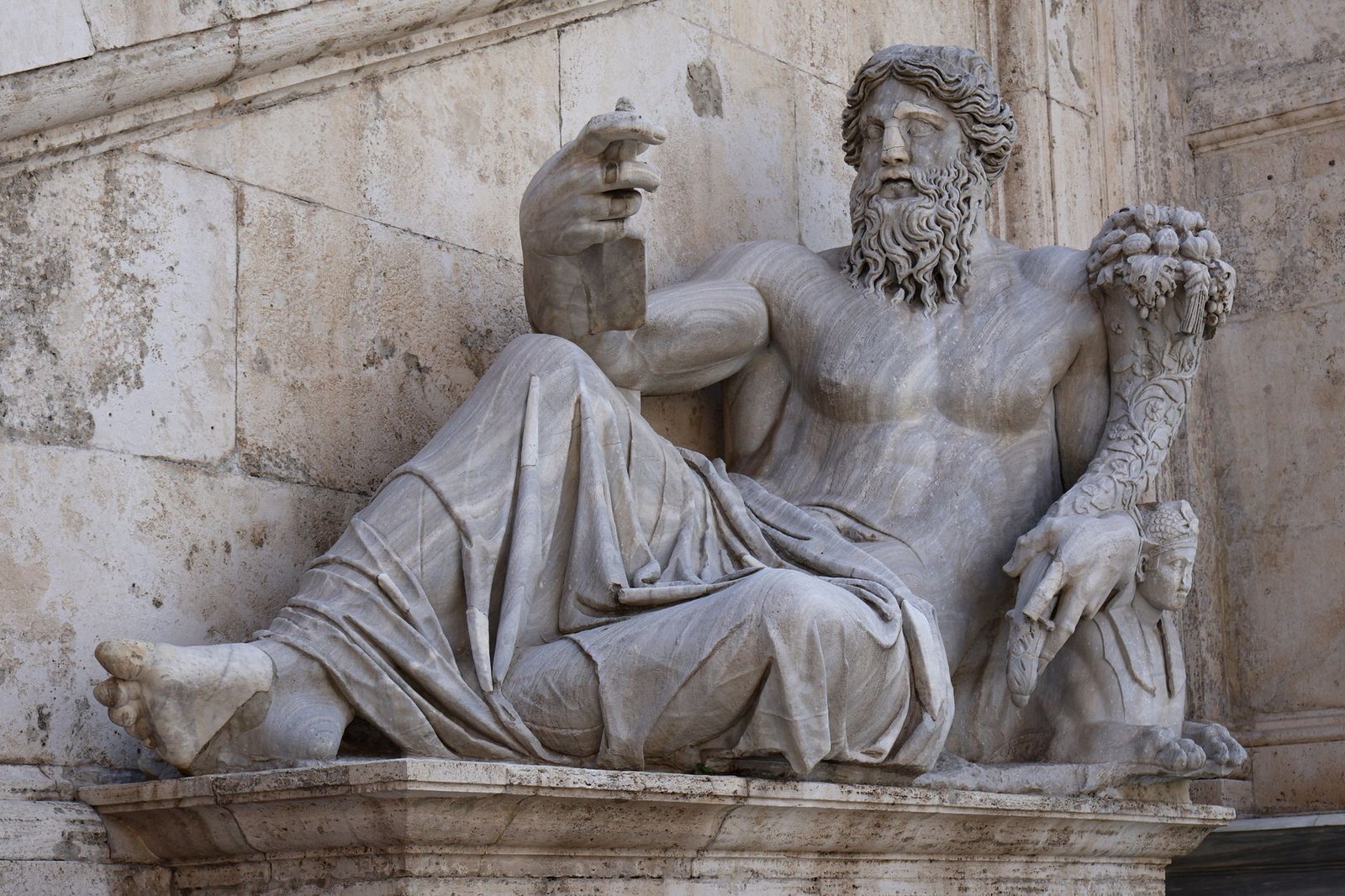
King of the Roman gods, Jupiter stood at the center of Roman religion as ruler of the sky, guardian of oaths, and protector of the state. This article traces his ancient origins, his role in law and power, and the lasting influence that made him one of Rome’s most enduring divine figures.

Di Indigetes vs. Di Novensiles: Roman Deities Explained
The contrast between Di Indigetes vs Di Novensiles reveals how Romans distinguished between ancestral gods rooted in their own tradition and deities introduced later into the pantheon. Exploring these categories sheds light on Roman ideas of religious authority, cultural continuity, and the adaptation of foreign cults.