Roman Mythology
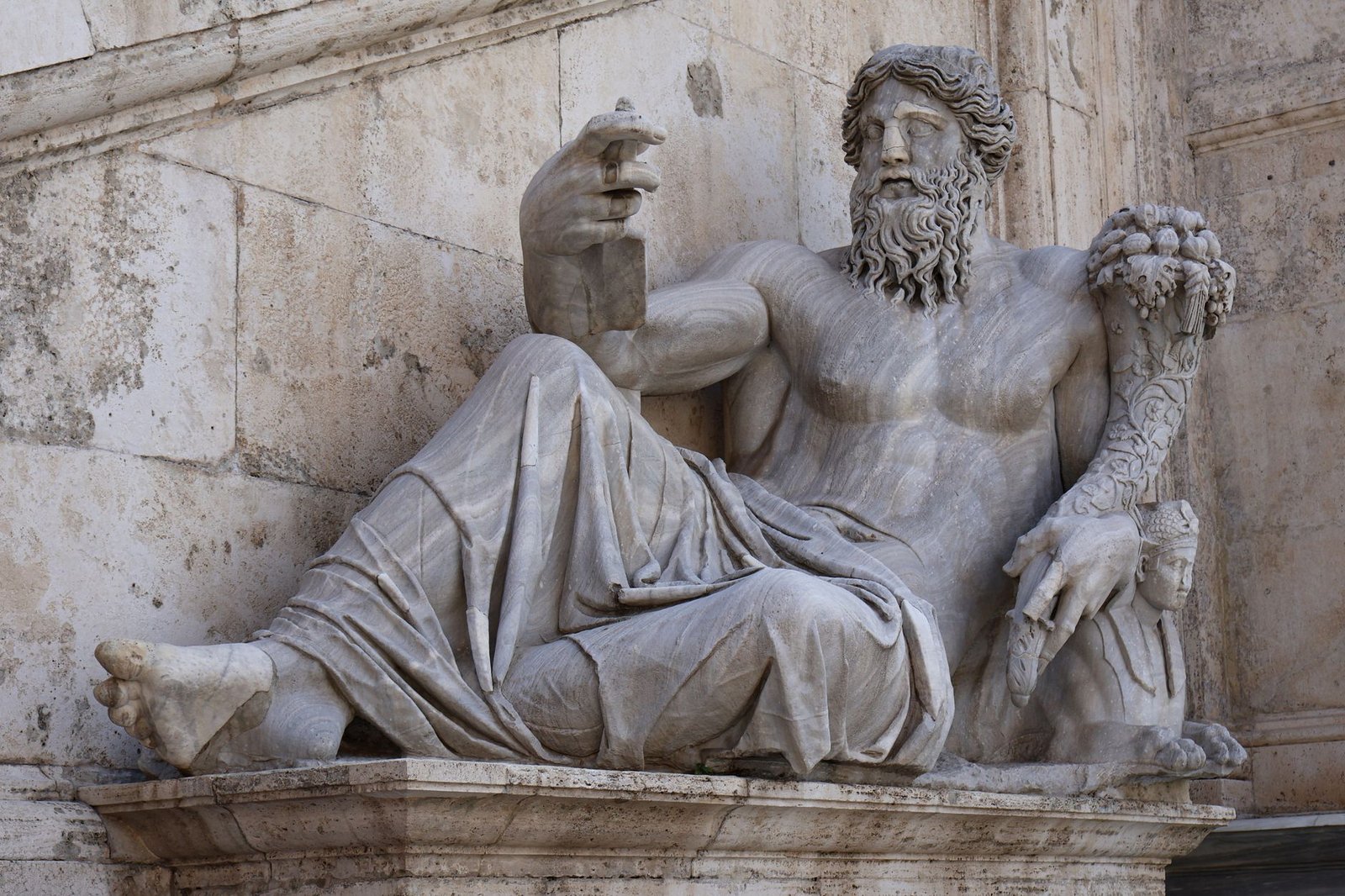
Jupiter: Roman God of Sky, Thunder, and Kingship
Jupiter, the chief god of ancient Rome, embodied sovereignty, law, oath-taking, and the protection of the state, while also ruling the sky, thunder, and lightning. Though often compared with Zeus, Jupiter emerged from an older Italic tradition, and his cult reveals how Roman religion linked divine authority with public order, military power, and the destiny of the city.
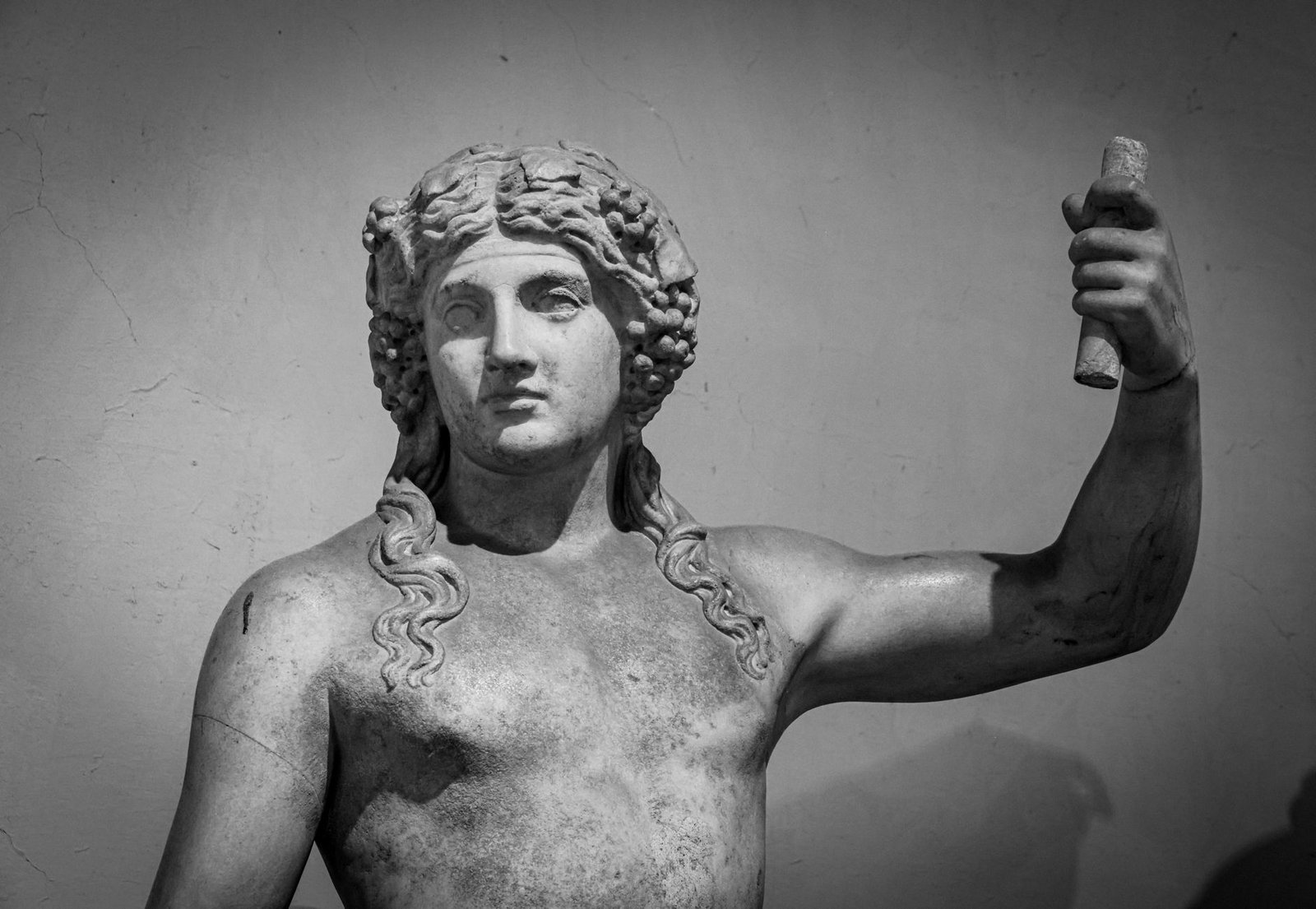
Juno: Roman Goddess of Marriage and Queenship
Juno is one of the most important deities in Roman religion and mythology, revered as queen of the gods, protector of marriage, and guardian of the Roman state. This article explores her ancient origins, shifting meanings, and enduring influence in Roman worship, showing how Juno united sovereignty, fertility, and female authority in one complex figure.
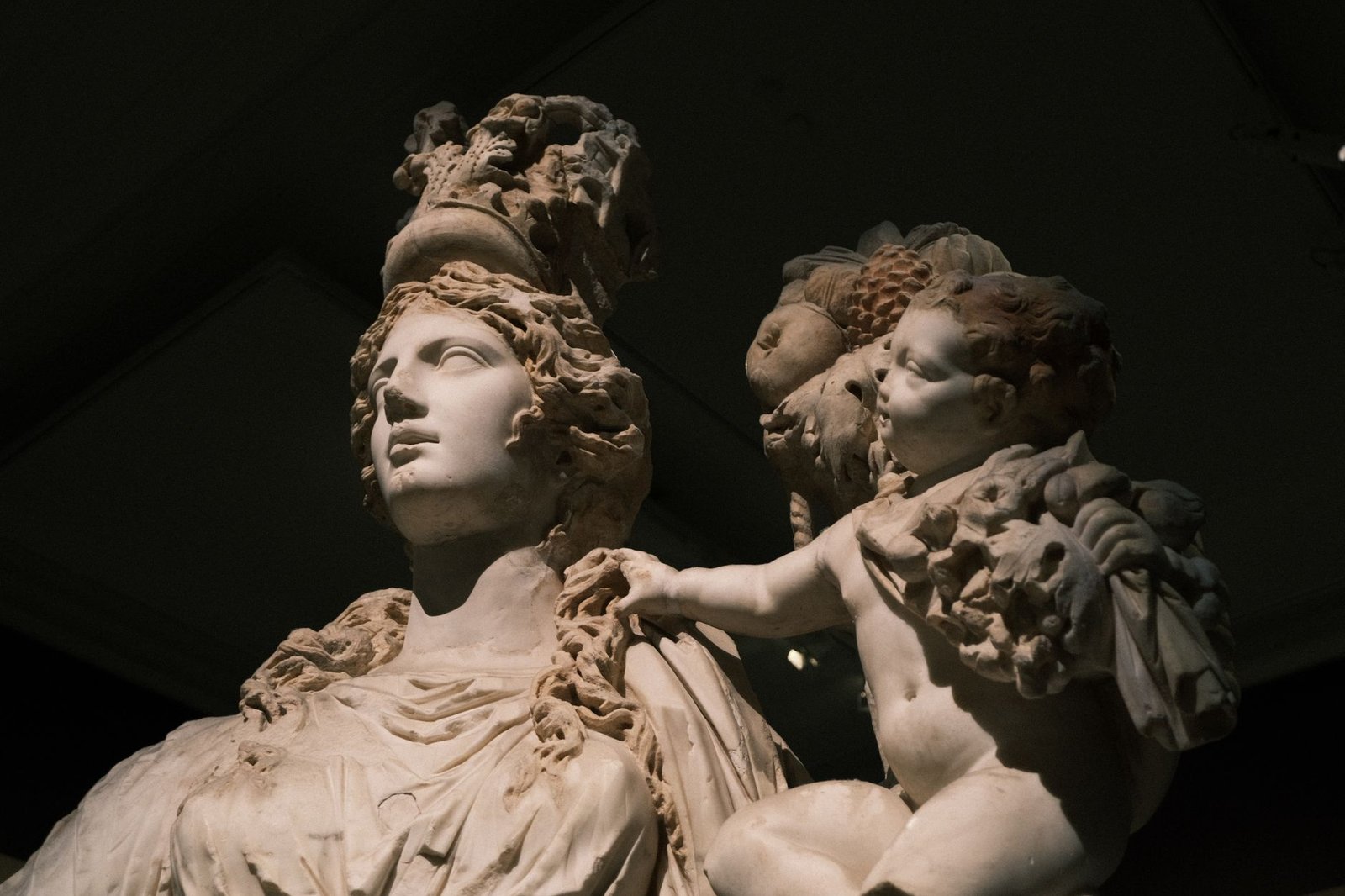
Minerva: Roman Goddess of Wisdom and War
Minerva is a major deity of Greco-Roman religion, revered in Roman tradition as the goddess of wisdom, strategic warfare, crafts, learning, and disciplined action. This article explores her uncertain origins, her role in Roman public life and ritual, and the enduring influence that made Minerva a lasting symbol of intellect, protection, and cultural identity.
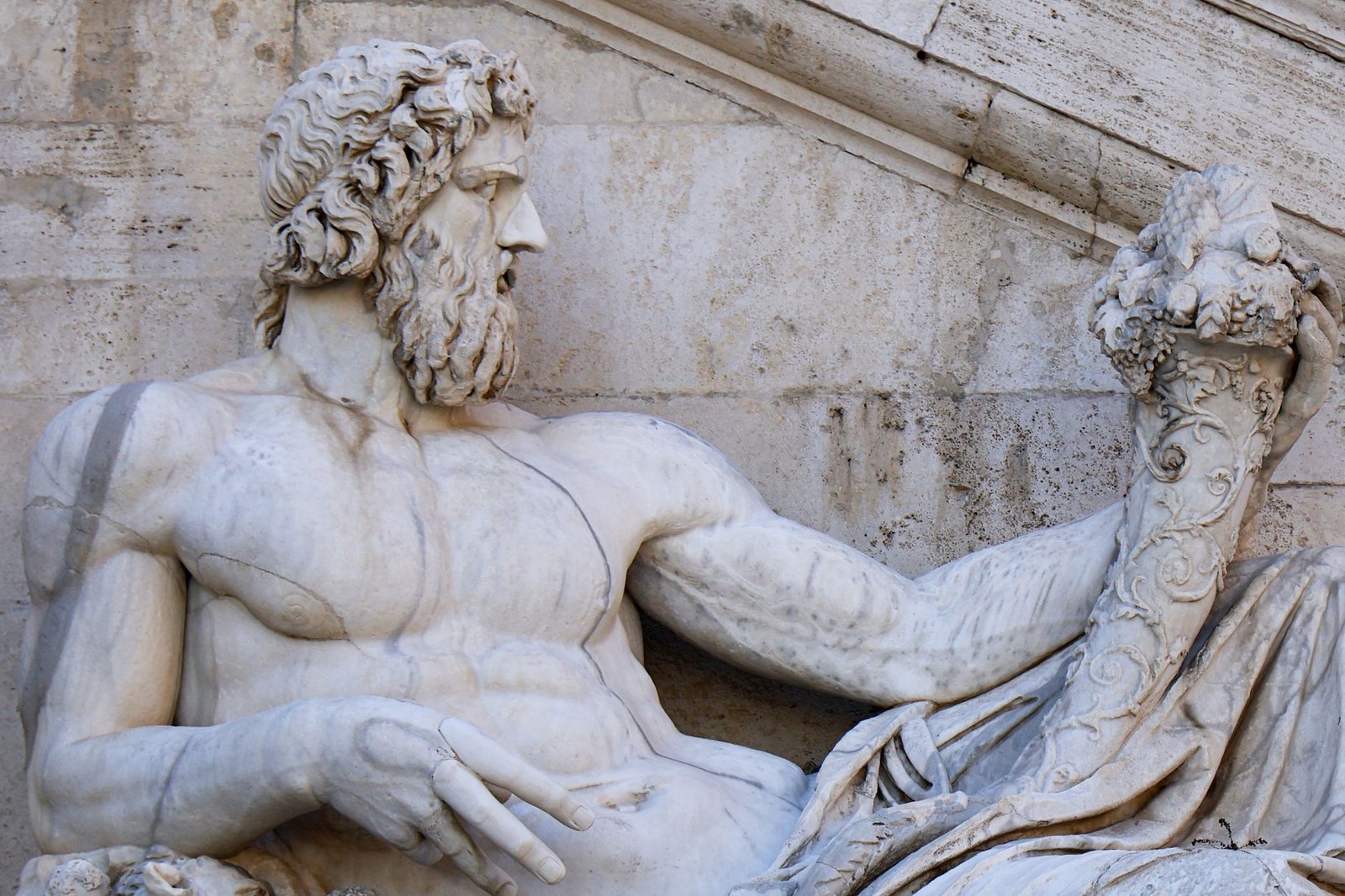
Mars (Roman God): Meaning, Myths, and Worship
Mars (Roman god) was among the most important figures in the Roman pantheon, revered not only as a god of war but also as a protector of agriculture, civic order, and the state. His central role in Roman religion, myth, and imperial identity, from the story of Romulus and Remus to the rituals that marked the seasons and military campaigns, reveals a deity whose influence reached far beyond the battlefield.
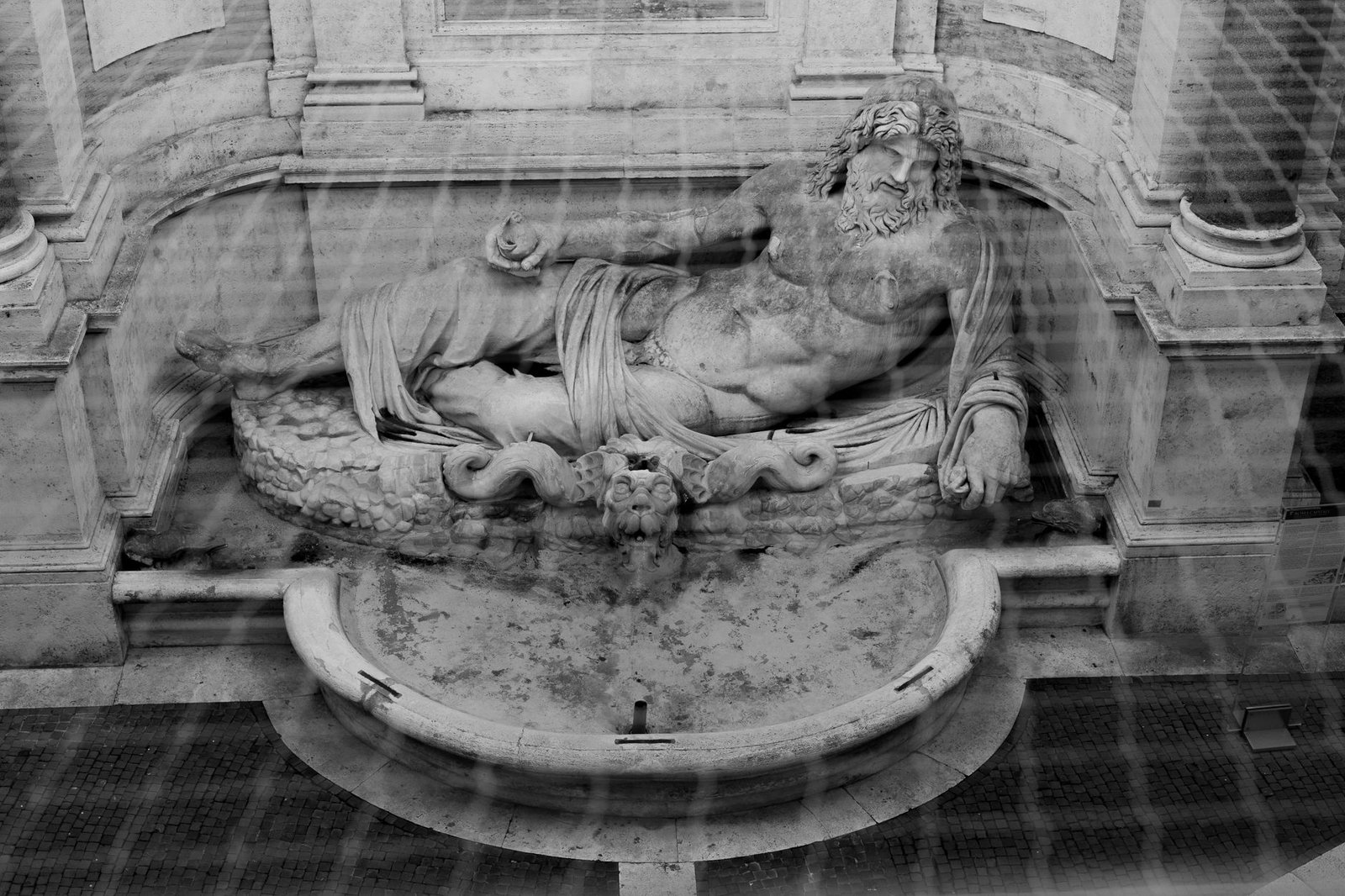
Neptune (Roman God): Roman God of the Sea and Water
Neptune (Roman god) was a major Roman deity of fresh waters, the sea, and horses, later identified with the Greek Poseidon. His history reveals a more complex origin than that of a simple sea god, linking him to springs, rivers, navigation, and the practical needs of Roman life.
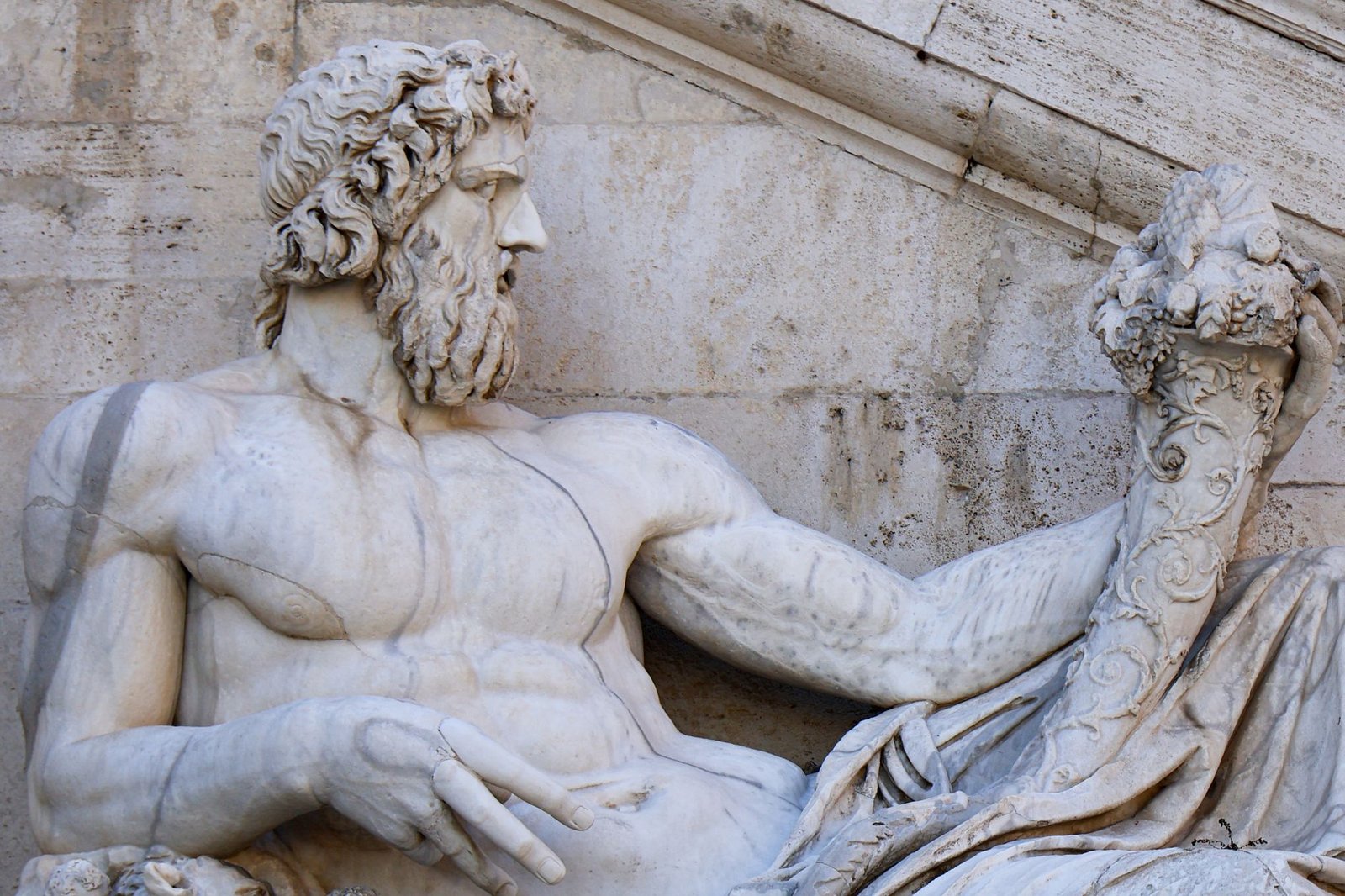
Vulcan: Roman God of Fire, Forge, and Volcanoes
Vulcan, the Roman god of fire, metalworking, and the forge, embodies both the destructive force of flames and the skilled craft that turns heat into tools, weapons, and art. This article traces his uncertain origins, his place in Roman religion and the Volcanalia festival, and his later identification with Hephaestus, revealing a deity central to ancient beliefs about danger and invention.
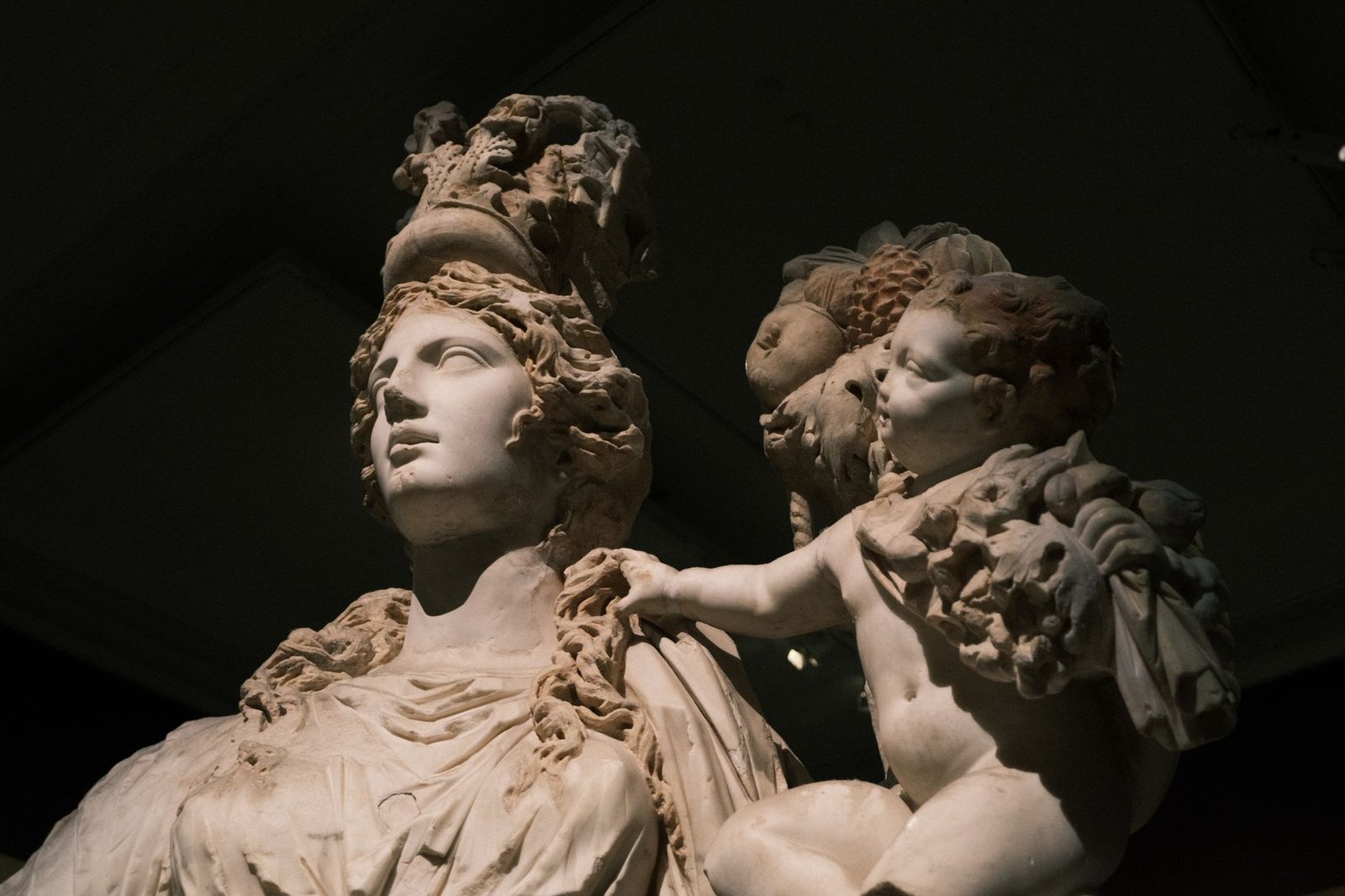
Bellona: Roman Goddess of War and Mythology
Bellona is the ancient Roman goddess of war, associated with battle, military fury, and the violent force that accompanied conquest in Roman religion and politics. Her name, linked to *bellum*, reflects a complex history of Italic tradition, cult practice, and later symbolism that reveals how Romans understood war itself.
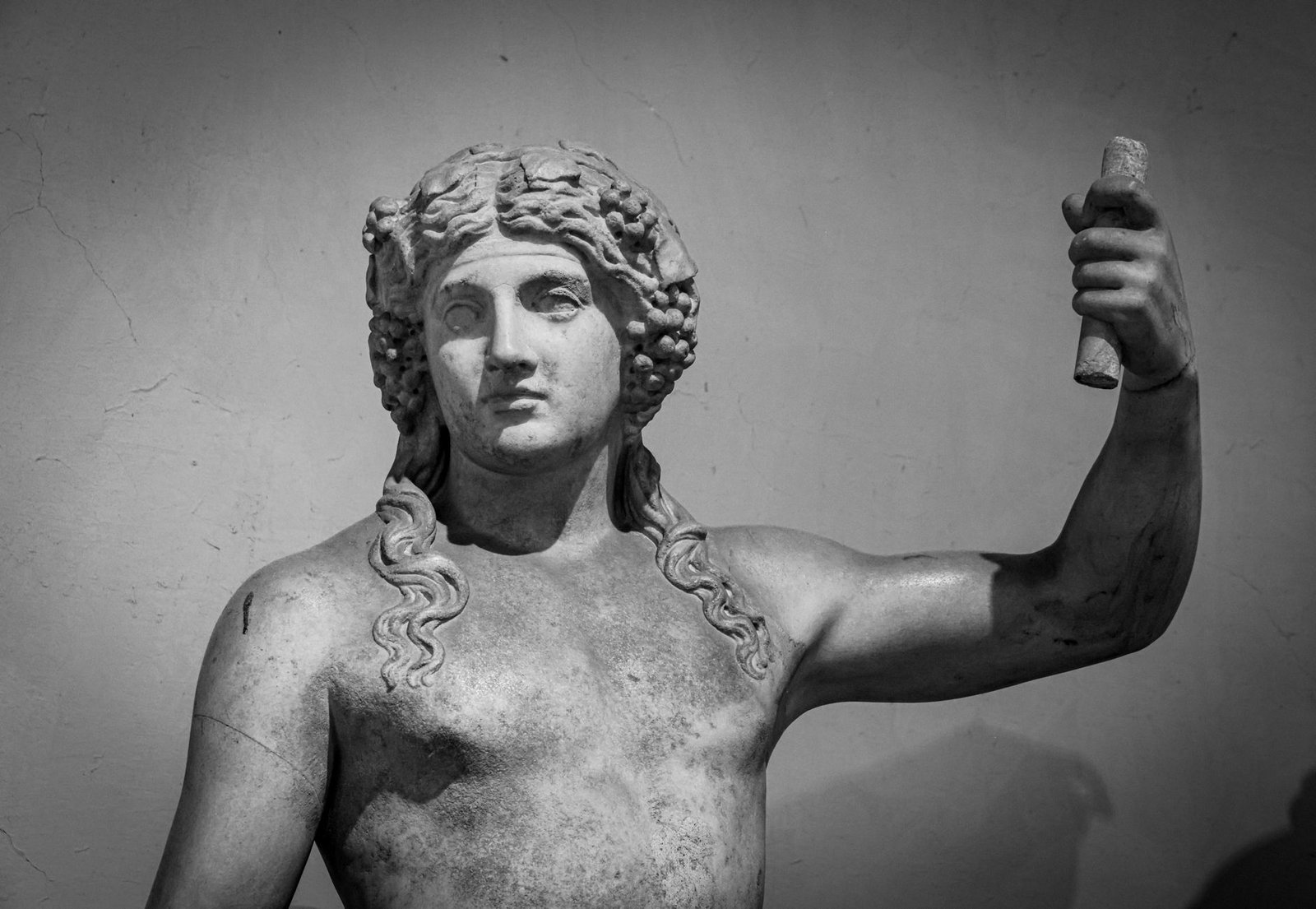
Venus: Roman Goddess of Love, Beauty, and Fertility
Venus (Roman god) was among the most influential figures in Roman religion, embodying love, beauty, fertility, prosperity, and the life-giving powers that shaped both private devotion and public life. This article traces her origins, evolving cult, and political importance, showing how Romans linked Venus to their own identity, divine favor, and enduring cultural imagination.
Cupid: Mythology, Symbolism, and Cultural Significance
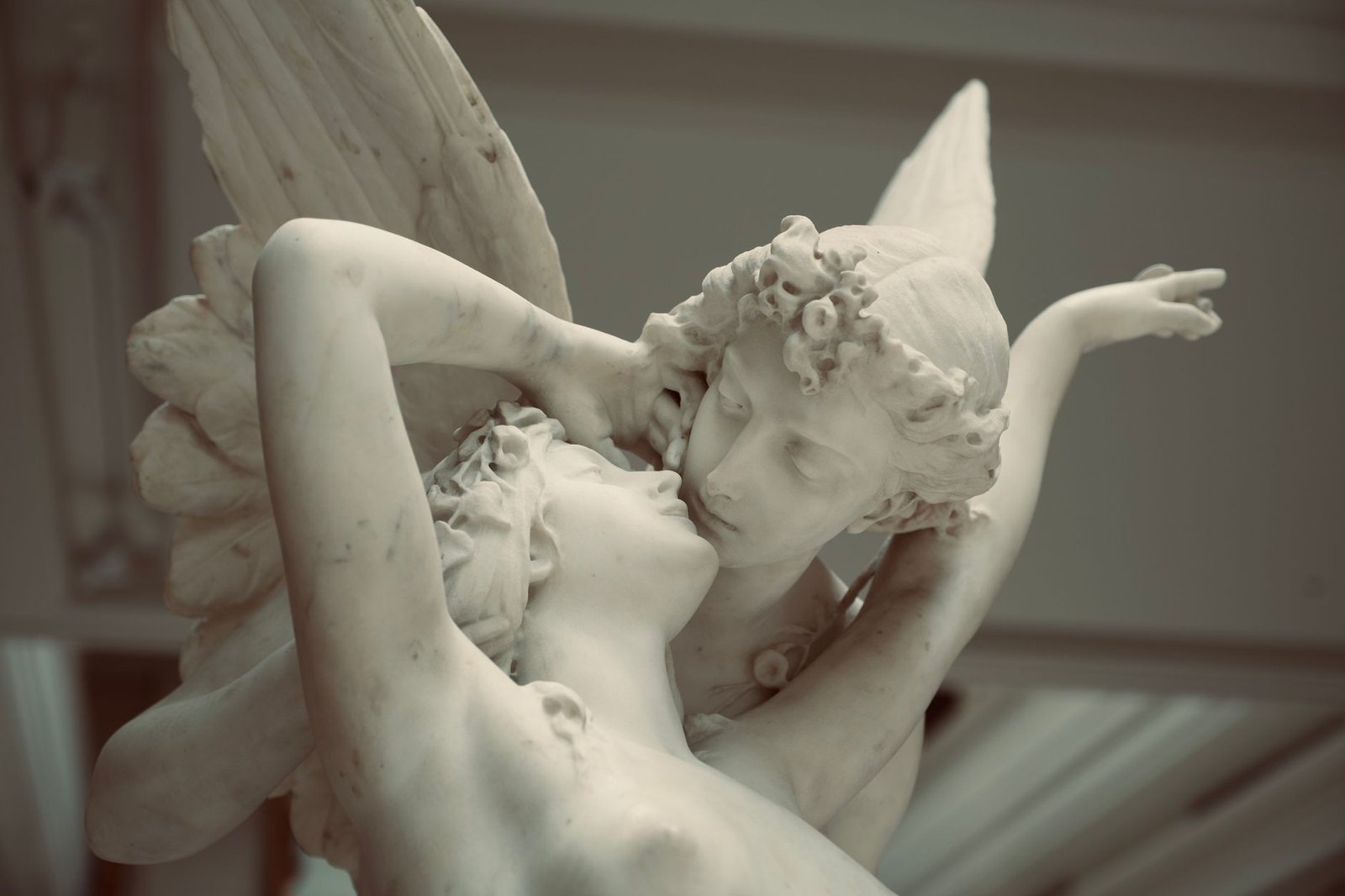
Cupid is one of the most enduring figures in Greco-Roman mythology, representing desire, affection, and the mysterious force of romantic attraction. From his origins as Eros and the Roman Cupido to the familiar winged archer of Valentine’s Day, his story reveals how ancient myth evolved into a lasting symbol of love.
Psyche: Greek Goddess of the Soul and Mythology
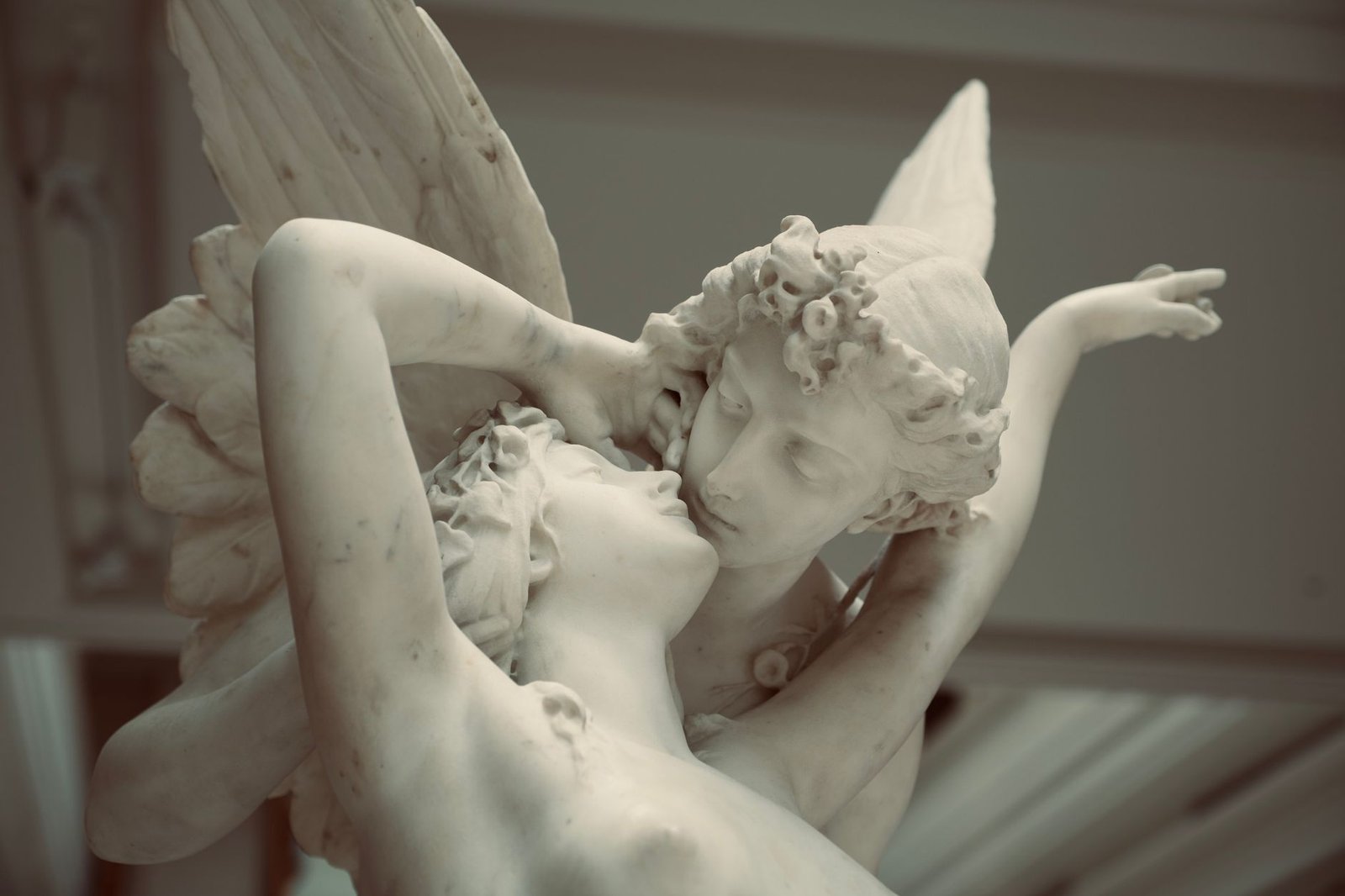
Psyche is a central figure in Greek mythology and a lasting symbol of the soul, whose story of love, loss, and transformation has shaped Western literature, philosophy, and art. From her origin as the “breath of life” to her union with Eros and eventual immortality, the myth of Psyche reveals why her name remains important in both ancient tradition and modern thought.