Roman Mythology
Luna: Meaning, Origin, and Cultural References
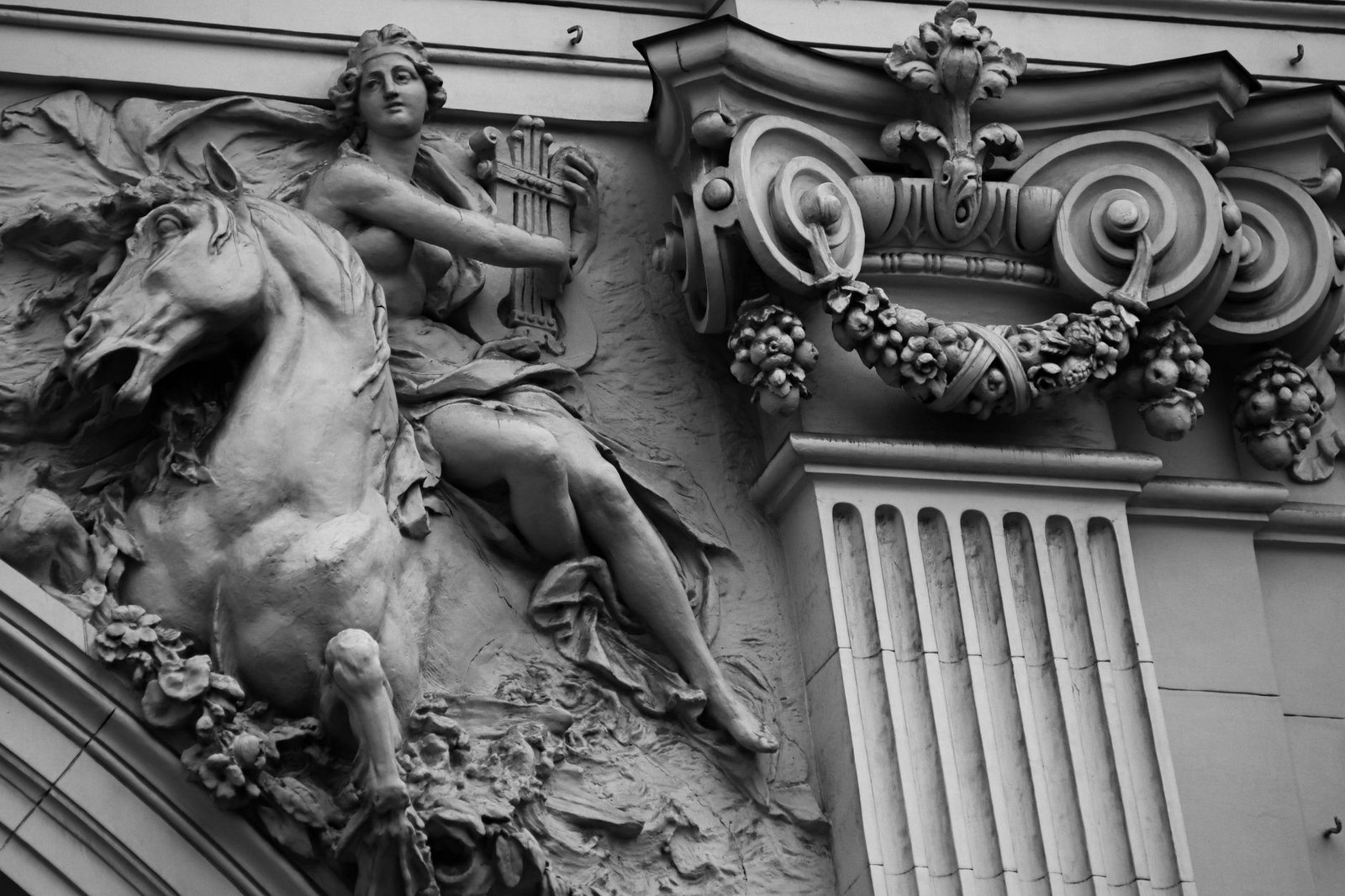
Luna, the Roman goddess of the Moon, embodied both the visible celestial body and the divine forces linked to time, fertility, night, and the changing cycles of nature. Her role in Roman religion, literature, and art reveals a distinct identity shaped by ritual practice and symbolism, inviting closer comparison with other moon deities across the ancient world.
Aurora: Definition, Causes, and Types Explained
Aurora is the Roman goddess of dawn, the divine personification of the first light that ends night and announces the day. Rooted in ancient Indo-European tradition and mirrored by Greek Eos, she appears throughout classical poetry, art, and myth as a symbol of renewal—yet her story reveals far more than a simple morning image.
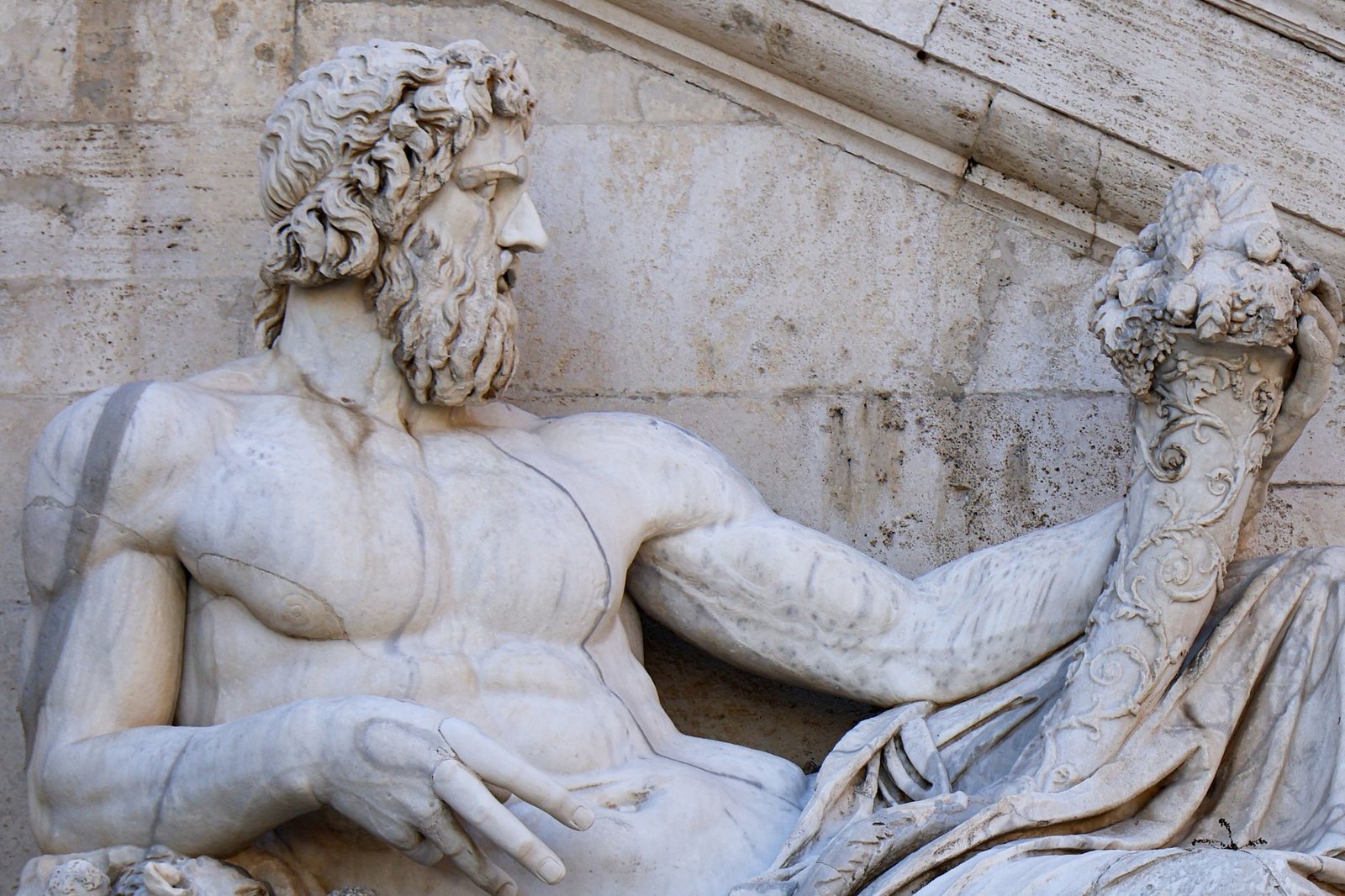
Pluto (Roman God): Roman God of the Underworld
Pluto, the Roman god of the underworld, the dead, and the hidden wealth beneath the earth, occupies a central place in ancient religion and myth. This article explores his origins, his relationship to Hades, and the enduring symbolism that links death, burial, and subterranean abundance.
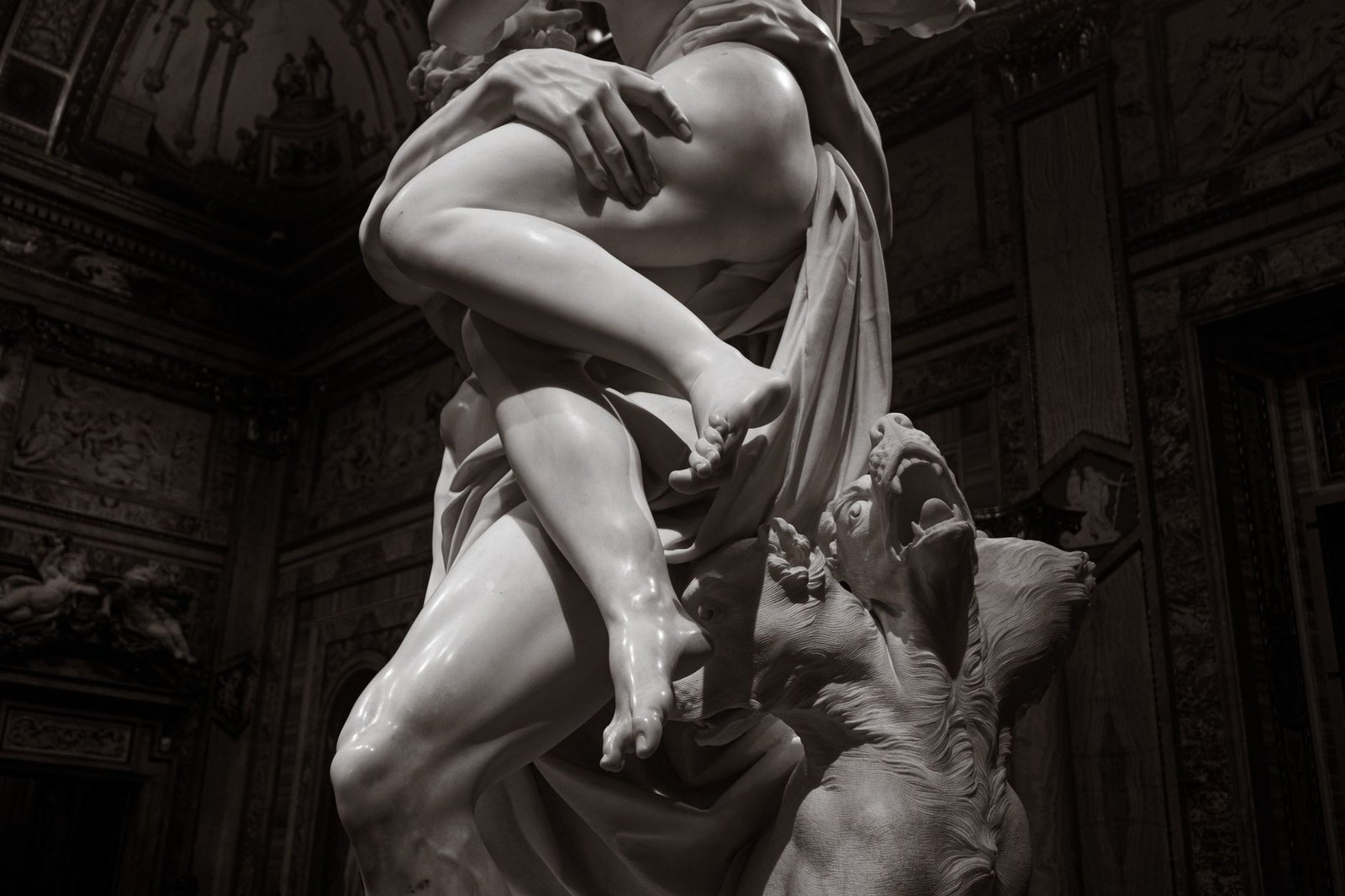
Proserpina: Roman Goddess of Spring and the Underworld
Proserpina is a central figure in Roman religion and mythology, the goddess whose descent to the underworld and return each year were used to explain the changing seasons, fertility, and the uneasy boundary between life and death. As the Roman counterpart of Persephone, she appears in ritual, literature, and art, and her story reveals how ancient thinkers linked the growth of crops to the hidden powers beneath the earth.
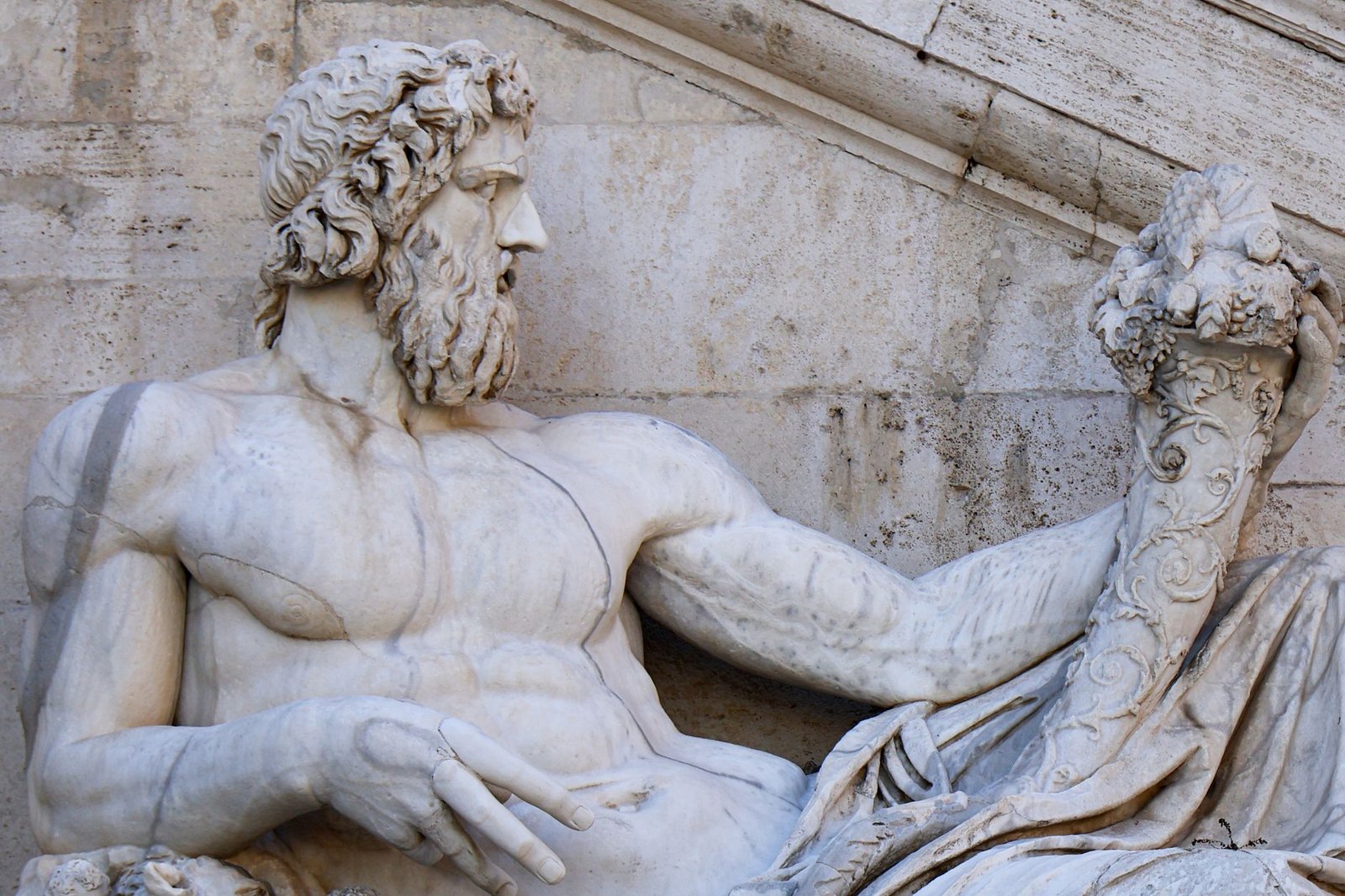
Saturn (Roman God): Roman Mythology and Agriculture
Saturn, the Roman god of agriculture, wealth, and time, stood at the center of some of Rome’s oldest religious traditions and its memory of a Golden Age of abundance. Often linked with Cronus yet rooted in Italian belief, Saturn’s cult, festivals, and uncertain origins reveal a deity far richer than later summaries suggest.
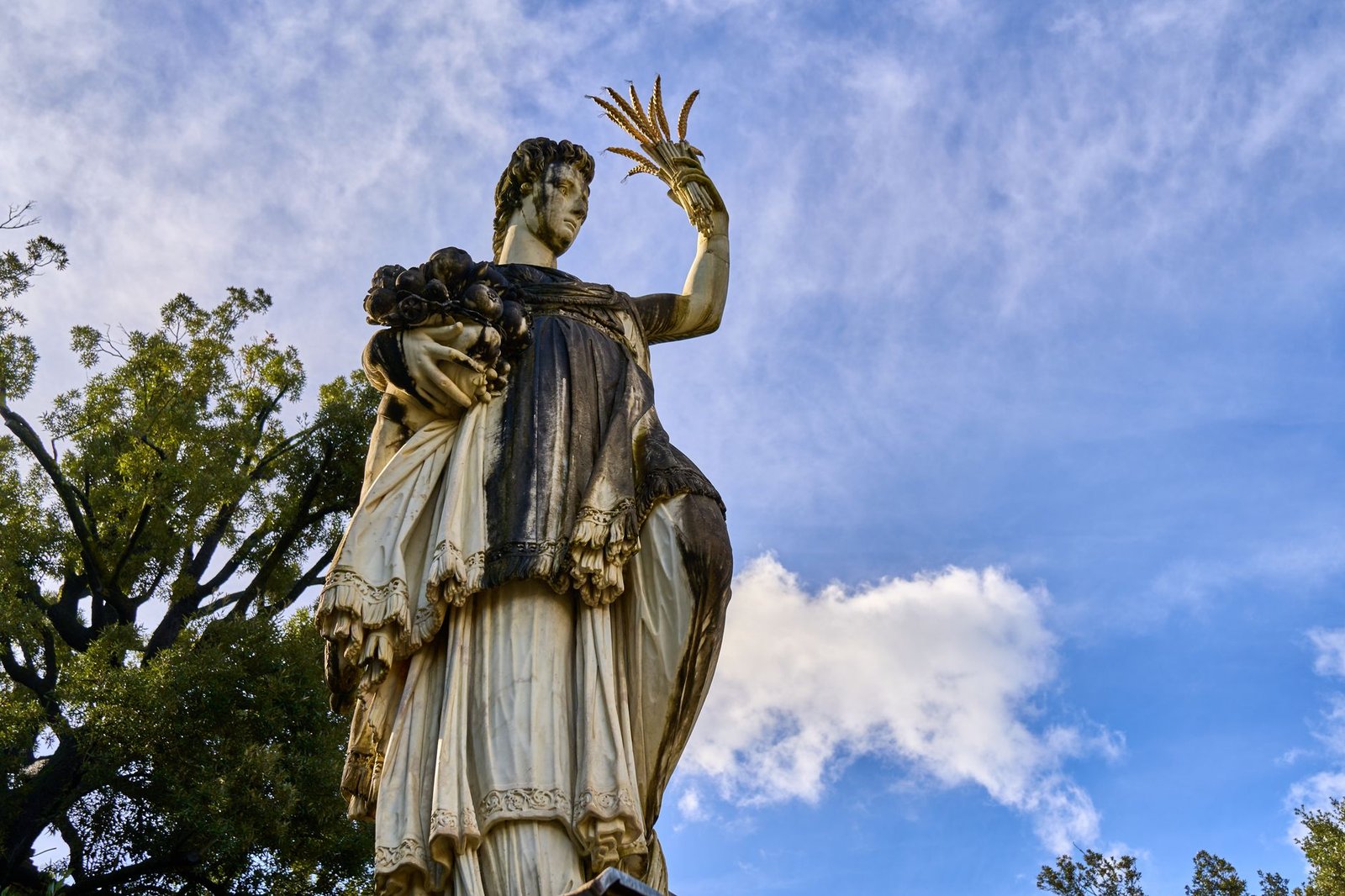
Ops: Definition, Meaning, and Uses in Computing
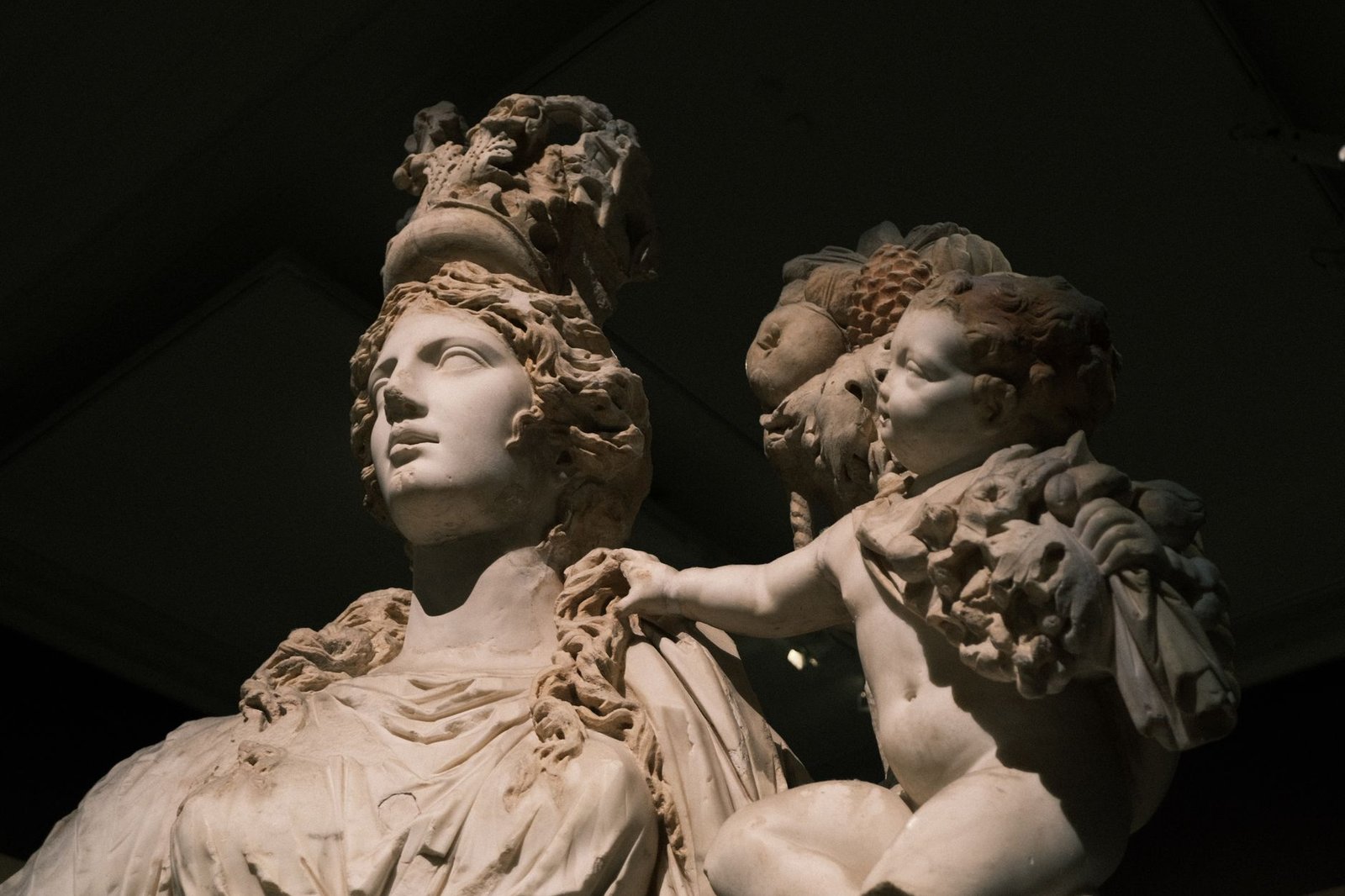
Ops is the Roman goddess of abundance, agricultural wealth, and the earth’s productive power, revered for the fertility, harvest, and prosperity that sustained Roman life. Closely linked with Saturn and the seasonal cycle, she also appears in rituals and festivals that reveal how deeply agriculture shaped Roman religion and civic identity.

Bacchus: Roman God of Wine and Celebration
Bacchus, the Roman god of wine, ecstasy, fertility, and theatrical release, stands at the crossroads of celebration and restraint in ancient religion. This article traces his Greek origins, Roman adaptation, and enduring influence in art and culture, revealing why Bacchus remains a powerful symbol of both pleasure and peril.
Janus: Roman God of Beginnings and Transitions
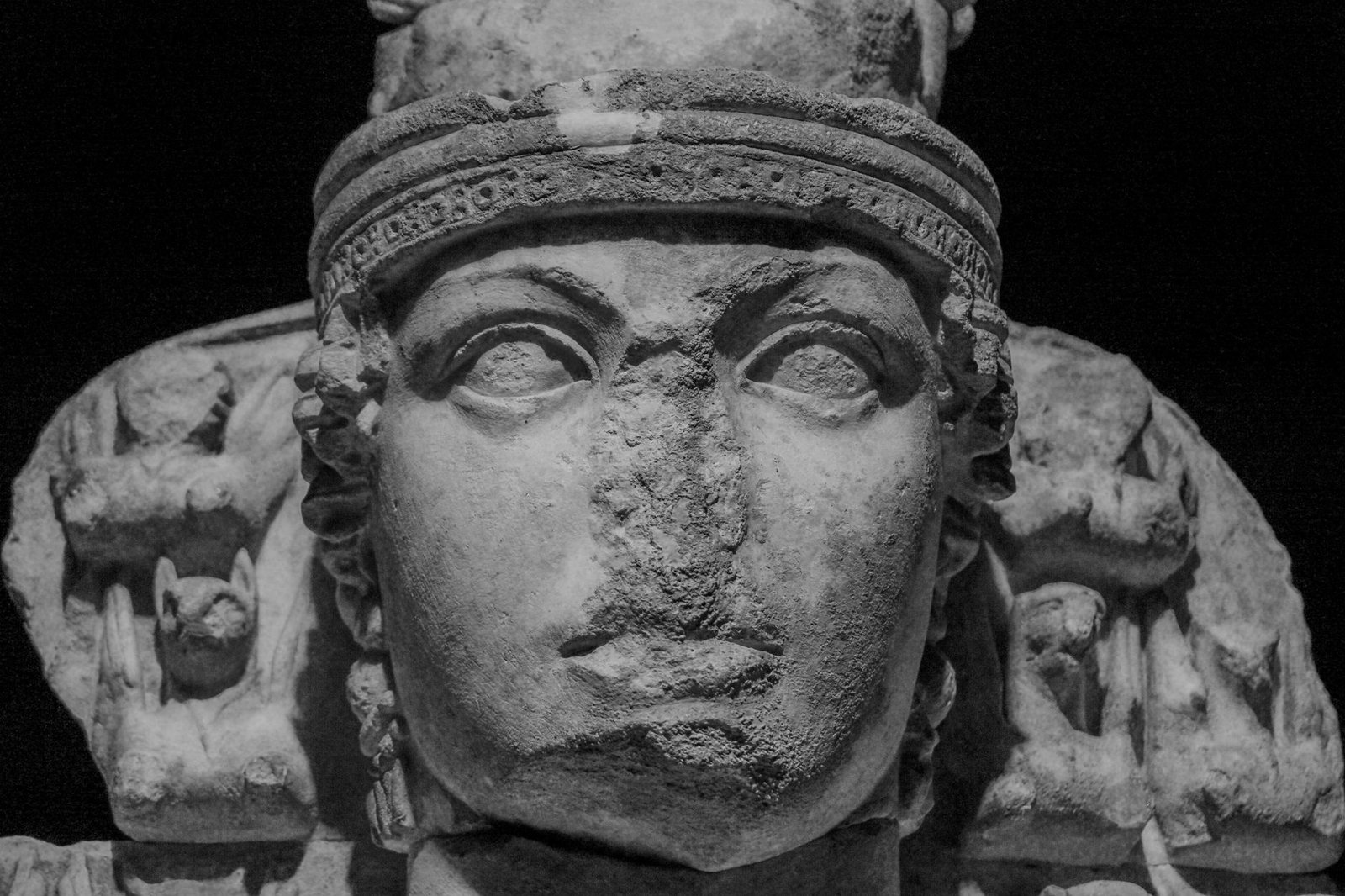
Janus is one of the most distinctive gods in Roman religion, presiding over beginnings, endings, thresholds, and passage. Often depicted with two faces and linked to doors, gates, and January itself, Janus reveals how the Romans understood time, ritual change, and the movement between one state and another.
Quirinus: Roman God of War and State
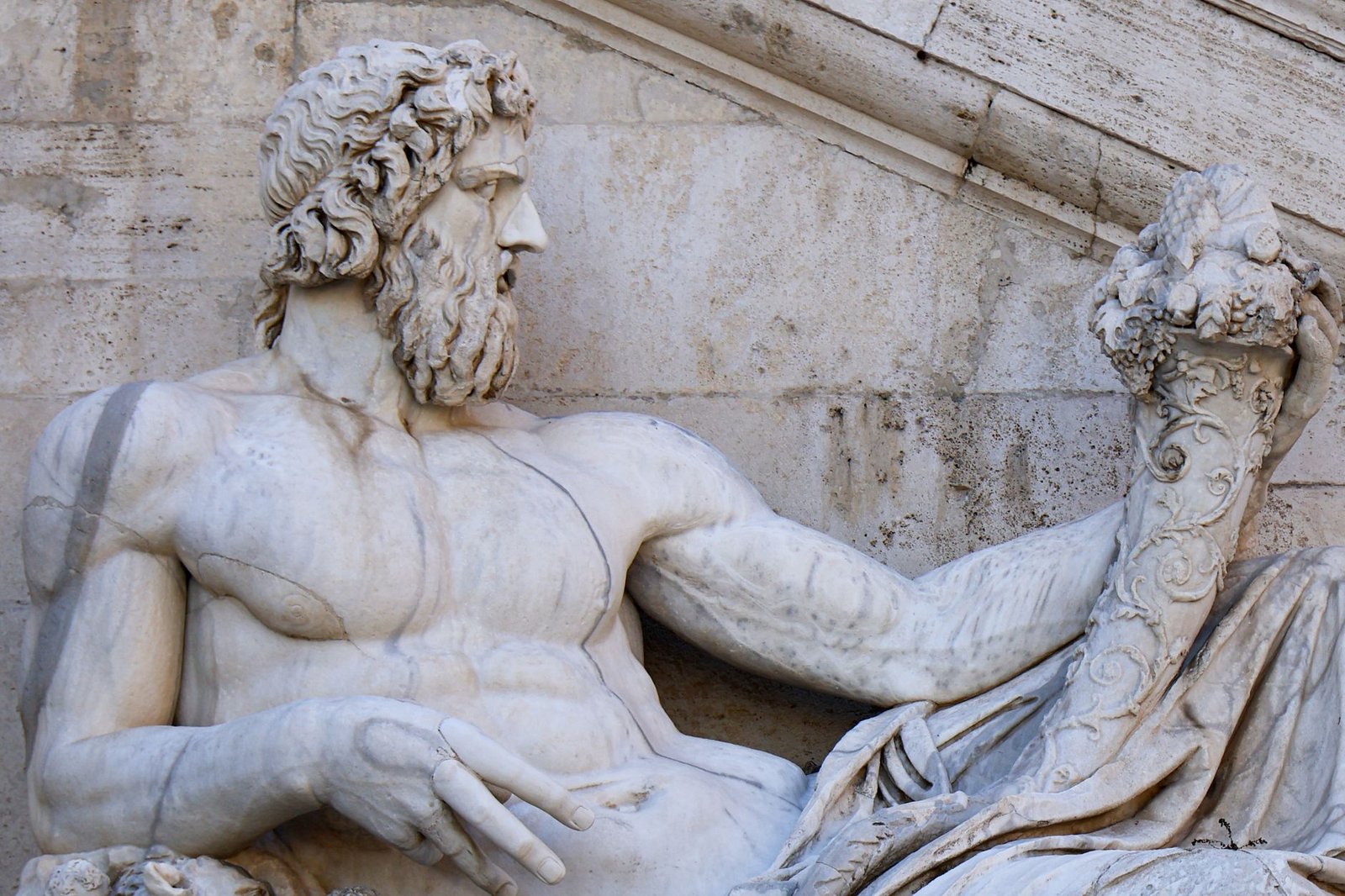
Quirinus is a major yet elusive figure in Roman religion, associated with the Roman state, civic identity, armed power, and the Quirinal hill. Later equated with the deified Romulus, he may also preserve an older divine role linked to citizenship, fertility, and communal order, raising questions that continue to shape scholarly debate.
Terminus Definition, Meaning, and Uses in English
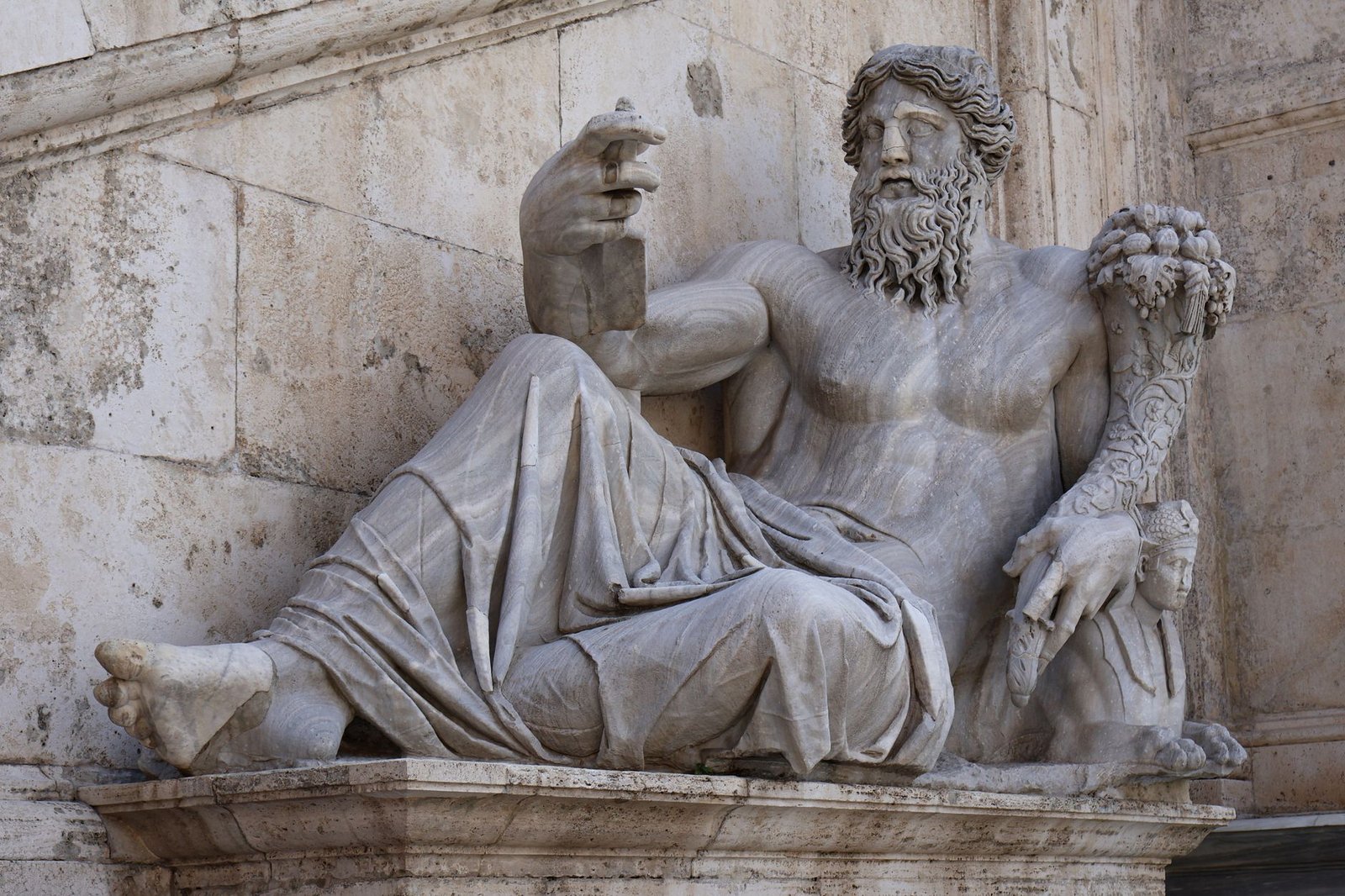
Terminus, the Roman god of boundaries, embodied the sacred force that protected property lines, territorial limits, and the stability of civic order. Rooted in everyday Roman law and ritual, his cult reveals how a simple boundary stone could carry deep religious meaning, shaping ideas of ownership, peace, and permanence.