sacred animals

Zeus’s Eagle: Symbolism, Mythology, and Meaning
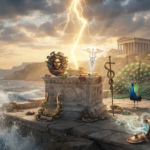
Zeuss Eagle stands at the center of Greek myth as a sacred emblem of the king of the gods, embodying sovereignty, speed, and divine authority. Tracing its origins, meanings, and enduring political symbolism reveals how this powerful bird came to represent not only Zeus’s will, but also the wider language of kingship in the ancient world.

Bow of Artemis: Meaning, Mythology, and Symbolism
The Bow of Artemis is a defining symbol of Greek mythology, embodying the goddess’s mastery of the hunt, the wilderness, and the sudden force of divine judgment. Appearing in poetry, ritual, and art, it reveals how Artemis was understood not only as an archer, but as a powerful protector of nature and sacred order.
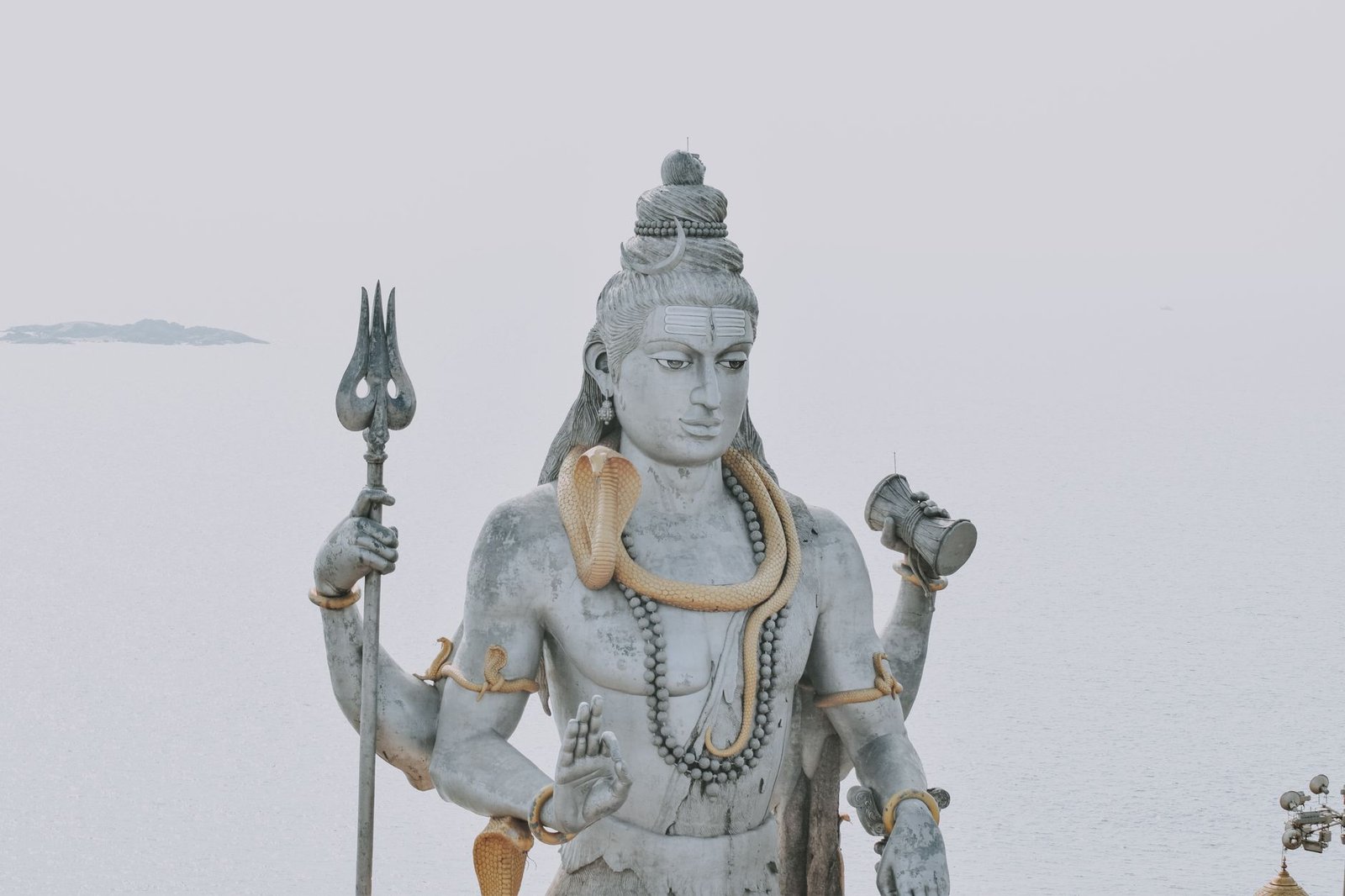
Why Do Gods Have Their Own Symbols? Meaning Explained
Across world mythologies, the question of why does every god have their own symbols reveals how ancient cultures made the divine visible, memorable, and distinct. From thunderbolts and tridents to lotuses and swords, these signs encoded a god’s powers, role, and identity while shaping worship, art, and storytelling.
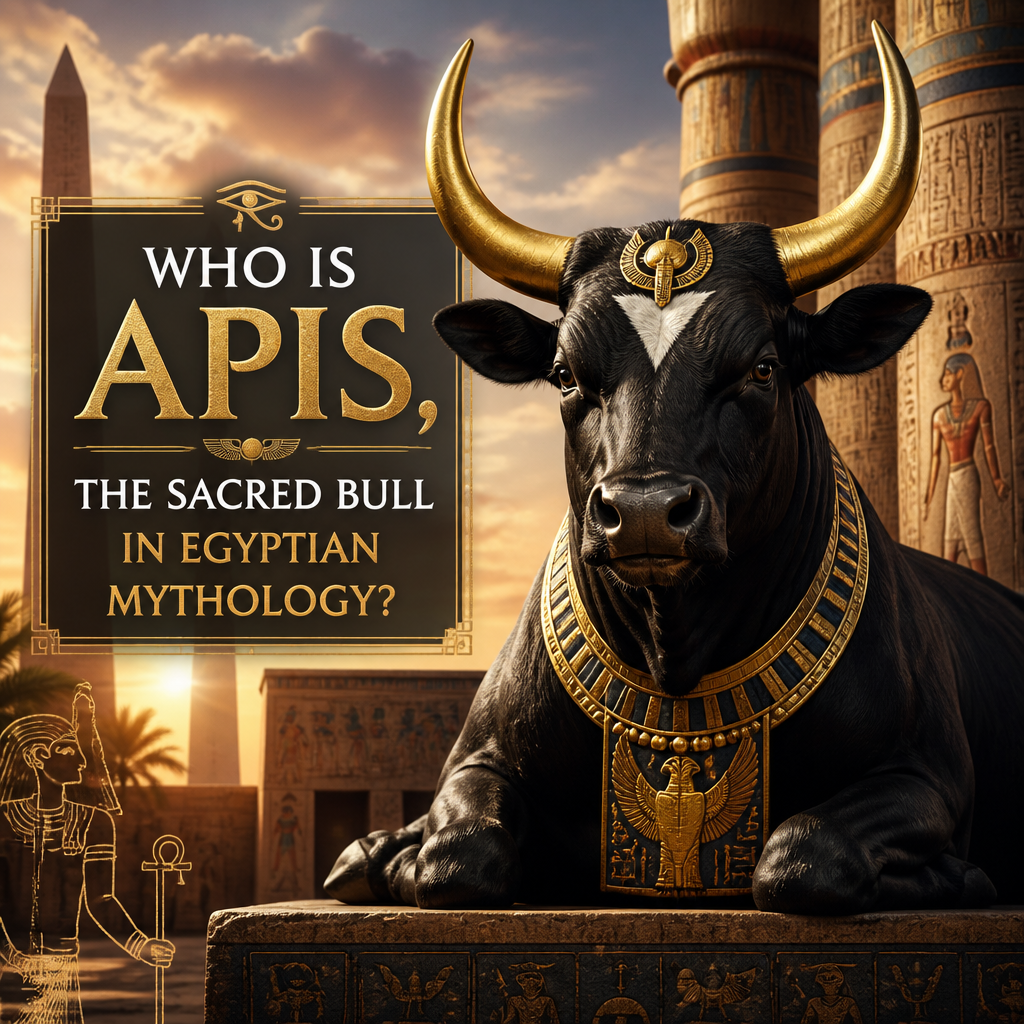
Who Is Apis, the Sacred Bull in Egyptian Mythology?
The Apis bull was a sacred animal deity in ancient Egypt, honored as a living symbol of divine strength, fertility, and kingship. Worshipped especially in Memphis, he connected the human world with the powerful presence of the gods.
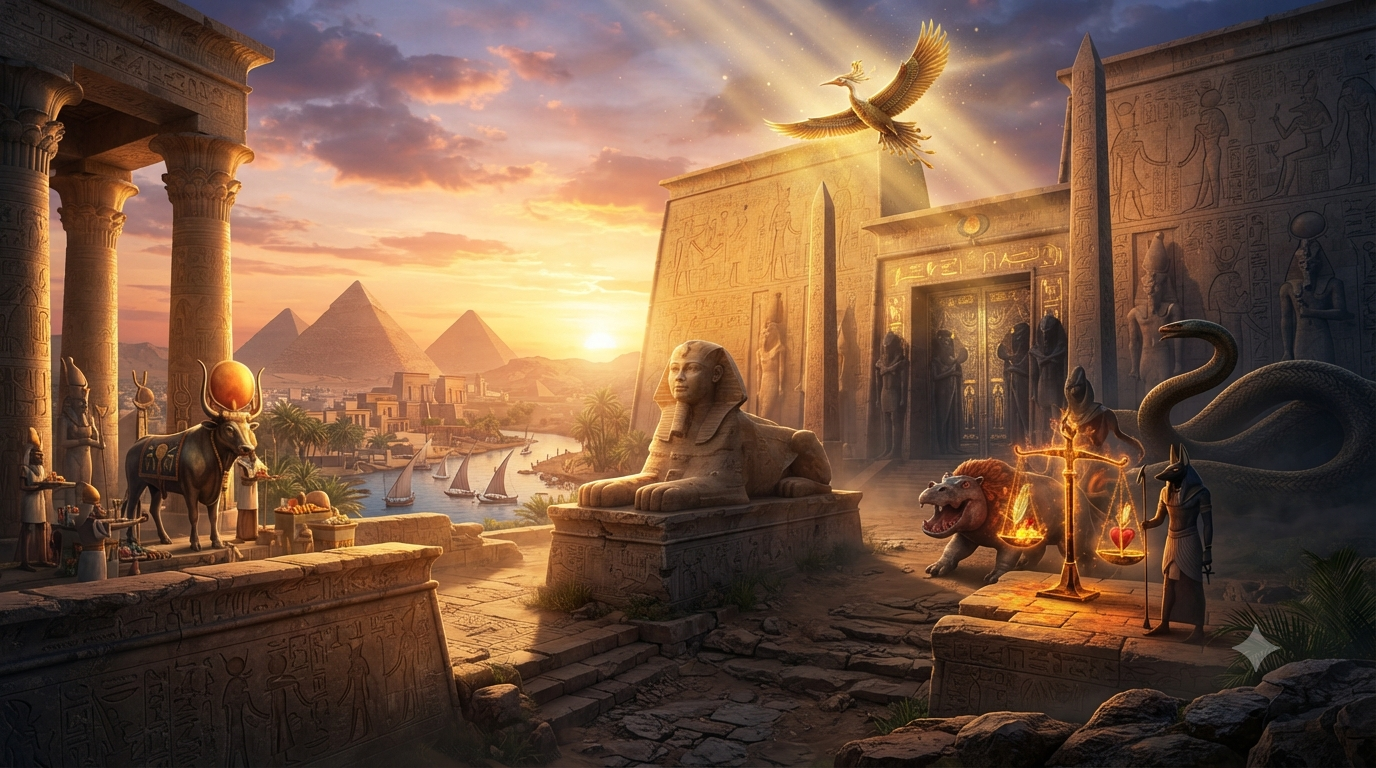
Egyptian Creatures and Monsters: The Complete Guide to Ancient Egypt’s Mythical Beasts and Sacred Animals
Egyptian mythology populated the space between gods and mortals with a distinct cast of creatures: monstrous guardians who judged and ...
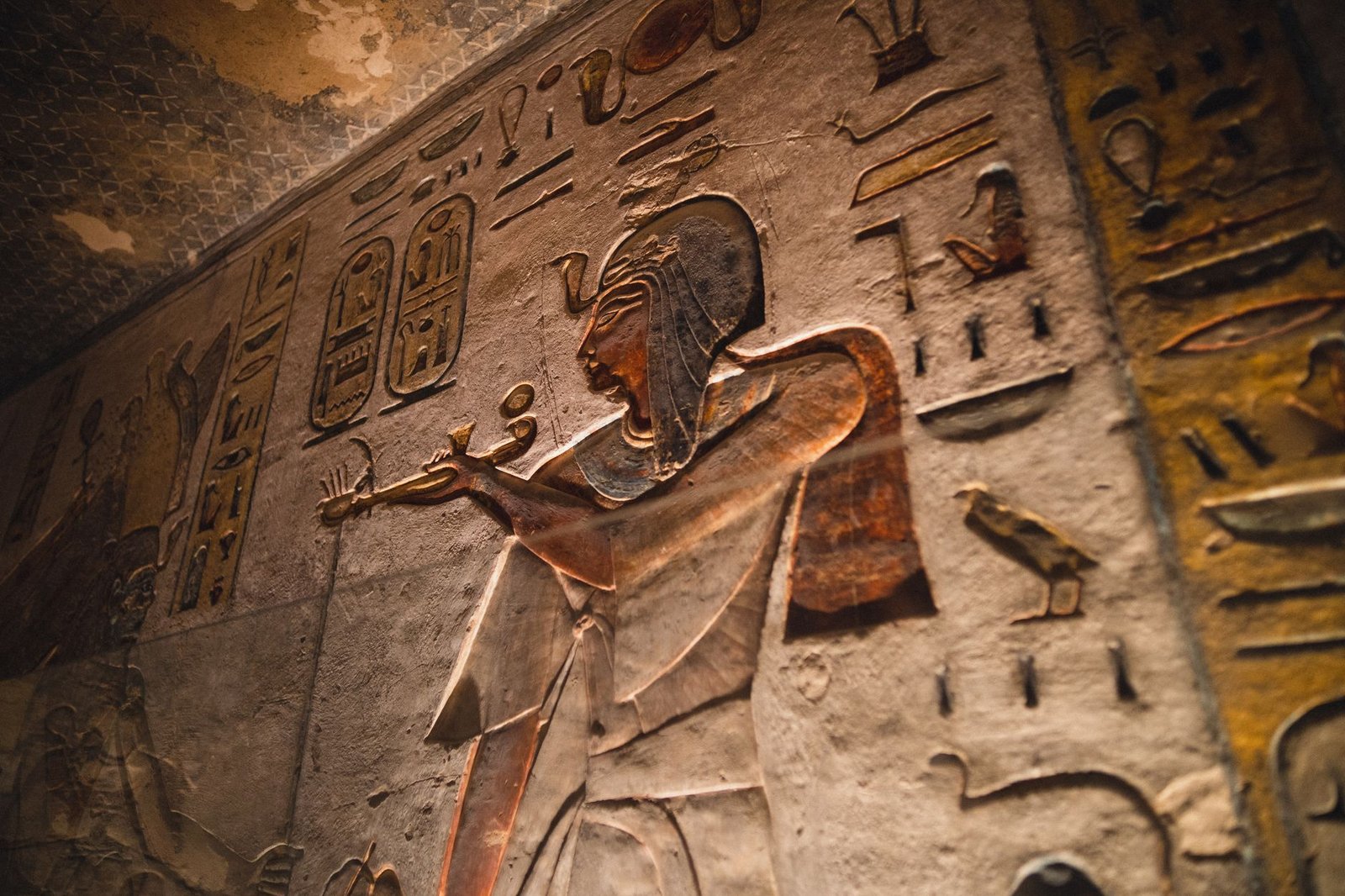
Why Do Egyptian Gods Have Animal Heads? Explained
Why do Egyptian gods have animal heads? Ancient Egyptian religion used animal-headed forms to express divine powers, natural forces, and ideal qualities through symbols drawn from everyday life and the Nile world. This article explains how these images developed, what animals like falcons and jackals represented, and why they remain central to understanding Egyptian beliefs.