Shichifukujin
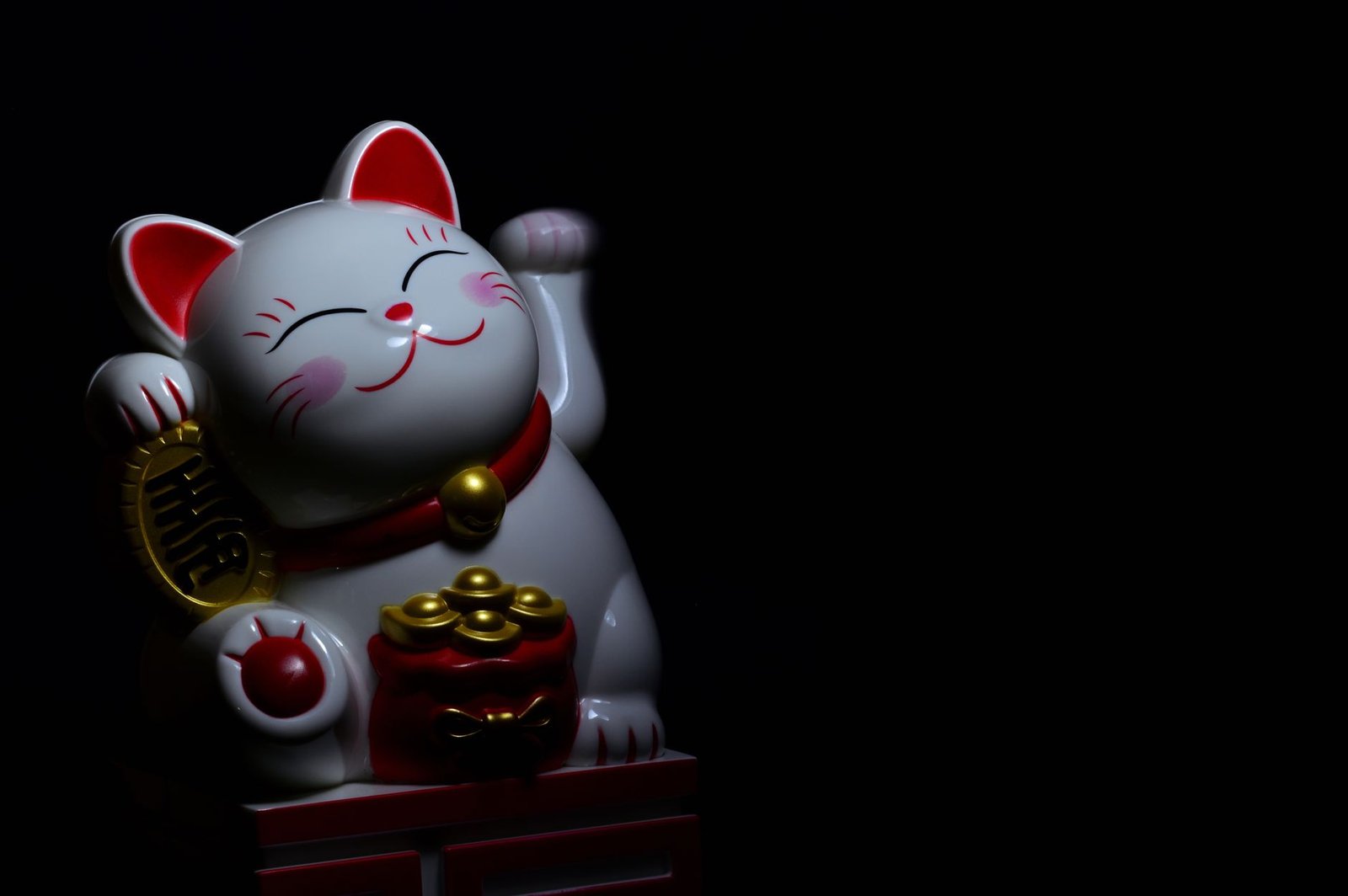
Are the Seven Lucky Gods All Originally Japanese?
The Seven Lucky Gods, or Shichifukujin, are a familiar feature of Japanese festivals, temple visits, and New Year customs, yet they are not all originally Japanese. This article explains how these widely revered figures formed a uniquely Japanese ensemble from Japanese, Buddhist, Hindu, Chinese, and Daoist sources—and why that blend matters.
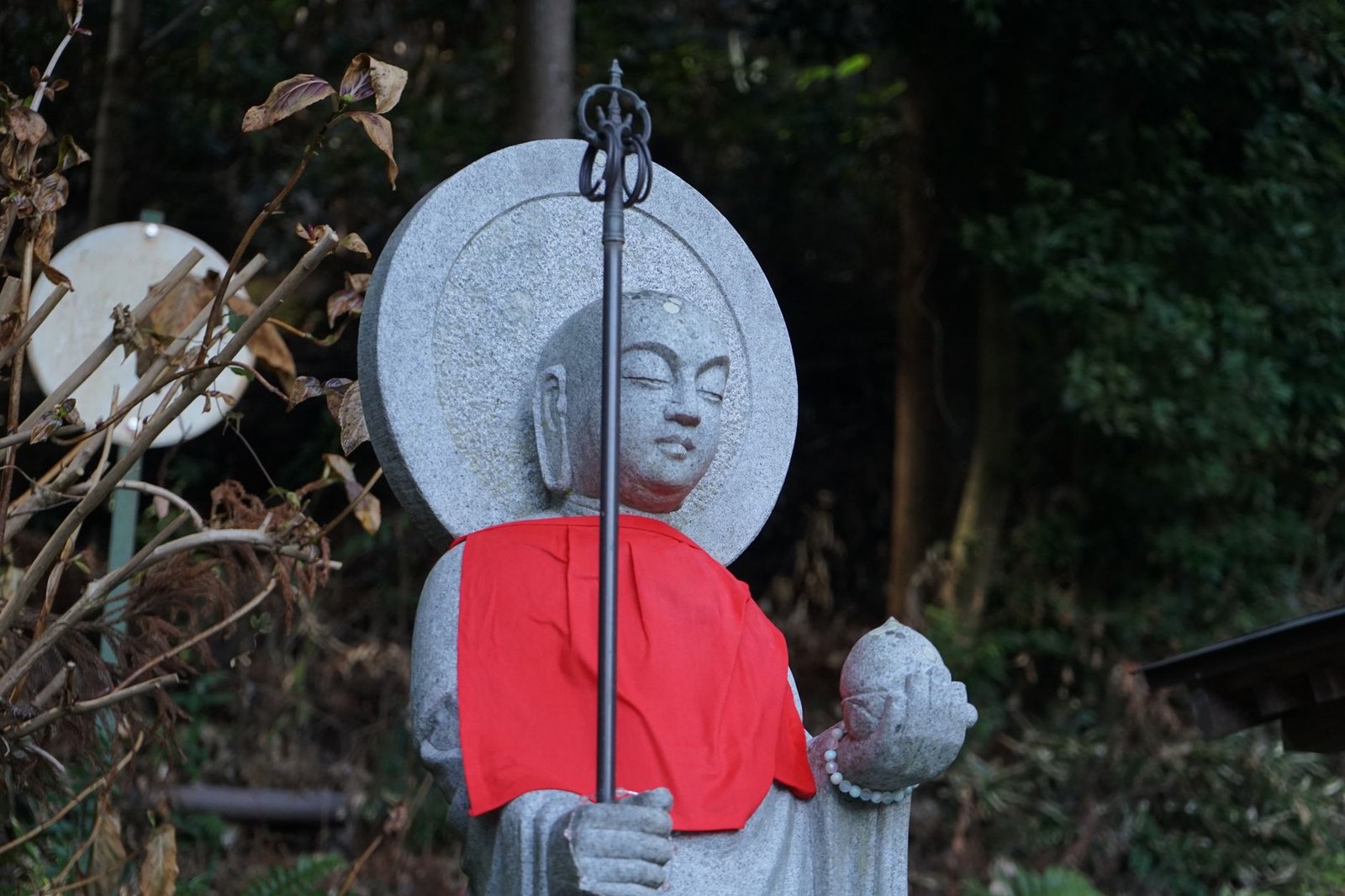
Fukurokuju: Japanese God of Wisdom and Longevity
Fukurokuju is a prominent deity in Japanese folk religion, counted among the Seven Lucky Gods and revered for longevity, wisdom, and good fortune. Blending Chinese Daoist, Japanese, and popular religious traditions, this enigmatic figure is often portrayed with a towering forehead and symbols of long life, inviting deeper exploration of his varied origins and meanings.
Jurojin: Japanese God of Longevity and Wisdom
Jurojin is a revered figure in Japanese folk religion and art, known as a god of longevity, wisdom, and peaceful old age. As one of the Seven Lucky Gods, his image blends Chinese longevity traditions with Japanese devotion, raising questions about how this composite deity became such a lasting symbol of auspicious living.