Japanese Mythology

Are the Seven Lucky Gods All Originally Japanese?
The Seven Lucky Gods, or Shichifukujin, are a familiar feature of Japanese festivals, temple visits, and New Year customs, yet they are not all originally Japanese. This article explains how these widely revered figures formed a uniquely Japanese ensemble from Japanese, Buddhist, Hindu, Chinese, and Daoist sources—and why that blend matters.
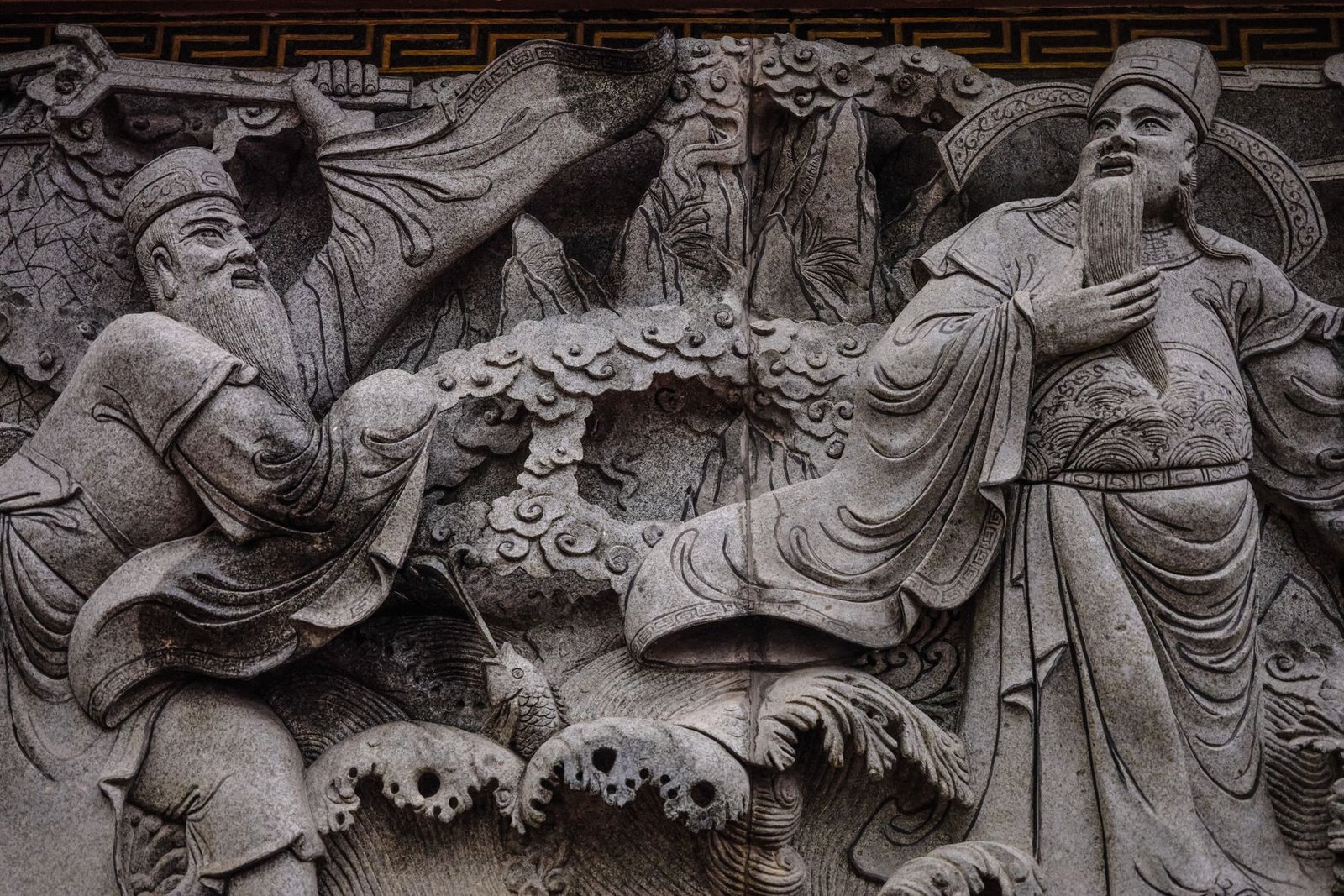
Izanagi: Japanese Creation God in Shinto Mythology
Izanagi is a central deity in Japanese mythology, remembered with Izanami as a primeval couple whose actions helped shape the islands, the kami, and the ritual ideas at the heart of Shinto. His stories, preserved in the *Kojiki* and *Nihon Shoki*, also reveal how creation, purification, and the boundary between life and death are understood in early Japanese tradition.
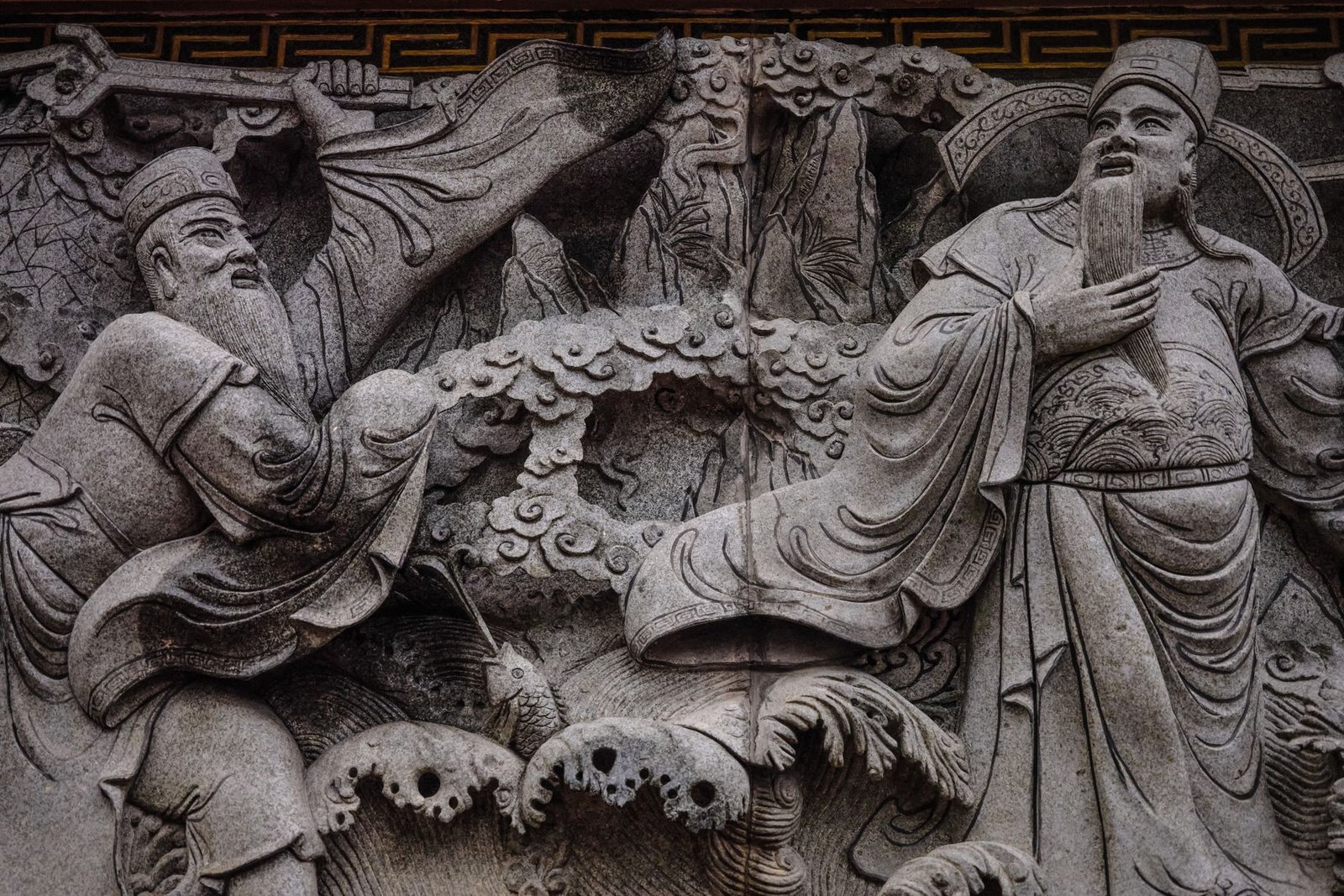
Susanoo: Japanese God of Storms and Sea
Susanoo is a central deity in Japanese mythology, remembered as a storm god, sea deity, and disruptive force whose myths appear in the Kojiki and Nihon Shoki. His conflict with Amaterasu and defeat of Yamata no Orochi reveal a figure who can bring both calamity and renewal, leaving a legacy that still shapes religion, literature, art, and popular culture.

Raijin: Japanese God of Thunder and Storms
Raijin, the Japanese god of thunder, lightning, and storms, is one of the most striking figures in the nation’s religious and mythological tradition. Blending Shinto, Buddhist, and folk beliefs, this fearsome deity appears in art and stories as a symbol of divine power, natural upheaval, and enduring cultural imagination.
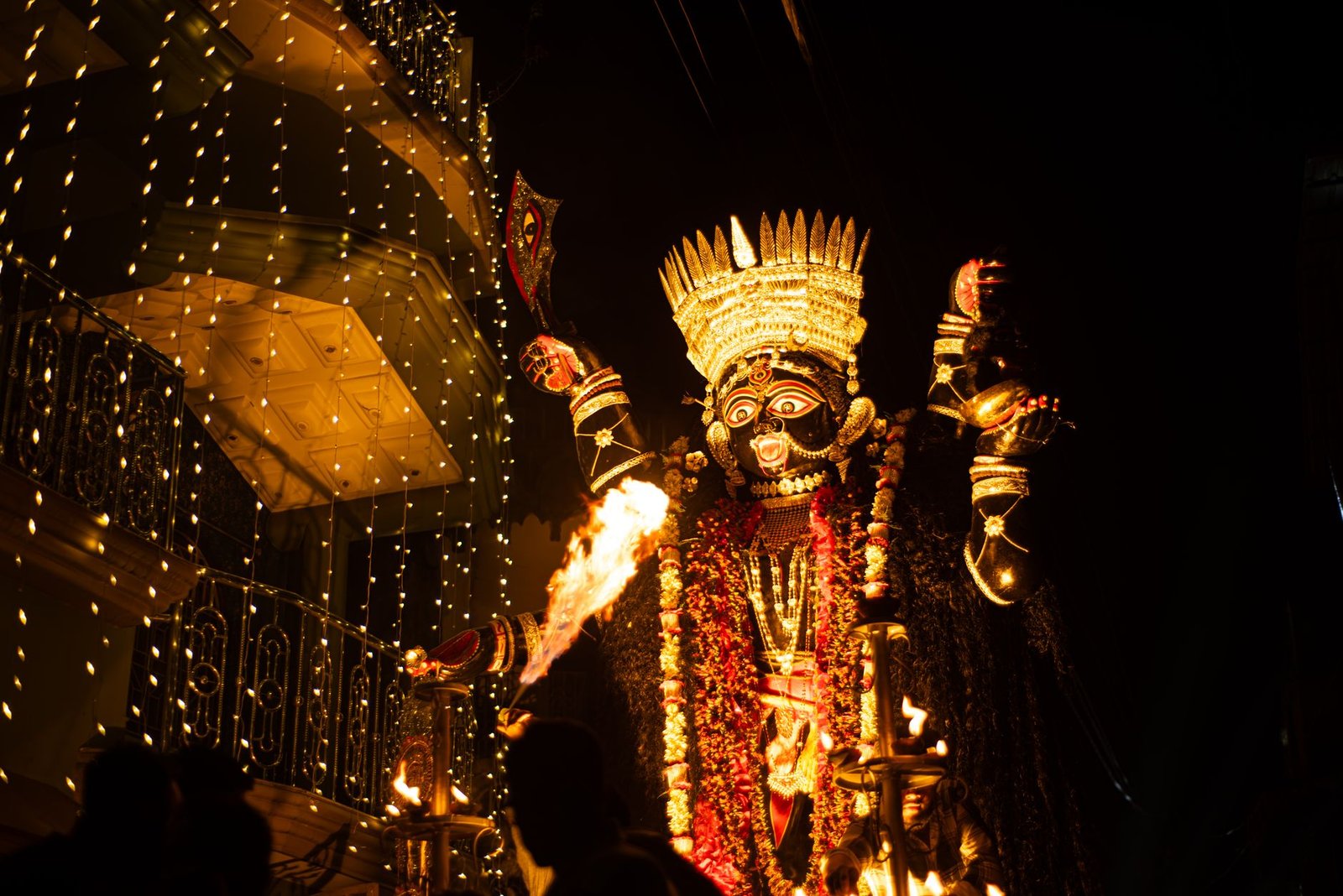
Kagutsuchi: Japanese Fire God in Mythology
Kagutsuchi is the fire deity of Japanese mythology, whose dramatic birth in the *Kojiki* and *Nihon Shoki* brings both creation and catastrophe, including the death of Izanami. Revered as a kami of fire and known also as Homusubi, Kagutsuchi embodies fire’s life-giving warmth and destructive power, inviting closer study of his role in Shinto tradition and mythic history.
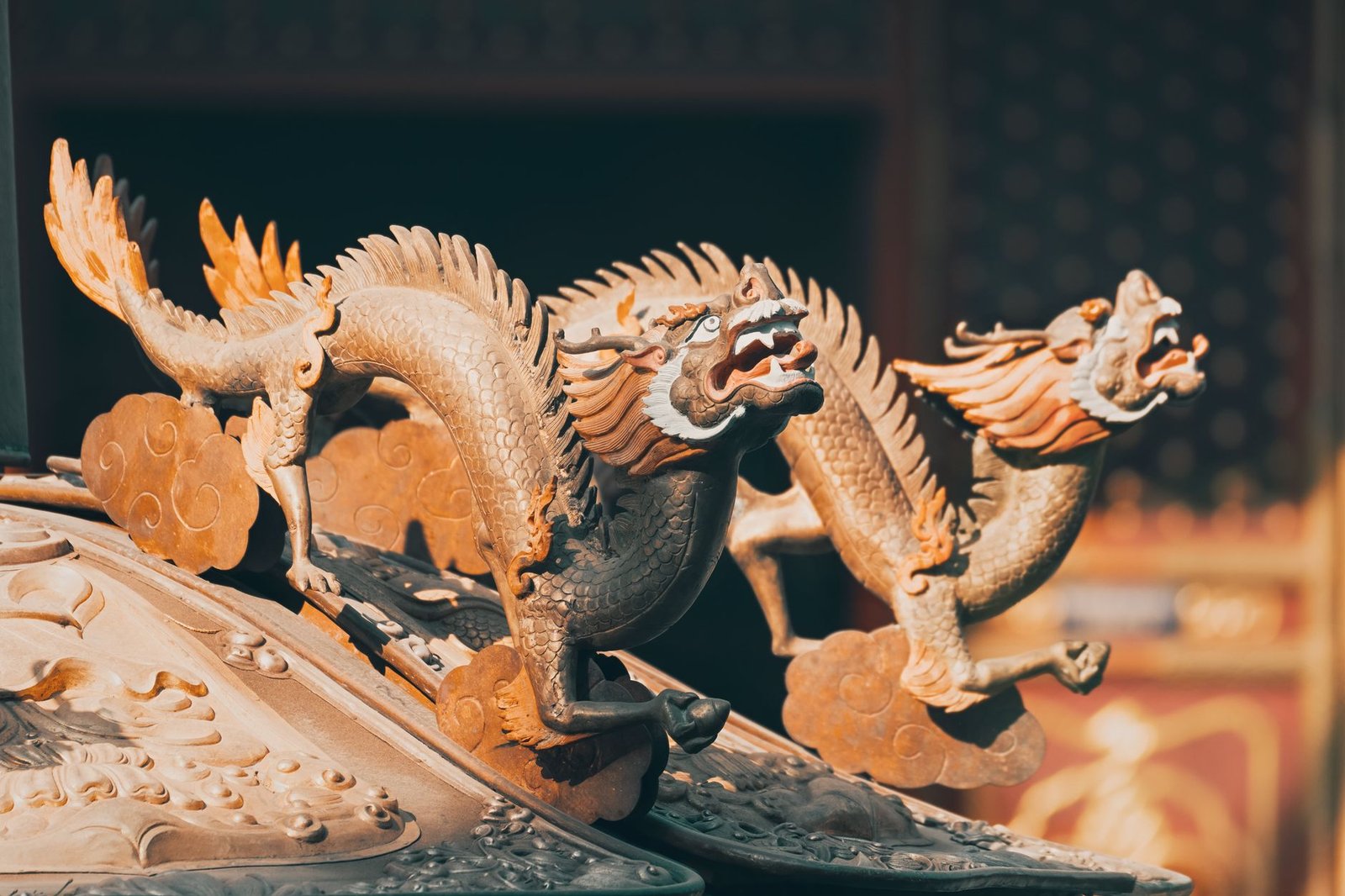
Ryujin: Meaning, Origin, and Cultural Significance
Ryujin is the dragon god of the sea in Japanese mythology, a powerful water deity linked to tides, storms, rain, and the deep ocean. Blending native beliefs with Chinese and Buddhist dragon traditions, Ryujin appears in legends as ruler of an underwater palace, a guardian of life, and a figure whose influence reaches religion, folklore, and art.
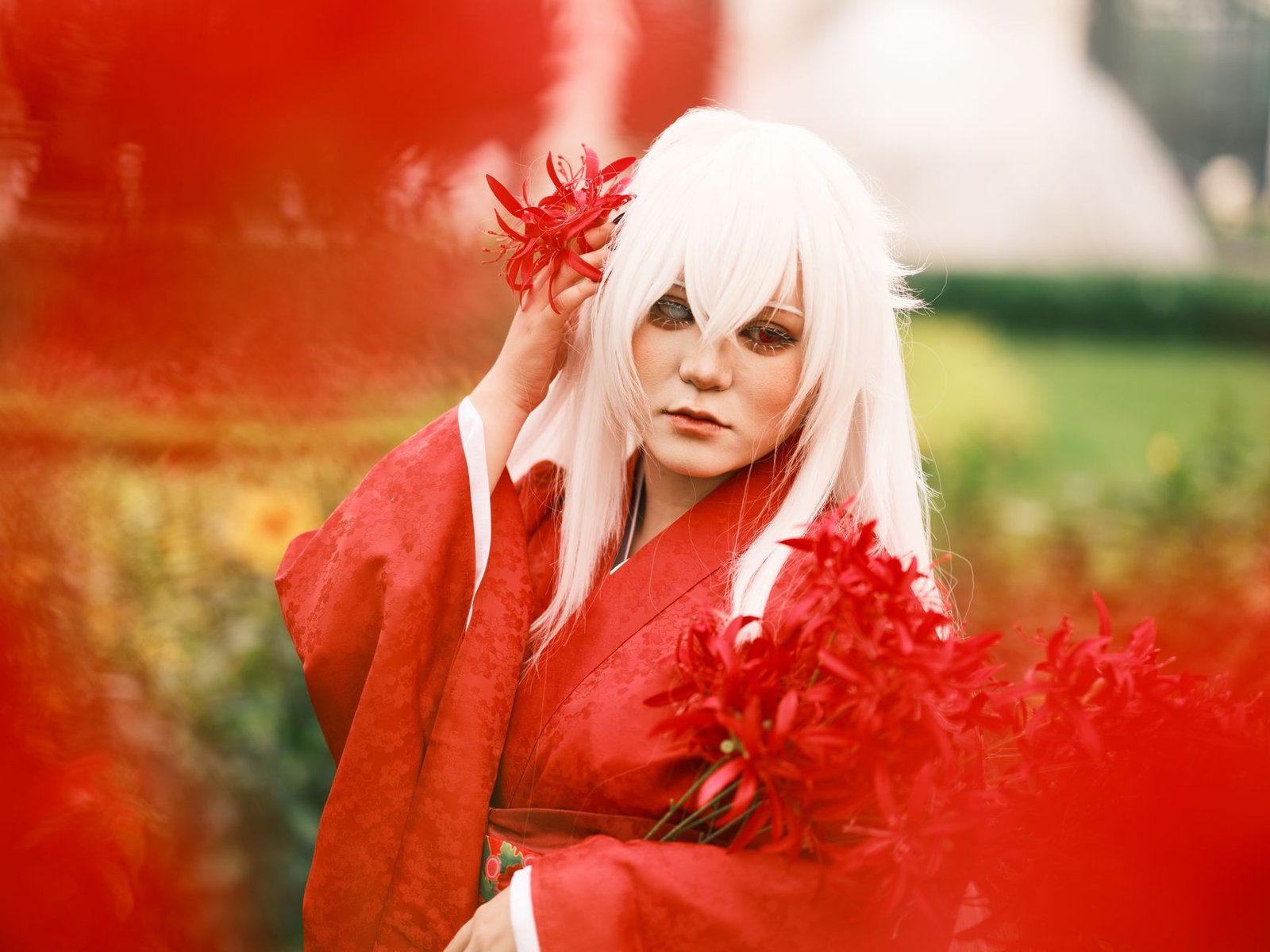
Konohanasakuya-Hime: Japanese Goddess of Mount Fuji
Konohanasakuya-hime is a major goddess in Japanese mythology and Shinto, associated with Mount Fuji, volcanoes, cherry blossoms, fertility, and the fragile beauty of life. Mentioned in the *Kojiki* and *Nihon Shoki*, she also links divine ancestry to Japan’s imperial line, inviting a closer look at her enduring role in ritual and legend.
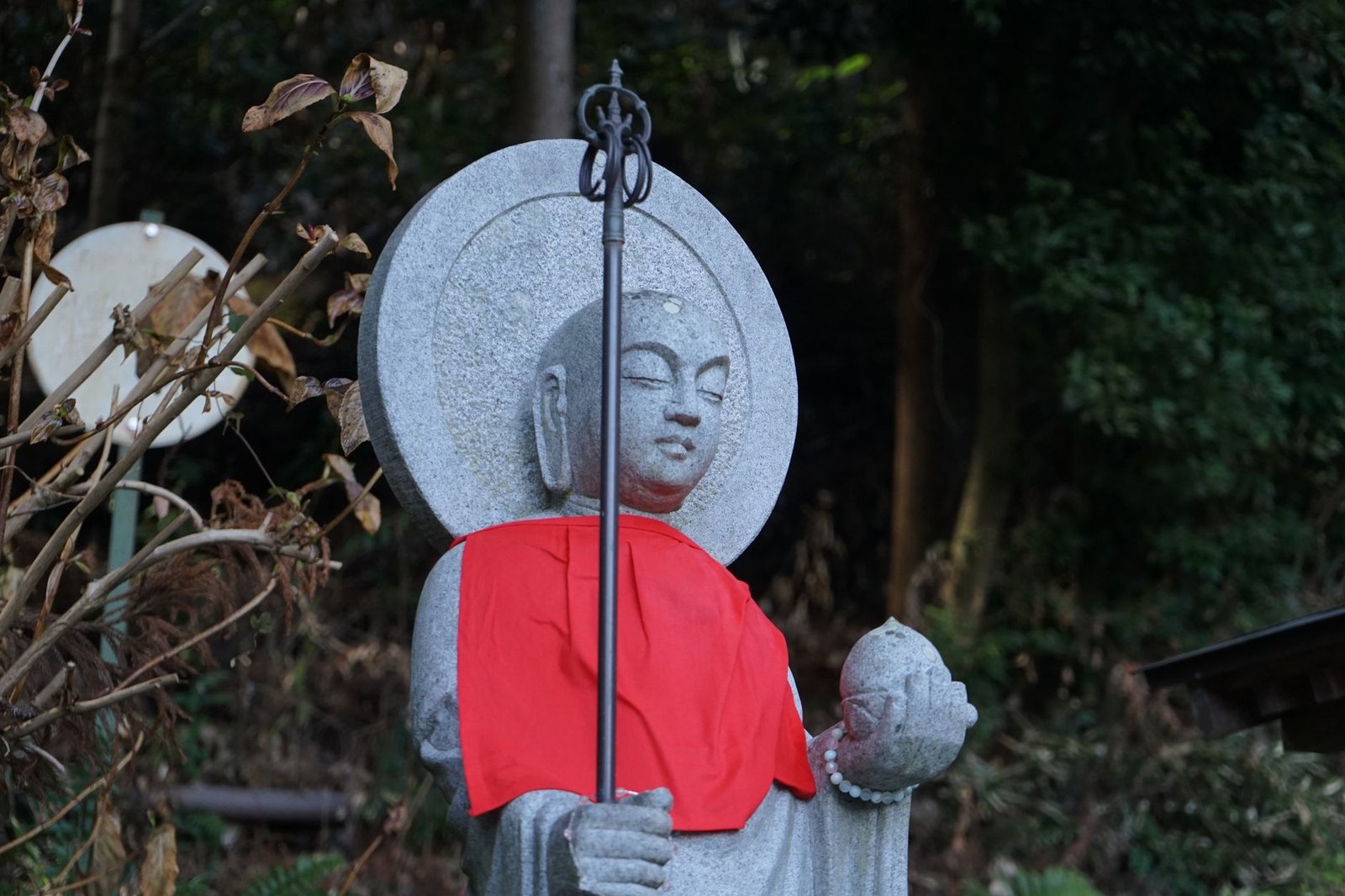
Ebisu: Japanese God of Fortune and Fishermen
Ebisu is one of Japan’s best-known deities, closely associated with prosperity, commerce, fishing, and good fortune, and easily recognized by his cheerful image with a fishing rod and sea bream. Yet behind this familiar figure lies a complex history of shifting myths, local traditions, and religious meanings that reveal how a folk god became a lasting symbol of abundance and success.
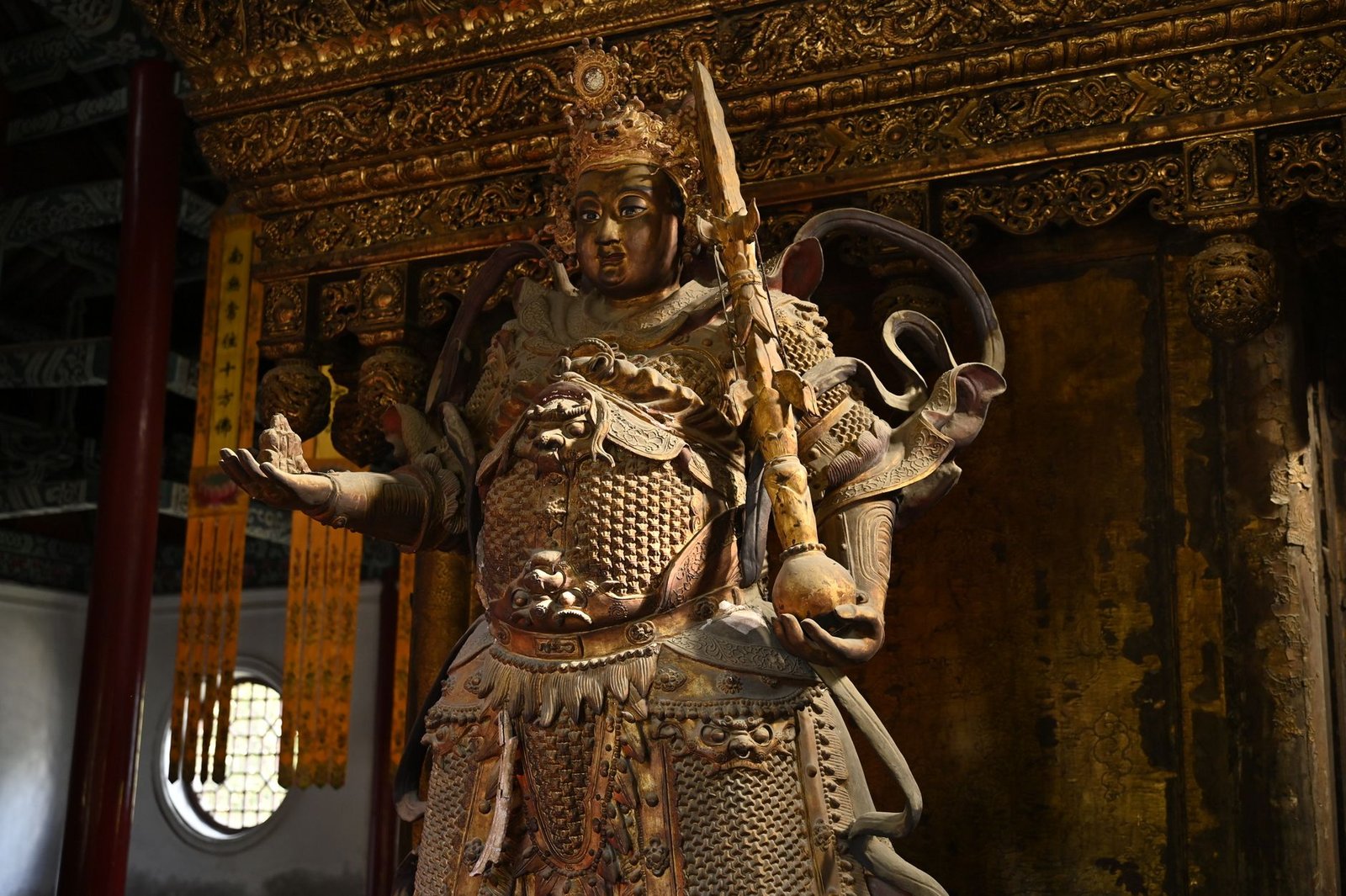
Daikokuten: Japanese God of Wealth and Fortune
Daikokuten is a major figure in Japanese religion and culture, celebrated as a bringer of wealth, household abundance, and good fortune, while also protecting kitchens, granaries, and commerce. Tracing his roots to the Indian Mahākāla, the article explores how this deity evolved in Japan, blending Buddhist, folk, and agricultural traditions into the familiar figure known today.
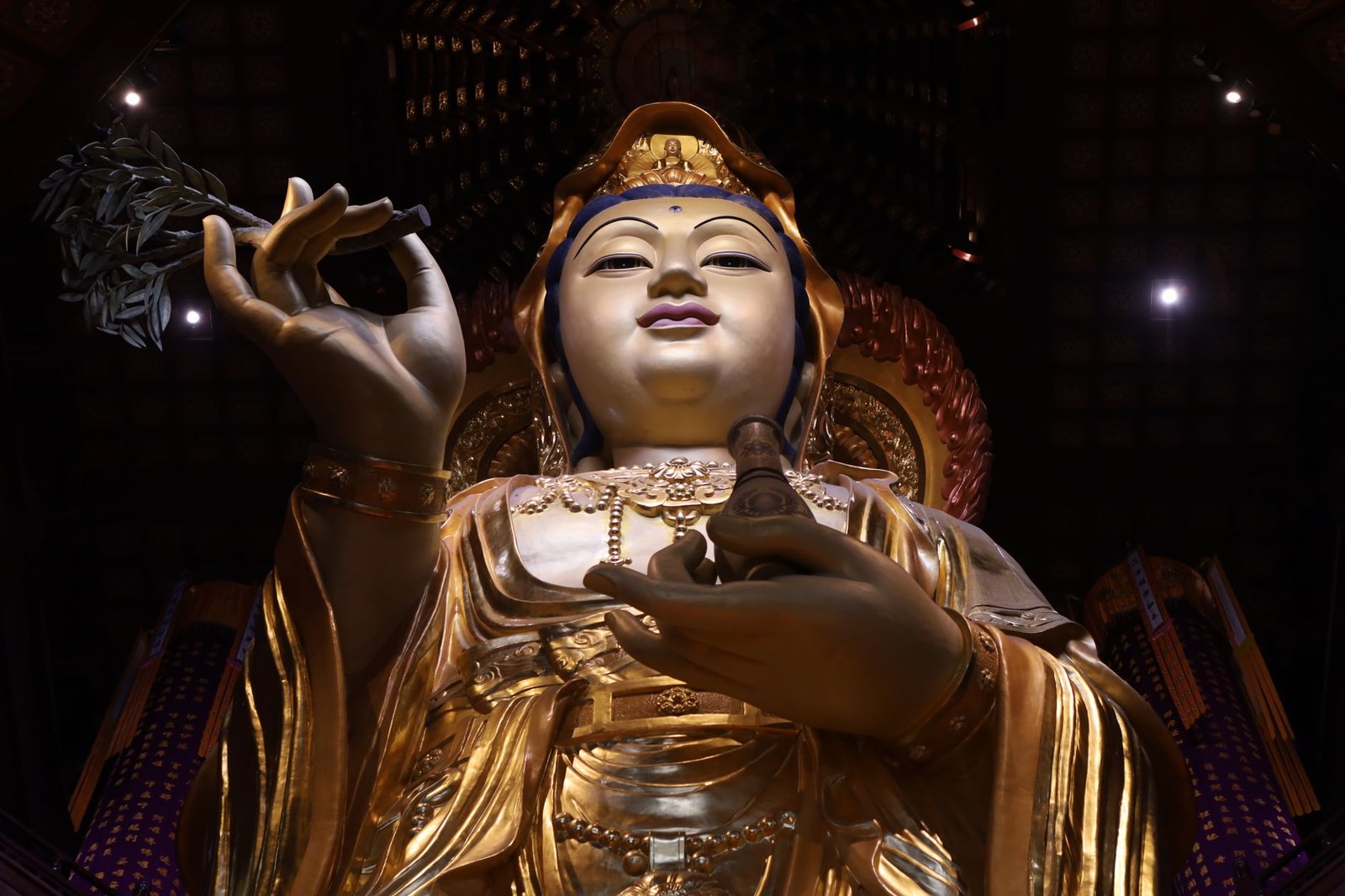
Benzaiten: Japanese Goddess of Music, Art, and Wisdom
Benzaiten is a major goddess in Japanese religion and culture, revered for eloquence, music, learning, beauty, water, and good fortune. Emerging from the Indian deity Sarasvatī and reshaped through Chinese and Japanese traditions, she appears in forms both graceful and formidable, making her history a revealing study in religious transformation.