Japanese Mythology
Difference Between Shinto Kami and Buddhist Deities in Japan
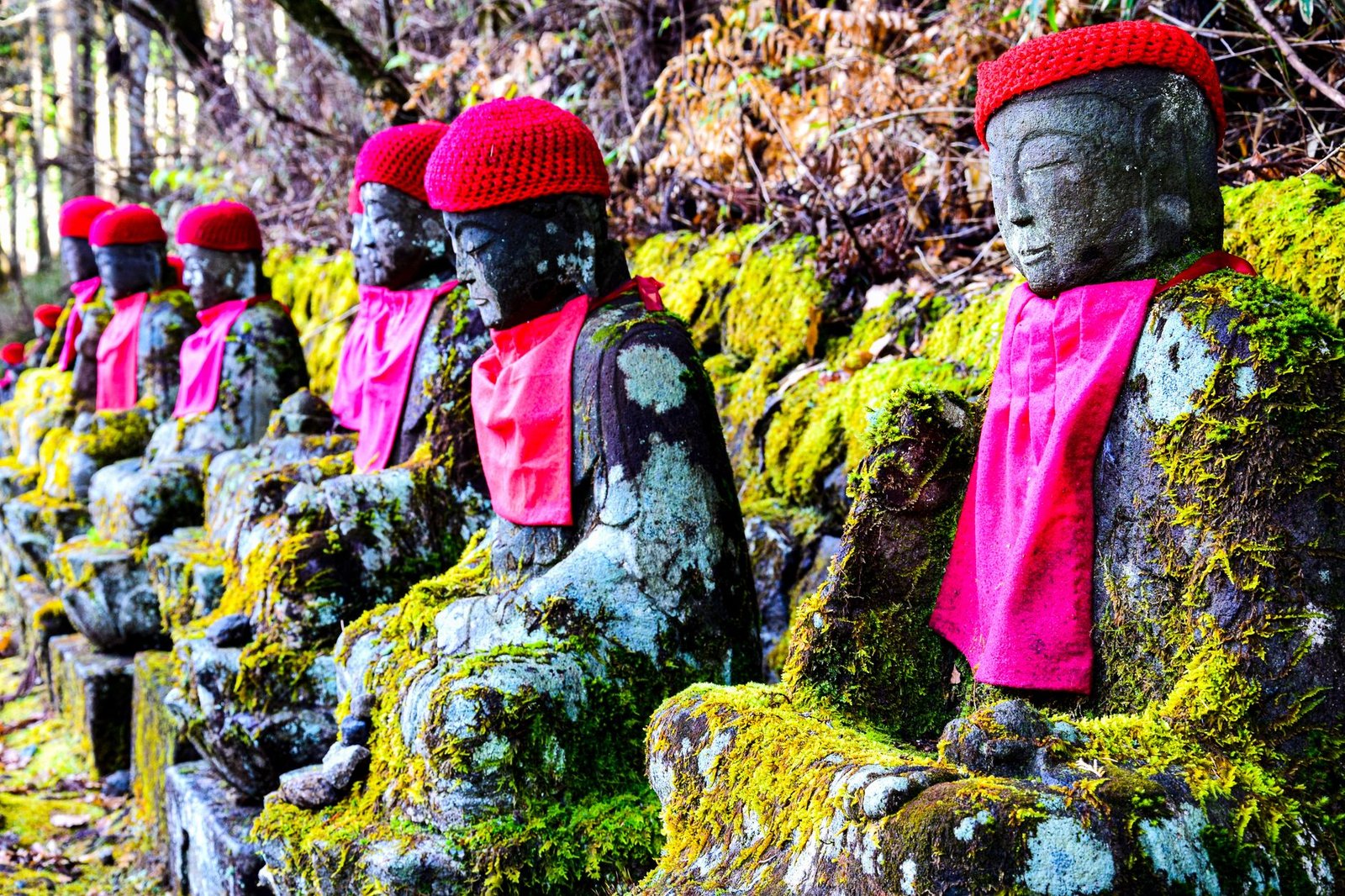
The difference between Shinto kami and Buddhist deities in Japan lies in their origins, functions, and religious meanings: kami are indigenous sacred presences tied to nature, ancestors, and place, while Buddhist figures such as Buddhas and bodhisattvas come from a continental tradition centered on enlightenment. Exploring how these beings were distinguished, blended, and reinterpreted in Japanese history reveals a complex spiritual landscape that still shapes shrine and temple culture today.
Is the Emperor of Japan Considered Descended From Gods?
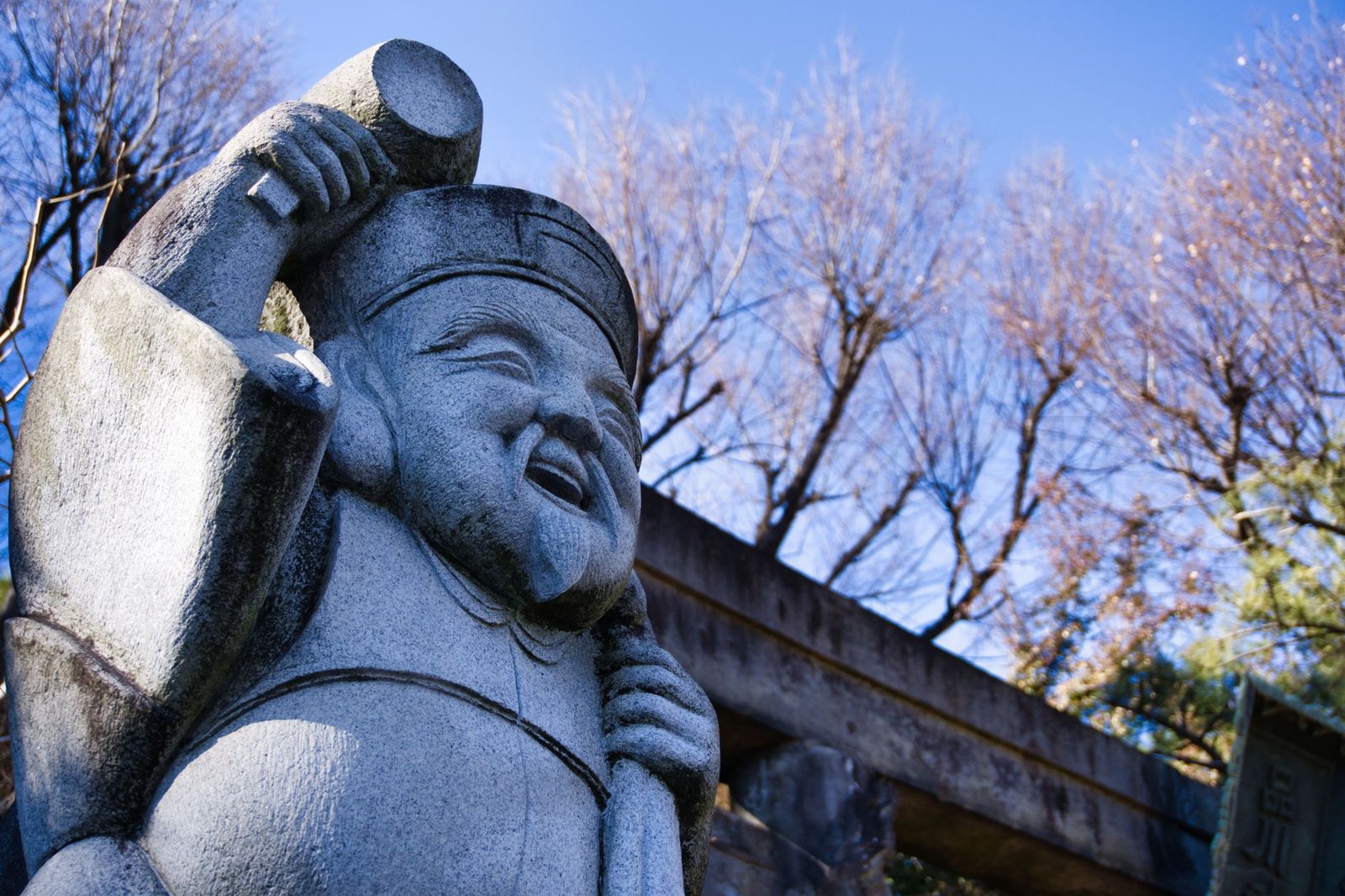
The question of whether the Emperor of Japan is considered descended from the gods lies at the heart of Shinto mythology and imperial tradition. Tracing the imperial line to Amaterasu, this belief has shifted from sacred genealogy to symbolic authority, revealing how myth, history, and modern constitutional monarchy intersect in Japan.

Kami vs. Western God: Key Differences Explained
The difference between a kami and a god in the Western sense lies in how each tradition understands sacred presence: kami in Shinto may be deities, natural forces, ancestral spirits, or awe-inspiring presences, while Western “gods” are usually more distinct, personal beings with defined roles. This article examines the term’s origins, translation challenges, and why careful comparison is essential for understanding Japanese religion without imposing outside assumptions.
Izanami: Japanese Goddess of Creation and Death
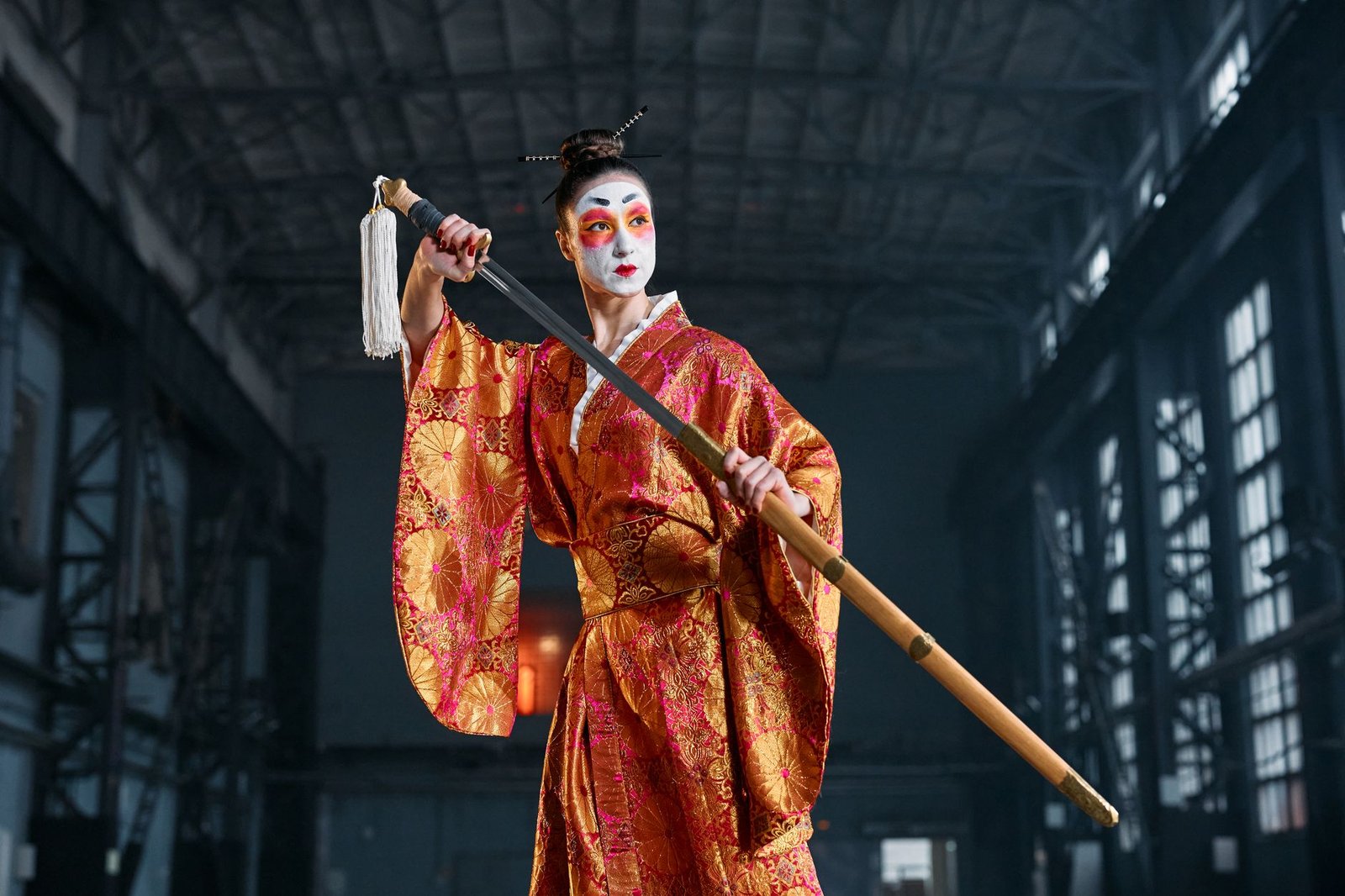
Izanami is a central figure in Japanese mythology, known as the goddess who helped create the islands of Japan and gave birth to many kami alongside her partner, Izanagi. Her story then turns toward death and the underworld, where her transformation into a powerful Yomi deity reveals the deep symbolic links between creation, fertility, and loss.
Amaterasu: Japanese Sun Goddess and Shinto Deity
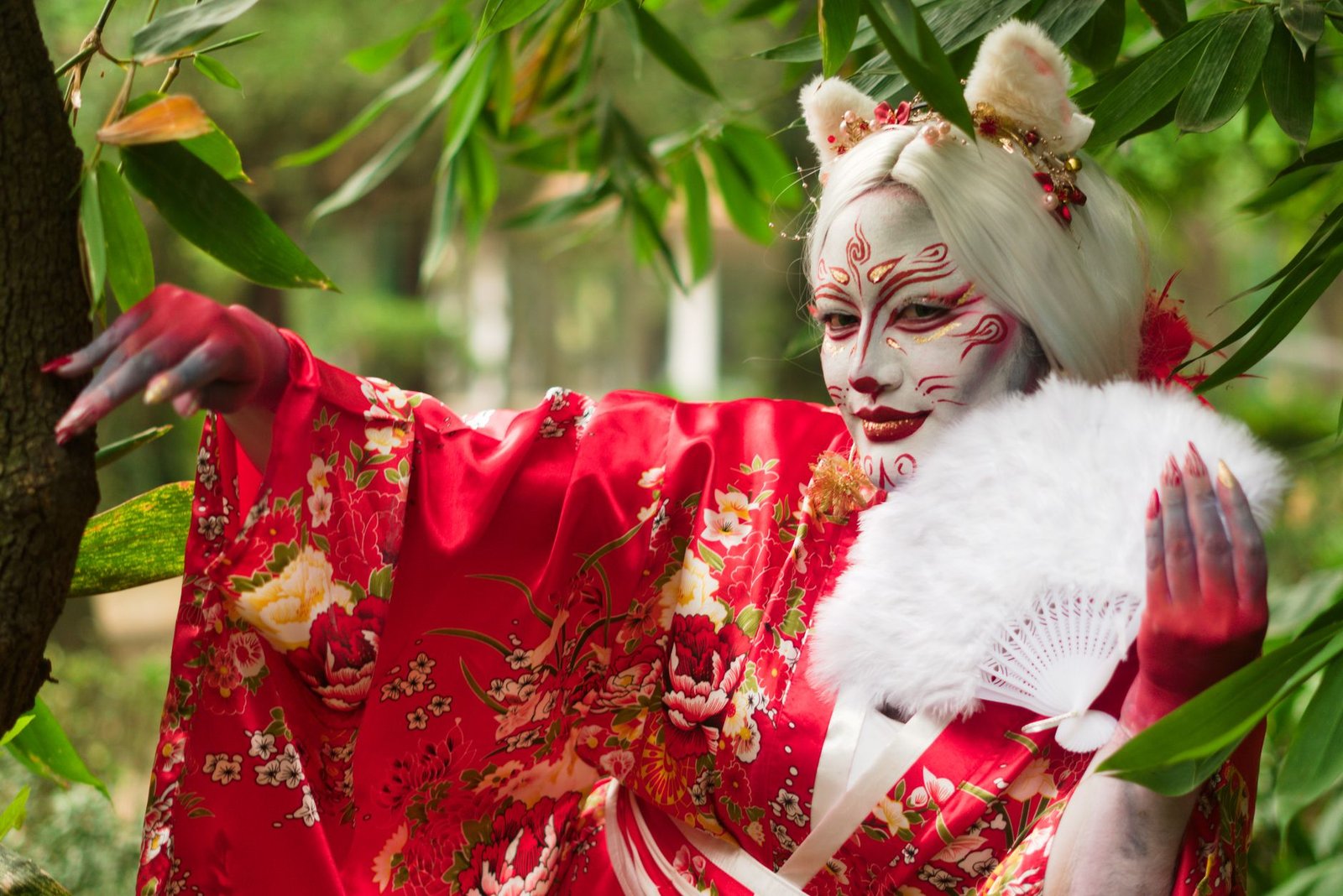
Amaterasu, the Japanese sun goddess and central Shinto deity, embodies light, order, and divine sovereignty in Japan’s mythic and imperial traditions. Rooted in the Kojiki and Nihon Shoki, her origins, symbolism, and enduring influence reveal how a solar goddess became a foundation of religious life, national identity, and cultural memory.

Tsukuyomi: Japanese Moon God in Shinto Mythology
Tsukuyomi, the Japanese moon god in Shinto mythology, stands among Japan’s oldest deities as the elusive sibling of Amaterasu and Susanoo. This article explores his uncertain origins, sparse appearances in the classical chronicles, and enduring role as a symbol of moonlight, night, and the ordered balance of the heavens.
Fujin: Japanese Wind God in Mythology and Culture
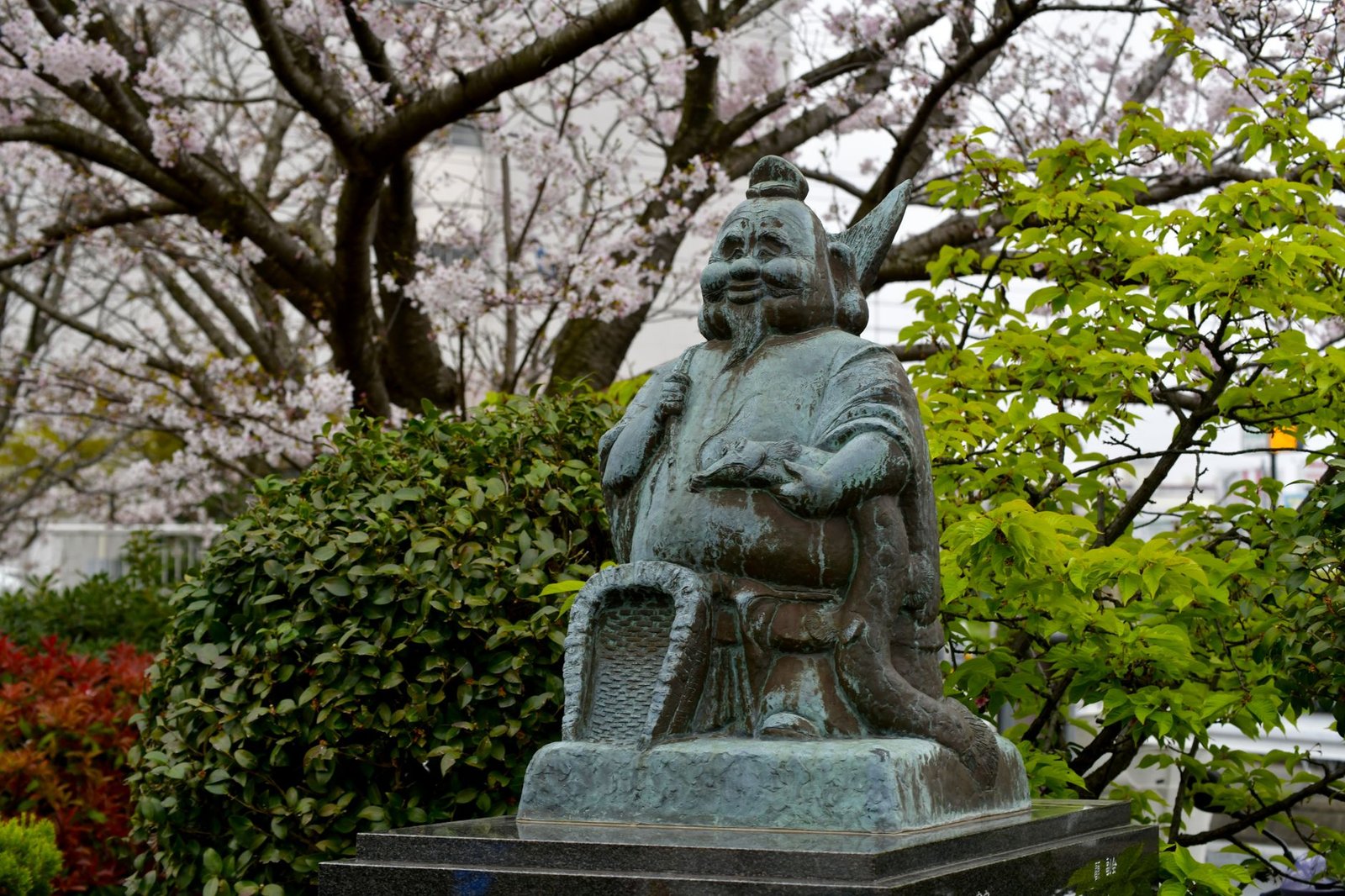
Fujin, the Japanese wind god, is one of the most enduring figures in East Asian mythology, known for his iconic sack of storms and his close association with Raijin, the thunder deity. This excerpt traces Fujin’s origins, religious meanings, and artistic portrayals across Buddhism, Shinto, and popular culture, revealing how a single image came to embody wind’s destructive and vital force.
Bishamonten: Japanese God of War and Fortune
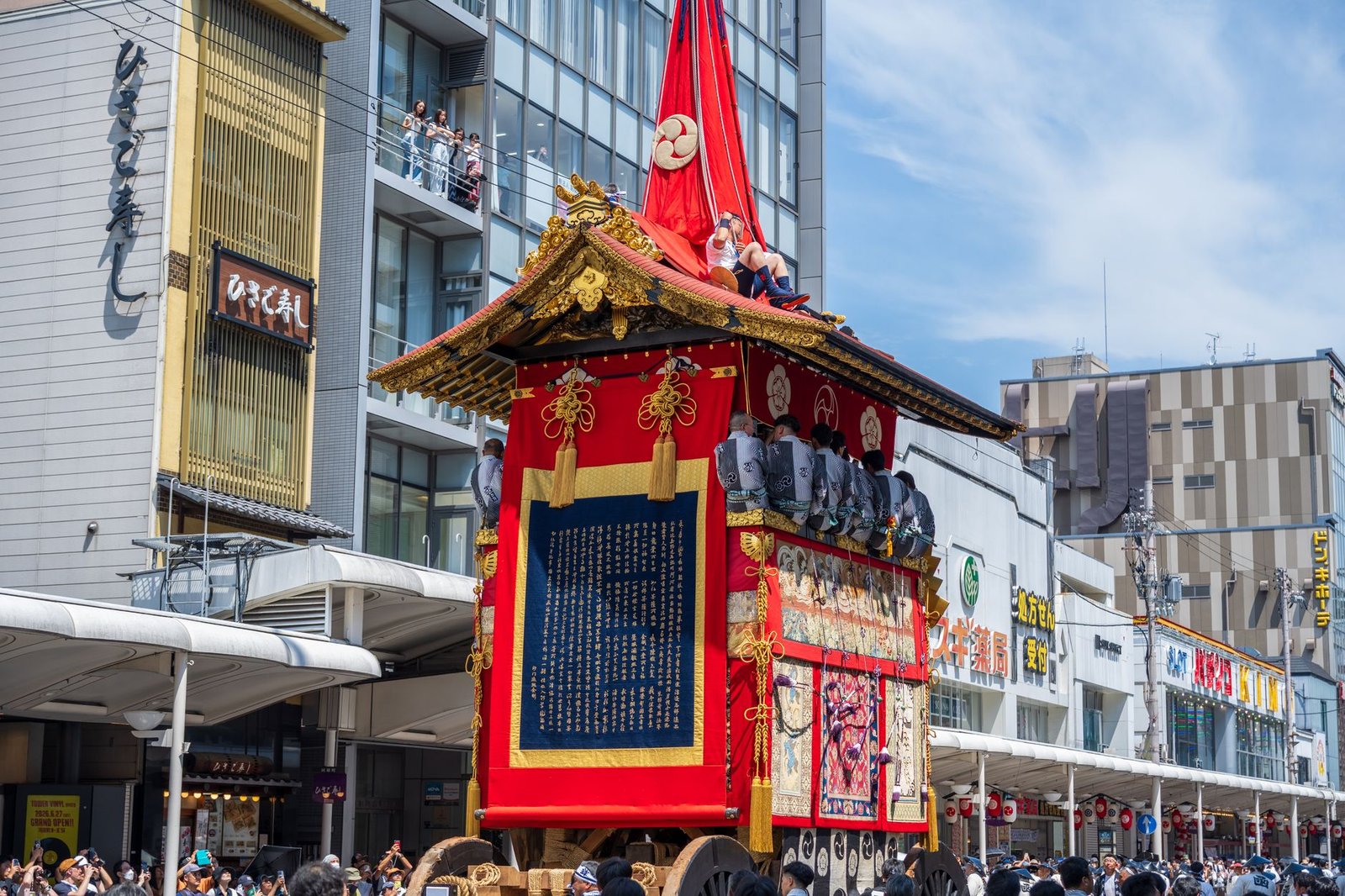
Bishamonten is a central figure in Japanese religious tradition, revered as a guardian deity of war, protection, wealth, and prosperity, and counted among the Seven Lucky Gods. Tracing his origins from Indian and Chinese Buddhism to his distinct role in Japan, this article explores how Bishamonten became both a formidable protector of the Buddhist law and a symbol of fortune.
Sarutahiko: Japanese Shinto Deity of Guidance
Sarutahiko, a major figure in Japanese Shinto mythology, is revered as the deity who guides heavenly beings from the sky to the earth and governs safe passage, roads, and transitions. This article explores his role in the *Kojiki* and *Nihon Shoki*, the uncertain origins of his name, and his lasting influence in ritual, folklore, and local worship.
Sarutahiko: Japanese Shinto Deity of Guidance
Sarutahiko, a major figure in Japanese Shinto mythology, is revered as the deity who guides heavenly beings from the sky to the earth and governs safe passage, roads, and transitions. This article explores his role in the *Kojiki* and *Nihon Shoki*, the uncertain origins of his name, and his lasting influence in ritual, folklore, and local worship.