Japanese Mythology
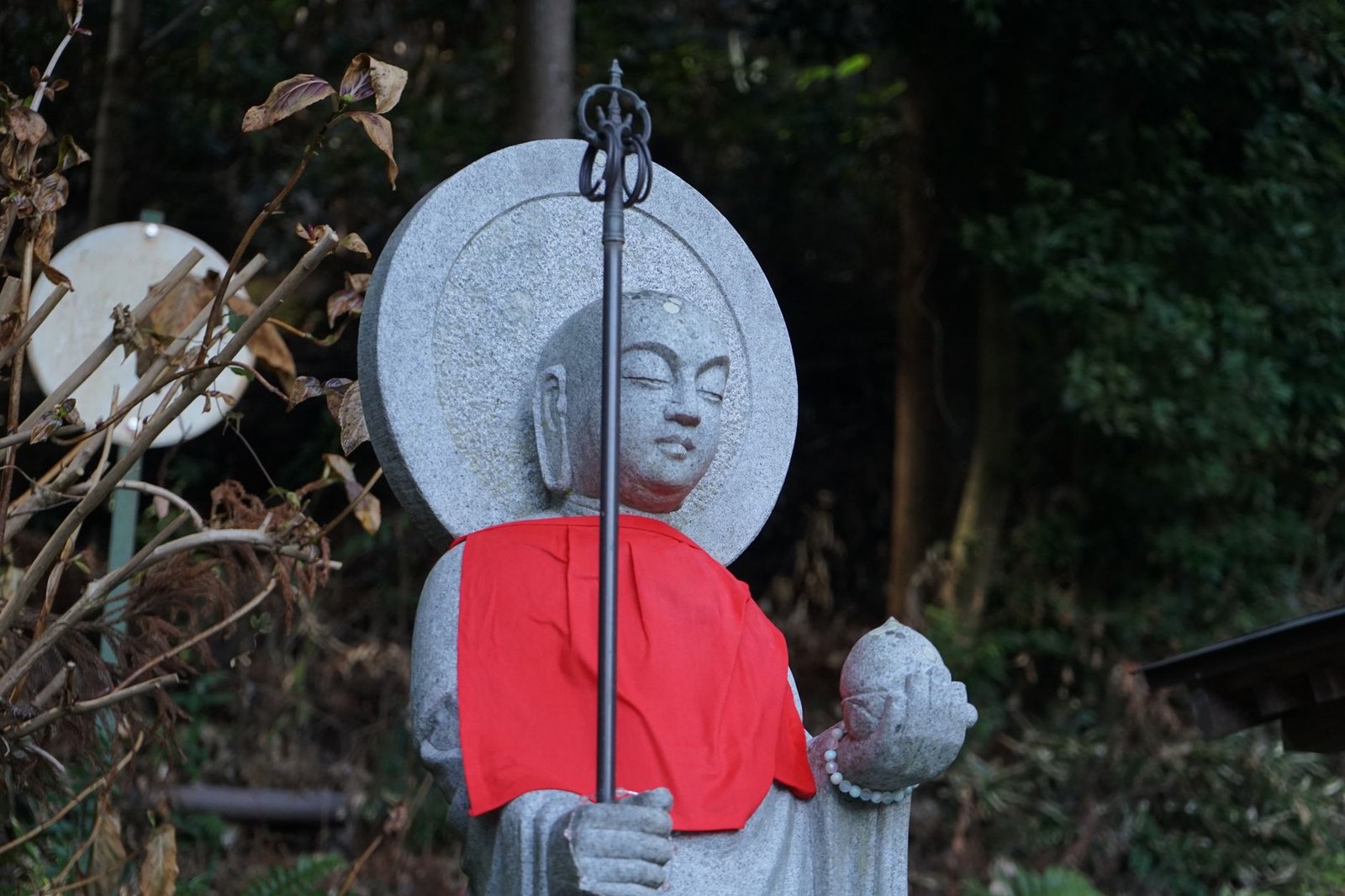
Fukurokuju: Japanese God of Wisdom and Longevity
Fukurokuju is a prominent deity in Japanese folk religion, counted among the Seven Lucky Gods and revered for longevity, wisdom, and good fortune. Blending Chinese Daoist, Japanese, and popular religious traditions, this enigmatic figure is often portrayed with a towering forehead and symbols of long life, inviting deeper exploration of his varied origins and meanings.
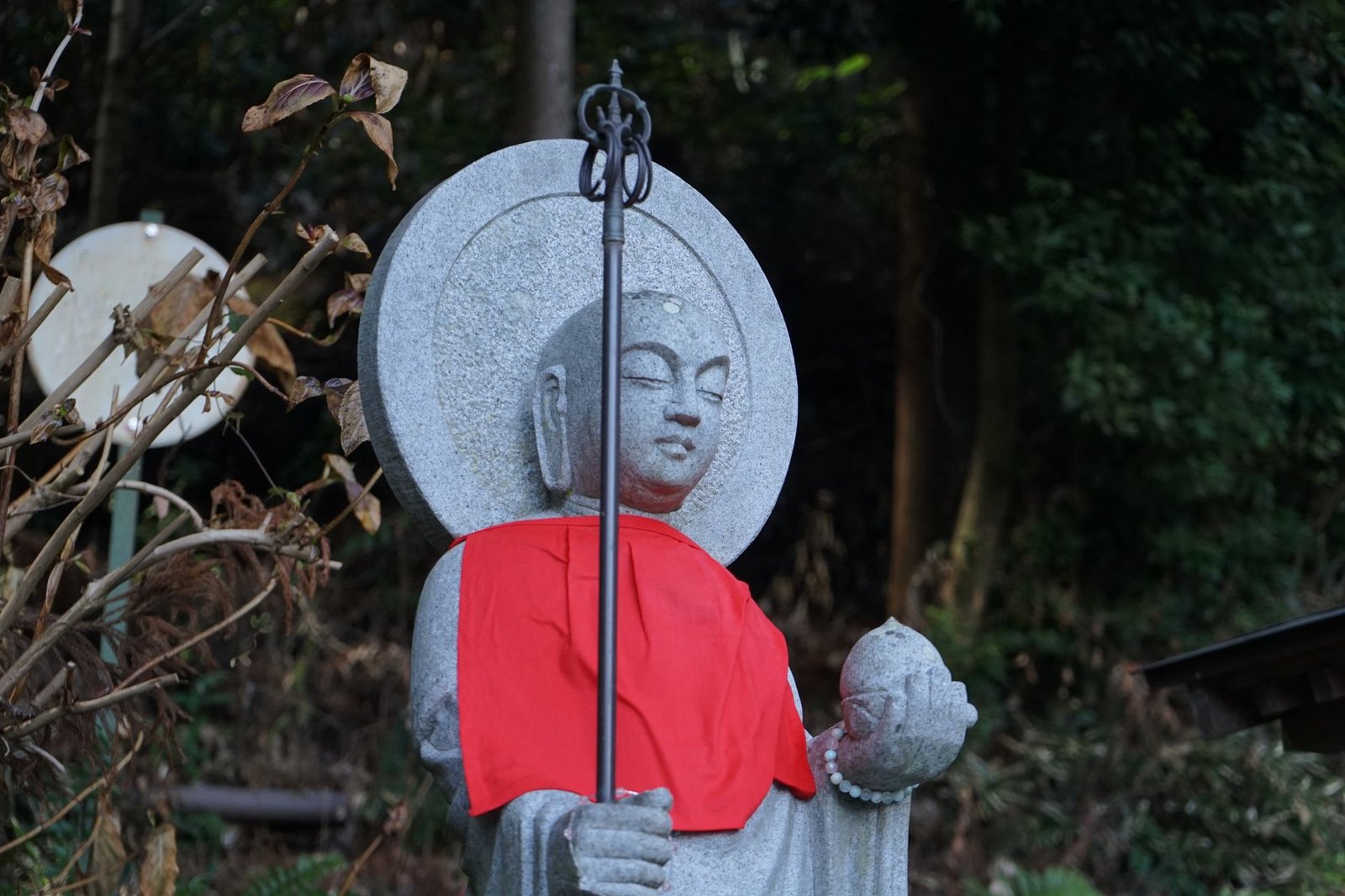
Jurojin: Japanese God of Longevity and Wisdom
Jurojin is a revered figure in Japanese folk religion and art, known as a god of longevity, wisdom, and peaceful old age. As one of the Seven Lucky Gods, his image blends Chinese longevity traditions with Japanese devotion, raising questions about how this composite deity became such a lasting symbol of auspicious living.
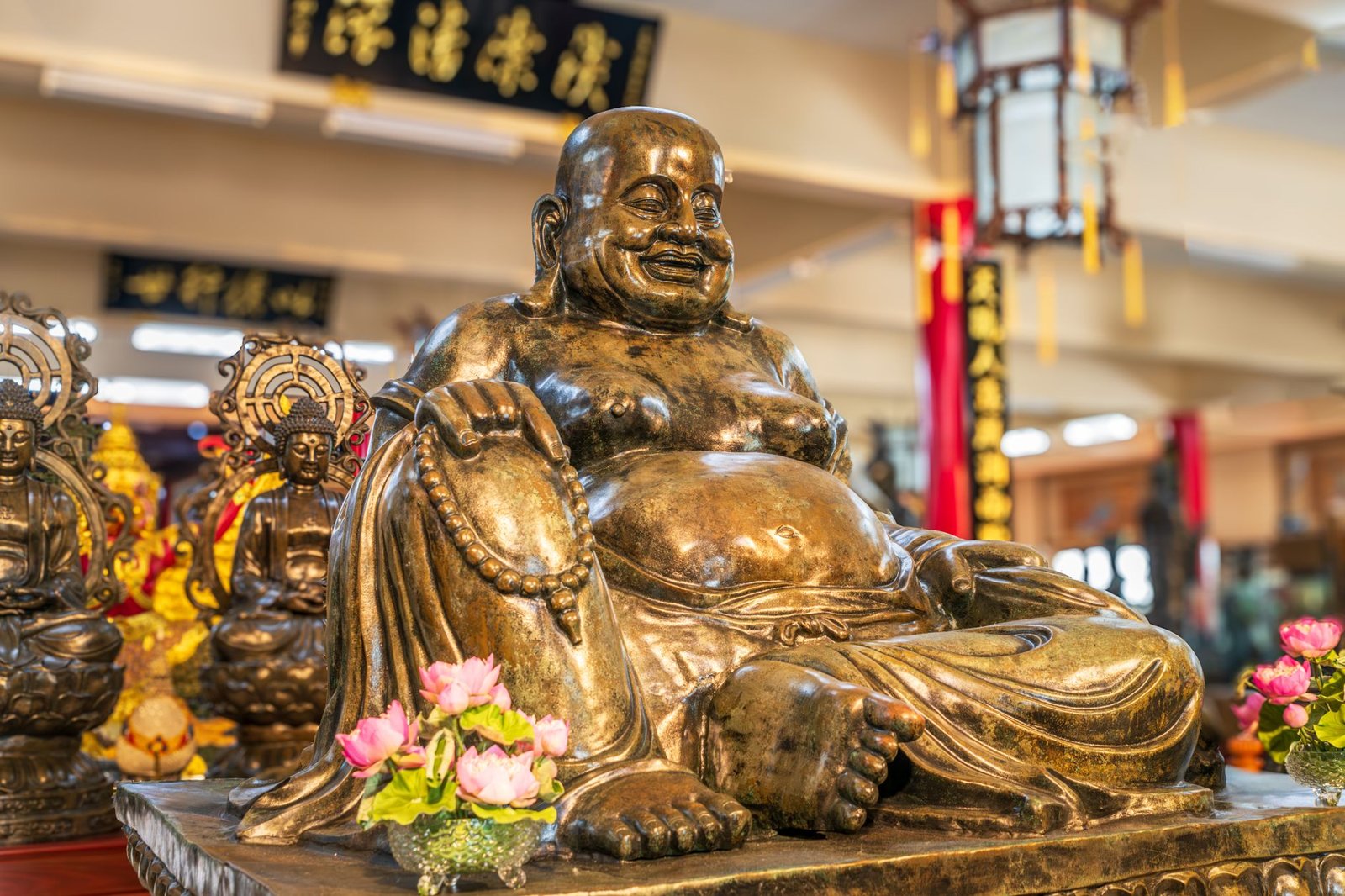
Hotei: Japanese God of Good Fortune and Folklore
Hotei, the smiling monk of Japanese tradition, symbolizes happiness, abundance, and good fortune, and is one of the Seven Lucky Gods honored in folk religion and festival culture. Rooted in the Chinese figure Budai, his image as a rotund bearer of a cloth sack reflects a rich blend of Buddhist history, popular devotion, and enduring cultural symbolism.
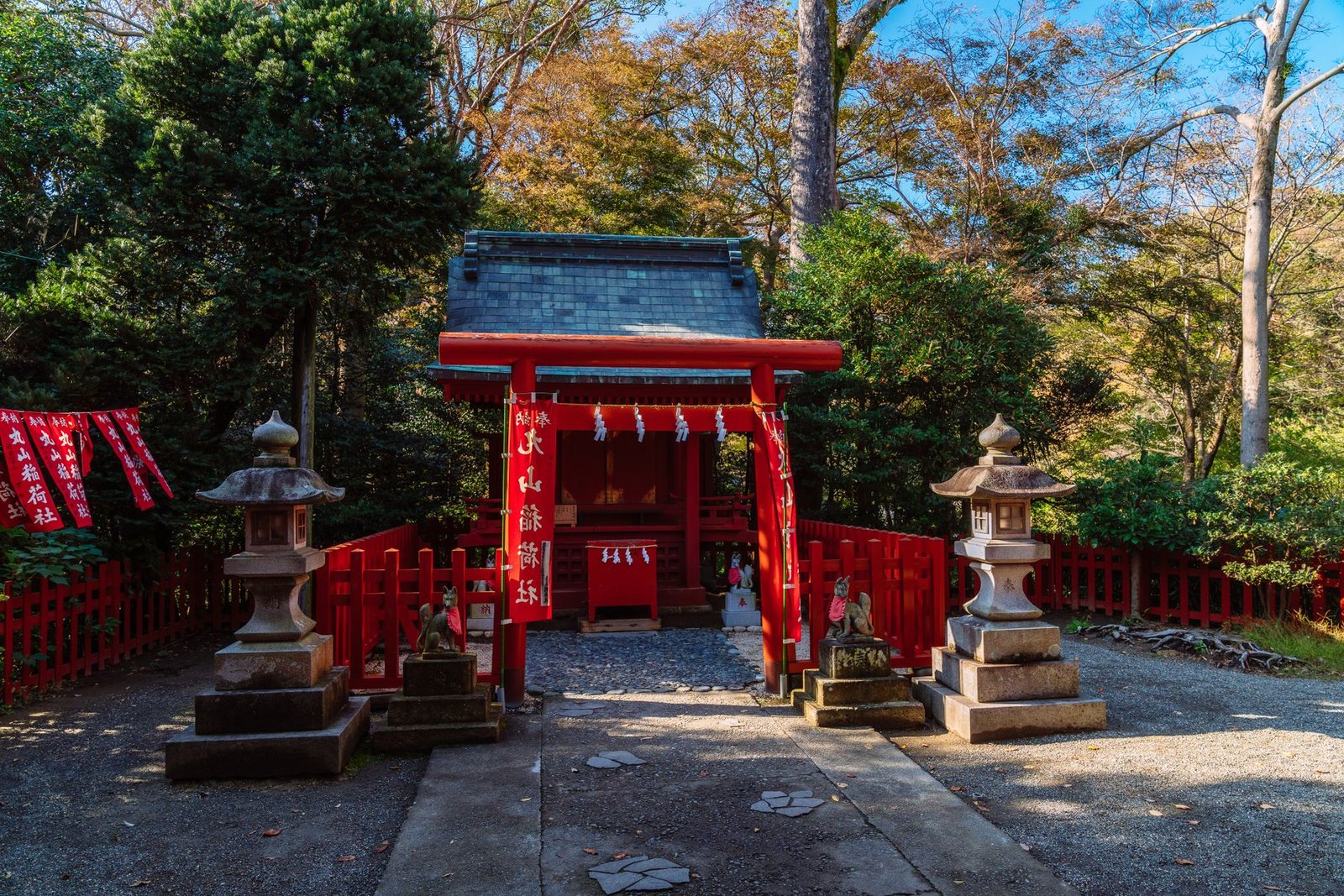
Hachiman: Shinto God of War and Protector of Japan
Hachiman is a major kami in Japanese religion, revered as a protector of warriors, communities, and the imperial house, while also reflecting the blending of native belief with Buddhist influence. This article traces his origins, the meaning of his name, and the rise of Hachiman shrines, revealing why this complex deity became central to Japanese history and worship.
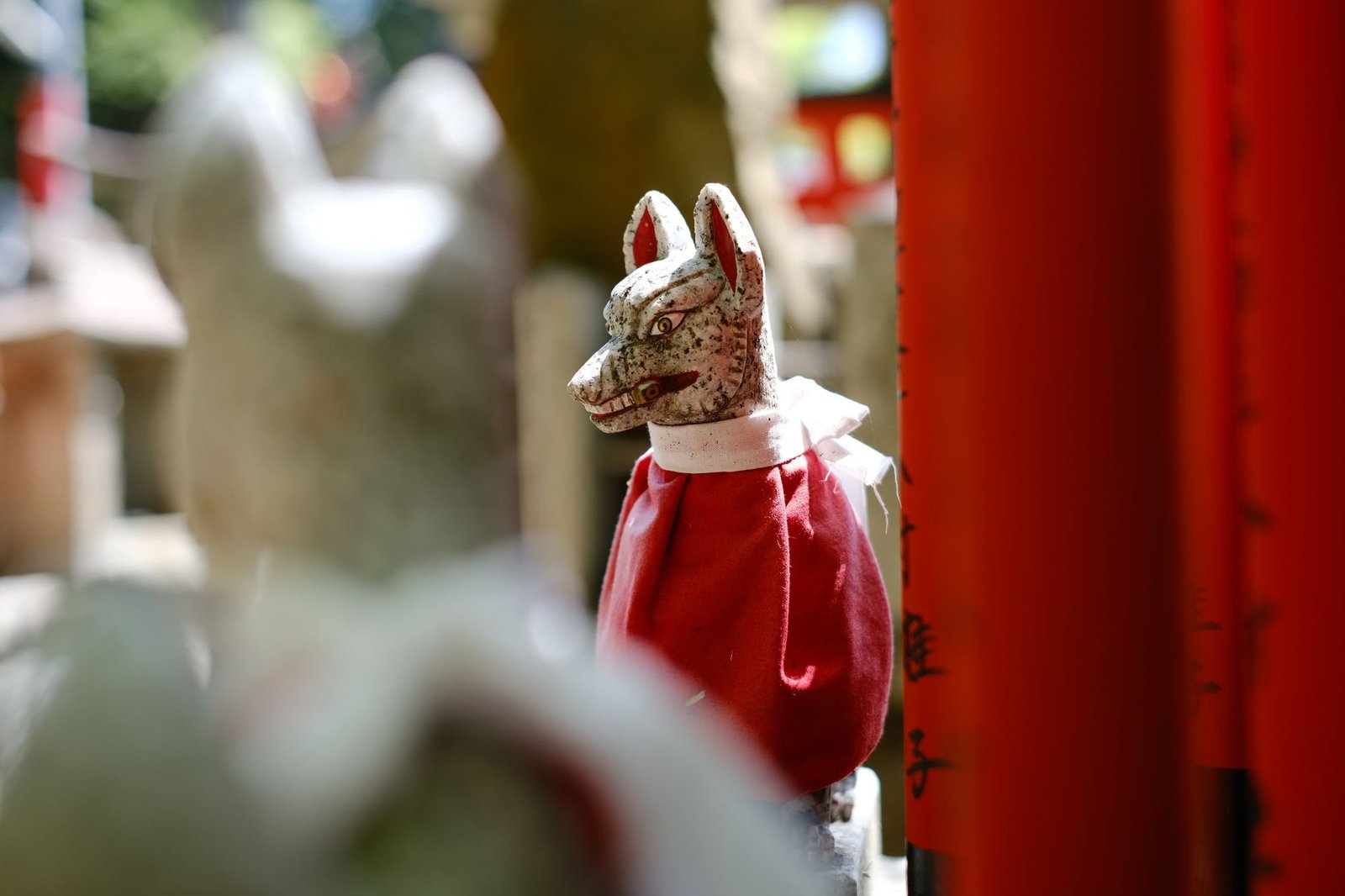
Inari: Japanese Fox Deity and Rice God Explained
Inari is one of Japan’s most venerated deities, traditionally linked to rice, agriculture, prosperity, and the protection of livelihoods, yet its identity has evolved far beyond a single role. This article traces how Inari worship blends Shinto, Buddhist, and folk traditions, exploring the deity’s shifting forms, fox associations, and enduring presence in Japanese culture.
Ninigi: Japanese Mythology Deity and Imperial Ancestor
Ninigi is a central figure in Japanese mythology, remembered as the grandson of Amaterasu and the heavenly envoy whose descent to earth links the gods with Japan’s imperial line. His story, preserved in the Kojiki and Nihon Shoki, reveals how sacred authority, the Three Sacred Treasures, and the origin of the ruling house became joined in a lasting mythic tradition.
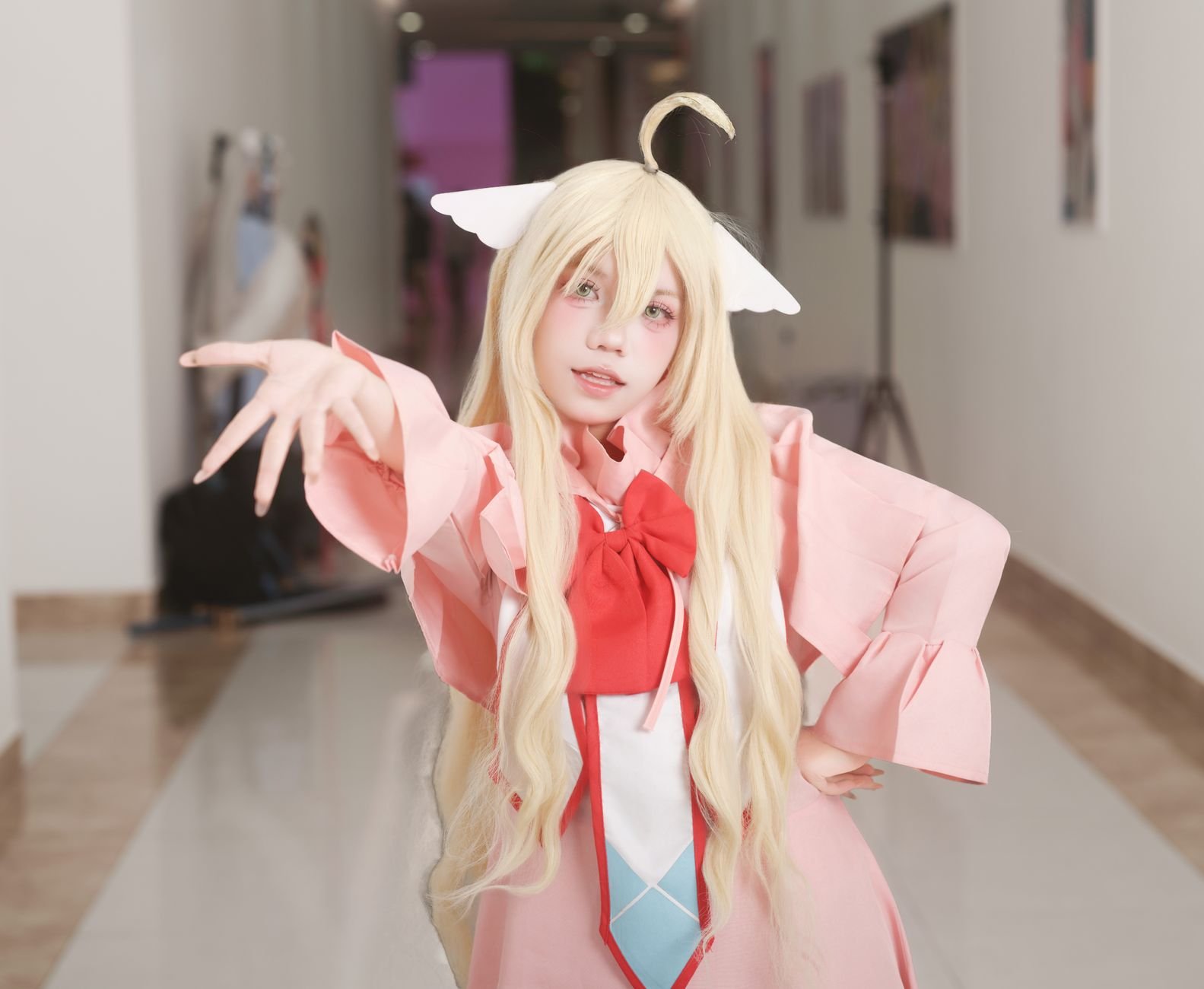
Toyotama-Hime: Japanese Mythology Sea Princess
Toyotama-hime, a pivotal figure in Japanese mythology, is remembered as the sea deity’s daughter and the wife of Hoori, ancestor of the imperial line. Her story in the Kojiki and Nihon Shoki reveals how oceanic divinity, sacred taboos, and mythic lineage shaped early ideas of Japan’s rulership and spiritual origins.
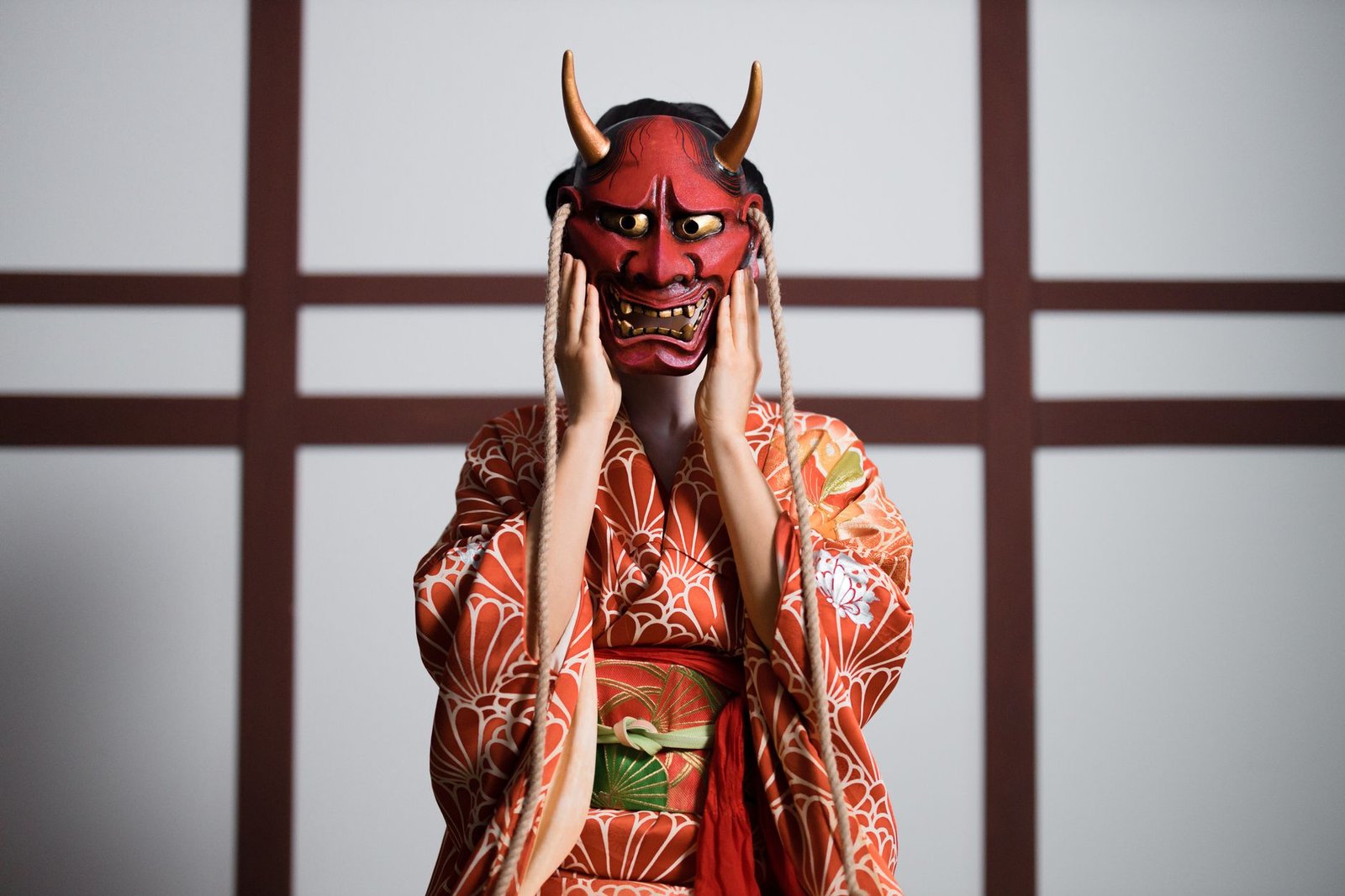
Ame-no-Uzume: Japanese Goddess of Dawn and Dance
Ame-no-Uzume, or Ame-no-Uzume-no-Mikoto, is a central deity in Japanese mythology, celebrated for dance, mirth, and the power to bring hidden things into the light. Best known for luring Amaterasu from a cave and restoring the world’s sunlight, she also shaped Shinto ritual, kagura, and traditions of performance, fertility, and renewal.
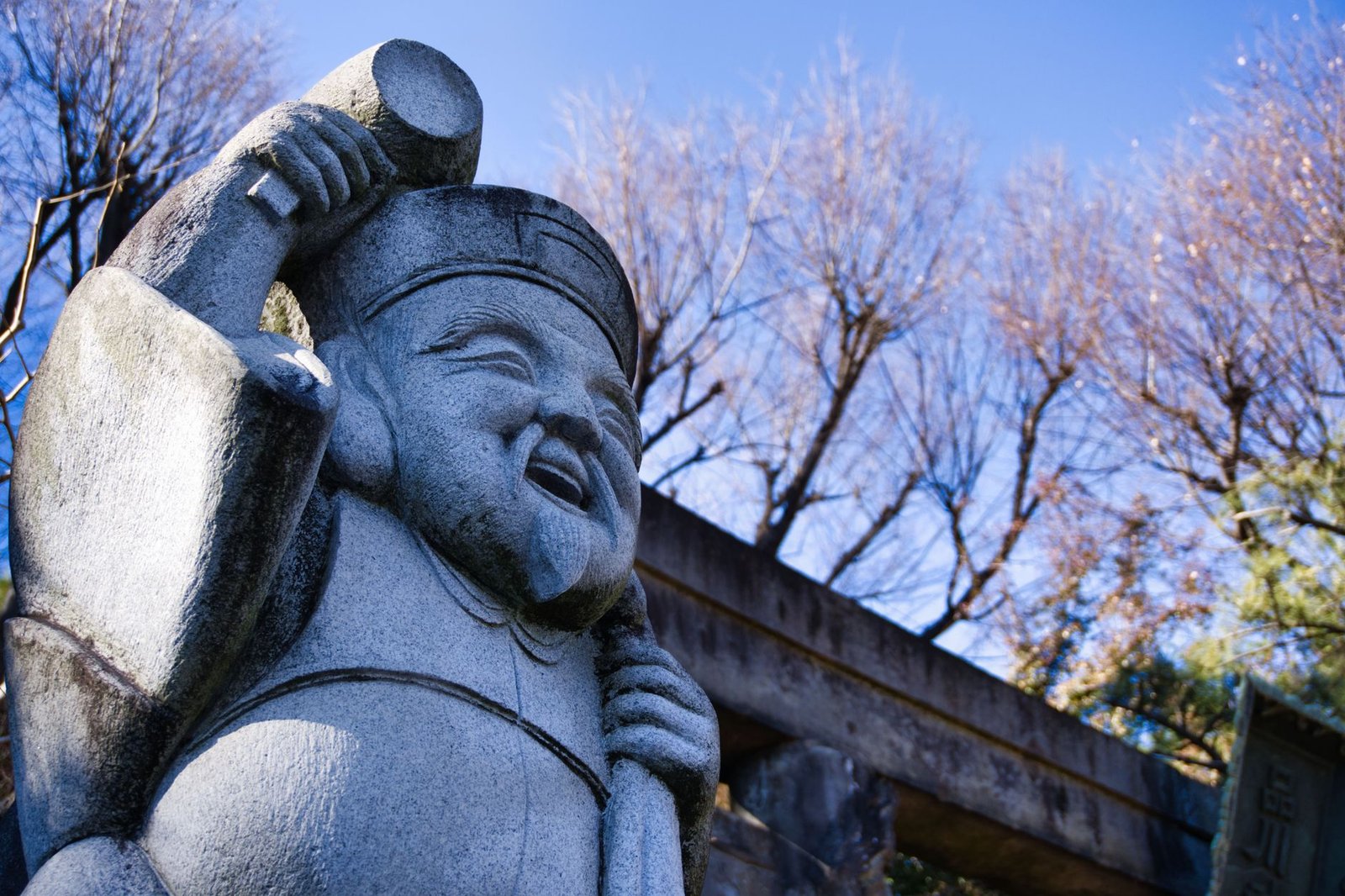
How Many Gods Are There in Shinto? Yaoyorozu No Kami
In Shinto, the answer to “how many gods are there” is not a fixed number but the idea of **Yaoyorozu no Kami**, or countless kami present in nature, communities, ancestors, and everyday life. This article explains why “eight million gods” is a symbolic expression, how it shaped Shinto belief, and what it reveals about Japan’s sacred worldview.
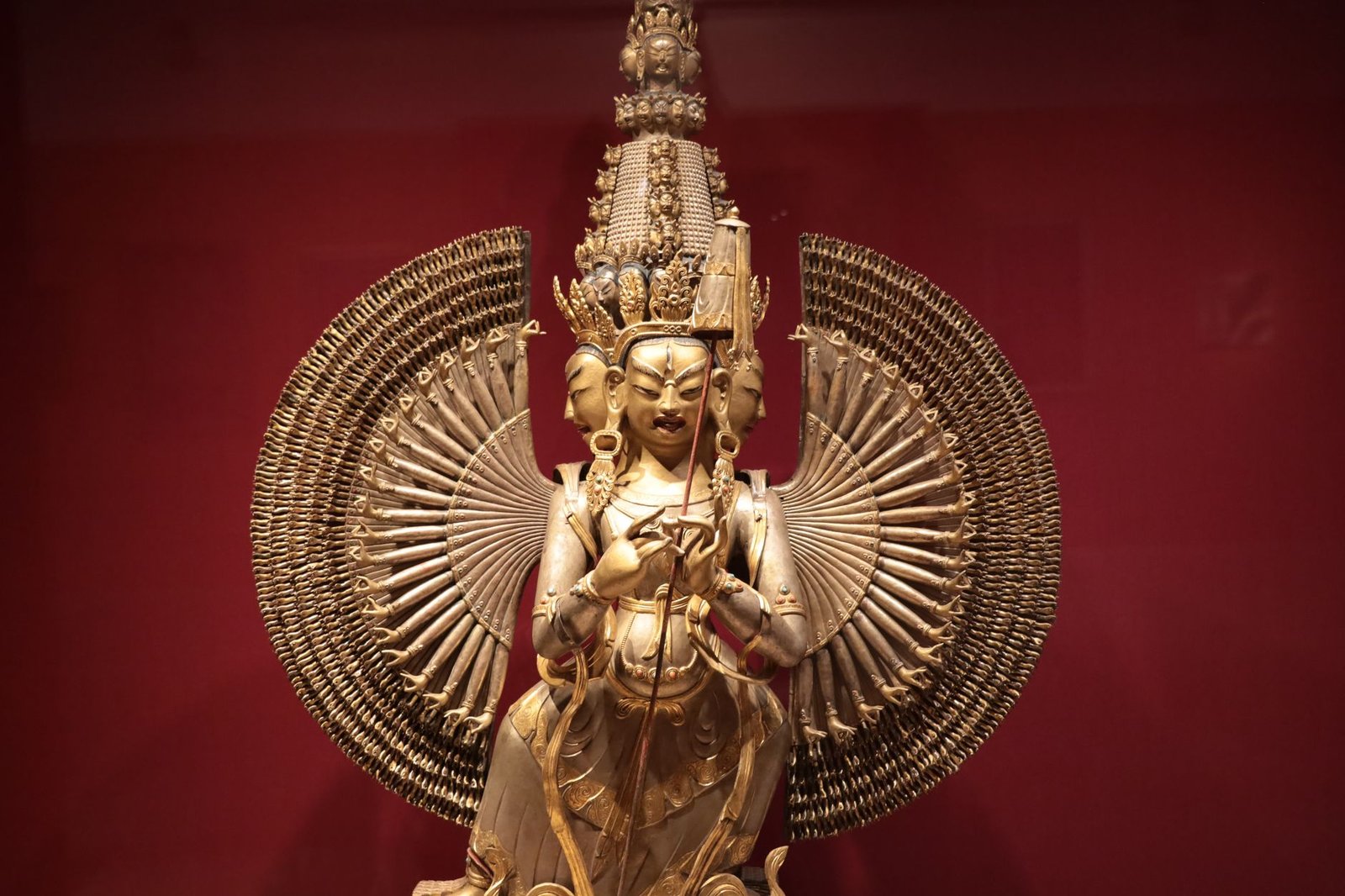
Who Is the Supreme Deity in Shinto? Explained
In answering who is the supreme deity in Shinto, many scholars point to Amaterasu Ōmikami, the sun goddess whose mythic role links light, order, and the imperial line of Japan. Yet Shinto’s flexible tradition of kami worship leaves room for regional beliefs, historical shifts, and competing interpretations that make her status more nuanced than it first appears.