Japanese folklore’s yokai range from monstrous serpents defeated by the gods to mischievous shapeshifters and eerie spirits of the night. This guide brings together the essential creatures of Japanese mythology, from the eight-headed Yamata no Orochi to the internet-famous Amabie.
Legendary Serpents and Monsters of Myth
Yamata no Orochi
Yamata no Orochi, an eight-headed, eight-tailed serpent, terrorized the Izumo region until the storm god Susanoo defeated it with sake and discovered the sacred sword Kusanagi within its tail.
Nue
The Nue, a chimeric creature with the head of a monkey, body of a raccoon dog, limbs of a tiger, and tail of a snake, was said to bring illness and misfortune to the imperial court through its eerie nocturnal cries.
Namazu
Namazu, a giant catfish believed to dwell beneath Japan, was said to cause earthquakes whenever it thrashed, held in check only by a guardian deity pressing a massive stone down upon its head.
Tricksters and Shapeshifters
Kitsune
Kitsune, intelligent fox spirits capable of shapeshifting, grow additional tails as they age and gain wisdom, ranging in folklore from benevolent messengers of Inari to mischievous or even dangerous tricksters.
Tanuki
Tanuki, shapeshifting raccoon dogs known for their mischief and good humor, are a beloved figure in Japanese folklore, often depicted with exaggerated features and a talent for playful illusion.
Tengu
Tengu, mountain-dwelling spirits often depicted with long noses and bird-like features, were traditionally feared as dangerous tricksters but later became associated with martial arts mastery and mountain asceticism.
Kappa
Kappa are river-dwelling yokai known for their mischief, cucumber cravings, and the water-filled dish atop their heads that must remain full to sustain their strength.
Yokai of the Night and the Supernatural
Yuki-onna
The Yuki-onna, or “snow woman,” appears during snowstorms as a hauntingly beautiful figure, with folklore varying between tales of deadly encounters and stories of unexpected mercy toward travelers.
Rokurokubi
The Rokurokubi appears human by day, but at night its neck stretches to impossible lengths, allowing its head to wander and observe unseen while its body remains asleep.
Jorogumo
Jorogumo is a shapeshifting spider yokai capable of transforming into a beautiful woman to lure victims close before ensnaring them in her supernatural web.
Futakuchi-onna
The Futakuchi-onna is a yokai woman possessing a second mouth hidden beneath her hair, said to demand food constantly and often linked to folktales warning against greed or neglect.
Hitotsume-kozo
Hitotsume-kozo is a mischievous but generally harmless one-eyed child yokai, often appearing suddenly to startle travelers rather than cause any lasting harm.
Gashadokuro
The Gashadokuro is a massive skeletal yokai said to form from the collected bones of those who died violently and without proper burial, roaming battlefields in search of the living.
Spirits of Dreams and the Sea
Baku
The Baku, a chimeric creature resembling a blend of elephant, tiger, and other animals, was traditionally invoked to devour nightmares, offering protection to those plagued by bad dreams.
Umibozu
The Umibozu is a mysterious sea spirit said to rise silently from calm waters to capsize boats, a figure deeply embedded in the folklore and superstitions of Japanese fishing communities.
Amabie
The Amabie, a prophetic creature said to have emerged from the sea during the Edo period, foretold both a bountiful harvest and an approaching epidemic, instructing witnesses to share its image to ward off illness.
Guardians and Omens
Oni
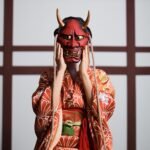
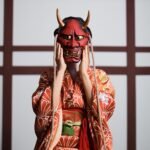
Oni are horned, fearsome demon-like figures in Japanese folklore, traditionally driven away each year during the Setsubun festival through the ritual throwing of roasted beans.
Kirin
The Kirin, a chimeric and gentle creature adapted from the Chinese qilin, is regarded as an auspicious omen in Japanese tradition, said to appear only in times of wise and peaceful rule.
Nurikabe
The Nurikabe is an invisible wall-like yokai believed to block travelers on lonely roads at night, said to be defeated only by striking low near its base to make it vanish.
Shisa
Shisa are lion-dog guardian statues from Okinawa, closely related to the mainland komainu, traditionally placed at rooftops and entrances to protect homes from evil spirits.
Clarifications and Distinctions
Difference Between a Yokai and a Kami
Kami are generally regarded as sacred spirits worthy of worship and reverence, while yokai encompass a broader, more ambiguous category of supernatural beings that may be mischievous, dangerous, or simply strange, without necessarily being divine.
Kitsune: Good Spirit or Evil Trickster?
Kitsune occupy an ambiguous moral space in Japanese folklore, capable of appearing as benevolent messengers of Inari in one tale and dangerous, deceptive tricksters in another, depending on the specific story and regional tradition.
Is the Amabie a Traditional Yokai or a Modern Internet Phenomenon?
While the Amabie is a genuine Edo-period folkloric figure documented in historical records, its massive popularity is a distinctly modern phenomenon, having gone viral online during the 2020 COVID-19 pandemic as a symbol of protection.
Difference Between Oni and Tengu
Oni are generally straightforwardly fearsome demon-like figures associated with malevolence and punishment, while tengu are more ambiguous mountain spirits capable of both dangerous trickery and respected martial wisdom.
Frequently Asked Questions
What is the most famous yokai in Japanese folklore?
Kitsune and tengu are among the most widely recognized yokai, appearing extensively across historical folklore, literature, and modern popular culture.
What does “yokai” actually mean?
Yokai is a broad Japanese term referring to supernatural beings, spirits, and phenomena, ranging from mischievous pranksters to genuinely dangerous monsters.
Are yokai considered evil?
Not necessarily — while some yokai are dangerous or malevolent, many are simply mischievous, morally ambiguous, or even helpful, reflecting a much broader spectrum than simple good versus evil.
Why are foxes and raccoon dogs so common in Japanese folklore?
Kitsune and tanuki reflect a long-standing Japanese folkloric tradition of animals capable of shapeshifting and trickery, often blurring the line between the natural and supernatural worlds.
What is the connection between yokai and natural disasters?
Creatures like Namazu the catfish reflect Japan’s cultural relationship with natural disasters, using mythology to explain and process the causes of earthquakes and other calamities.
Why did the Amabie become so popular recently?
The Amabie’s historical association with plague prevention made it a natural symbol for public health campaigns and social media during the COVID-19 pandemic, reviving interest in an obscure Edo-period folk figure.
Are there regional variations in Japanese monster folklore?
Yes — figures like the Okinawan Shisa reflect distinct regional traditions within the broader landscape of Japanese folklore, shaped by local culture and history.
Do yokai still appear in modern Japanese culture?
Yes — yokai remain hugely popular in modern anime, manga, video games, and folklore-inspired art, reflecting their enduring presence in Japanese cultural imagination.

Orin Vale has spent the better part of two decades tracing the threads that connect the world’s oldest stories — from the halls of Asgard to the banks of the Nile, from Olympus to the jungles of the Maya. What began as a childhood fascination with flood myths and trickster gods grew into years of independent study across comparative mythology and ancient religion, always chasing the same question: what did these stories mean to the people who first told them? Orin writes for readers who want more than trivia — the ones looking for the beliefs, fears, and truths that myths were built to carry.