Japanese Mythology
Japanese Creatures and Monsters: The Complete Guide
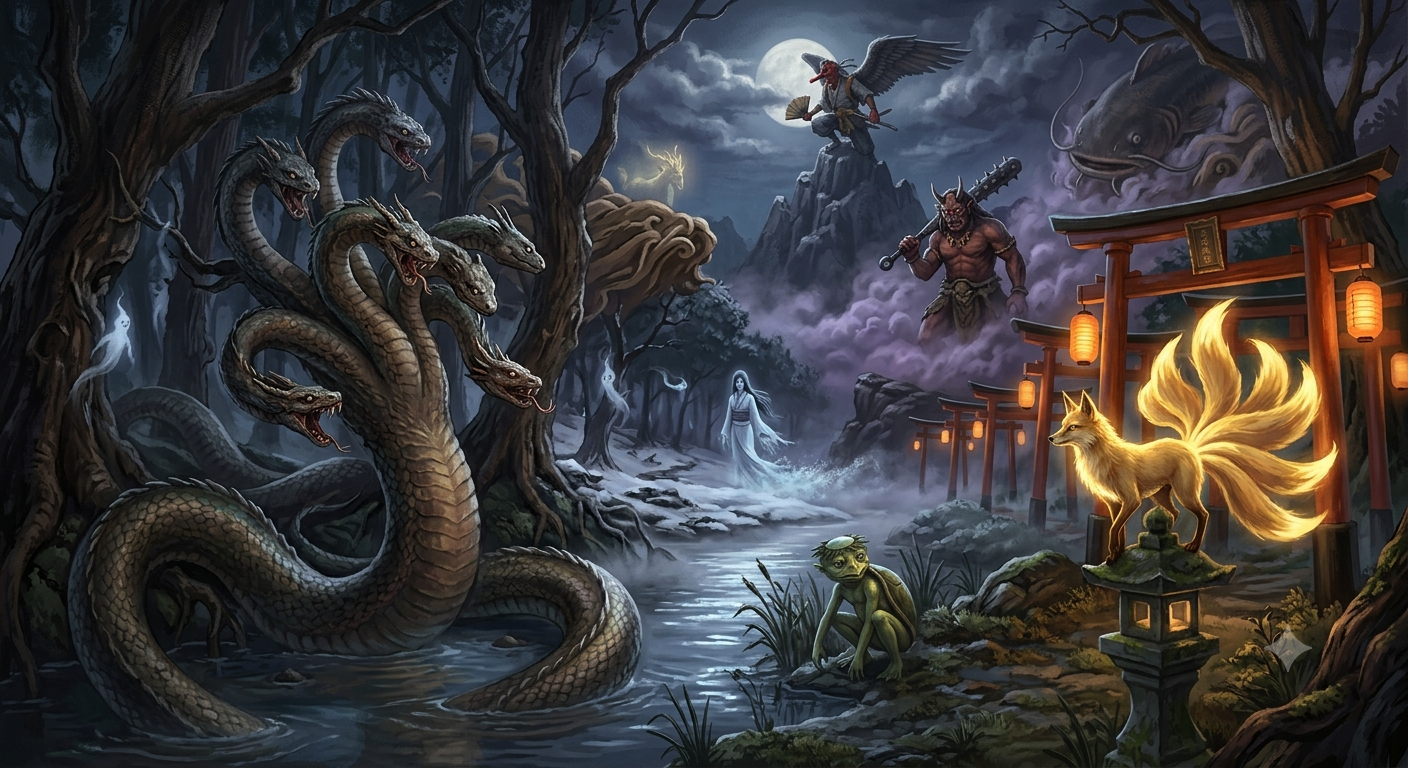
Japanese folklore’s yokai range from monstrous serpents defeated by the gods to mischievous shapeshifters and eerie spirits of the night. ...
Yamata no Orochi: Japanese Eight-Headed Serpent Myth
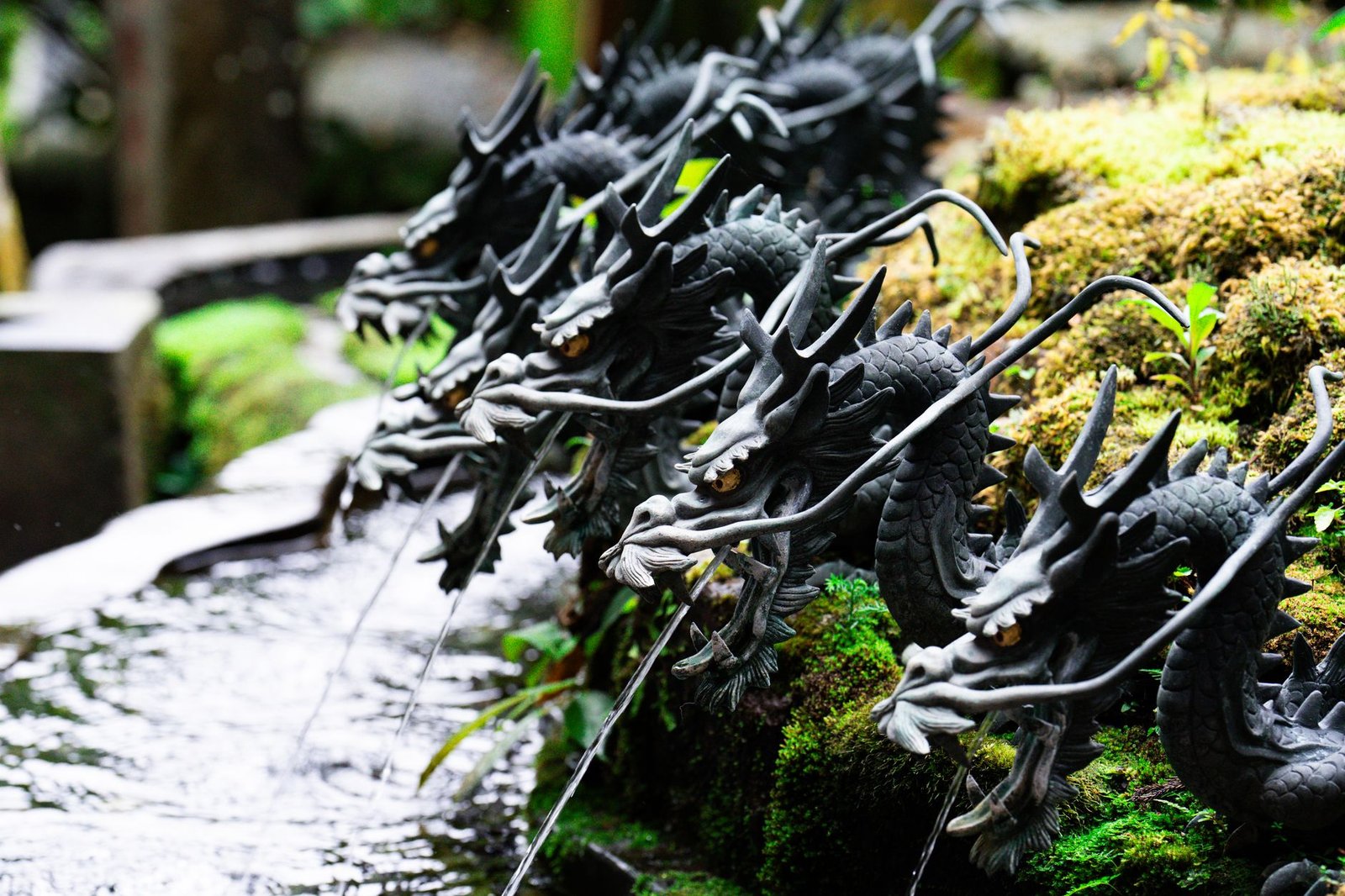
Yamata no Orochi is the legendary eight-headed serpent of Japanese mythology, best known from the *Kojiki* and *Nihon Shoki*, where the storm god Susanoo defeats it and gains the sacred sword Kusanagi-no-Tsurugi. Its myth links divine combat, ritual sacrifice, and royal legitimacy, revealing why this fearsome creature has remained central to Japanese religious tradition and cultural imagination.
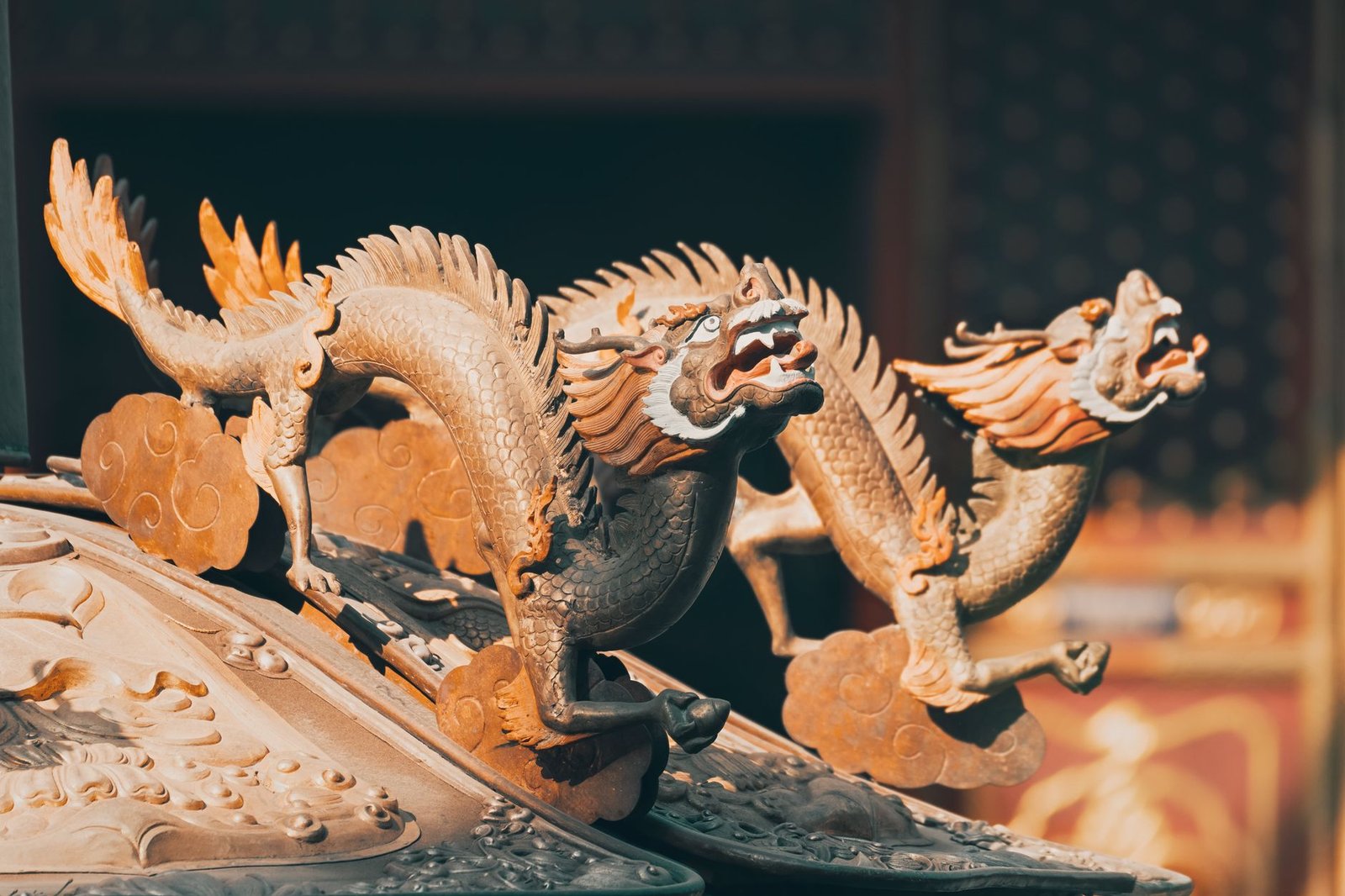
Nue: Japanese Mythical Chimera and Folklore Creature
The **nue** is a haunting figure in Japanese mythology, remembered as a hybrid monster whose shifting form and eerie cry were linked to illness, omen, and courtly anxiety. From its uncertain origins to its famous role in *The Tale of the Heike*, the nue reveals how literature and legend turned ambiguity into lasting cultural power.
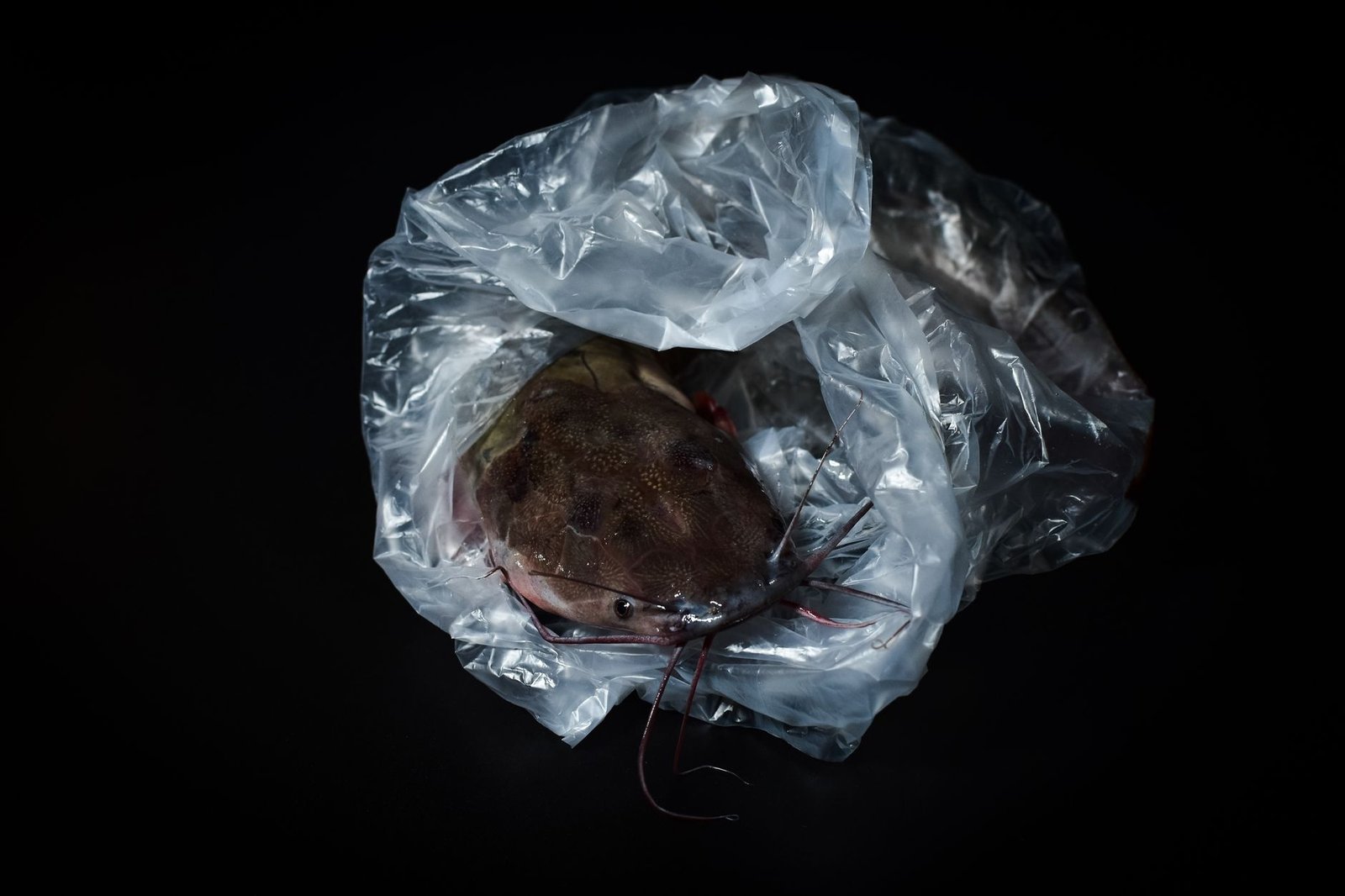
Namazu: The Japanese Earthquake Catfish Myth
Namazu is the giant catfish of Japanese mythology, best known as the hidden force believed to trigger earthquakes when it stirs beneath the earth. Rooted in folklore, Edo-period prints, and religious interpretation, the story reveals how a single image came to embody disaster, moral order, and enduring cultural meaning.
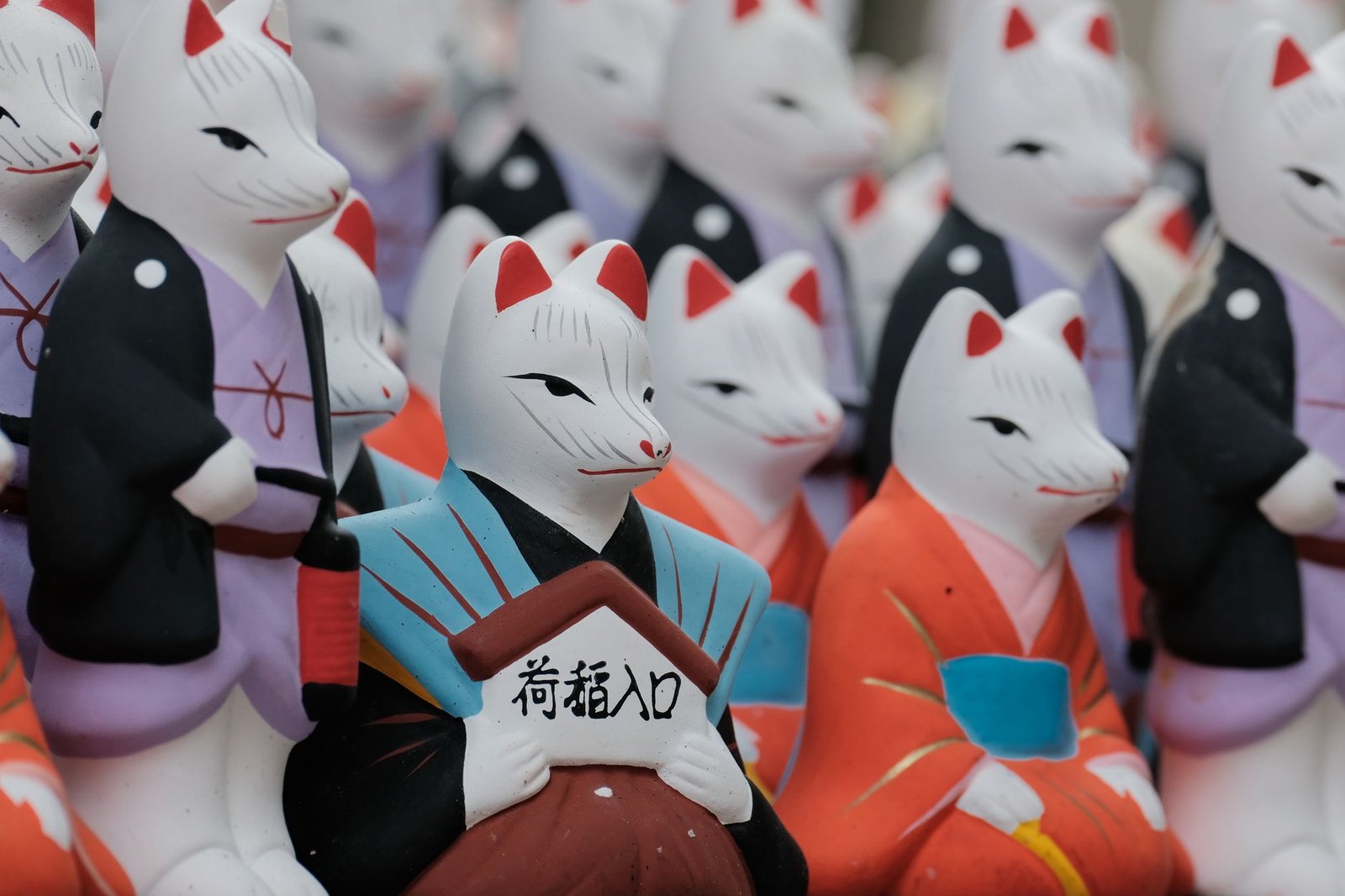
Kitsune: Japanese Fox Spirit in Folklore and Mythology
Kitsune are foxes of Japanese folklore, but they are far more than animals: they are shapeshifters, messengers of Inari, and enduring symbols of intelligence, mystery, and divine power. Their stories reveal how religion, legend, and everyday life intertwined in Japan, and why these elusive beings still captivate readers today.
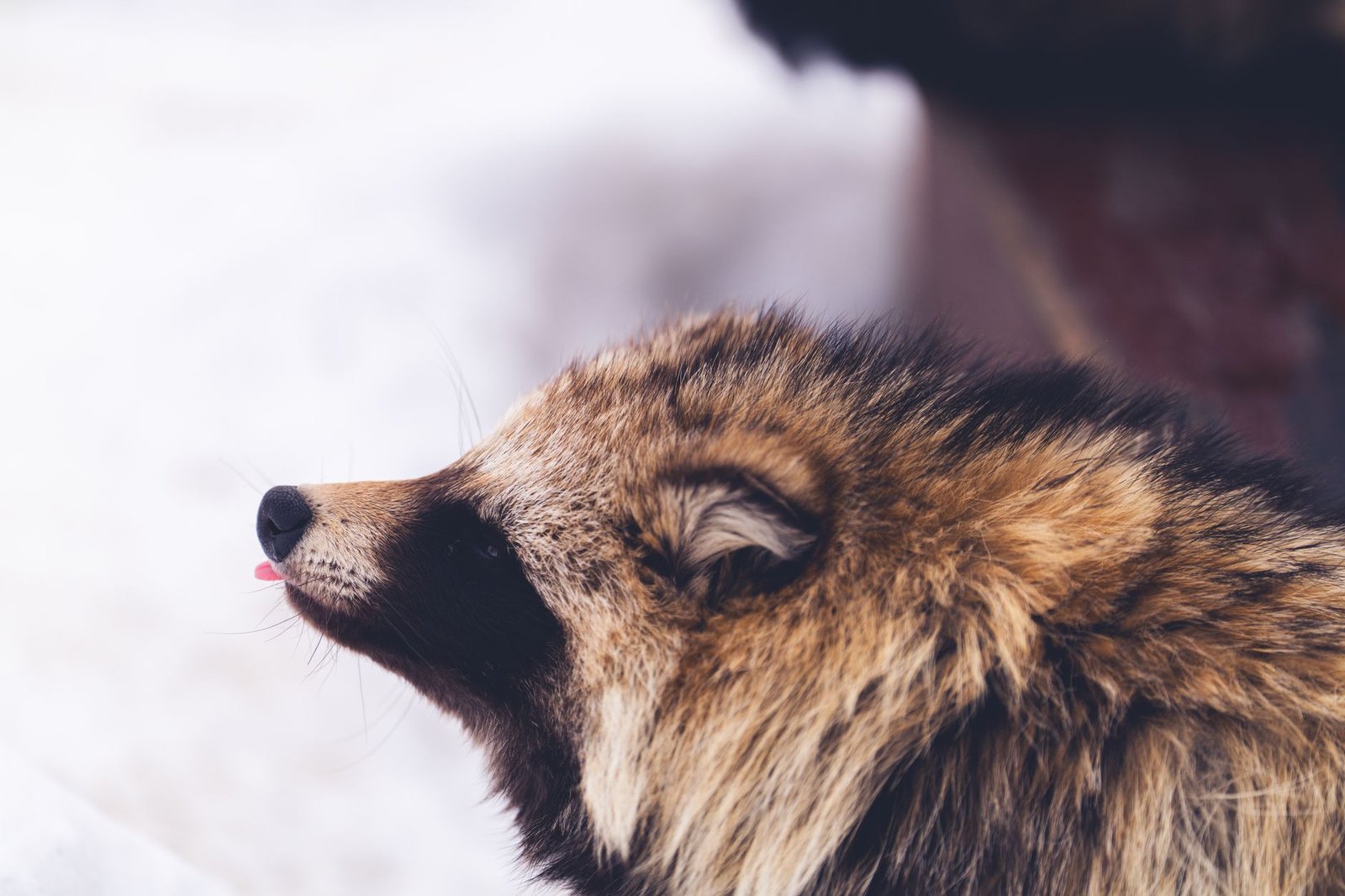
Tanuki: Japanese Raccoon Dog Facts and Folklore
The tanuki, or Japanese raccoon dog, is both a real animal and a celebrated figure in Japanese folklore, where it appears as a shape-shifting yōkai linked to mischief, illusion, prosperity, and good fortune. Tracing its roles in myth, temple lore, art, and popular culture reveals how this playful creature became one of Japan’s most enduring symbolic images.
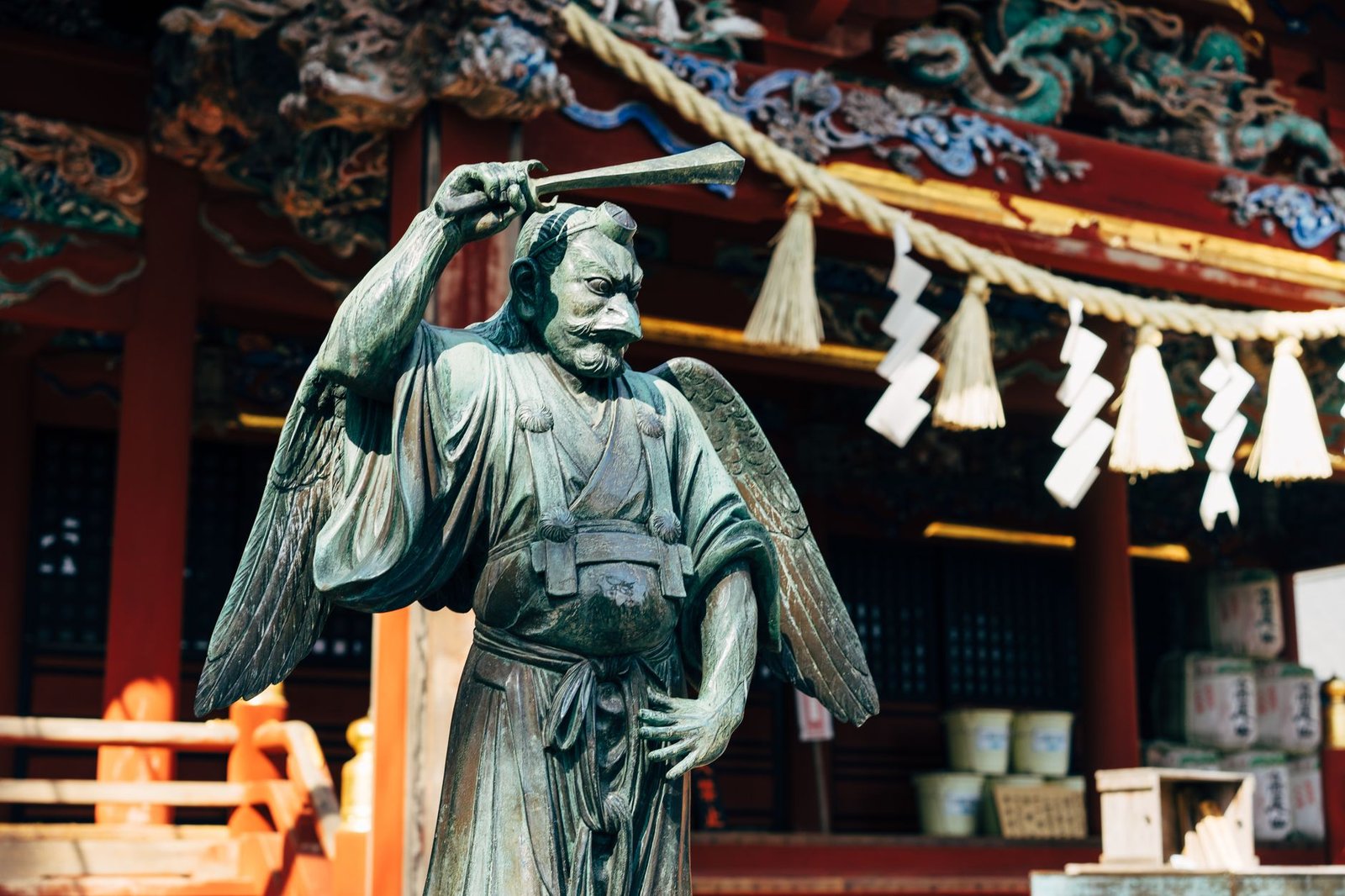
Tengu: Japanese Mythical Creature and Folklore Guide
Tengu are enduring figures in Japanese mythology, blending older celestial omen lore with later traditions of mountain spirits, martial discipline, and religious warning. This article traces how the tengu evolved from a feared disruptive presence into the red-faced, long-nosed being familiar today, while revealing its links to Shinto, Buddhism, and ascetic practice.
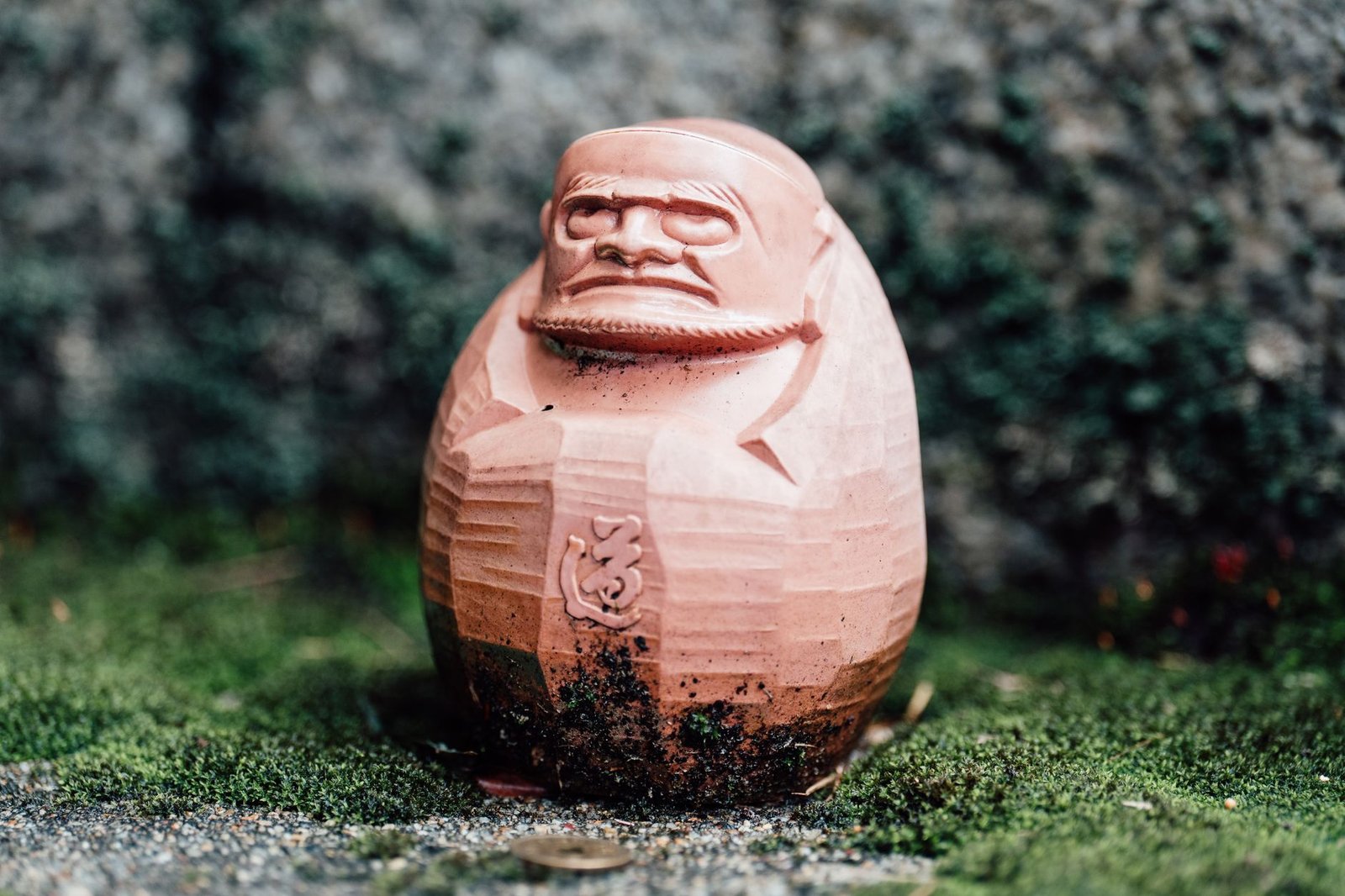
Kappa: Definition, Origin, and Cultural Meaning
The kappa is a central figure in Japanese folklore, a river spirit linked to ponds, streams, and canals, where it is portrayed as both playful and perilous. This article explores its historical names, cultural meanings, and enduring presence in stories, festivals, and modern media, revealing why this water creature still shapes Japanese imagination.

Yuki-Onna: Japanese Snow Woman Folklore and Legend
Yuki-onna, the “snow woman” of Japanese folklore, is a yōkai whose haunting presence links winter landscapes with beauty, peril, and the mystery of death by cold. From regional oral tales to Lafcadio Hearn’s influential retellings, her enduring image reveals how Japanese tradition, literature, and modern media continue to reimagine her in strikingly different ways.
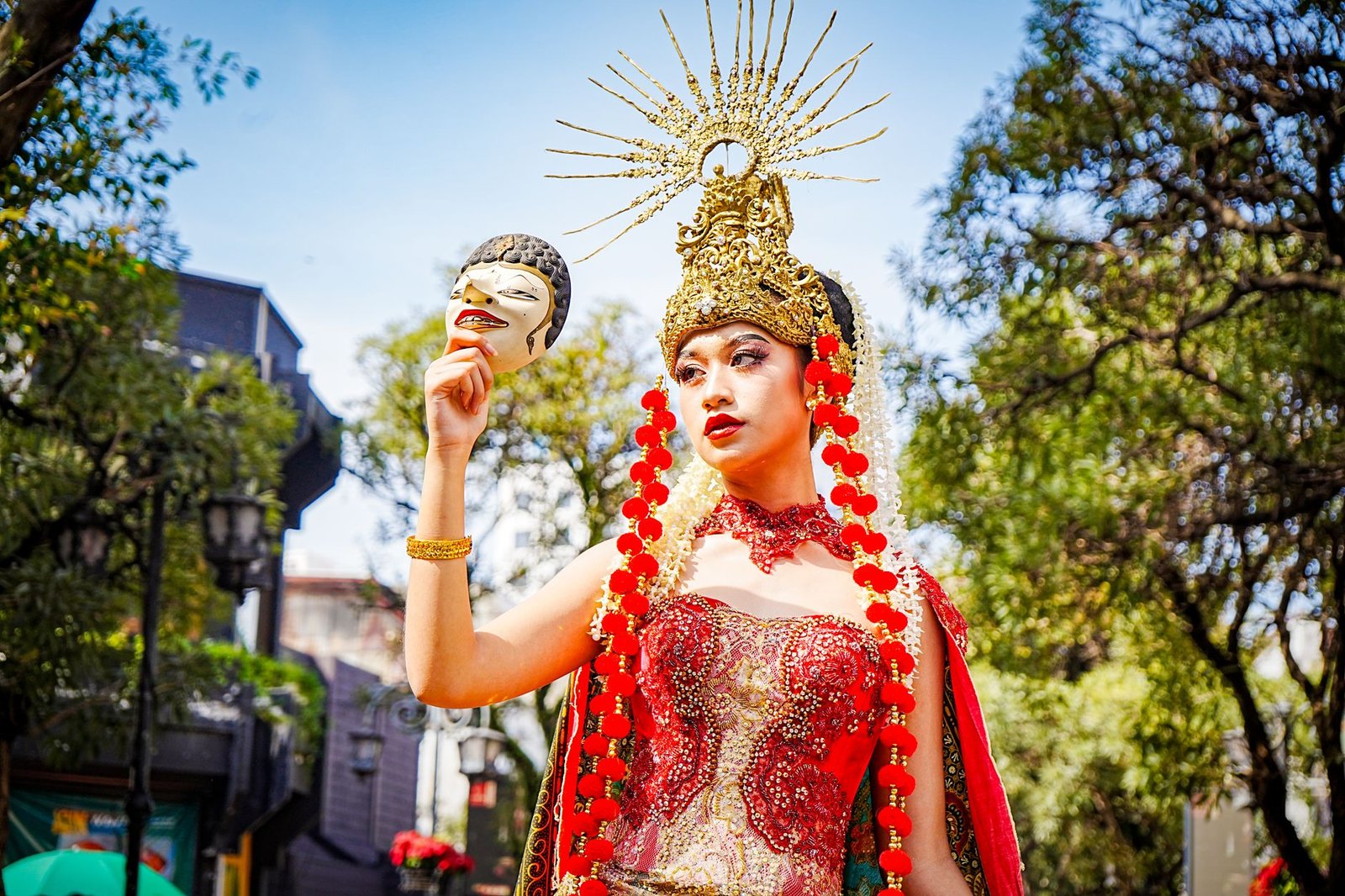
Rokurokubi: Japanese Yokai Legend and Folklore Explained
The rokurokubi is a striking figure in Japanese folklore, appearing human by day but revealing a supernatural nature at night, when its neck may stretch unnaturally or its head may detach and wander. Rooted in yōkai tradition, ghost lore, and moral tales, the rokurokubi offers a revealing glimpse into changing ideas of hidden identity, impurity, and the thin boundary between human and monstrous.