Japanese mythology
Japanese Creatures and Monsters: The Complete Guide
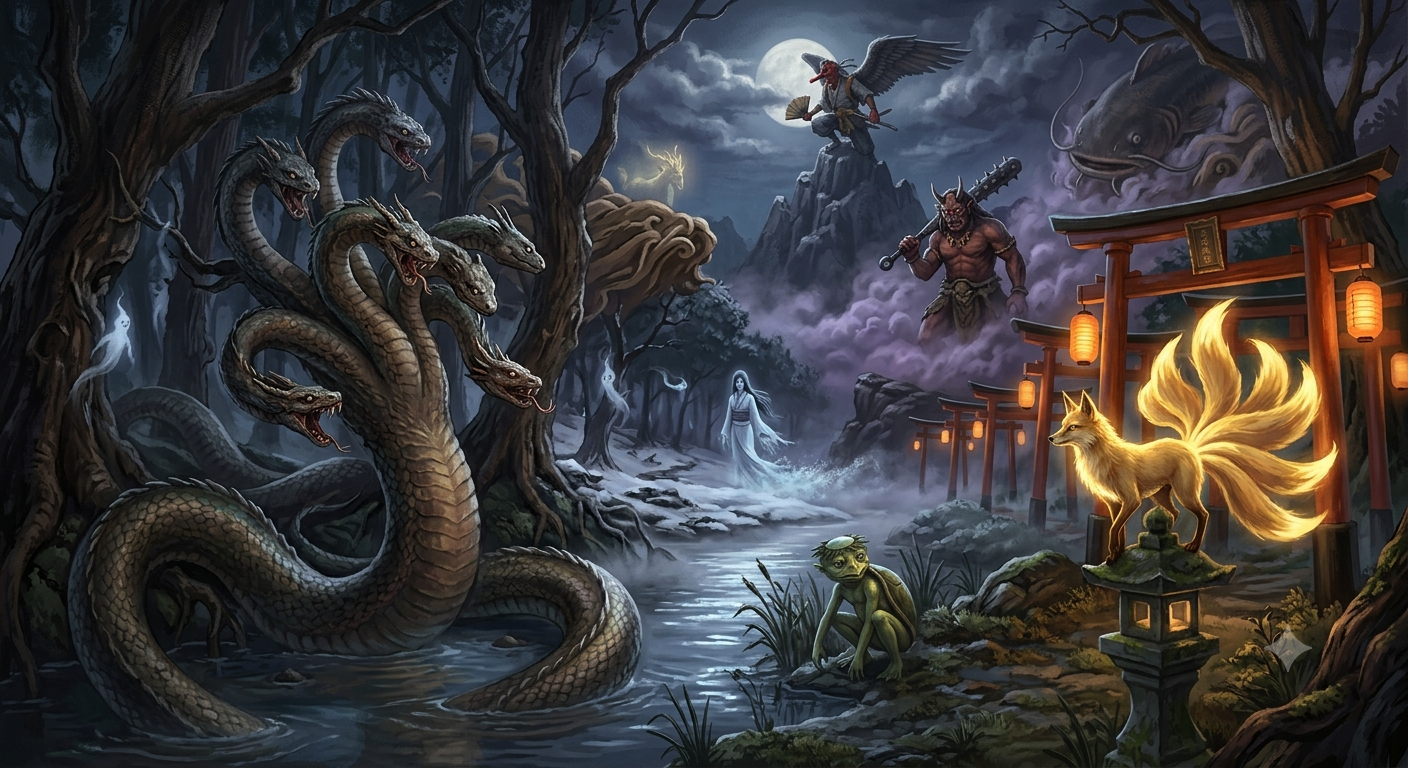
Japanese folklore’s yokai range from monstrous serpents defeated by the gods to mischievous shapeshifters and eerie spirits of the night. ...
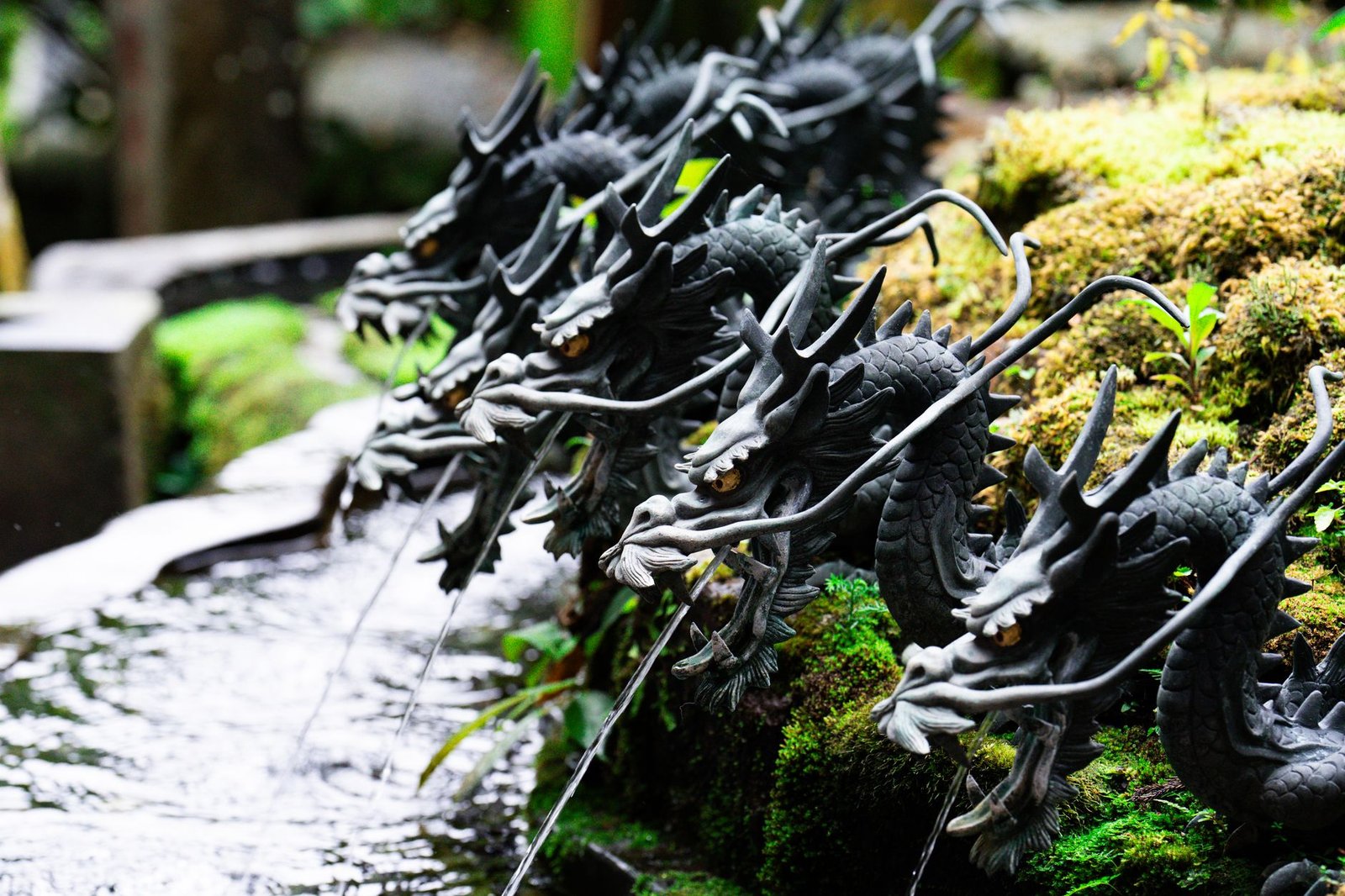
Yamata no Orochi: Japanese Eight-Headed Serpent Myth
Yamata no Orochi is the legendary eight-headed serpent of Japanese mythology, best known from the *Kojiki* and *Nihon Shoki*, where the storm god Susanoo defeats it and gains the sacred sword Kusanagi-no-Tsurugi. Its myth links divine combat, ritual sacrifice, and royal legitimacy, revealing why this fearsome creature has remained central to Japanese religious tradition and cultural imagination.
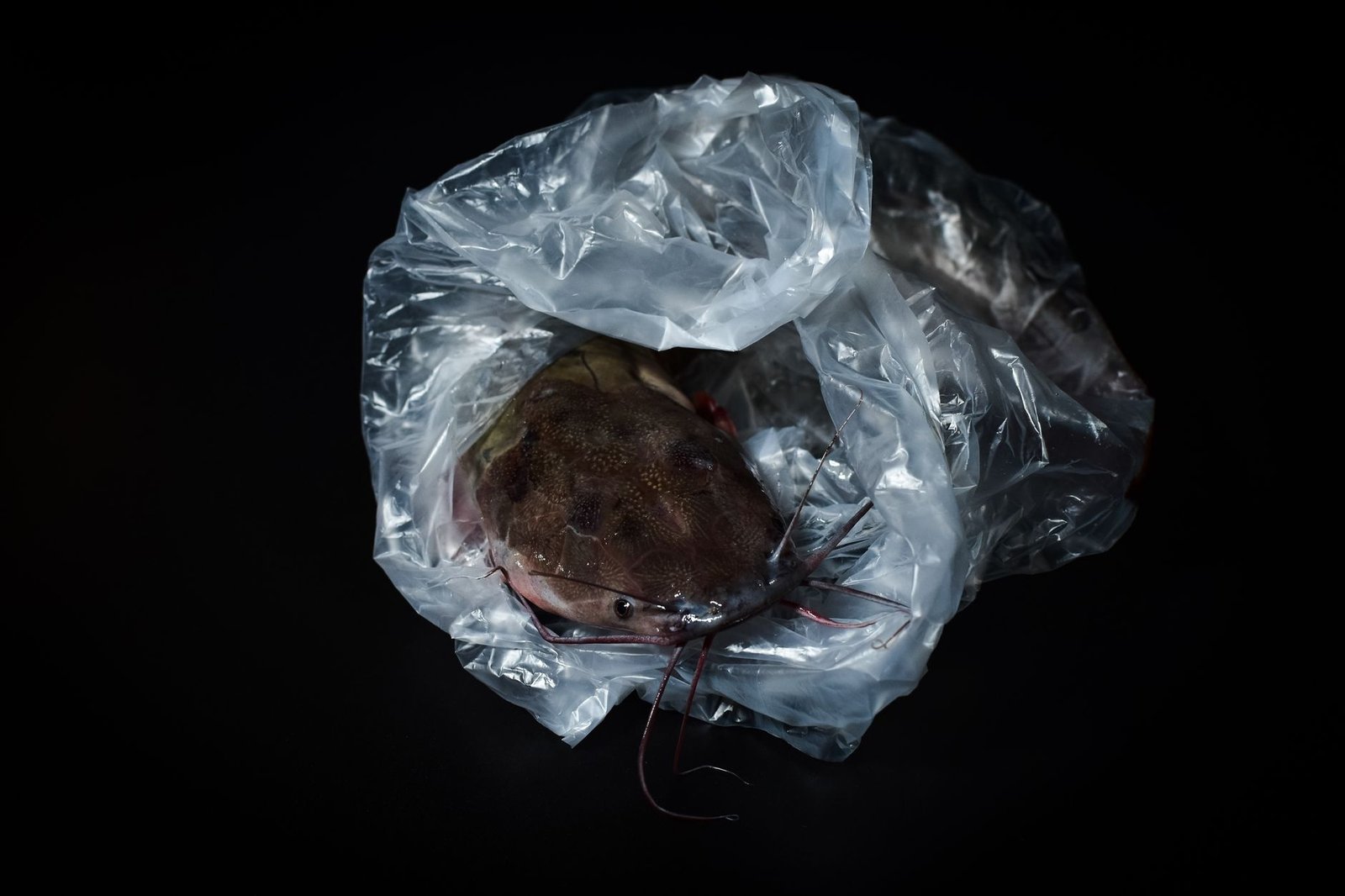
Namazu: The Japanese Earthquake Catfish Myth
Namazu is the giant catfish of Japanese mythology, best known as the hidden force believed to trigger earthquakes when it stirs beneath the earth. Rooted in folklore, Edo-period prints, and religious interpretation, the story reveals how a single image came to embody disaster, moral order, and enduring cultural meaning.
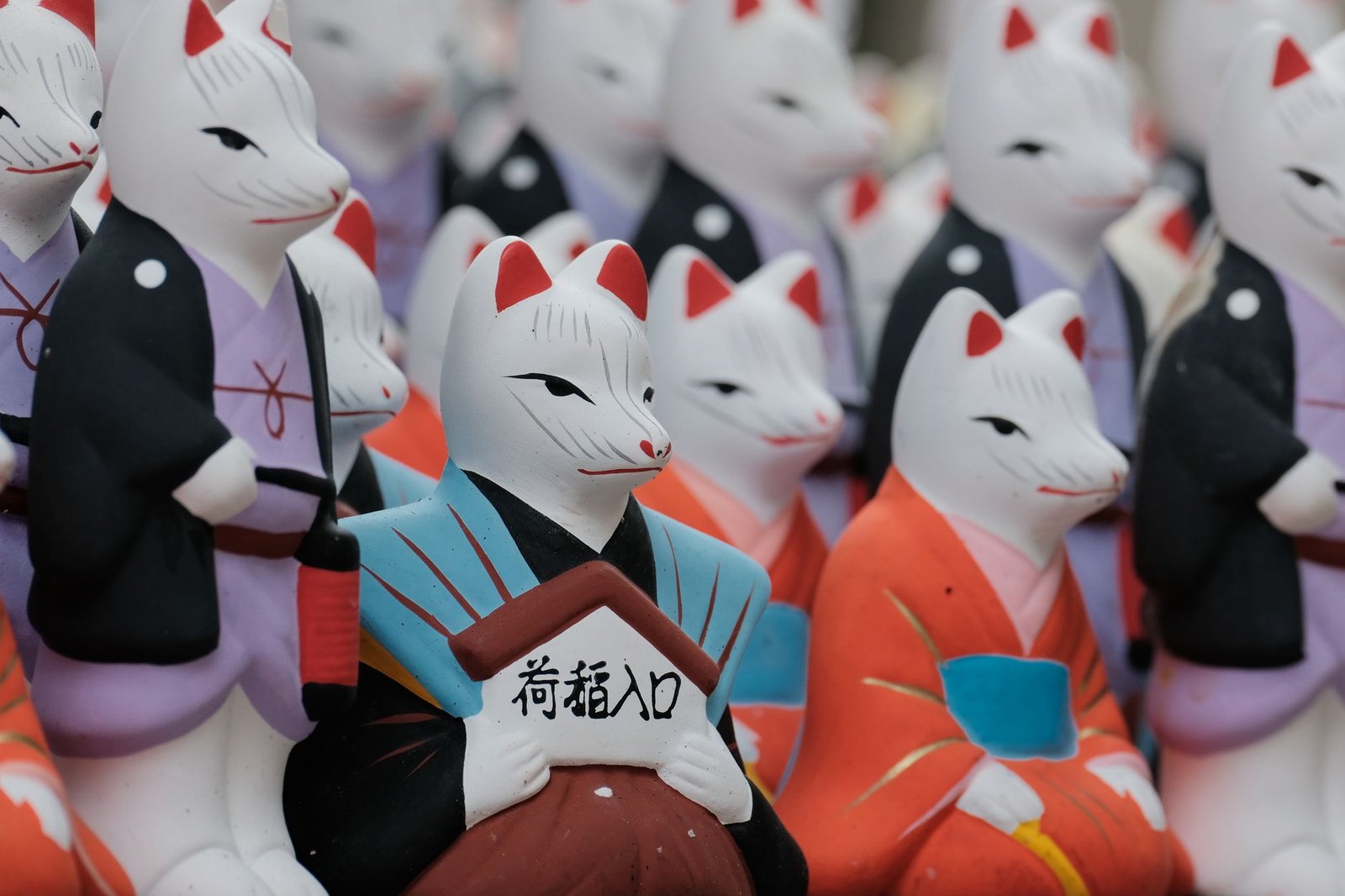
Kitsune: Japanese Fox Spirit in Folklore and Mythology
Kitsune are foxes of Japanese folklore, but they are far more than animals: they are shapeshifters, messengers of Inari, and enduring symbols of intelligence, mystery, and divine power. Their stories reveal how religion, legend, and everyday life intertwined in Japan, and why these elusive beings still captivate readers today.
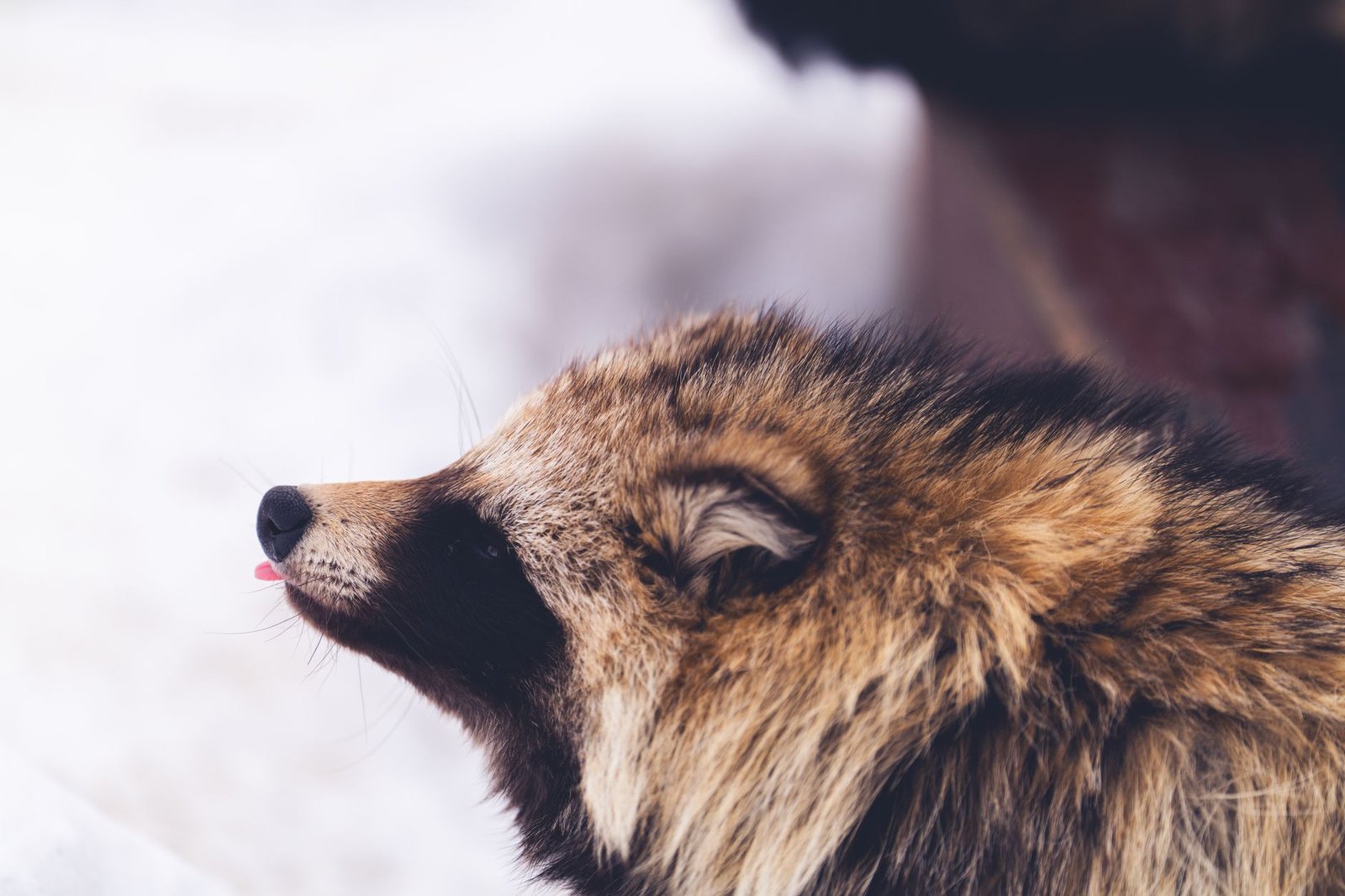
Tanuki: Japanese Raccoon Dog Facts and Folklore
The tanuki, or Japanese raccoon dog, is both a real animal and a celebrated figure in Japanese folklore, where it appears as a shape-shifting yōkai linked to mischief, illusion, prosperity, and good fortune. Tracing its roles in myth, temple lore, art, and popular culture reveals how this playful creature became one of Japan’s most enduring symbolic images.
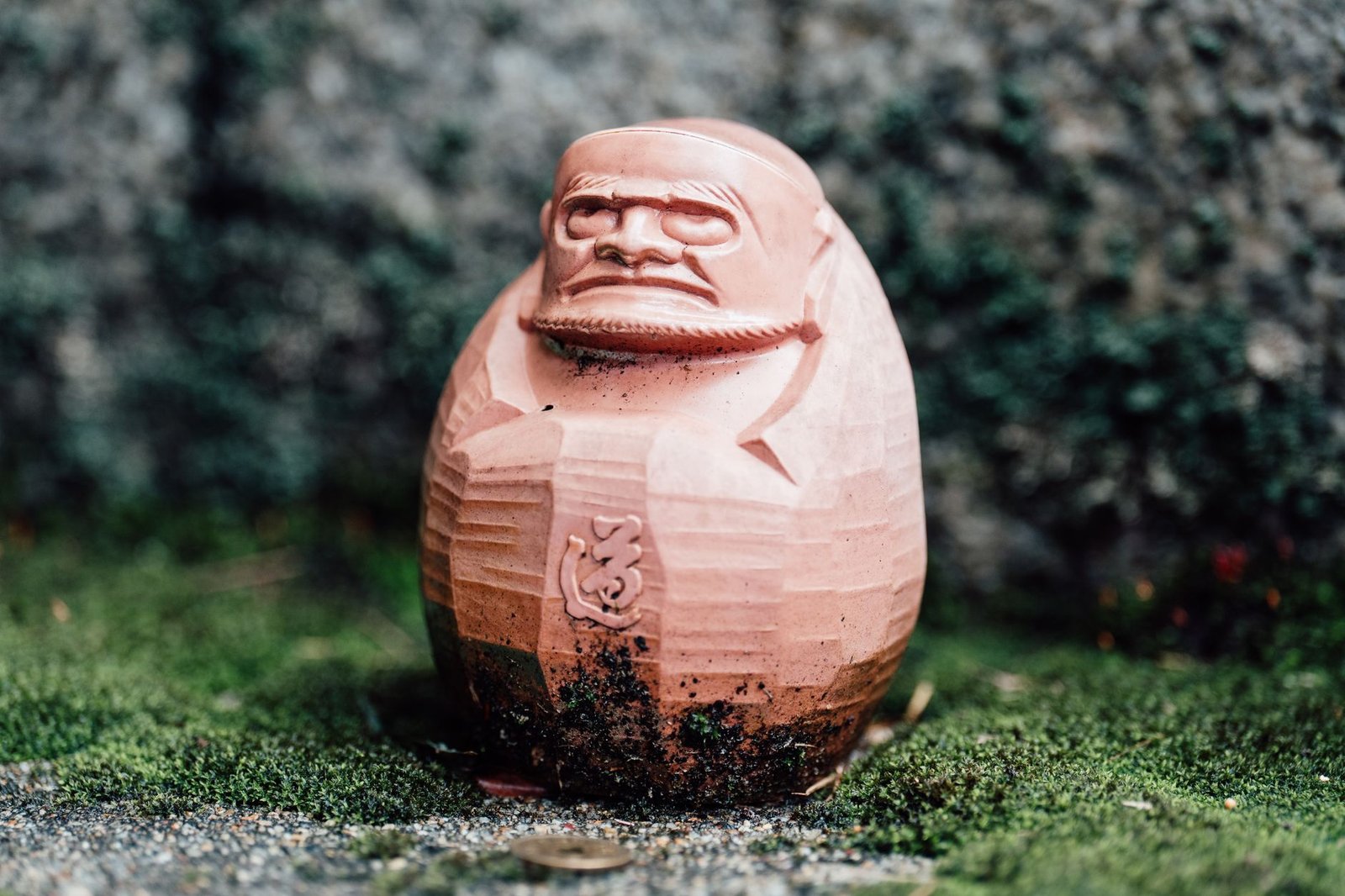
Kappa: Definition, Origin, and Cultural Meaning
The kappa is a central figure in Japanese folklore, a river spirit linked to ponds, streams, and canals, where it is portrayed as both playful and perilous. This article explores its historical names, cultural meanings, and enduring presence in stories, festivals, and modern media, revealing why this water creature still shapes Japanese imagination.
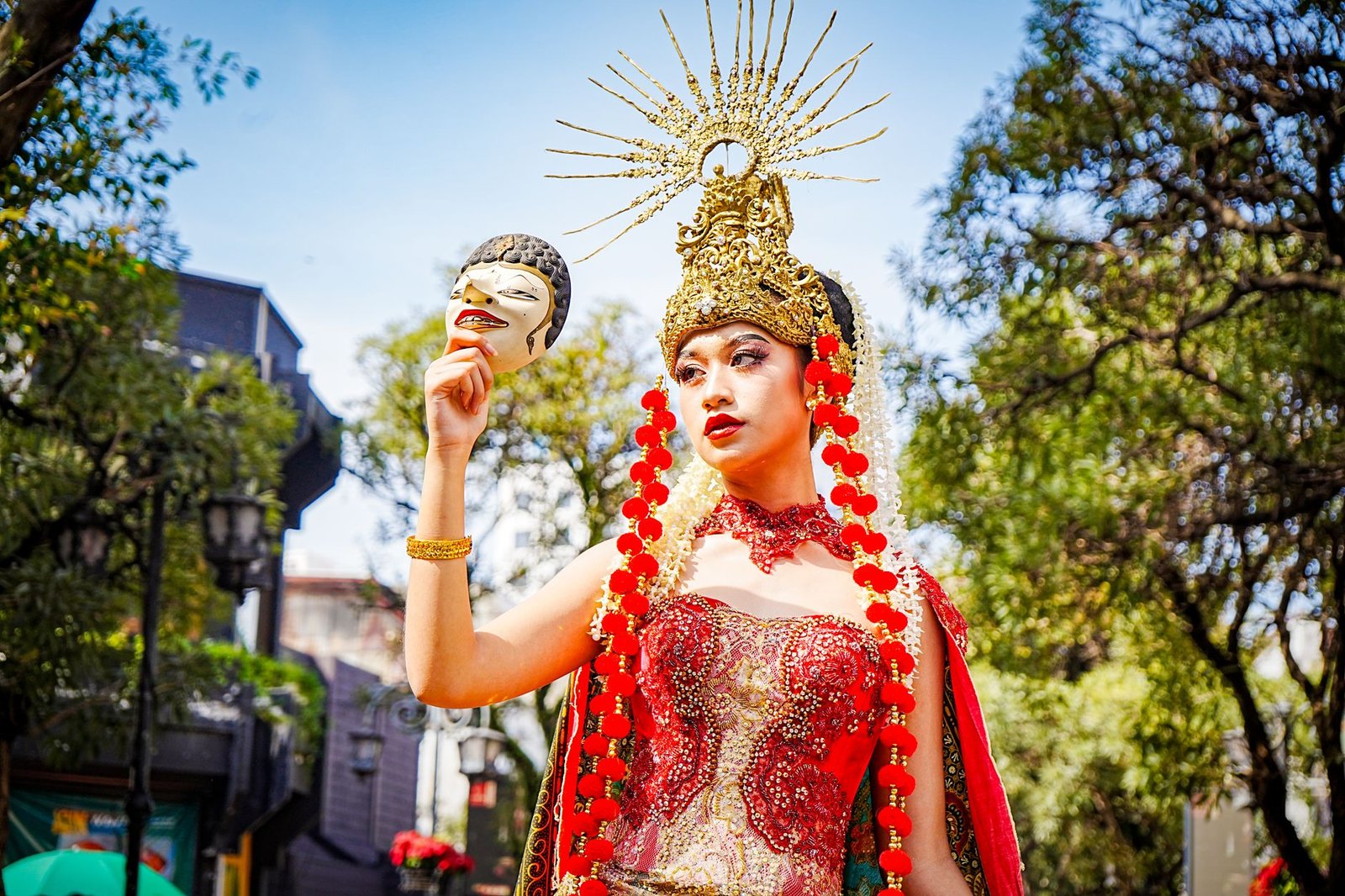
Rokurokubi: Japanese Yokai Legend and Folklore Explained
The rokurokubi is a striking figure in Japanese folklore, appearing human by day but revealing a supernatural nature at night, when its neck may stretch unnaturally or its head may detach and wander. Rooted in yōkai tradition, ghost lore, and moral tales, the rokurokubi offers a revealing glimpse into changing ideas of hidden identity, impurity, and the thin boundary between human and monstrous.
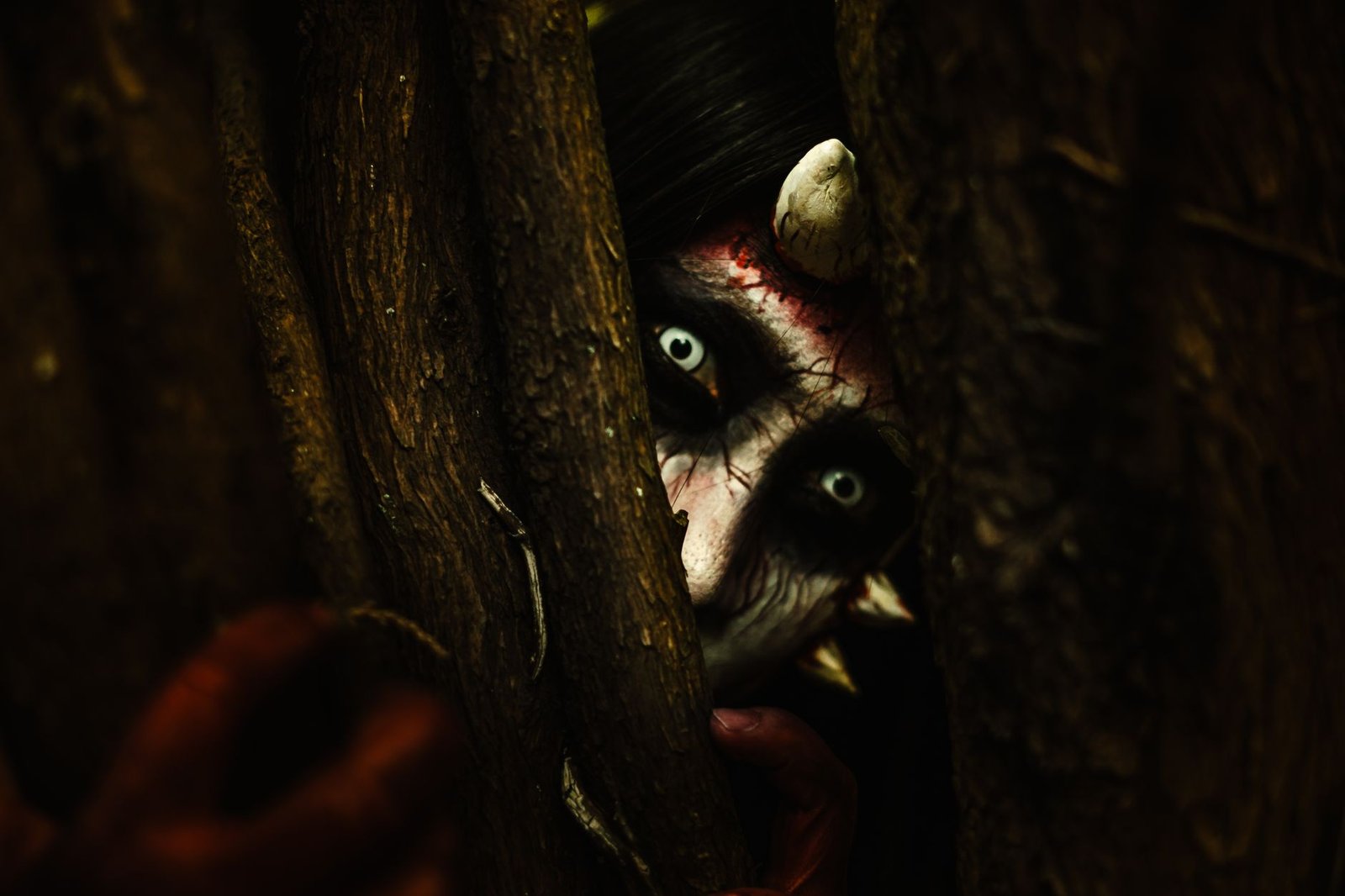
Futakuchi-Onna: Japanese Two-Mouthed Spirit Explained
Futakuchi-onna, the “two-mouthed woman” of Japanese folklore, is a striking yōkai whose hidden second mouth at the back of the head reveals itself through an insatiable appetite. Exploring her legend opens onto themes of concealment, domestic unease, and bodily transformation, while showing how ordinary behavior in folklore can conceal something deeply unsettling.
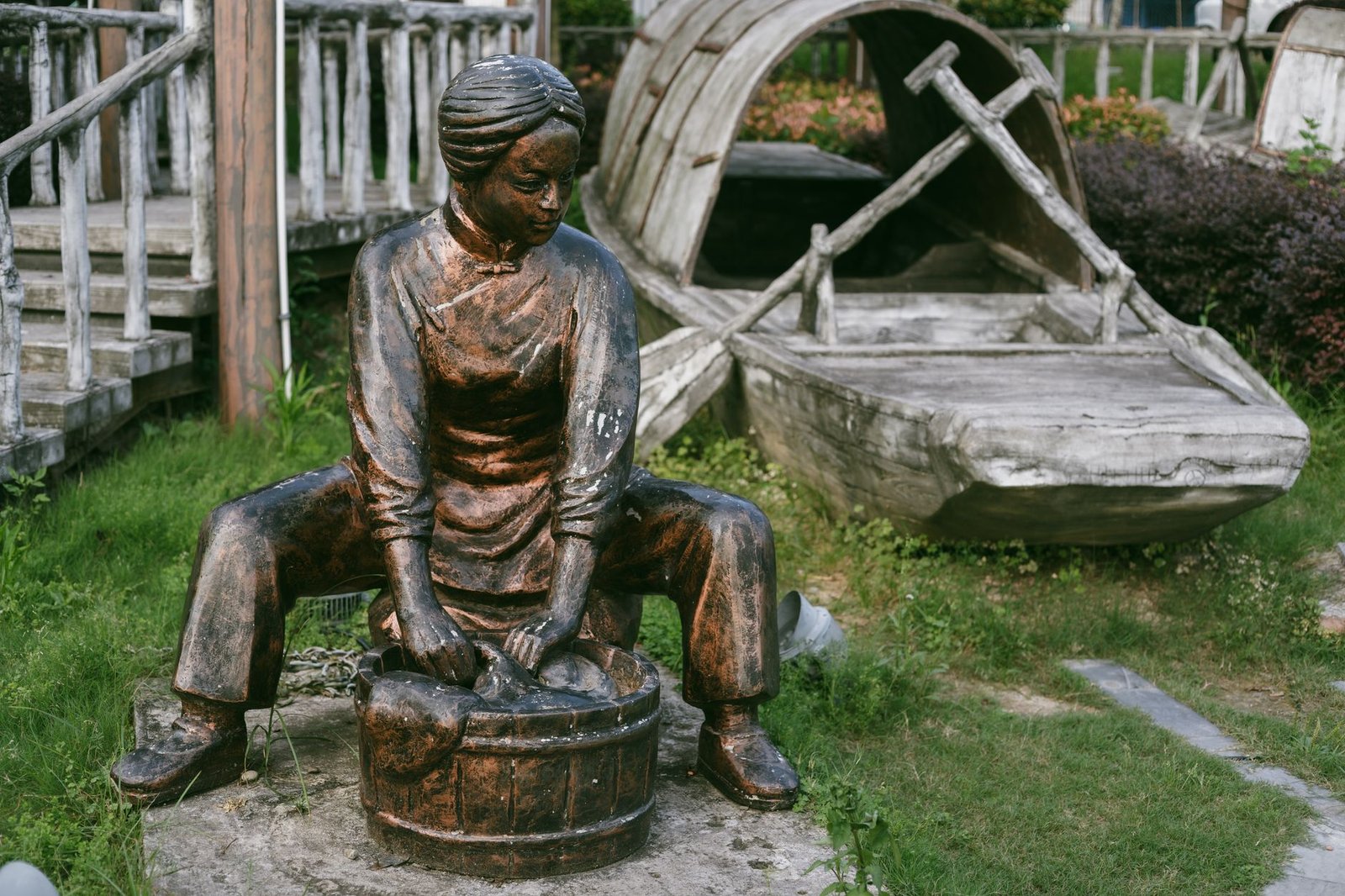
Gashadokuro: Japanese Giant Skeleton Yokai Legend
Gashadokuro is a colossal skeletal yokai from Japanese folklore, said to be formed from the unburied dead and driven by hunger, war, and spiritual unrest. This encyclopedia entry explores its name, origins, cultural meaning, and the tales and artworks that shaped its fearsome modern image.
Umibozu: Japanese Sea Monster Legend and Folklore
Umibozu is a Japanese sea yōkai often described as a vast, dark, monk-like figure that rises from the water and endangers ships, though its form varies widely in regional lore. Rooted in the hazards of maritime life and the imagination of coastal communities, it remains one of Japan’s most enduring sea monsters, with a rich history that invites closer study.