Shinto mythology
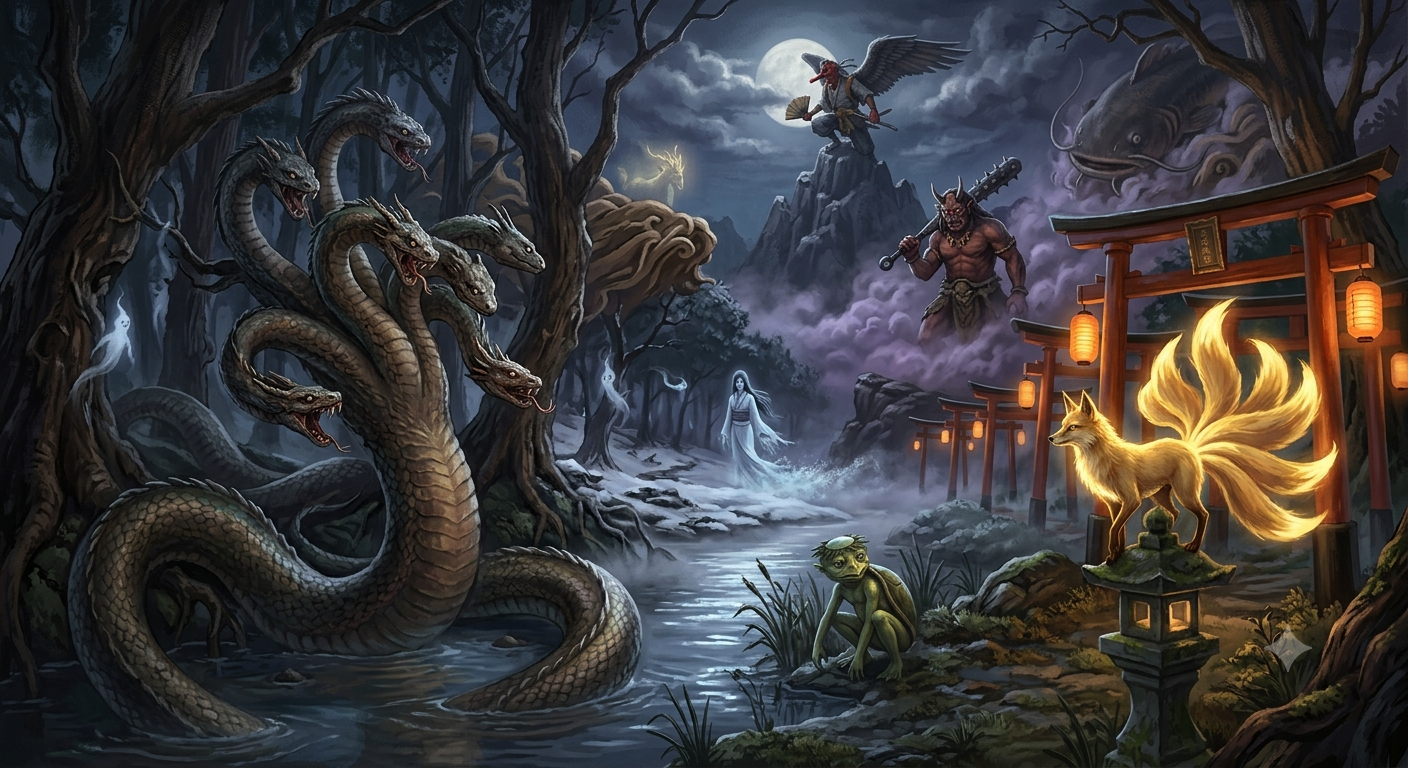
Japanese Creatures and Monsters: The Complete Guide
Japanese folklore’s yokai range from monstrous serpents defeated by the gods to mischievous shapeshifters and eerie spirits of the night. ...

Is the Hinomaru Flag Part of Shinto Mythology?
Is the Hinomaru flag part of Shinto mythology? Not directly: the modern Japanese national flag is a historical symbol shaped by political, military, and cultural developments, even as its sun disc echoes themes central to Shinto and Japan’s identity. This article traces those connections, explains the role of Amaterasu and sun symbolism, and clarifies why the Hinomaru is best understood as a modern emblem rather than an ancient sacred relic.
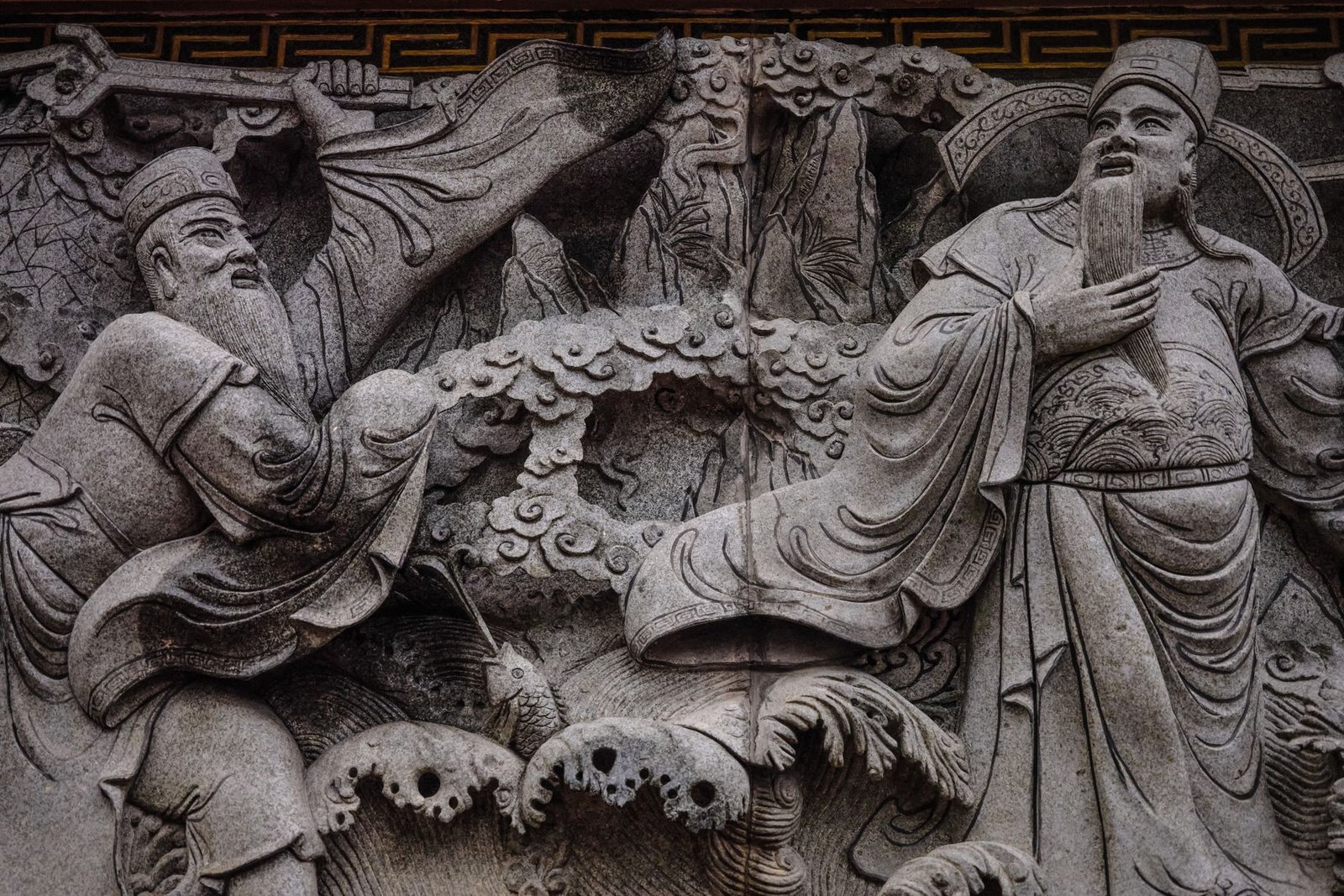
Susanoo: Japanese God of Storms and Sea
Susanoo is a central deity in Japanese mythology, remembered as a storm god, sea deity, and disruptive force whose myths appear in the Kojiki and Nihon Shoki. His conflict with Amaterasu and defeat of Yamata no Orochi reveal a figure who can bring both calamity and renewal, leaving a legacy that still shapes religion, literature, art, and popular culture.
Toyotama-Hime: Japanese Mythology Sea Princess
Toyotama-hime, a pivotal figure in Japanese mythology, is remembered as the sea deity’s daughter and the wife of Hoori, ancestor of the imperial line. Her story in the Kojiki and Nihon Shoki reveals how oceanic divinity, sacred taboos, and mythic lineage shaped early ideas of Japan’s rulership and spiritual origins.
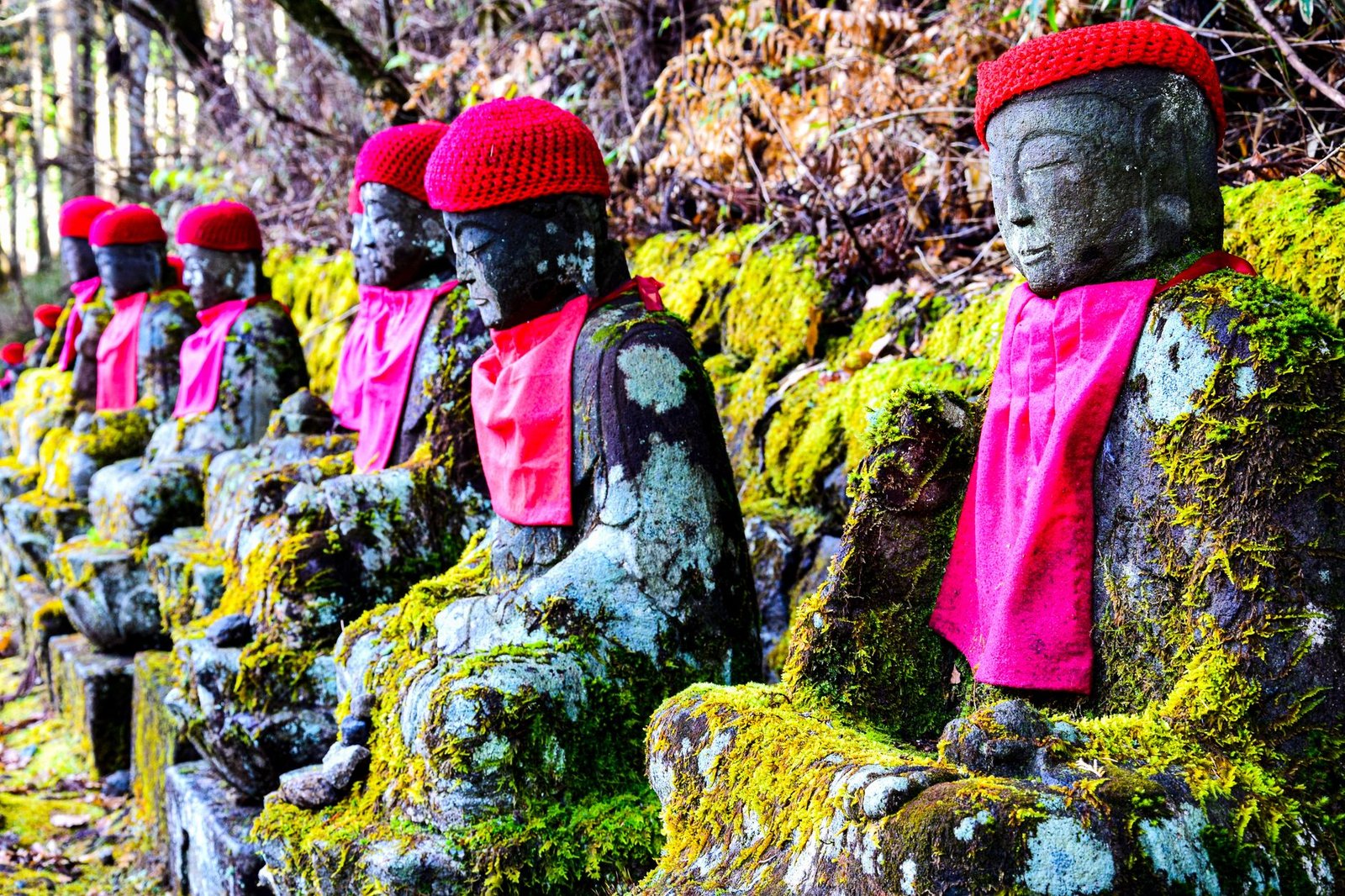
Difference Between Shinto Kami and Buddhist Deities in Japan
The difference between Shinto kami and Buddhist deities in Japan lies in their origins, functions, and religious meanings: kami are indigenous sacred presences tied to nature, ancestors, and place, while Buddhist figures such as Buddhas and bodhisattvas come from a continental tradition centered on enlightenment. Exploring how these beings were distinguished, blended, and reinterpreted in Japanese history reveals a complex spiritual landscape that still shapes shrine and temple culture today.
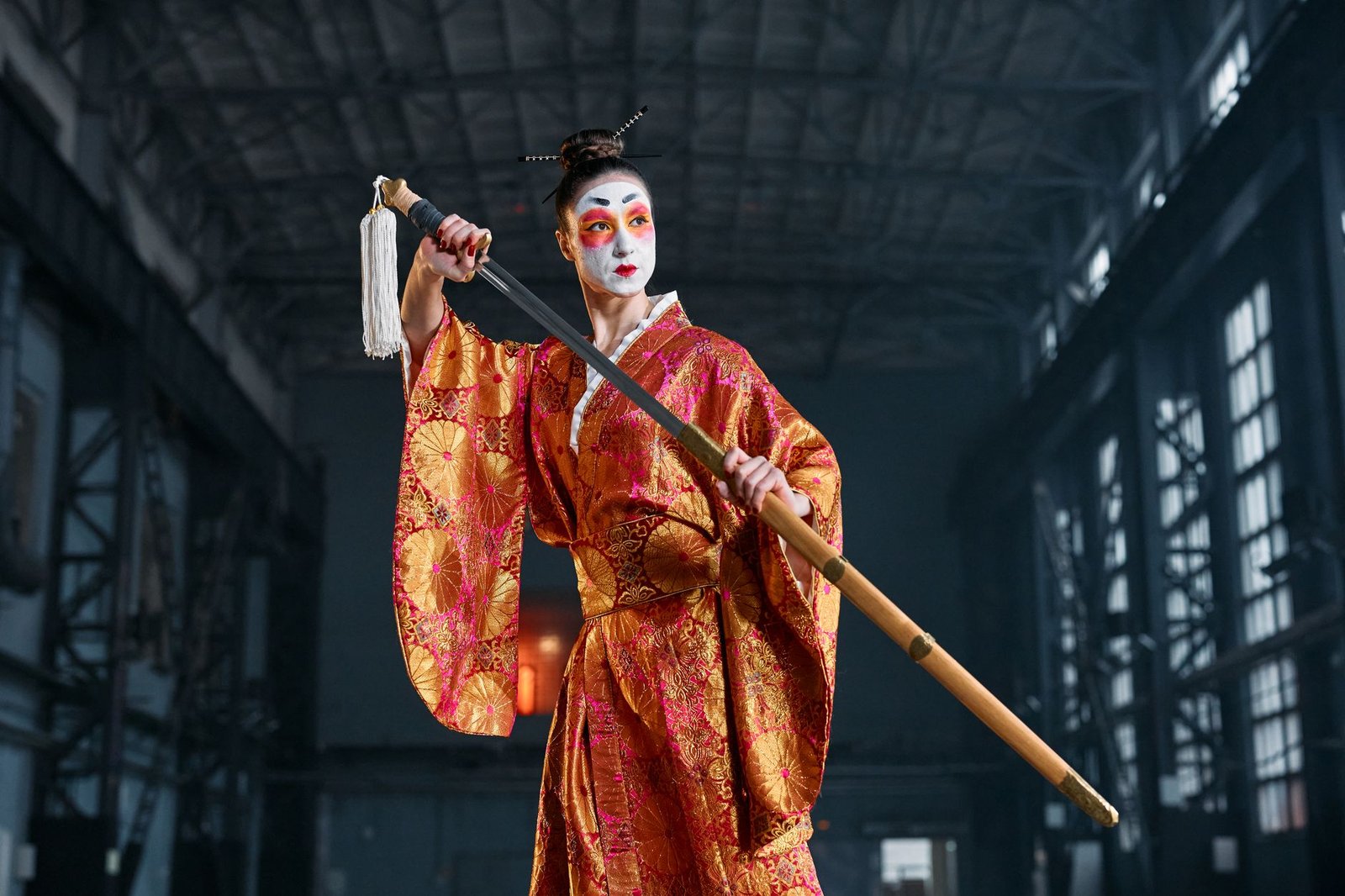
Izanami: Japanese Goddess of Creation and Death
Izanami is a central figure in Japanese mythology, known as the goddess who helped create the islands of Japan and gave birth to many kami alongside her partner, Izanagi. Her story then turns toward death and the underworld, where her transformation into a powerful Yomi deity reveals the deep symbolic links between creation, fertility, and loss.
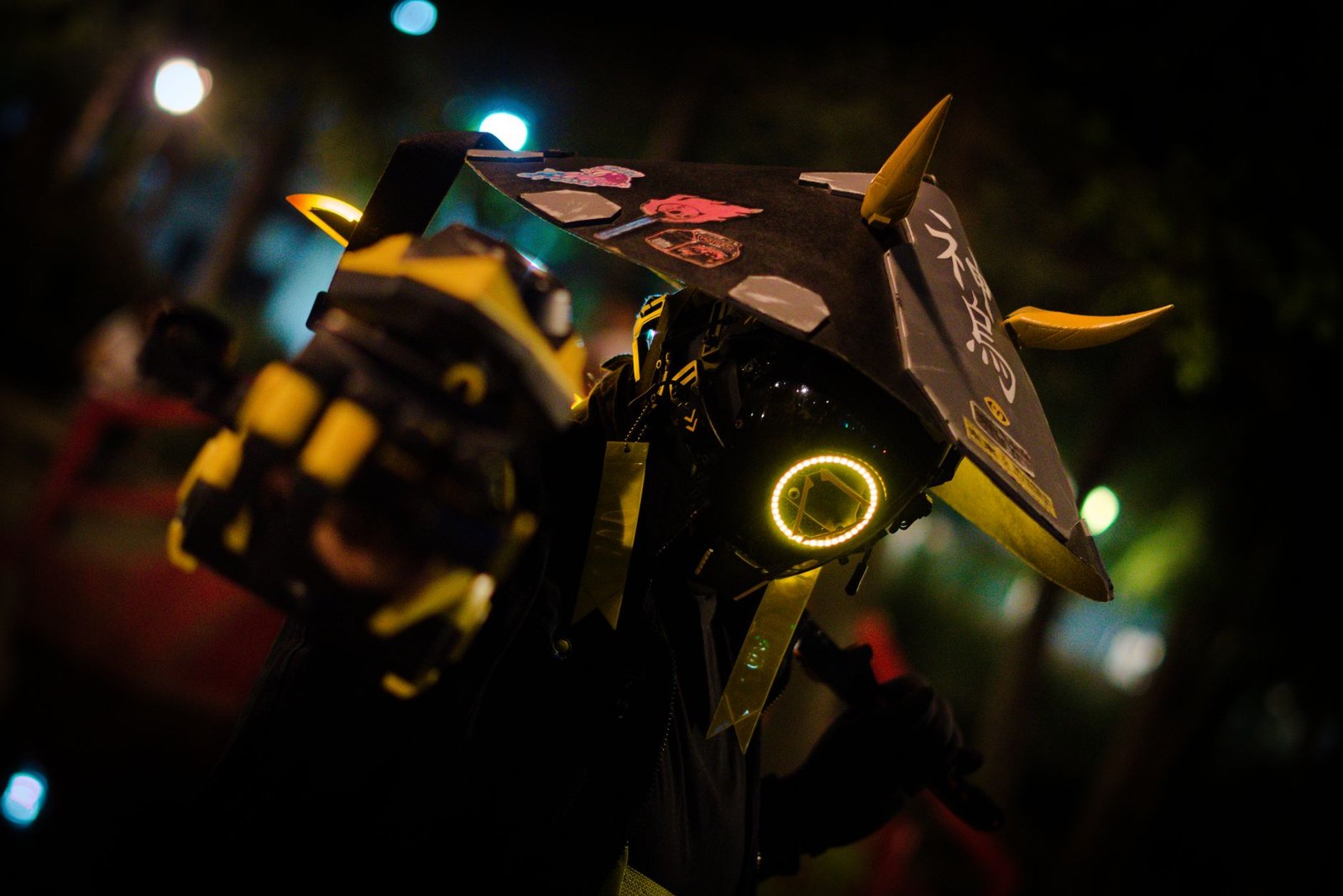
Tsukuyomi: Japanese Moon God in Shinto Mythology
Tsukuyomi, the Japanese moon god in Shinto mythology, stands among Japan’s oldest deities as the elusive sibling of Amaterasu and Susanoo. This article explores his uncertain origins, sparse appearances in the classical chronicles, and enduring role as a symbol of moonlight, night, and the ordered balance of the heavens.

Japanese Gods and Goddesses: The Complete Guide
Shinto tradition speaks of Yaoyorozu no Kami, or “eight million gods,” reflecting a worldview in which sacred spirits inhabit nature, ...