Japanese Symbols
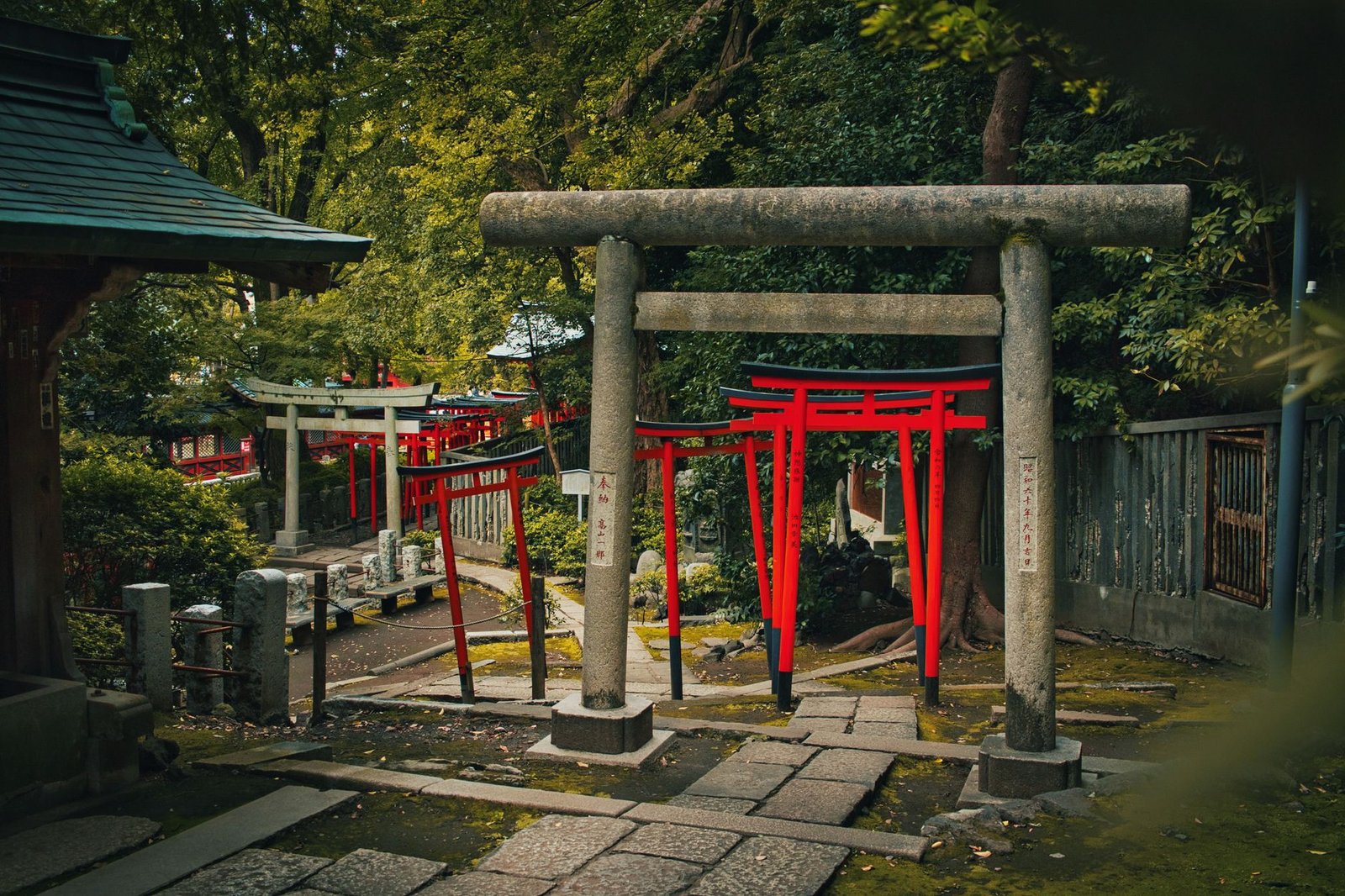
Torii Gate: Meaning, History, and Cultural Significance
A torii gate is one of Japan’s most recognizable symbols, marking the boundary between the ordinary world and a sacred Shinto space. Its origins, meanings, and architectural variations reveal a history that is both deeply religious and broadly cultural, inviting closer attention to how this simple form became so enduring.

Yata No Kagami: The Sacred Mirror of Japanese Mythology
Yata no Kagami, the Sacred Mirror of Japanese mythology, is one of Japan’s three Imperial Regalia and a central symbol in the story of Amaterasu, the sun goddess and divine ancestor of the imperial line. Revered as an emblem of truth, wisdom, and legitimacy, it remains shrouded in secrecy, inviting closer study of its mythic origins, ritual role, and enduring political significance.
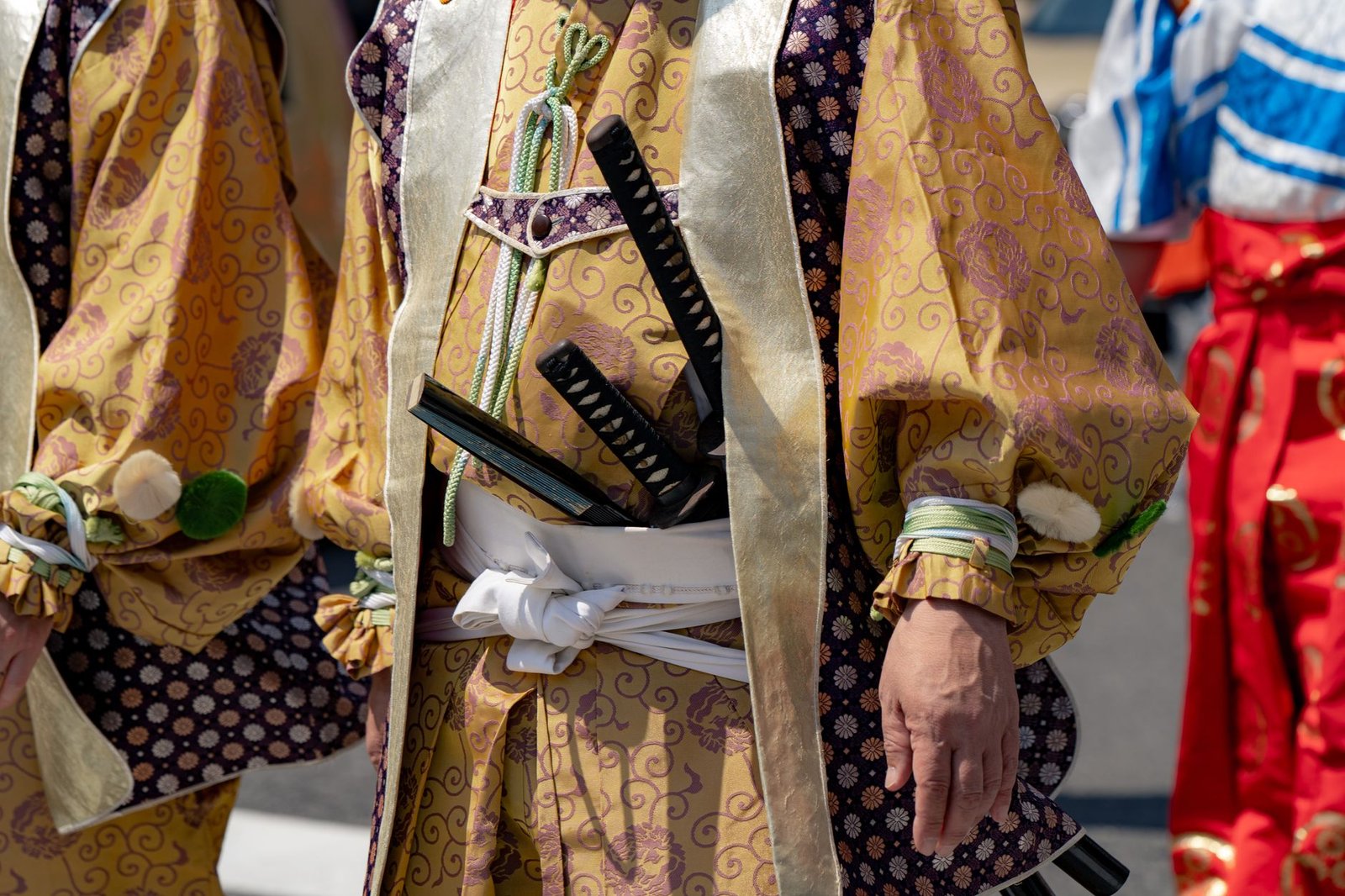
Kusanagi No Tsurugi: The Sacred Sword of Japan
Kusanagi no Tsurugi, the sacred sword of Japanese tradition, is one of the Three Imperial Regalia and a powerful symbol of imperial legitimacy, divine favor, and the continuity of the throne. Rooted in myths of Susanoo, Yamato Takeru, and Amaterasu, its story blends ritual, politics, and legend, inviting closer examination of how a hidden object can shape national identity.

Yasakani No Magatama: Sacred Jewel of Japan
Yasakani no Magatama is a central object in Japanese mythology and imperial tradition, revered as one of the Three Imperial Regalia alongside the sword and mirror. This article traces its ancient origins, symbolic role in legitimizing imperial authority, and the mystery surrounding a sacred jewel that remains hidden from public view.

Magatama: Ancient Japanese Curved Bead History
Magatama are curved, comma-shaped beads that first appeared in prehistoric Japan and later came to symbolize ritual authority, prestige, and sacred power. From their archaeological origins to their role in imperial regalia and Shinto tradition, these distinctive objects reveal a long cultural history that still invites closer study.
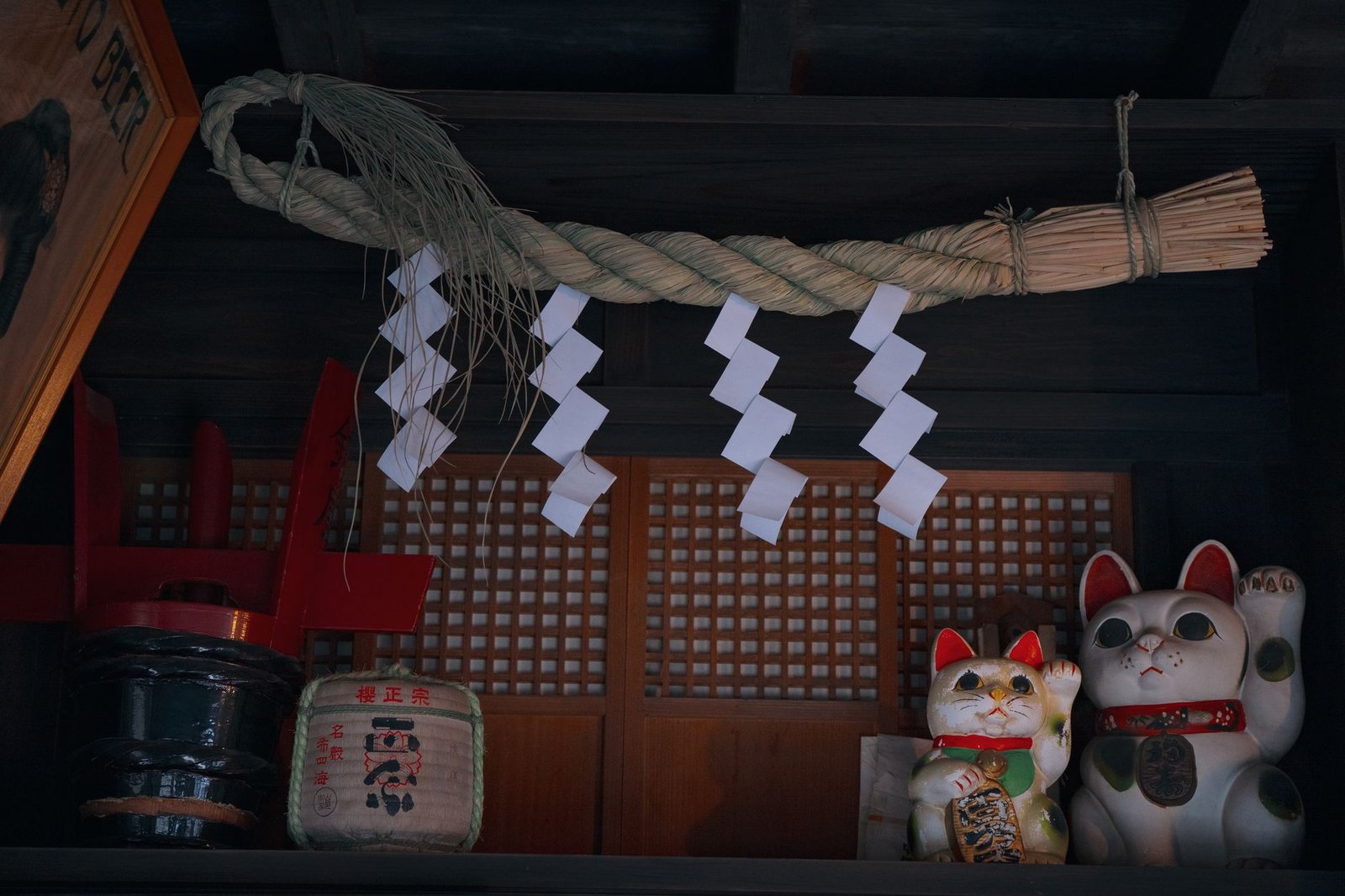
Shimenawa: Japanese Sacred Rope and Shinto Tradition
Shimenawa are sacred ropes in Shinto that mark spaces, objects, and natural forms as pure, protected, and set apart for kami. Made from braided straw, hemp, or other fibers, they reveal how Japanese ritual life connects boundary, purification, and reverence for nature in a single, enduring symbol.

Gohei: Definition, Uses, and Cultural Significance
Gohei is a distinctive ritual implement of Japanese Shinto, typically a wooden wand or staff adorned with folded white paper streamers that marks sacred space, symbolizes purity, and signals the presence of kami. Its history, meanings, and varied ceremonial uses reveal how a simple object became one of the most recognizable emblems of shrine practice.
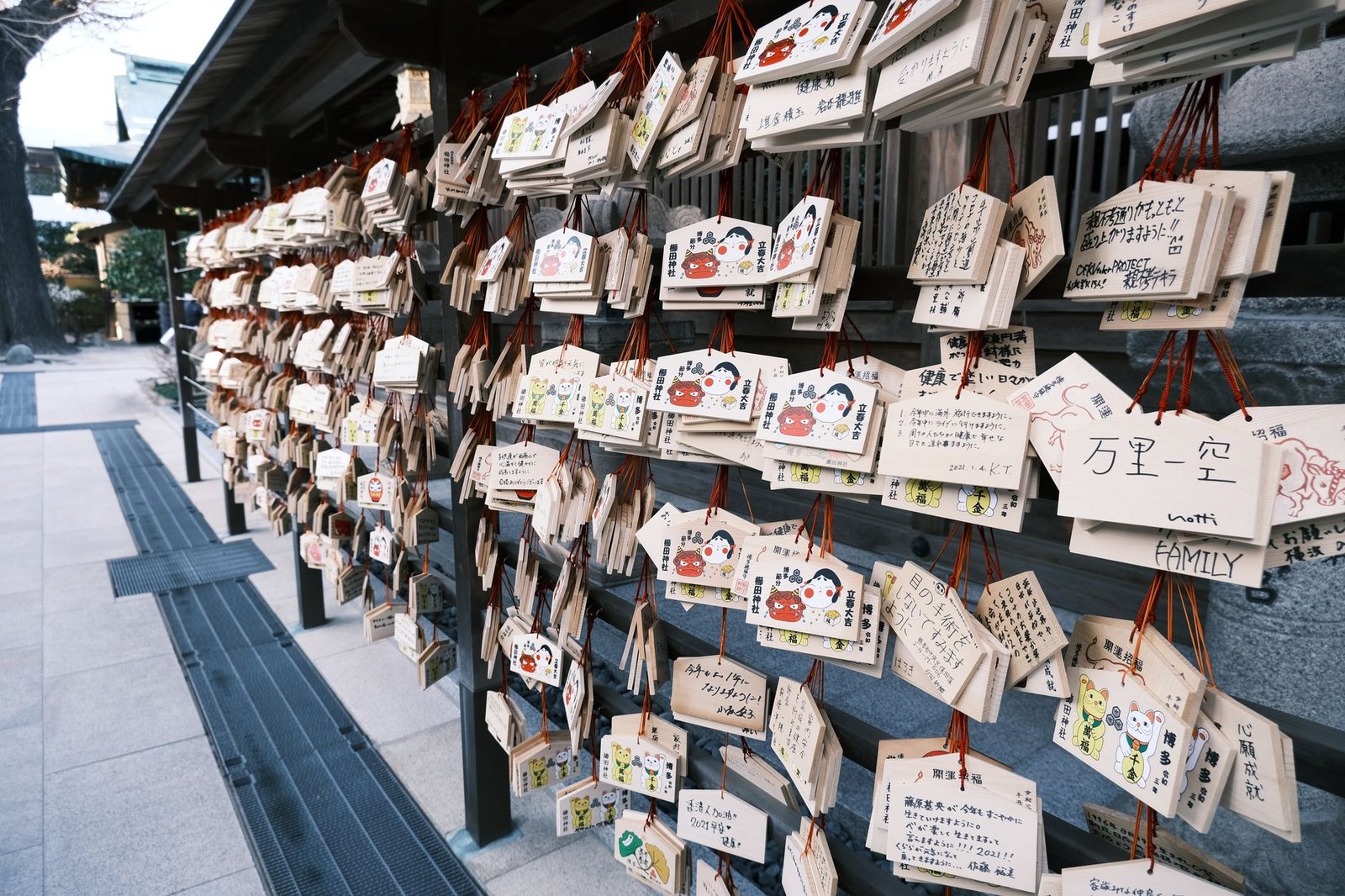
Ema: Meaning, Origins, and Cultural Significance
Ema are small wooden votive plaques used in Japanese religious practice, most commonly at Shinto shrines and Buddhist temples, where visitors write prayers, wishes, or thanks and leave them as offerings. Rooted in the historic shift from donated horses to painted wooden tablets, ema illuminate how sacred symbolism, personal devotion, and public ritual continue to shape everyday worship in Japan.

Komainu: Japanese Guardian Lion-Dog Statues Explained
Komainu are the stone or metal guardian figures that stand at the entrances of many Japanese Shinto shrines, where they mark sacred space and repel evil. Tracing their origins through continental Asia and into Japan, this article explores how these paired “lion-dogs” developed distinctive forms, meanings, and roles in religious architecture.

Tomoe: Meaning, History, and Cultural Significance
Tomoe is a distinctive Japanese symbol and visual motif, best known as a comma-like swirl seen in crests, shrine emblems, and decorative arts. Its long history connects ideas of motion, protection, and sacred meaning, while its varied forms, especially the mitsudomoe, reveal how a single shape can carry rich cultural significance.