Who Are Huginn and Muninn in Norse Mythology?
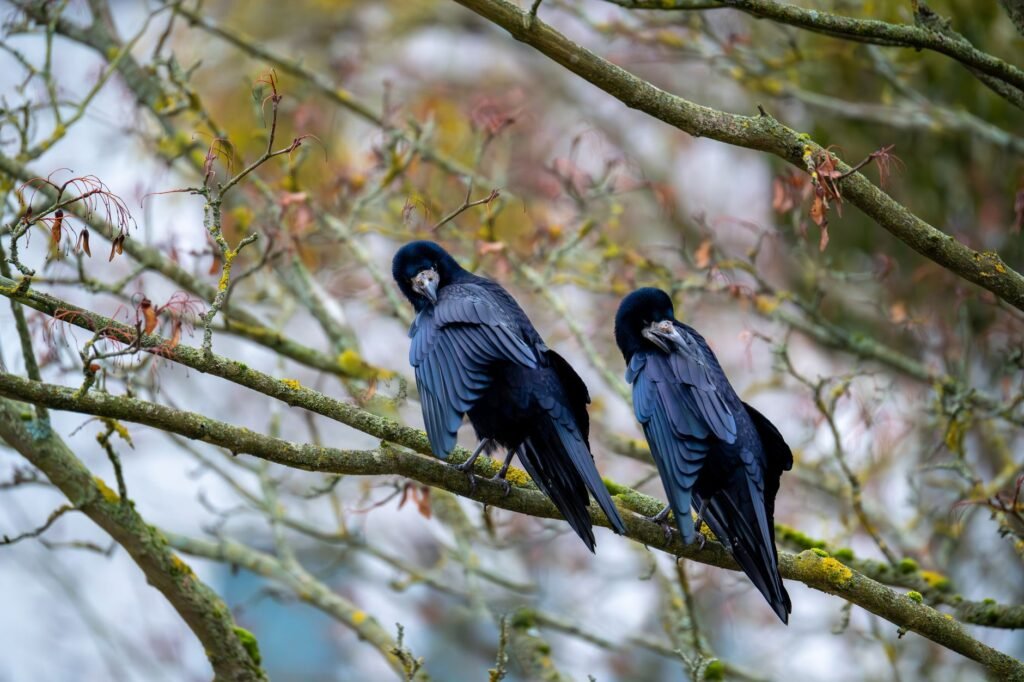
In Norse mythology, Huginn and Muninn are two ravens who serve the god Odin. Their names are often translated as “thought” and “memory” or “mind,” which reflects their role as Odin’s far-seeing messengers. Each day, they fly across the world, gathering knowledge and returning to whisper what they have seen and heard into Odin’s ears.
These ravens are among the most recognizable symbols connected to Odin, the All-Father. They represent wisdom, awareness, prophecy, and the constant search for knowledge. To understand Huginn and Muninn is to understand something essential about Odin himself: his endless desire to know the fate of gods, humans, and the cosmos.
The Meaning of Huginn and Muninn
The Old Norse names Huginn and Muninn carry deep symbolic meaning.
- Huginn is usually associated with “thought” or “mind.”
- Muninn is commonly linked to “memory,” though it can also suggest desire or recollection.
Together, the two ravens represent mental power: the ability to think, remember, observe, and understand. They are not simply birds that fly errands for Odin. They are extensions of his consciousness, carrying his awareness beyond the halls of Asgard and into every corner of the world.
Their names suggest that wisdom depends on both thought and memory. Thought allows Odin to interpret what is happening, while memory preserves what has already been learned. In a mythological world shaped by fate, omens, and ancient knowledge, both are essential.
Odin’s Ravens and Their Daily Journey
The most famous description of Huginn and Muninn comes from the Poetic Edda, one of the central sources for Norse mythology. In the poem Grímnismál, Odin says that Huginn and Muninn fly over the whole earth every day. He worries that Huginn may not return, but he fears even more for Muninn.
This short passage reveals a great deal. Odin is a god of wisdom, war, poetry, magic, and death, yet even he experiences anxiety. His concern for the ravens suggests that thought and memory are precious and fragile. Losing either would be a terrible blow, even to a god.
Each morning, Huginn and Muninn leave Odin’s side and travel through the worlds. By evening, they return to him and report what they have discovered. Through them, Odin learns of human deeds, divine movements, threats, secrets, and signs of the future.
Why Ravens Are Important in Norse Mythology
Ravens appear often in Norse culture and mythology. They were associated with battlefields, death, and prophecy because they were commonly seen where warriors had fallen. As scavenger birds, ravens naturally became linked to war and the dead.
For Odin, this connection is especially fitting. He is not only a god of wisdom but also a god of battle and the slain. Warriors who died bravely could be chosen by Odin and brought to Valhalla, where they would prepare for Ragnarök, the final battle.
Ravens therefore symbolize more than intelligence. They also suggest:
- War and victory
- Death and the afterlife
- Prophecy and omens
- Divine knowledge
- The presence of Odin
When ravens appear in Norse stories, they often signal that Odin is near, watching, or involved in human affairs.
Huginn and Muninn as Symbols of Wisdom
Huginn and Muninn are powerful symbols because they combine the physical and the spiritual. Ravens are real animals known for their intelligence, problem-solving ability, and striking appearance. In mythology, these qualities are elevated into divine attributes.
Odin’s wisdom is not passive. He does not simply possess knowledge; he seeks it relentlessly. He sacrifices an eye at Mímir’s well to gain deeper understanding. He hangs himself on the world tree Yggdrasil to discover the runes. Huginn and Muninn fit this same pattern. They show Odin’s need to gather information from every realm.
The ravens also suggest that wisdom requires distance. By flying across the world, they see what Odin cannot see from his throne. Their journeys remind us that knowledge comes from observation, movement, and listening.
Are Huginn and Muninn Separate Beings or Parts of Odin?
Huginn and Muninn can be understood in more than one way. On the surface, they are Odin’s companion birds, loyal servants who bring him news. But symbolically, they may also be seen as parts of Odin himself.
Because their names mean thought and memory, many readers interpret them as personifications of Odin’s mental powers. They are his mind sent outward into the world. This interpretation fits well with Odin’s character as a god who constantly crosses boundaries—between life and death, wisdom and madness, gods and humans.
In this sense, Huginn and Muninn are not merely messengers. They are living symbols of consciousness. They show how thought and memory travel, gather, return, and shape understanding.
Huginn and Muninn in Modern Culture
Today, Huginn and Muninn remain popular figures in books, art, tattoos, jewelry, games, and modern interpretations of Norse mythology. They often appear alongside Odin or as standalone symbols of intelligence, mystery, and spiritual insight.
Their image is especially common in Viking-inspired art. Two ravens facing one another, flying above a warrior, or perched on Odin’s shoulders immediately evoke the Norse world. For many people, they represent guidance, awareness, and the unseen presence of ancient wisdom.
Modern audiences are drawn to them because their meaning is still relevant. Thought and memory are central to identity. Without them, people lose their sense of direction and self. Huginn and Muninn make these invisible forces visible.
The Lasting Legacy of Huginn and Muninn
So, who are Huginn and Muninn in Norse mythology? They are Odin’s ravens, his messengers, his watchers, and perhaps even parts of his own mind. Huginn represents thought, while Muninn represents memory. Together, they fly across the world and return with knowledge for the All-Father.
Their role may seem simple at first, but their symbolism runs deep. They connect Odin to wisdom, war, death, prophecy, and the fragile power of the mind. Through Huginn and Muninn, Norse mythology gives shape to the inner forces that guide understanding.
More than ordinary ravens, they are reminders that knowledge must be sought, remembered, and interpreted. In the shadowed world of Norse myth, where fate is always approaching, Huginn and Muninn remain among Odin’s most trusted companions—and among the most enduring symbols of wisdom.

Orin Vale has spent the better part of two decades tracing the threads that connect the world’s oldest stories — from the halls of Asgard to the banks of the Nile, from Olympus to the jungles of the Maya. What began as a childhood fascination with flood myths and trickster gods grew into years of independent study across comparative mythology and ancient religion, always chasing the same question: what did these stories mean to the people who first told them? Orin writes for readers who want more than trivia — the ones looking for the beliefs, fears, and truths that myths were built to carry.