Who Is Hephaestus in Greek Mythology?
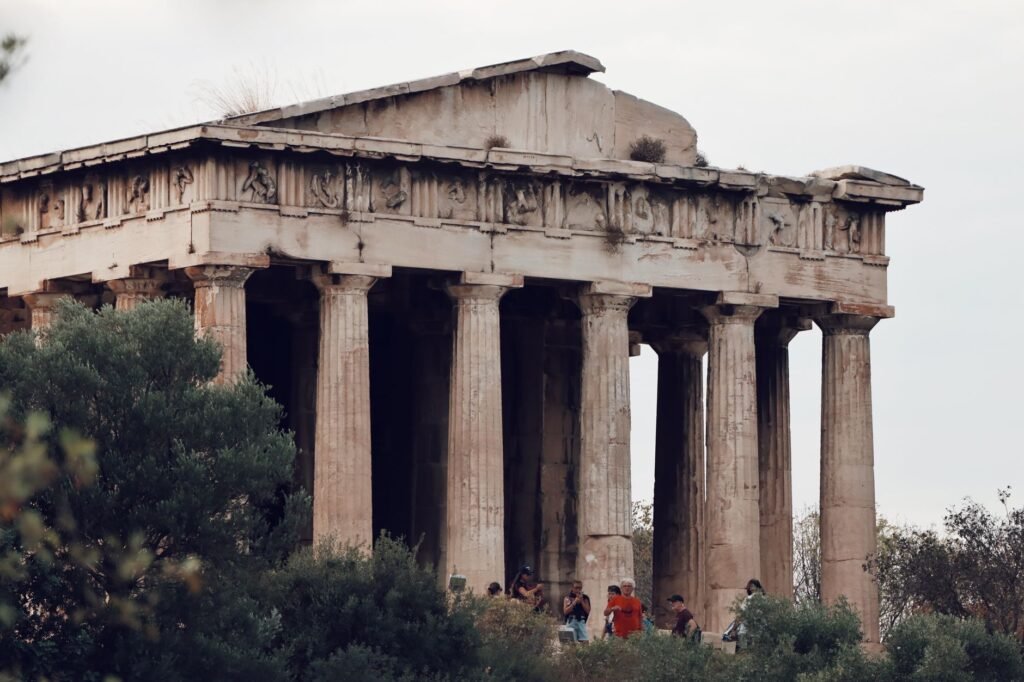
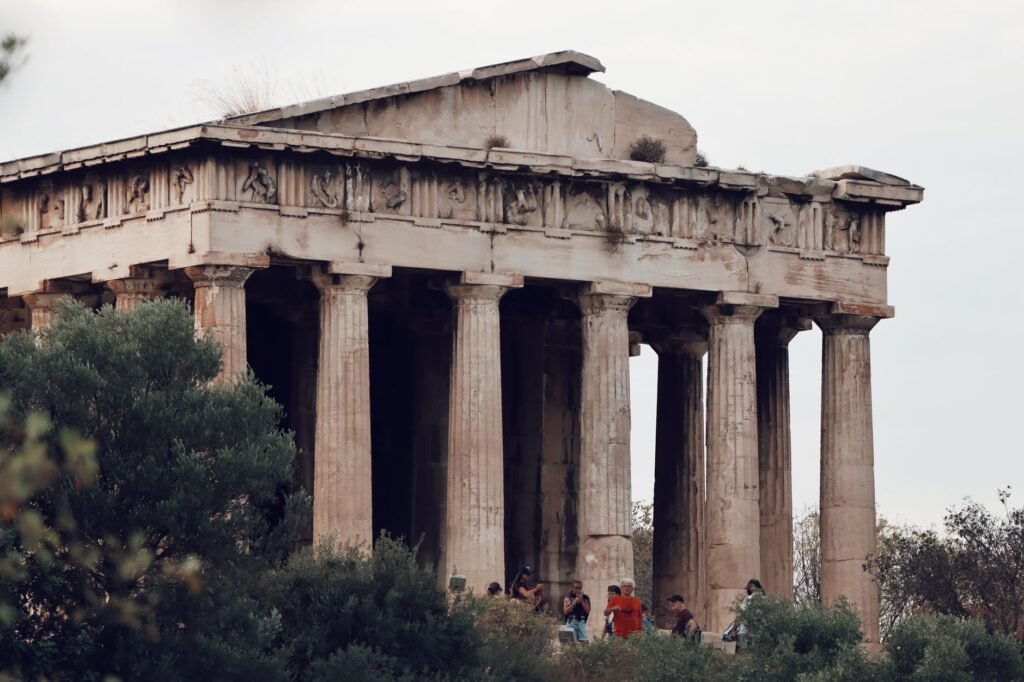
Hephaestus is one of the most fascinating gods in ancient Greek religion and storytelling. Known as the god of fire, metalworking, blacksmiths, craftsmen, and invention, he stands apart from many other Olympian gods. While figures like Zeus, Apollo, and Ares are often associated with beauty, power, and war, Hephaestus is linked to skill, labor, and creativity.
In Greek mythology, Hephaestus represents the power to shape the raw materials of the world into something useful or beautiful. He is the divine craftsman of Mount Olympus, the maker of extraordinary weapons, armor, jewelry, and mechanical wonders.
The Origins of Hephaestus
The story of Hephaestus’ birth varies depending on the ancient source. In one common version, he is the son of Zeus and Hera, king and queen of the gods. In another version, Hera gives birth to him on her own, without Zeus, as a response to Zeus producing Athena from his head.
Hephaestus is often described as being born with a physical disability or becoming disabled after being thrown from Olympus. According to one myth, Hera rejected him because he was not as physically perfect as the other gods and cast him down from heaven. In another version, Zeus hurled him from Olympus after Hephaestus tried to defend Hera during a quarrel.
After falling to earth or into the sea, Hephaestus was cared for by sea nymphs, including Thetis and Eurynome. During this time, he learned and perfected the arts of metalworking and craftsmanship.
Hephaestus as the God of Fire and Craftsmanship
Hephaestus is best known as the divine blacksmith of the Greek gods. His workshop was often imagined as being located beneath a volcano, especially Mount Etna in Sicily. The fire and smoke of volcanoes were sometimes explained as signs of his labor at the forge.
As a craftsman, Hephaestus created many of the most famous objects in Greek mythology, including:
- The thunderbolts of Zeus
- The armor of Achilles
- The shield of Heracles
- The golden throne of Hera
- The chains that bound Prometheus
- The first woman, Pandora, in some versions of the myth
His creations were not only practical but also magical. Hephaestus could craft objects that moved, spoke, or acted almost like living beings. Ancient myths describe golden mechanical servants who helped him in his workshop, making him one of mythology’s earliest figures associated with technology and automation.
Hephaestus and Aphrodite
One of the most well-known myths about Hephaestus involves his marriage to Aphrodite, the goddess of love and beauty. Their relationship is often presented as an unusual pairing: Hephaestus, the hardworking and physically imperfect craftsman, married to the most beautiful goddess on Olympus.
In many stories, Aphrodite is unfaithful to Hephaestus with Ares, the god of war. When Hephaestus discovers their affair, he creates an invisible net or trap and catches the lovers together. He then exposes them before the other gods.
This myth highlights one of Hephaestus’ defining traits: intelligence. He may not be the strongest warrior or the most glamorous god, but he uses skill, patience, and cleverness to overcome humiliation.
Why Was Hephaestus Important?
Hephaestus played an important role in Greek mythology because he represented the value of craftsmanship in human society. The ancient Greeks depended on blacksmiths, potters, builders, and artisans for tools, weapons, buildings, and works of art. Through Hephaestus, these everyday skills were given divine importance.
He also symbolized transformation. Fire can destroy, but in the forge it can also create. Metal can be melted, shaped, and strengthened. In this way, Hephaestus represents the ability to turn hardship and raw material into something powerful and lasting.
Unlike many gods who rely on force or beauty, Hephaestus succeeds through work and mastery. His myths often show that creativity and intelligence can be as significant as physical strength.
Symbols and Attributes of Hephaestus
Hephaestus is usually associated with tools and images connected to the forge. Common symbols of Hephaestus include:
- The hammer
- The anvil
- Tongs
- Fire
- Volcanoes
- Metal armor and weapons
In ancient art, he is sometimes shown as a bearded man holding blacksmith’s tools. He may also be depicted with a limp or seated at his forge, emphasizing his role as a working god rather than a distant ruler.
Hephaestus in the Trojan War
Hephaestus also appears in stories connected to the Trojan War. One of his most famous acts is crafting the magnificent armor of Achilles. Achilles’ mother, Thetis, asks Hephaestus to make new armor for her son after his original armor is taken by Hector.
The shield of Achilles, described in Homer’s Iliad, is one of the most detailed and symbolic creations in Greek literature. It shows scenes of cities, fields, stars, dancing, conflict, and daily life. Through this shield, Hephaestus is shown not just as a maker of weapons but as an artist capable of representing the whole world in metal.
The Legacy of Hephaestus
So, who is Hephaestus in Greek mythology? He is the god of fire, the forge, metalworking, and skilled craftsmanship. He is also a figure of resilience, intelligence, and invention. Though he is sometimes mocked or rejected by other gods, he becomes indispensable to Olympus through his unmatched talent.
His myths continue to resonate because they celebrate creativity, persistence, and the dignity of work. Hephaestus reminds us that power does not always come from beauty or brute strength. Sometimes, it comes from patience, skill, and the ability to create something extraordinary from fire and stone.

Orin Vale has spent the better part of two decades tracing the threads that connect the world’s oldest stories — from the halls of Asgard to the banks of the Nile, from Olympus to the jungles of the Maya. What began as a childhood fascination with flood myths and trickster gods grew into years of independent study across comparative mythology and ancient religion, always chasing the same question: what did these stories mean to the people who first told them? Orin writes for readers who want more than trivia — the ones looking for the beliefs, fears, and truths that myths were built to carry.