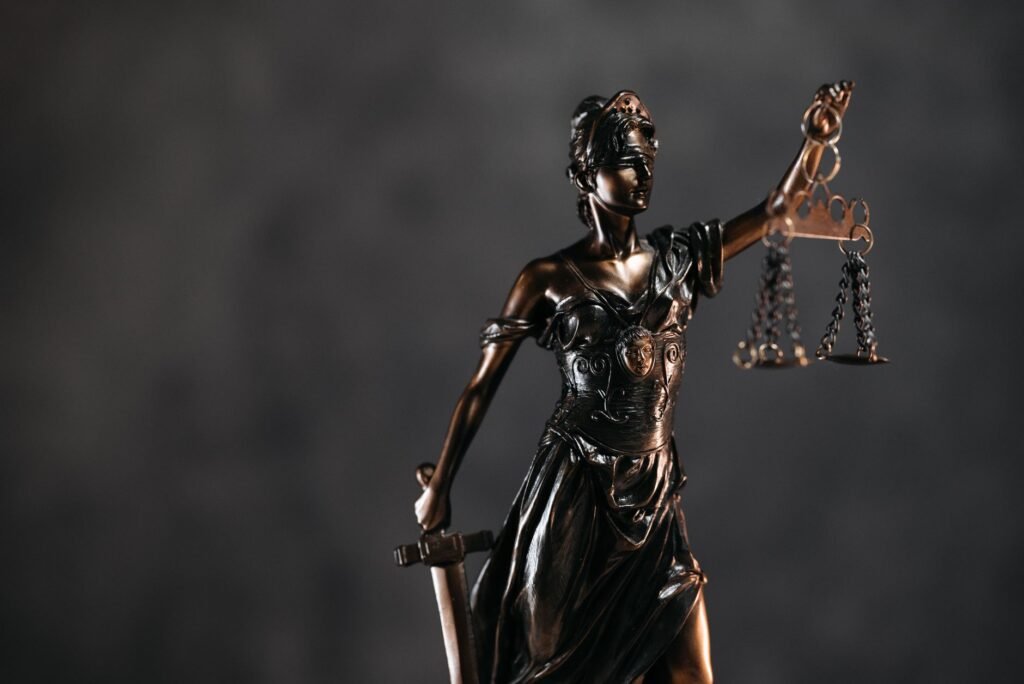
Who Is Themis in Greek Mythology?
In Greek mythology, Themis is one of the ancient Titan goddesses, best known as the divine embodiment of justice, order, law, and sacred custom. Long before the Olympian gods ruled from Mount Olympus, Themis represented the natural and moral order that held the universe together.
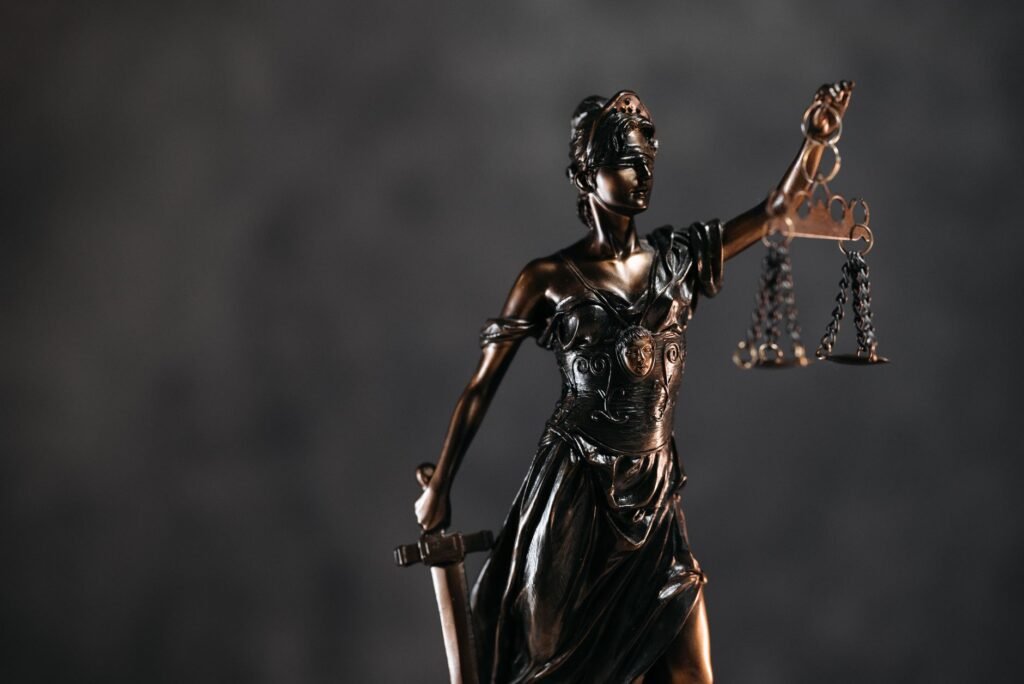
Her name is often associated with fairness, wise counsel, and the proper way things should be done. While modern images of justice often show a blindfolded woman holding scales, that symbol has deep roots in figures like Themis, whose influence shaped ideas of law and divine balance in the ancient world.
The Origins of Themis
Themis was a Titaness, part of the older generation of gods who came before Zeus and the Olympians. She was the daughter of Uranus, the sky, and Gaia, the earth. This made her a sibling of other powerful Titans such as Cronus, Rhea, Oceanus, Hyperion, and Mnemosyne.
Unlike some Titans who opposed Zeus during the great conflict known as the Titanomachy, Themis was not typically portrayed as an enemy of the Olympian order. Instead, she became closely associated with Zeus and even served as one of his trusted advisors.
Her ancient nature gave her a special kind of wisdom. Themis understood not just human laws, but divine law—the eternal principles that governed gods, mortals, and the cosmos itself.
Themis and Zeus
Themis is often described as the second wife or consort of Zeus, after Metis. Their union was important because it connected Zeus, the ruler of the gods, with divine order and lawful authority.
Together, Themis and Zeus had several significant children. These included:
- The Horae, goddesses of the seasons and orderly progression of time
- The Moirai, also known as the Fates, who controlled the destiny of mortals
- In some traditions, Astraea, a goddess of justice and innocence
These children reflect Themis’s role in maintaining balance. The Horae represented natural order, seasonal cycles, and social harmony. The Moirai determined the threads of fate, reminding both gods and humans that destiny followed a higher law.
Through her relationship with Zeus, Themis helped strengthen his image as more than a powerful ruler. He was also a guardian of justice, oaths, and proper order.
What Was Themis the Goddess Of?
Themis was not simply a goddess of law in the modern legal sense. Her domain was broader and more sacred. She represented the divine order behind all things.
Justice and Fairness
Themis was strongly associated with justice. However, her justice was not based on written laws or court systems alone. It was rooted in what the ancient Greeks saw as right, balanced, and divinely approved.
She represented fairness in both human society and the world of the gods. When order was disturbed, Themis symbolized the need to restore balance.
Divine Law and Custom
The word “Themis” can be understood as “that which is laid down” or “divine custom.” This refers to traditions, rituals, and laws believed to be established by the gods.
In ancient Greek life, proper behavior mattered deeply. Respect for guests, honoring oaths, performing sacrifices correctly, and obeying sacred customs were all connected to the kind of order Themis represented.
Wise Counsel
Themis was also known for her wisdom. She advised Zeus and helped guide divine decisions. In some myths, she appears as a voice of reason among the gods.
Her wisdom was linked to prophecy as well. Themis was sometimes connected with the Oracle of Delphi before Apollo became its most famous patron. This association shows her deep connection to sacred knowledge and truth.
Themis and the Oracle of Delphi
One of the most fascinating aspects of Themis in Greek mythology is her link to prophecy. According to some traditions, the Oracle of Delphi was originally held by Gaia, Themis’s mother. Themis later inherited or shared this prophetic power before it eventually passed to Apollo.
At Delphi, divine messages were believed to reveal the will of the gods. Themis’s connection to this sacred place shows that she was not only concerned with justice after events occurred, but also with guiding people toward right action before they made important choices.
Her prophetic role fits naturally with her identity as a goddess of order. To understand divine law, one also needed insight into fate, destiny, and the hidden structure of the world.
Symbols of Themis
Themis is commonly associated with symbols that continue to influence modern ideas of justice.
Scales
The scales represent balance, fairness, and careful judgment. They suggest that every side of a matter must be weighed properly.
Sword
Although more common in later depictions, the sword represents the power of justice to enforce law and punish wrongdoing.
Blindfold
The blindfold is a later addition and is more closely associated with modern Lady Justice than ancient Themis herself. It symbolizes impartiality—the idea that justice should not favor wealth, power, or status.
Cornucopia
In some ancient depictions, Themis appears with a cornucopia, or horn of plenty. This connects her to abundance, prosperity, and the blessings that come from a well-ordered world.
Themis vs. Lady Justice
Many people confuse Themis with Lady Justice, and the two figures are closely related. Lady Justice, often seen in courthouses today, draws inspiration from Themis as well as the Roman goddess Justitia.
Themis is the older Greek divine figure representing sacred law and cosmic order. Lady Justice is a later symbolic personification of legal fairness. While they are not exactly the same, Themis helped shape the imagery and meaning behind the modern symbol of justice.
Why Themis Matters in Greek Mythology
Themis is important because she represents a force that even powerful gods must respect: order. Greek mythology often shows gods acting with passion, jealousy, and pride, but Themis stands for something steadier. She reflects the belief that the universe has structure and that justice is part of that structure.
Her influence can be seen in the authority of Zeus, the movement of the seasons, the power of fate, and the sacred customs that guided Greek society.
Conclusion
So, who is Themis in Greek mythology? She is the Titan goddess of divine law, justice, order, and wise counsel. As a daughter of Uranus and Gaia, a consort of Zeus, and the mother of powerful goddesses connected to fate and time, Themis occupies a central place in the mythological universe.
More than a simple goddess of courts or punishment, Themis represents the sacred balance that keeps both heaven and earth in harmony. Her legacy continues today in the familiar image of justice holding scales, reminding us that fairness, order, and truth remain timeless ideals.

Orin Vale has spent the better part of two decades tracing the threads that connect the world’s oldest stories — from the halls of Asgard to the banks of the Nile, from Olympus to the jungles of the Maya. What began as a childhood fascination with flood myths and trickster gods grew into years of independent study across comparative mythology and ancient religion, always chasing the same question: what did these stories mean to the people who first told them? Orin writes for readers who want more than trivia — the ones looking for the beliefs, fears, and truths that myths were built to carry.