Strix (Striges)
Introduction
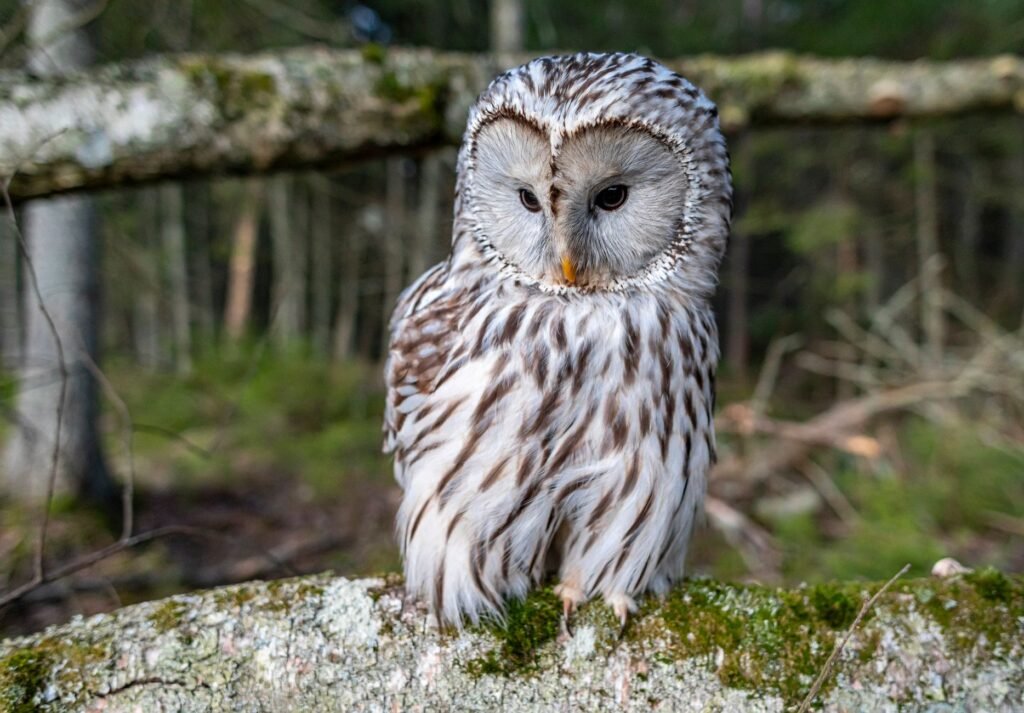
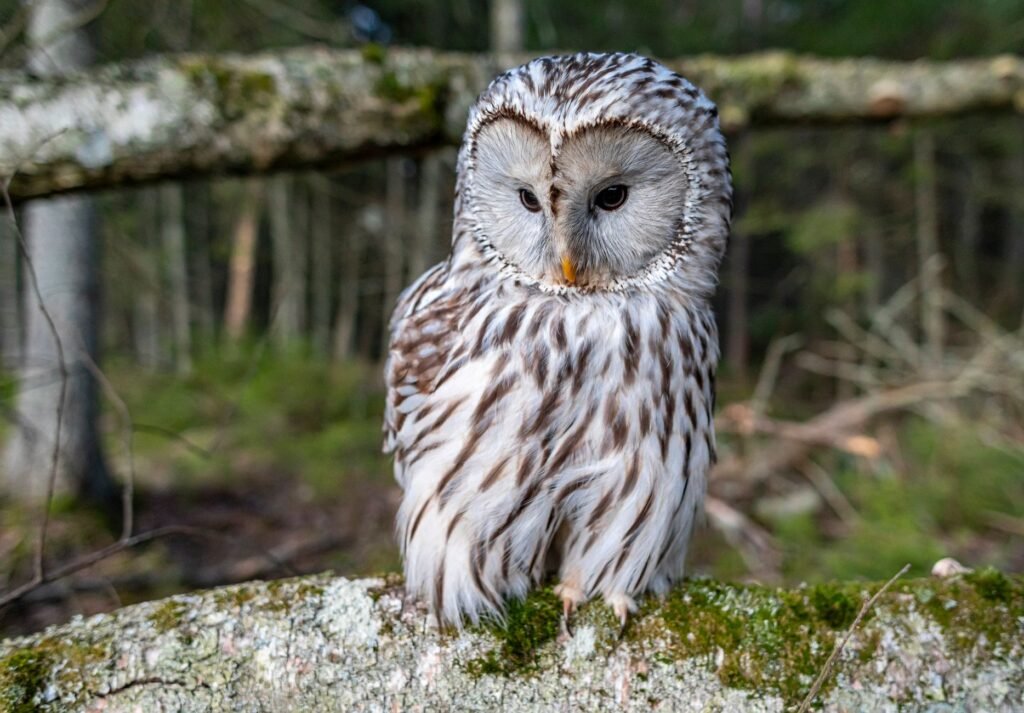
Strix is a term from Greco-Roman antiquity for a nocturnal, birdlike being associated with bloodsucking, child threat, and ominous magic. In classical Latin, strix (plural striges or strigae) could refer to a kind of monstrous owl, a night demon, or a witch-like creature, depending on the author and period. The word occupies an important place in ancient Mediterranean folklore because it sits at the boundary between zoology, superstition, and myth.
Unlike many fully developed deities, the strix is best understood as a fear figure: a creature used to explain unexplained harm, especially at night. It appears in literature, magical texts, and later folklore, where it helped shape medieval and early modern ideas about witches, night demons, and vampiric beings.
Origin and Meaning
The etymology of strix is ancient and somewhat uncertain. Classical authors treated it as a Latin word, but its deeper linguistic origin is disputed. It may be connected to pre-Latin or Italic usage, while some later scholars have compared it with Greek terms for nocturnal birds.
In Latin literature, the word often denotes:
- a nocturnal bird, especially an owl-like creature
- a monster that attacks infants
- a witch or transformed being
- a supernatural night demon
The plural forms striges and strigae were both used in Latin, though their exact nuance varied by author. In later European languages, related terms gave rise to words for witch or female supernatural being, especially in Slavic and Balkan traditions, though these are not straightforward continuations of the Roman concept.
Historical Context
The strix belongs to the wider world of ancient Mediterranean demonology and folk belief. In the Greco-Roman world, nocturnal animals were often linked with danger, impurity, death, and the uncanny. Owls, bats, and night birds could be omens, messengers, or embodiments of fear.
Roman writers, especially in the late Republic and imperial periods, used the strix as a literary and folkloric image. It appears in contexts involving:
- child protection
- apotropaic magic intended to ward off harm
- satire and invective
- learned explanations of superstition
- witchcraft narratives
The strix was not an official cult figure with temples and priesthoods. Instead, it circulated in popular fear, magical practice, and literature. This makes it especially valuable for understanding how ancient societies imagined the dangers of the night and the vulnerability of infants.
Main Characteristics
The strix is described inconsistently across ancient sources, but several traits recur.
Common attributes
- Nocturnal: active at night or associated with darkness
- Birdlike: often described with wings, claws, and a harsh cry
- Predatory: linked to attacking babies, feeding on flesh, or draining blood
- Ominous: connected with death, bad luck, and curses
- Ambiguous form: sometimes a real bird, sometimes a demon, sometimes a transformed witch
Physical and symbolic features
Ancient descriptions often emphasize:
- a shrill screech
- hooked beak or talons
- flying at night
- hunger for human flesh or blood
- association with roofs, windows, and cradles
The creature’s identity shifts by genre. In poetry, the strix can be a monster of exaggeration. In folk belief, it may be taken more seriously as a threat to children. In learned Roman discourse, it can become a specimen of superstition or natural history.
Comparison of major ancient understandings
| Tradition or authorial context | Meaning of strix |
|---|---|
| Folkloric Roman usage | Night bird or child-threatening monster |
| Satirical and poetic literature | Witch-like demon or grotesque monster |
| Magical and protective contexts | A being to be warded off |
| Later moralized interpretations | Symbol of witchcraft, deviance, or evil |
Family and Genealogy
The strix is not a deity with a standard genealogy in the way Olympian gods or heroic lineages are. Ancient sources do not present a fixed family tree for the striges. Instead, the creature belongs to the realm of monstrous classes and supernatural beings.
In some later traditions, especially under the influence of folk demonology, striges could be linked to:
- witches who transform at night
- liminal female beings
- child-snatching spirits
- undead or vampire-like figures
However, these are interpretive developments, not a single canonical mythological genealogy.
Symbols
The strix is associated with symbols of darkness, fear, and nocturnal predation rather than with sacred emblems in the religious sense.
Common symbolic associations
- Night: the domain of concealment, danger, and hidden forces
- Wings: mobility between human and liminal worlds
- Sharp beak or claws: violence and tearing
- Cries or screeches: alarming omens
- Cradles and infants: vulnerability and maternal anxiety
- Blood: life force, theft, and bodily violation
Apotropaic symbolism
Because the strix was feared, various protective symbols and practices were used against it in Roman culture. These could include:
- garlic or pungent substances in later folk practice
- protective charms
- ritual gestures
- spoken spells or incantations
The precise ancient Roman methods varied and are not always described in detail by surviving sources.
Sacred Animals
The strix itself is animal-like, so it is more accurate to discuss associated animals rather than “sacred animals” in the conventional religious sense.
Associated animals and their meanings
| Animal | Association |
|---|---|
| Owl | Night, wisdom in some traditions, but also ominous silence and death |
| Screech owl / nocturnal bird | Harsh sound, fear, bad omens |
| Bat | Darkness, invisibility, liminality |
| Raven or crow | Death, prophecy, and ill omen in broader Mediterranean symbolism |
The owl is the closest and most persistent association. Yet ancient writers did not always mean the same zoological species. The term strix could refer to a real bird, a fabulous bird, or a demonized creature inspired by birds of night.
Sacred Plants
There are no clearly attested sacred plants uniquely tied to Strix in the way some deities have established botanical associations. However, plants used in defensive magic or apotropaic ritual are relevant to the broader tradition.
Plants often linked to protective magic in the Roman world
- Garlic: later folklore often treats it as a repellent substance, though this is not uniquely or consistently tied to the strix in surviving ancient texts
- Laurel: broadly apotropaic in Roman religion
- Rue: commonly associated with protective uses in later folk traditions
- Mugwort and other bitter herbs: occasionally appear in protective or purificatory contexts
These associations belong more to the ritual environment surrounding fear of night beings than to a formal cult of the strix.
Sacred Places
The strix does not have temples, sanctuaries, or a fixed sacred geography. Its habitat is typically the threshold between home and night.
Places connected with strix traditions
- Domestic spaces: cradles, bedrooms, roofs, and windows, where infants were vulnerable
- Nighttime wilderness: forests, ruins, and deserted places in broader folklore
- Poetic underworld landscapes: in literary imagination, the strix can be placed among infernal or liminal beings
- Roman urban settings: where fear of night threats and household protection mattered
Because the strix was a figure of anxiety, its “places” are often the places where safety breaks down.
Powers and Attributes
The strix was not a benevolent power. Its attributes are largely destructive or uncanny.
Main powers and domains
- Attacking infants and children
- Feeding on flesh or blood
- Moving through the night
- Bringing illness, fear, or death
- Serving as an omen of misfortune
- Crossing boundaries between human and animal form
In some accounts, the strix may be a transformed witch or a being capable of shapeshifting. In others, it is simply a monster class. This instability is characteristic of ancient folklore, where categories remained fluid.
Main Myths
There is no single authoritative “myth of Strix,” but rather a cluster of stories and motifs.
1. The child-devouring night bird
One of the most enduring motifs describes the strix as a bird or bird-demon that attacks infants, sometimes by sucking blood or consuming flesh. This reflects ancient anxieties about infant mortality and the dangers of the night.
2. The witch transformed into a bird
Some traditions, especially later literary or folkloric ones, connect the strix with witches who change shape at night. This idea contributed to the creature’s long afterlife in European witchcraft lore.
3. The creature as omen and curse
In Roman literary culture, the strix could function as a sign of supernatural disorder. Mentioning it could dramatize fear, highlight taboo behavior, or intensify an atmosphere of dread.
4. Protective counter-magic
Because the strix was feared, stories and practices developed around preventing or repelling it. In this sense, its mythology includes not only attacks but also the human response to danger.
Relationship with Other Mythological Figures
The strix stands in relation to several other beings from classical and later folklore.
Related figures and concepts
- Harpy-like creatures: like harpies, striges can be birdlike and threatening, though they are not the same beings
- Lamiae: child-threatening female monsters in Greek and Roman tradition, often compared with striges
- Lamia and empousa traditions: these share themes of seduction, predation, and fear of women as supernatural threats
- Witches: later Roman and medieval interpretations often blur the line between strix and witch
- Owl omens: real birds of night often overlap symbolically with the strix
The creature’s identity is best understood within a broader network of female-coded night monsters and demons of domestic anxiety.
Worship and Cult
There is no evidence of a formal cult of Strix in ancient religion. No temples, priesthoods, hymns, or regular offerings are known.
However, the strix appears within ritual practice in a negative sense: people performed acts to avoid, repel, or neutralize such beings.
Forms of ritual response
- protective charms for homes and infants
- incantations and magic formulas
- domestic apotropaic customs
- public or literary denunciation of harmful supernatural forces
In Roman religion, such practices were part of the broader effort to maintain pax deorum, safety, and ritual order. The strix represented disorder at the boundary of the household.
Ancient Sources
The strix is known primarily through Latin literature and related Greco-Roman texts. Different authors emphasize different aspects.
Important ancient sources
- Ovid: especially in the Fasti and related works, where the strix appears in connection with ominous nocturnal folklore
- Horace: uses striges in a poetic context that reflects Roman fear of witchcraft and monsters
- Pliny the Elder: discusses unusual creatures and popular beliefs, though with a more encyclopedic and skeptical approach
- Petronius and other Roman authors: occasionally allude to nocturnal monsters or magical fear, depending on interpretation
- Later Latin writers and commentators: help preserve and transform the tradition
Why these sources matter
These texts show that the strix was not purely a folk tale and not purely literature. It moved between genres:
- epic and elegy
- satire
- learned natural history
- magical discourse
- antiquarian commentary
Because of this, the strix is a valuable example of how ancient authors blended observation, hearsay, and imagination.
Roman Equivalent
The strix is itself a Roman figure, but it also underwent adaptation in Roman and post-Roman culture.
In Roman terms
It can be understood as:
- a Roman monster
- a Latinized night bird
- a folk-demon
- a witch-like being in poetic language
Later transformations
In later European folklore, the strix influenced or was merged with ideas about:
- witches who fly at night
- vampiric beings
- infant-stealing demons
- shape-shifting female monsters
The Roman strix thus became part of a long history of nocturnal demonology.
Influence on Modern Culture
The strix has had a quieter modern reception than gods such as Zeus or Athena, but it continues to matter in literature, folklore studies, fantasy, and naming practices.
Modern appearances and influences
- Literature: modern writers interested in classical monsters and witch lore sometimes revive the strix as a name for a night creature
- Fantasy games and fiction: strix is often used as a term for owls, witches, or magical bird beings
- Academic work: scholars use the strix to discuss ancient demonology, women and monstrosity, and the history of vampire-like myths
- Biology and taxonomy: Strix is also the name of a genus of owls in modern scientific classification, a fitting but purely technical reuse of the old word
- Popular fantasy naming: the term appears in video games, tabletop games, and fantasy worlds because it sounds ancient and eerie
The strix’s modern value lies in its symbolic flexibility: it can stand for nighttime wisdom, horror, predation, or occult femininity depending on context.
Curiosities
- The word strix could mean both a real owl-like bird and a supernatural monster, showing how ancient categories often overlapped.
- The creature is especially associated with infant danger, reflecting a real social fear in the ancient world.
- In some later traditions, the strix helped shape the image of the vampire-like female night attacker.
- The same ancient word survives indirectly in modern scientific nomenclature through the owl genus Strix.
- Roman authors often used the strix as a rhetorical image to intensify disgust, fear, or moral criticism.
- The strix is one of several classical beings that blur the line between bird, witch, and demon.
Frequently Asked Questions
What is a strix in mythology?
A strix is a mythical or folkloric nocturnal creature from Greco-Roman tradition, often described as an owl-like monster, a child attacker, or a witch-like night demon.
Was the strix a goddess?
No. The strix was not a goddess and had no formal cult as a deity. It was a feared supernatural being or monster in ancient folklore and literature.
Did the strix come from Roman religion?
Not in the sense of an official religious figure. It belongs more to Roman folklore, magical belief, and literary tradition than to state religion.
Is the strix the same as an owl?
Not exactly. Ancient sources sometimes used the term for a real owl-like bird, but often the strix was more than a bird: it could be a monster, demon, or transformed witch.
Why was the strix feared?
It was feared because it was associated with night attacks, especially against babies and children, as well as with bad omens and dangerous magic.
Did the strix influence later vampire legends?
Yes, indirectly. Its association with blood, night, and predation helped shape later European ideas about vampiric and witch-like beings, though it is not identical to the modern vampire.
Are there temples or festivals for the strix?
No known temples or regular festivals were dedicated to the strix. It was mainly a figure of fear, not worship.
Which ancient authors mention the strix?
Important references appear in Roman authors such as Ovid and Horace, with further discussion in writers like Pliny the Elder and later Latin commentators.
Conclusion
Strix (striges) is a striking example of how ancient cultures imagined the dangers of the night. Neither simple bird nor fully developed demon, it occupied an unstable space between natural observation and supernatural fear. In Roman thought, the strix symbolized the vulnerability of children, the threat of unseen forces, and the power of folklore to shape social anxiety.
Its legacy extends far beyond antiquity. Through literature, learned commentary, and later folklore, the strix helped influence European traditions of witches, night monsters, and bloodthirsty beings. Today it remains an important figure for understanding the imaginative world of the ancient Mediterranean and the long history of nocturnal terror in myth and culture.

Orin Vale has spent the better part of two decades tracing the threads that connect the world’s oldest stories — from the halls of Asgard to the banks of the Nile, from Olympus to the jungles of the Maya. What began as a childhood fascination with flood myths and trickster gods grew into years of independent study across comparative mythology and ancient religion, always chasing the same question: what did these stories mean to the people who first told them? Orin writes for readers who want more than trivia — the ones looking for the beliefs, fears, and truths that myths were built to carry.