supernatural beings
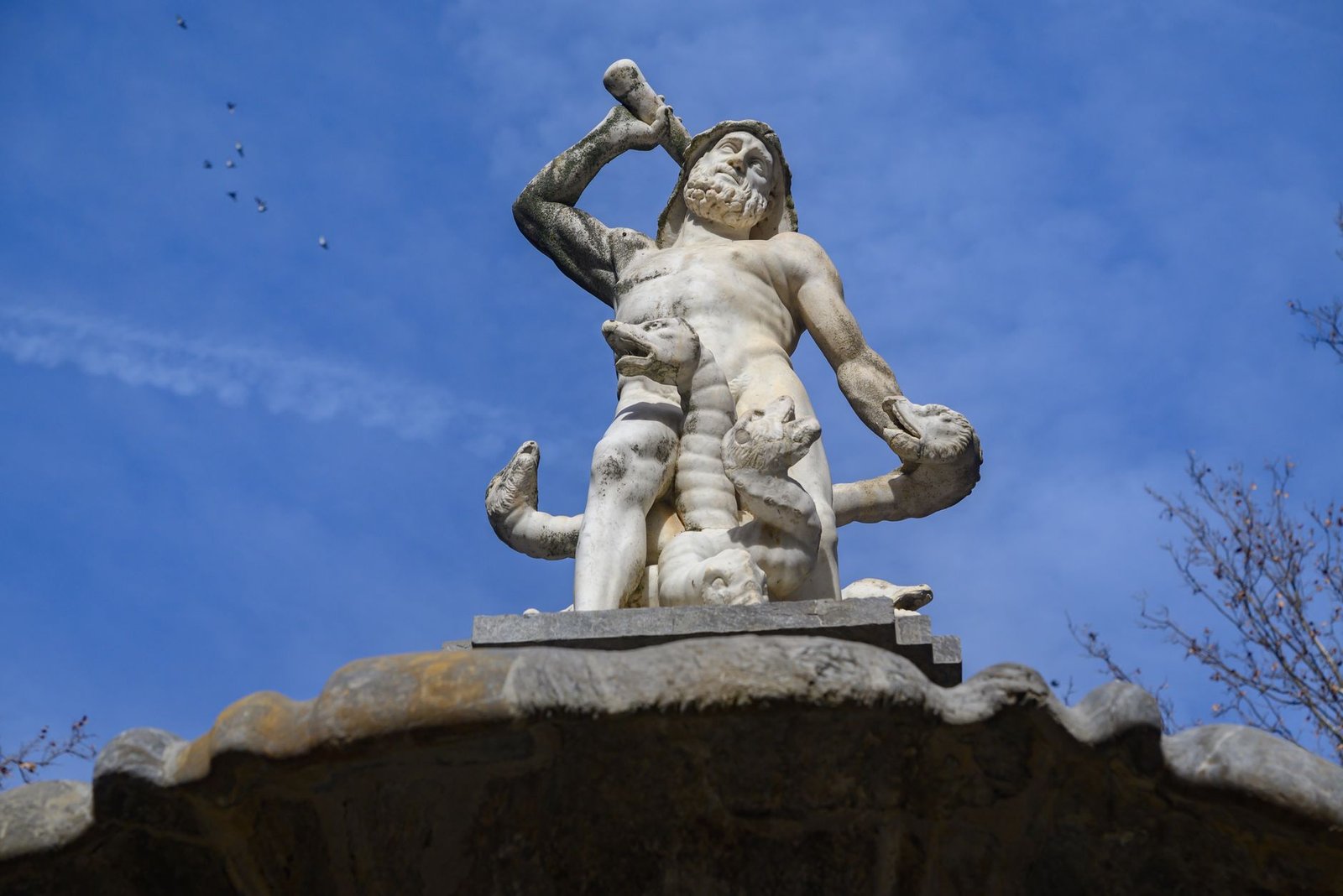
Balor: Meaning, Origin, and Mythology Explained
Balor is a central figure in Irish mythology, a fearsome Fomorian giant whose destructive power and deadly eye make him one of the Tuatha Dé Danann’s most dangerous foes. His role in the Cath Maige Tuired, where he is ultimately defeated by his grandson Lugh, reveals enduring themes of prophecy, conflict, and the triumph of cunning over overwhelming force.
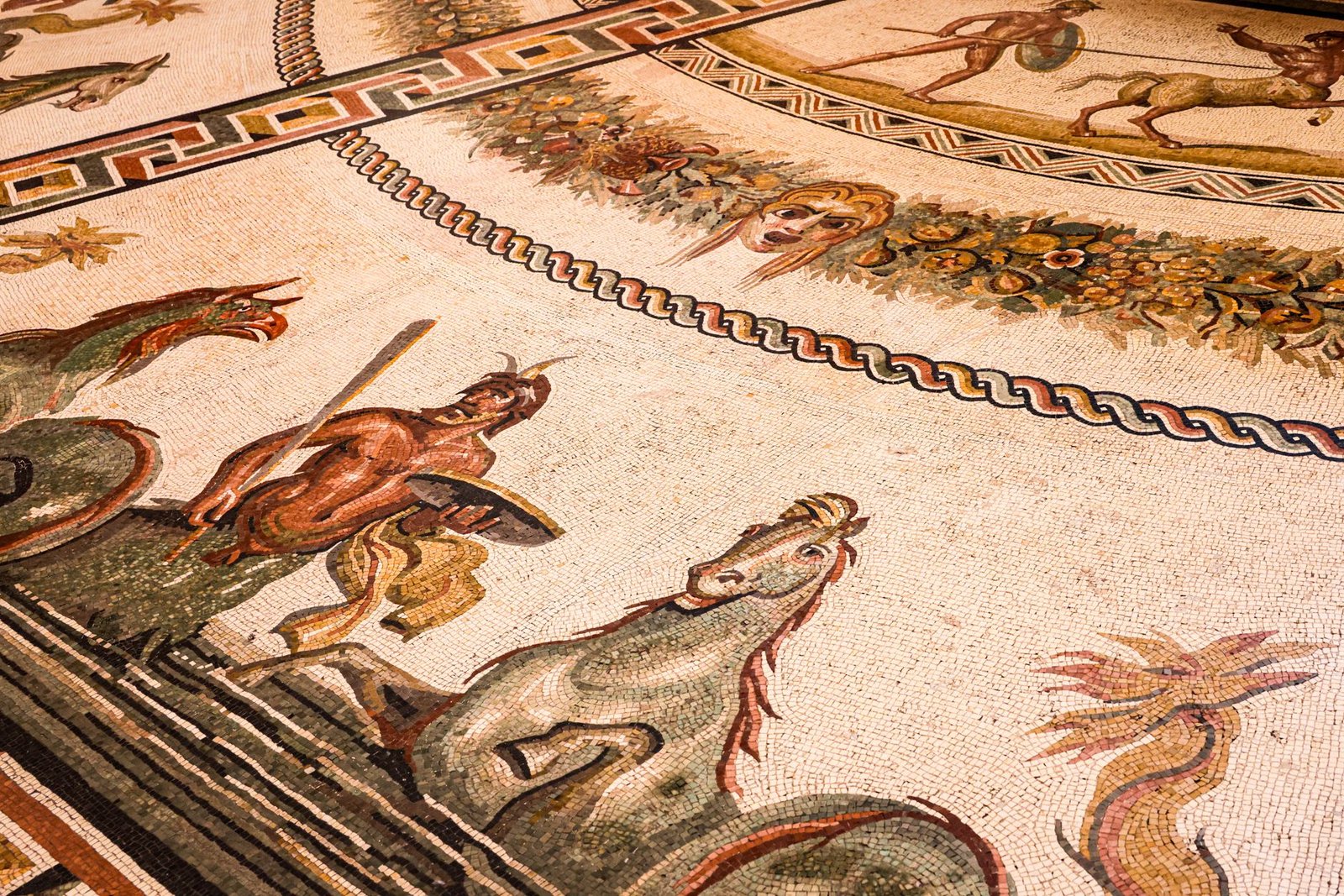
Fomorians: Mythology, Origins, and Cultural Significance
The Fomorians occupy a central place in Irish mythology as powerful, often hostile beings linked to chaos, sea, darkness, and famine. This excerpt explores their uncertain origins, shifting portrayals, and enduring conflict with the Tuatha Dé Danann, offering a glimpse into how medieval Irish tradition imagined the forces beyond civilization.
Afanc: Welsh Mythical Water Monster Encyclopedia
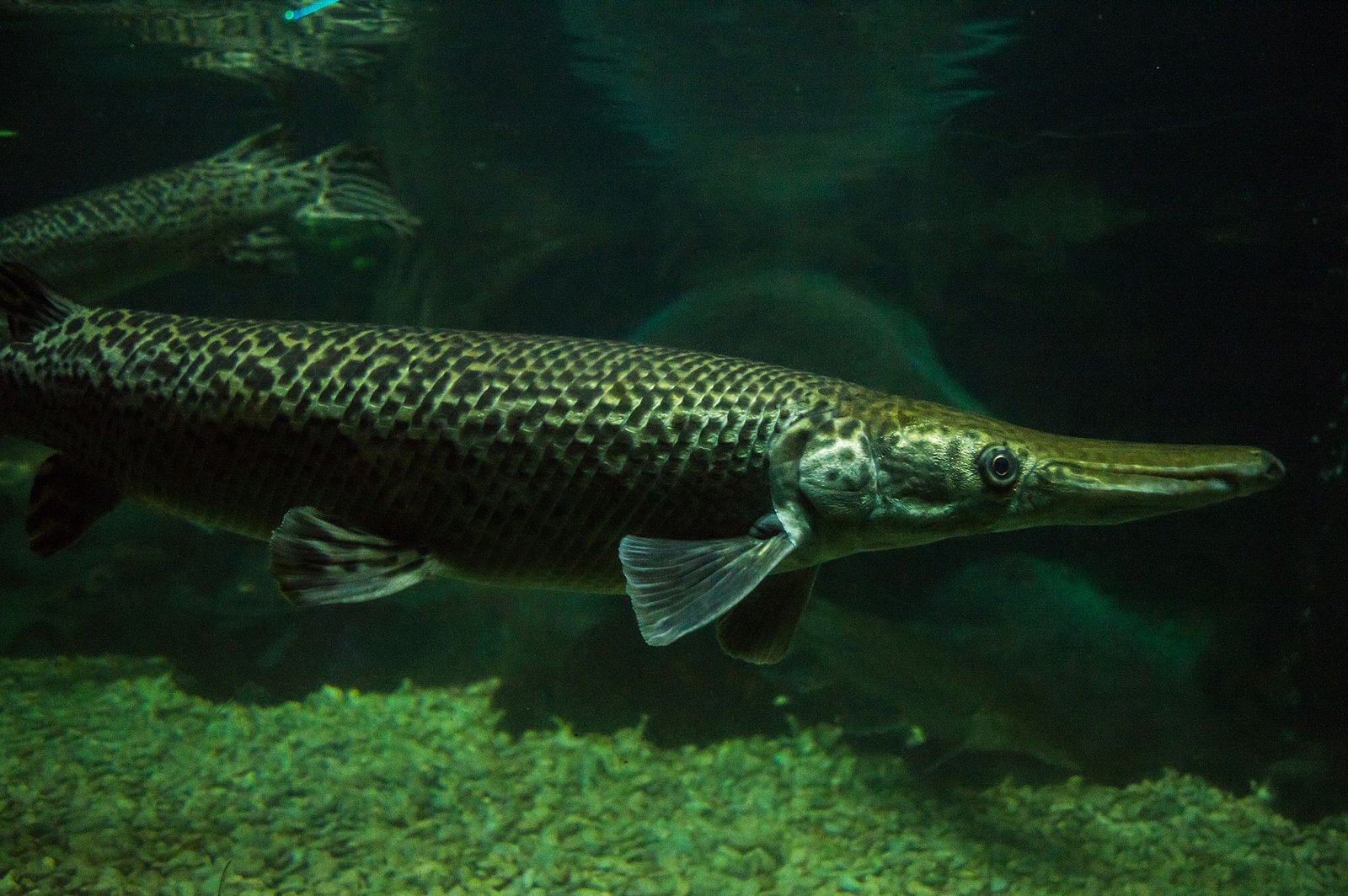
The **Afanc** is a legendary Welsh water creature, usually imagined as a fearsome monster haunting lakes, rivers, and other deep places. Its shifting name, uncertain origins, and varied appearances across folklore and medieval literature reveal a rich tradition that invites closer study.
Water Bull (Tarbh Uisge): Scottish Folklore Creature
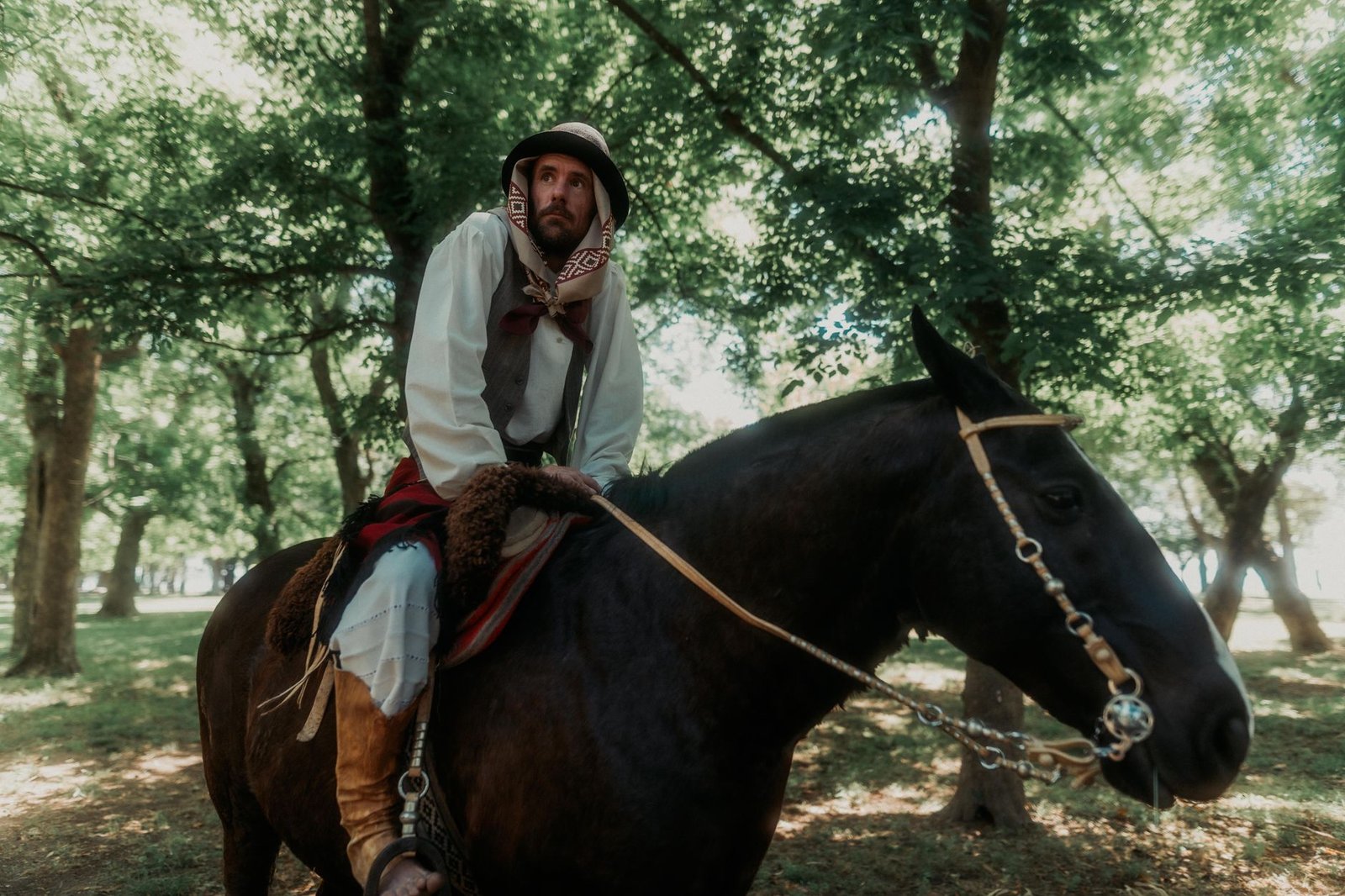
The Water Bull, or Tarbh Uisge, is a creature of Scottish Highland and Island folklore, linked to lochs, rivers, and the perilous boundary between the human world and the Otherworld. Shifting between beast, fairy-haunted omen, and local legend, it reflects enduring Gaelic beliefs about water, fertility, and the hidden forces that shape the landscape.

Each Uisge: Scottish Water Horse Myth and Folklore
Each Uisge is a feared water spirit of Gaelic folklore, especially in the Scottish Highlands and islands, where it is described as a deadly “water horse” that lures riders to their doom. Exploring its origins, meanings, and regional variations reveals how this creature reflects the dangers of lochs and sea in Celtic tradition, and why it remains so haunting.
Aos Sí: Irish Fairy Folk Mythology Explained
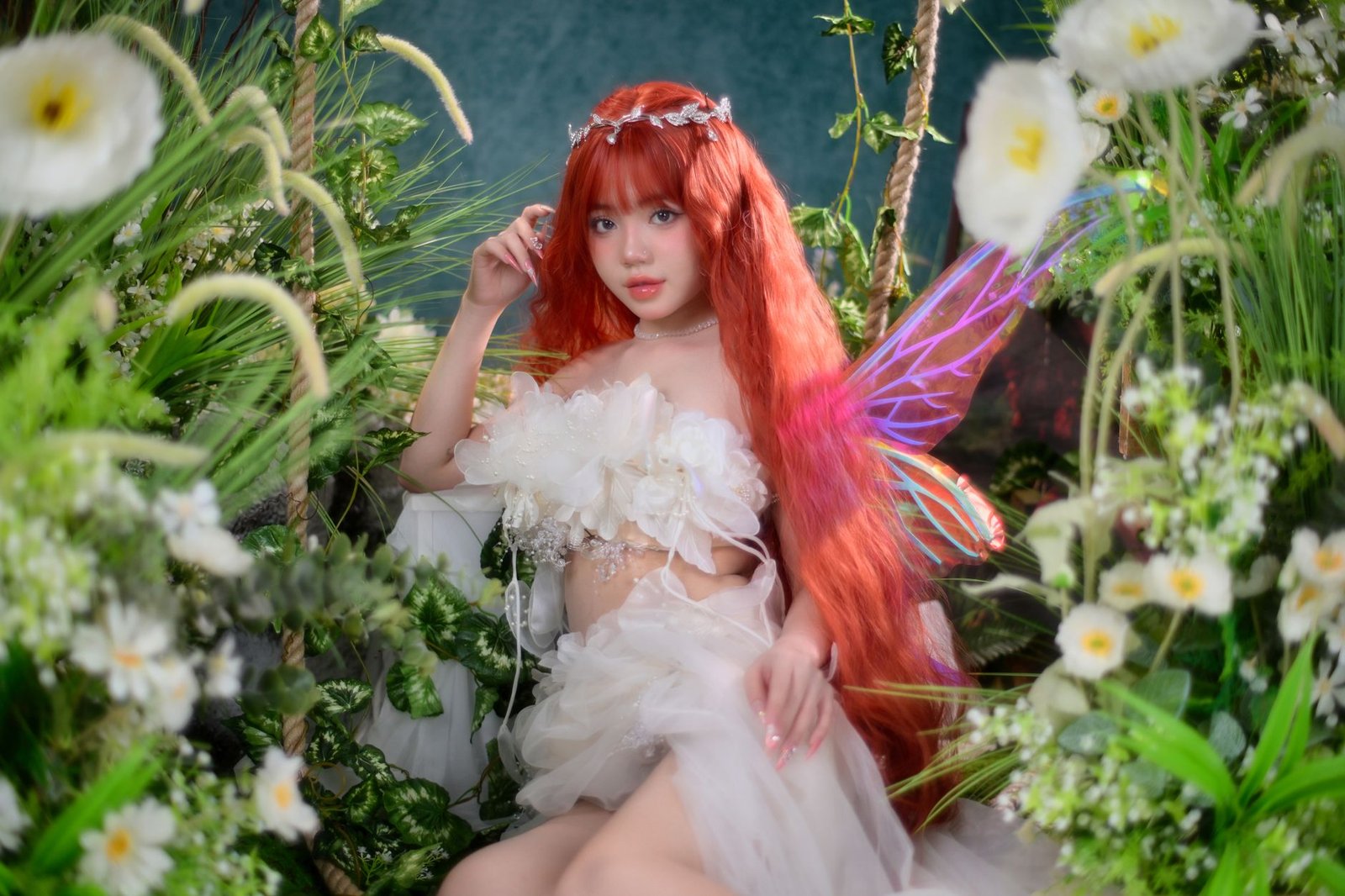
The Aos Sí, often called the fairy folk, are central to Irish and wider Celtic tradition, where they are linked to ancient mounds, hollow hills, and other liminal places. Far from the modern image of tiny winged creatures, they appear in older lore as an otherworldly people whose origins, powers, and place in folklore invite closer study.
Leprechaun: Meaning, Origin, and Irish Folklore
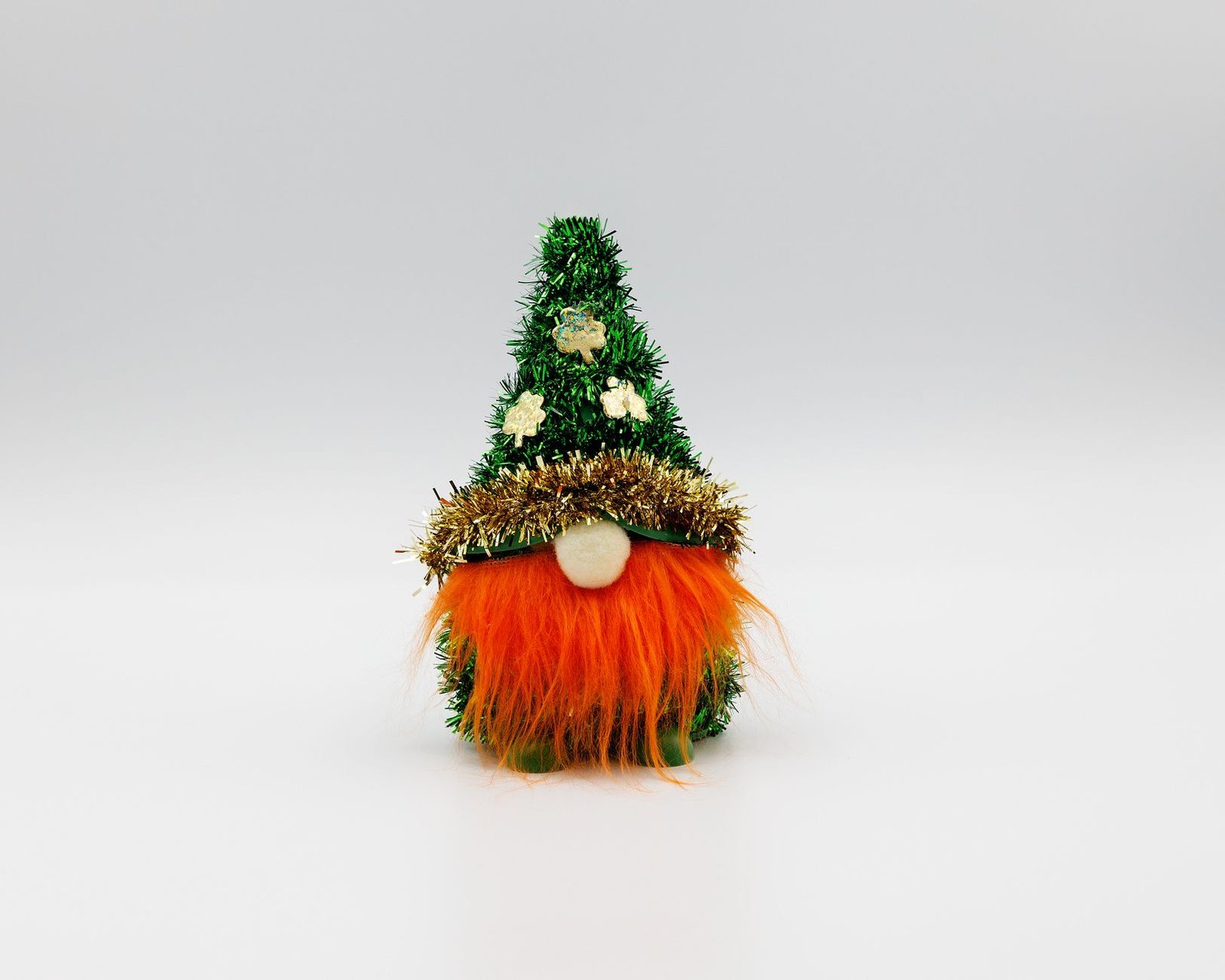
The leprechaun is a distinctive figure in Irish folklore, known as a solitary fairy associated with mischief, hidden treasure, and the craft of shoemaking. This article traces its uncertain Gaelic origins, traditional role in oral storytelling, and transformation into a global symbol, revealing a character far more complex than the familiar green-clad image suggests.
Banshee vs Dullahan: Irish Mythology Differences
The **banshee vs dullahan** comparison reveals two distinct Irish folklore figures: one a mourning spirit whose cry warns of death, the other a headless rider who seems to bring death itself. Exploring their origins, forms, and cultural meanings shows how Irish tradition uses supernatural messengers to reflect memory, fate, and the fragile boundary between life and the Otherworld.
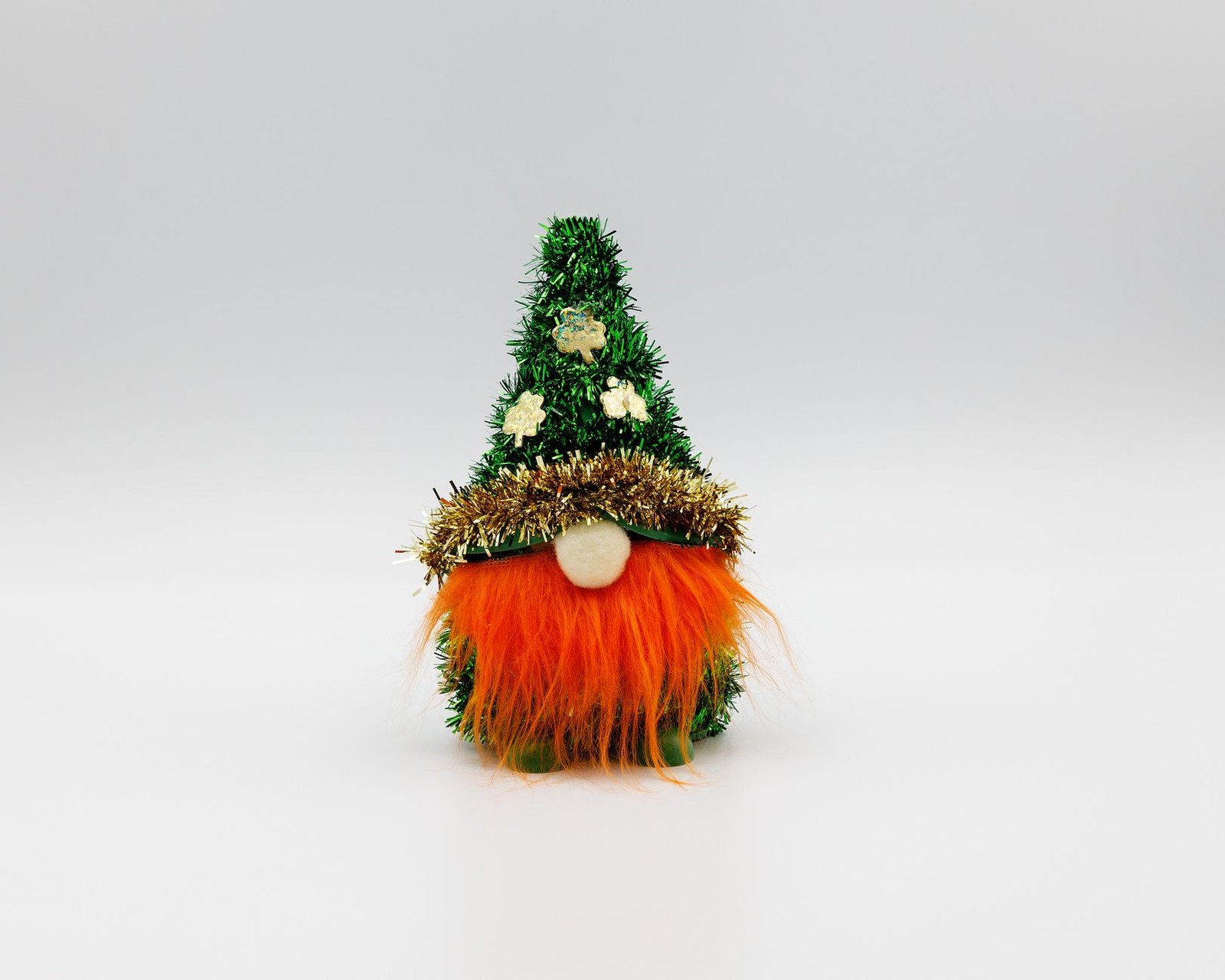
Is the Leprechaun Authentic Celtic Mythology?
Is the leprechaun authentic Celtic mythology? The answer lies in a distinction between ancient myth and later Irish folklore: leprechauns are genuine figures of Irish tradition, yet they are not central gods or heroes from the medieval Celtic myth cycles, and their evolution reveals how folklore, language, and popular image diverged over time.
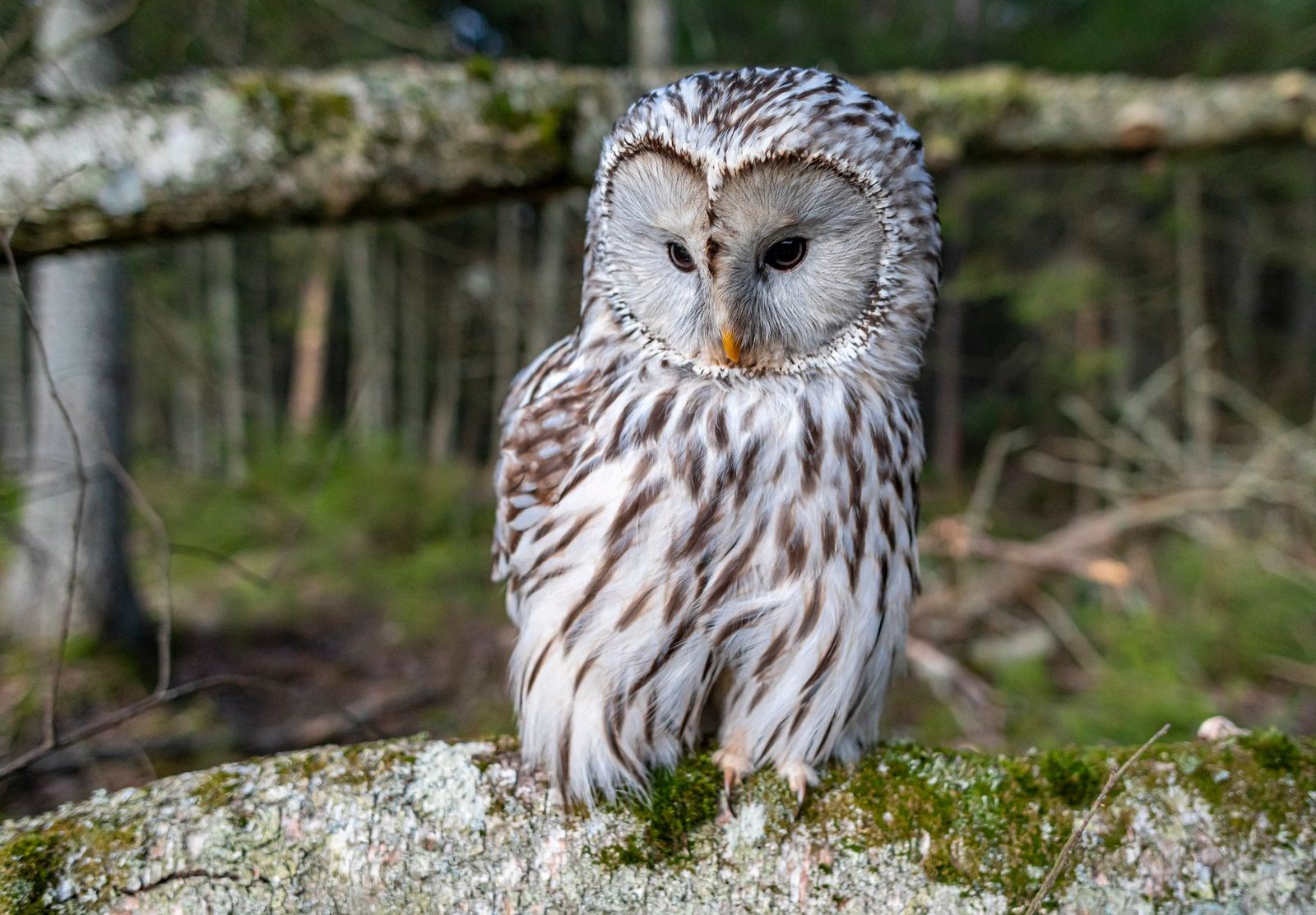
Strix (Striges): Owl Genus and Ancient Mythology
Strix (Striges) refers to a feared creature of Greco-Roman antiquity, described variously as a monstrous owl, night demon, or witch-like being that threatened children and drained blood. Tracing its shifting meanings across literature, magic, and folklore reveals how the strix helped shape later ideas of witches, omens, and nocturnal supernatural beings.