Celtic Creatures & Monsters
Balor: Meaning, Origin, and Mythology Explained
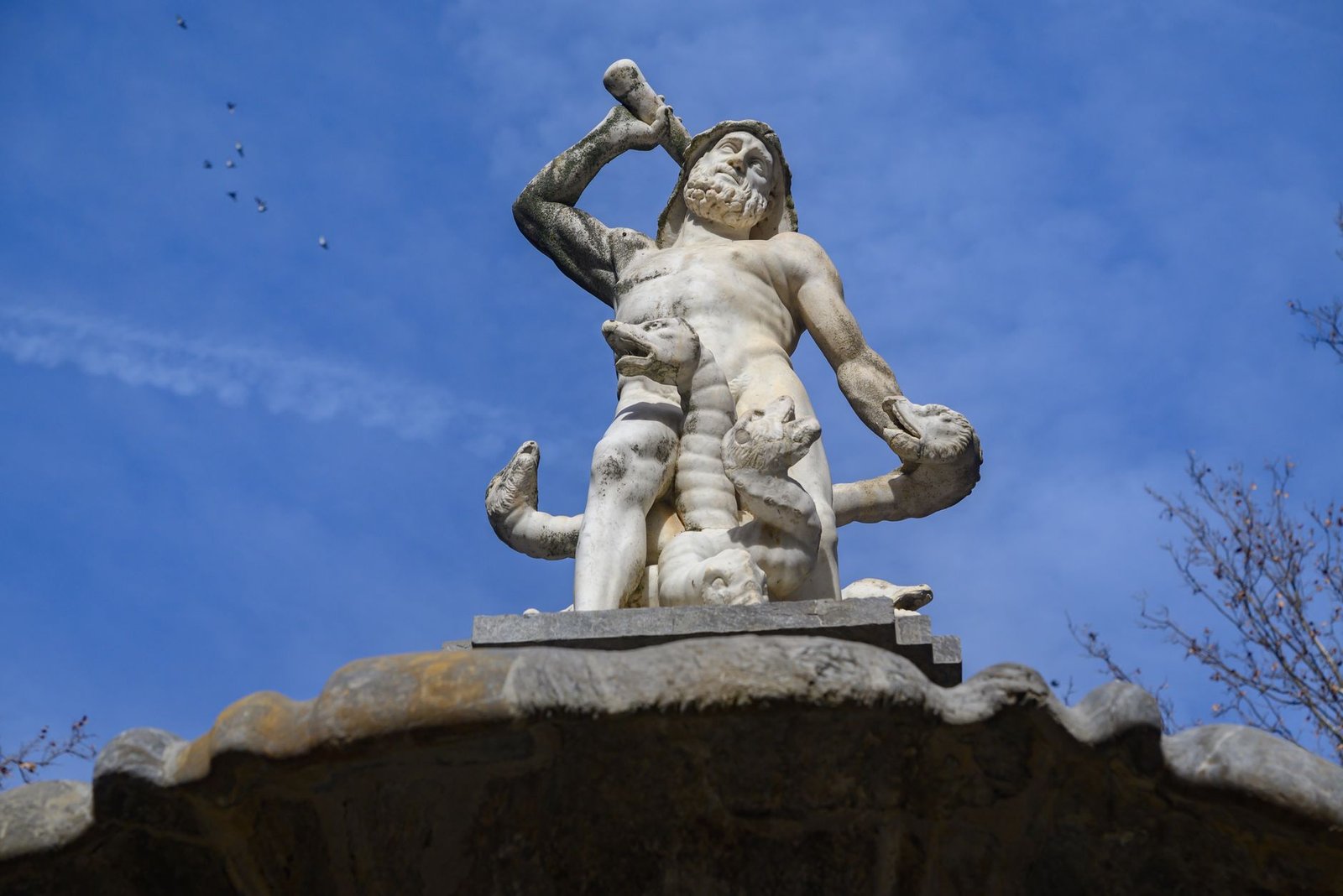
Balor is a central figure in Irish mythology, a fearsome Fomorian giant whose destructive power and deadly eye make him one of the Tuatha Dé Danann’s most dangerous foes. His role in the Cath Maige Tuired, where he is ultimately defeated by his grandson Lugh, reveals enduring themes of prophecy, conflict, and the triumph of cunning over overwhelming force.
Fomorians: Mythology, Origins, and Cultural Significance
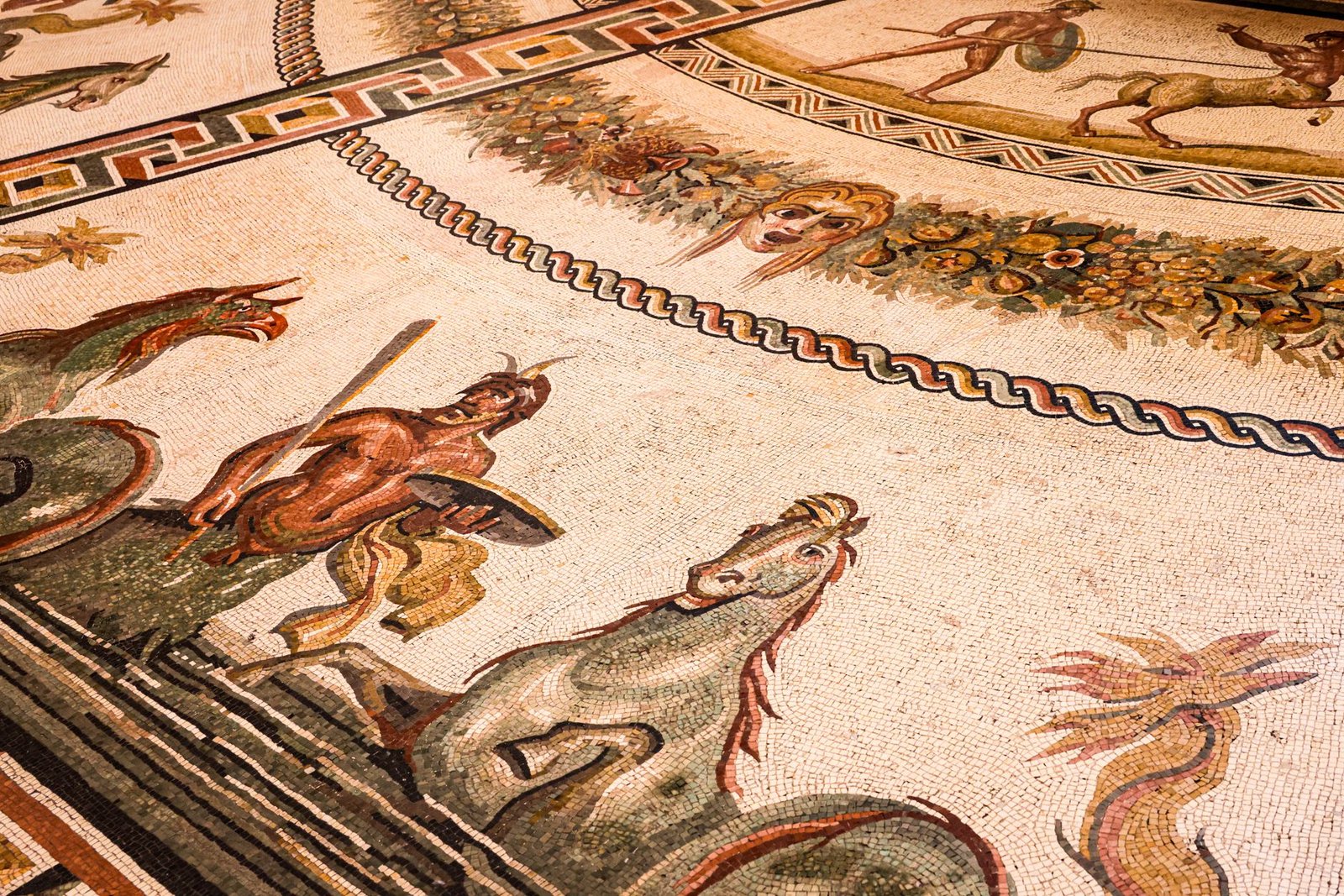
The Fomorians occupy a central place in Irish mythology as powerful, often hostile beings linked to chaos, sea, darkness, and famine. This excerpt explores their uncertain origins, shifting portrayals, and enduring conflict with the Tuatha Dé Danann, offering a glimpse into how medieval Irish tradition imagined the forces beyond civilization.
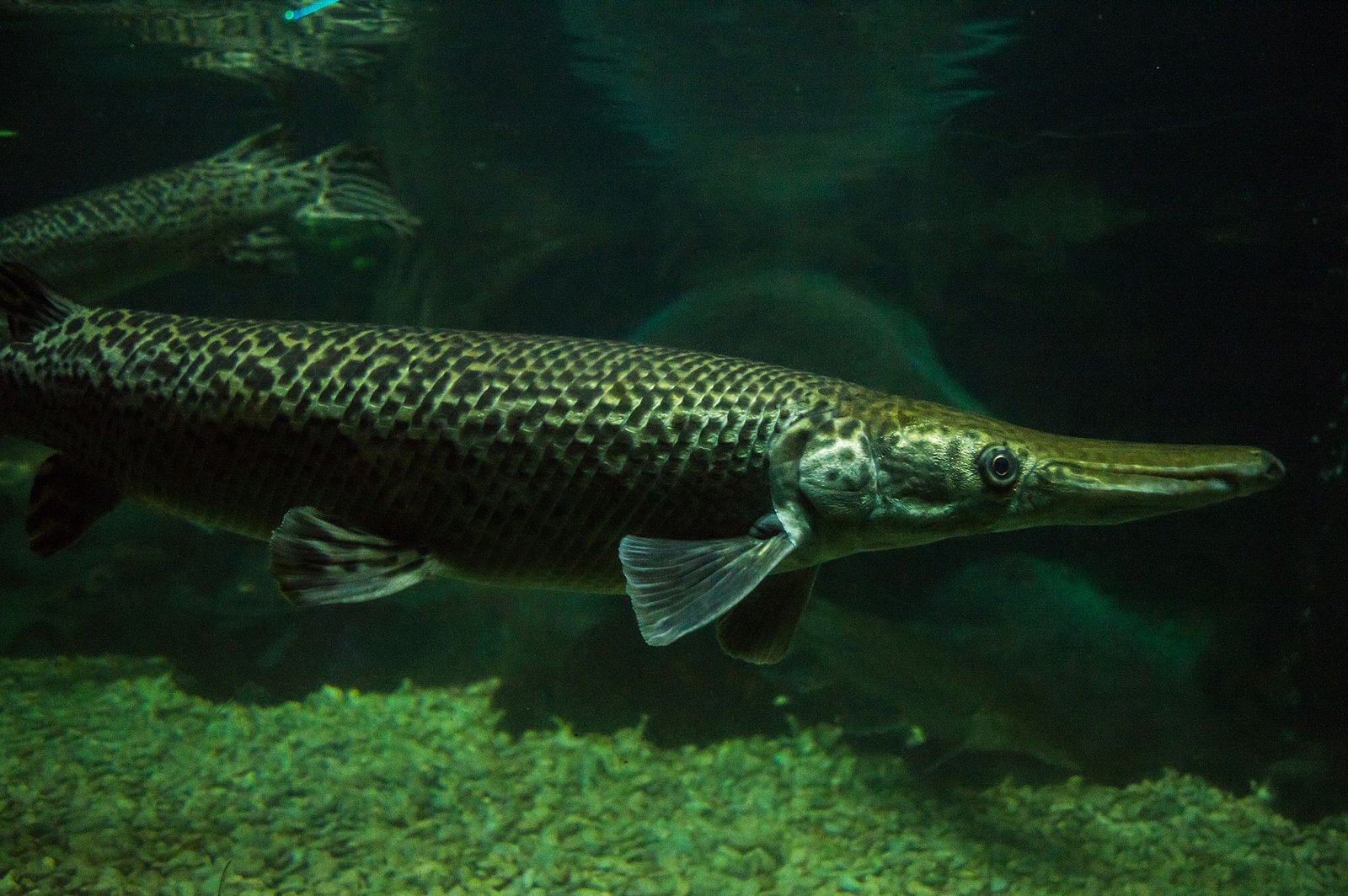
Afanc: Welsh Mythical Water Monster Encyclopedia
The **Afanc** is a legendary Welsh water creature, usually imagined as a fearsome monster haunting lakes, rivers, and other deep places. Its shifting name, uncertain origins, and varied appearances across folklore and medieval literature reveal a rich tradition that invites closer study.
Water Bull (Tarbh Uisge): Scottish Folklore Creature
The Water Bull, or Tarbh Uisge, is a creature of Scottish Highland and Island folklore, linked to lochs, rivers, and the perilous boundary between the human world and the Otherworld. Shifting between beast, fairy-haunted omen, and local legend, it reflects enduring Gaelic beliefs about water, fertility, and the hidden forces that shape the landscape.
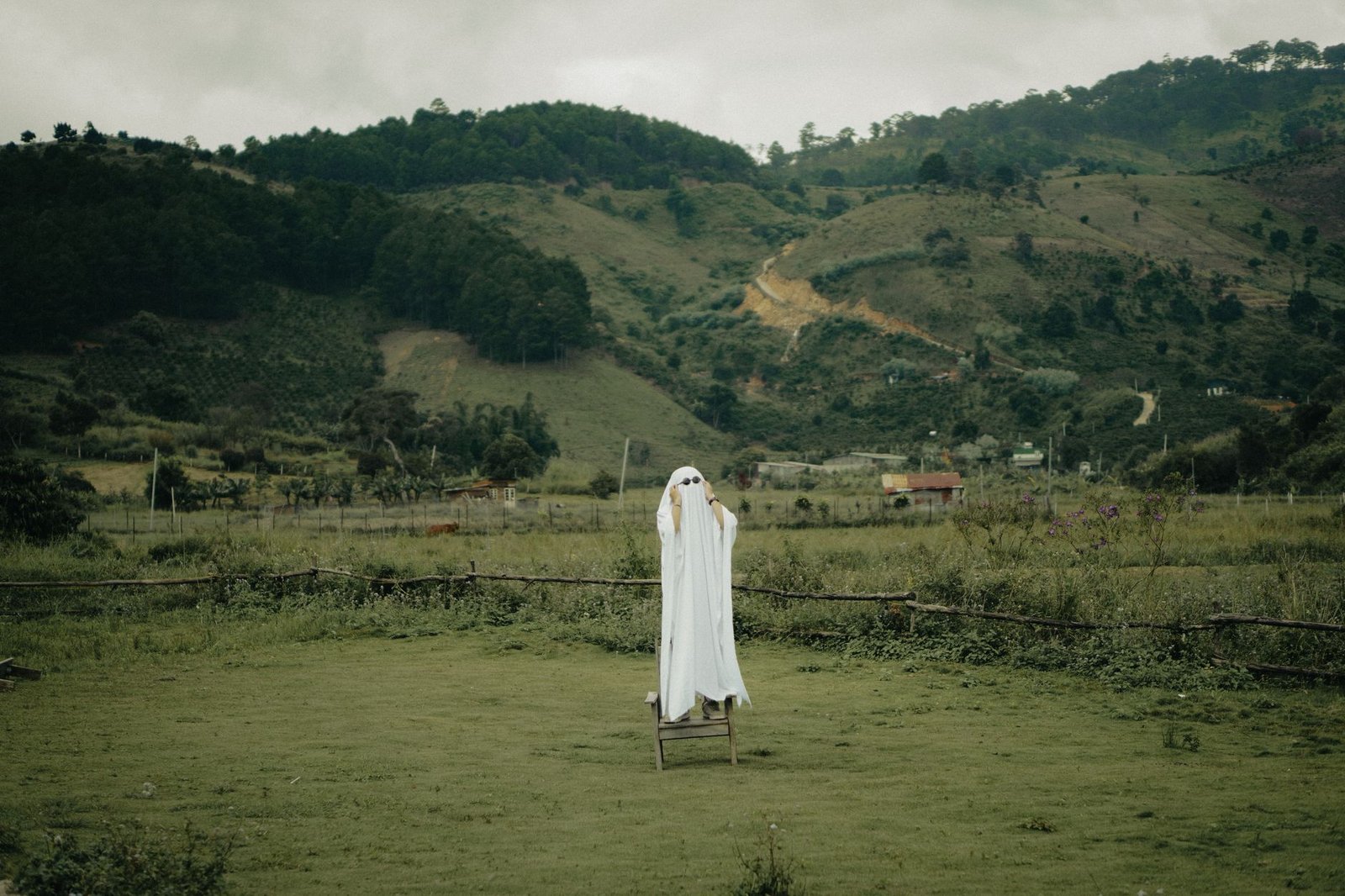
Banshee: Meaning, Origins, and Irish Folklore
The banshee is a central figure in Irish folklore, a female spirit whose lament is said to foretell death within a family. Tracing her origins in the Gaelic bean sídhe and the wider world of the sídhe, this article explores how tradition, belief, and later storytelling shaped her enduring presence.
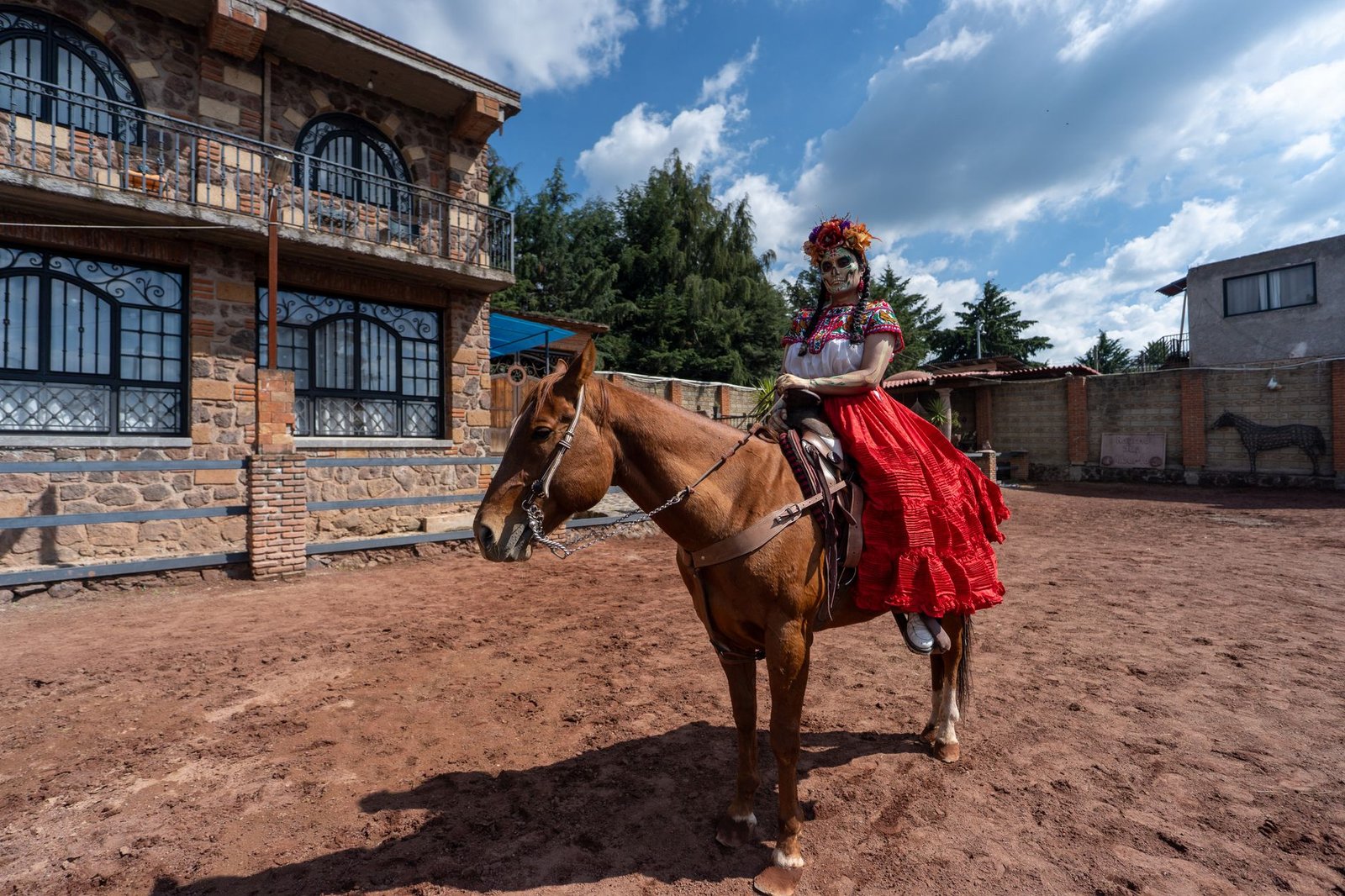
Dullahan: The Headless Horseman of Irish Folklore
The Dullahan is a headless rider of Irish folklore, feared as a dark messenger of death who appears at night on a black horse and announces a mortal’s final hour. This excerpt traces its uncertain origins, regional variations, and enduring place in Celtic tradition, inviting readers to explore how the legend evolved and why it remains so memorable.
Bean Nighe: Scottish Washerwoman Folklore and Meaning
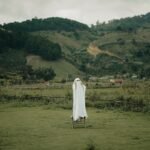
Bean Nighe is a haunting figure of Gaelic folklore, especially in the Scottish Highlands, where she is said to wash the blood-stained clothes of those soon to die. Blending omen, Otherworld presence, and local tradition, she reveals how fear, fate, and memory shape stories of death and the supernatural.
Sluagh Mythology: Origin, Meaning, and Folklore
The **Sluagh** occupy a distinctive place in Scottish and Irish folklore as a hostile host of restless dead, airborne spirits, or night-riding multitudes. Exploring their shifting meanings reveals how Gaelic traditions imagined the boundary between the living and the dead, and why these spectral gatherings inspired lasting fear and fascination.
Cŵn Annwn: Welsh Mythological Hounds Explained
Cŵn Annwn, the spectral hounds of Welsh tradition, are most closely linked with Annwn, the otherworld of medieval mythology, where their white coats and red ears mark them as uncanny hunters. Tracing their appearances in literature and folklore reveals how these dogs became enduring symbols of death, sovereignty, and the boundary between the human and the supernatural.

Selkie: Mythology, Folklore, and Cultural Origins
A selkie is a seal-being of North Atlantic folklore, especially associated with the Scottish Highlands, Orkney, Shetland, and the Faroe Islands, who can shed a seal skin and walk on land as a human. Rooted in oral tradition and recurring in modern literature and art, selkie stories explore transformation, longing, captivity, and the fragile boundary between sea and shore.