Selkie
Introduction
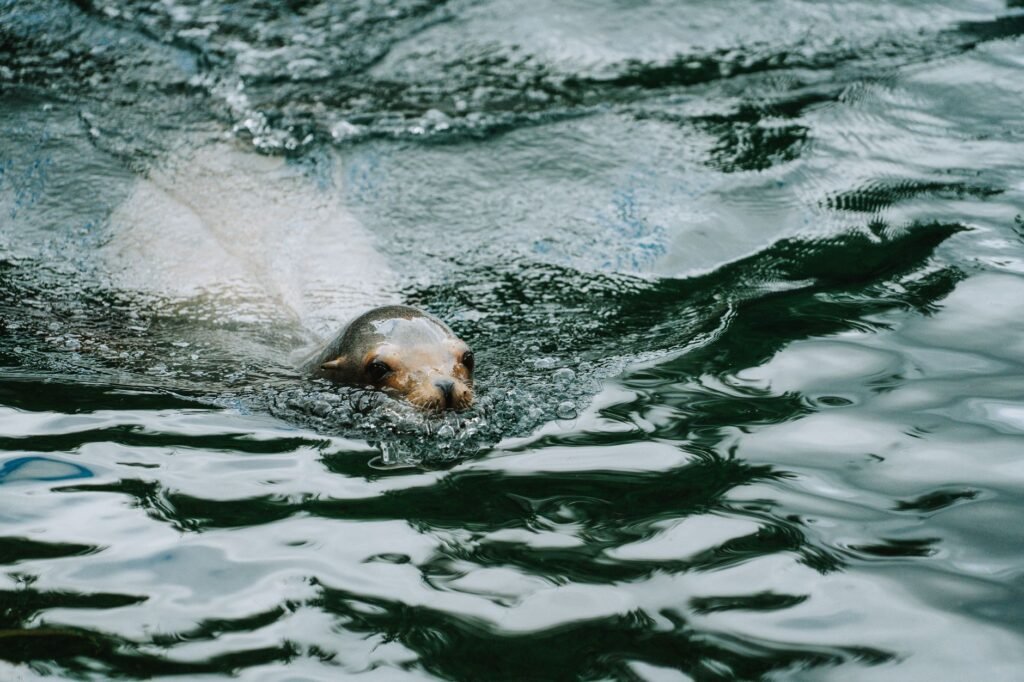
A selkie is a mythological seal-being from the folklore of the North Atlantic, especially the Scottish Highlands, Orkney, Shetland, and Faroe Islands, with related traditions in Ireland and parts of Scandinavia. In stories, selkies are seals that can shed their skins and assume human form on land. They are among the best-known creatures of Celtic and North Atlantic folklore, and they continue to appear in modern literature, film, and art.
Selkie legends are especially significant because they combine themes that recur across world mythology: transformation, longing, captivity, marriage between human and nonhuman worlds, and the tension between the sea and the land. They are not a formal deity or a single fixed character, but a widespread folkloric motif with regional variations.
Origin and Meaning
The word selkie is usually linked to the Scots and Orkney/Shetland dialects, where it refers to a seal. The term is generally understood as deriving from an older North Germanic word related to seal. In the local languages of the North Atlantic, the creature became a folkloric figure distinct from the ordinary animal.
Etymology varies by region:
- In Scots and Northern Isles tradition, selkie refers to a seal-man or seal-woman.
- In Irish folklore, similar beings are often described with different local names and sometimes overlap with the broader category of merpeople or enchanted seals.
- In Faroese and Scandinavian contexts, related seal-shifter tales exist, though they are not always labeled with the same name.
The historical origin of the selkie tradition is difficult to pinpoint because the stories belong primarily to oral folklore, not to a single textual source. Scholars generally place their development within the maritime communities of the North Atlantic, where seals were familiar animals and where sea travel, fishing, and island life made the boundary between human and marine worlds especially meaningful.
Historical Context
Selkie legends emerged in societies shaped by the sea. For island communities, seals were common, visible, and economically important. They were hunted for food, oil, and skins, yet they were also seen as intelligent and uncanny creatures. This practical relationship with marine mammals helped create a rich mythological tradition around them.
Cultural setting
The main historical settings for selkie stories include:
- Fishing communities
- Island and coastal settlements
- Gaelic-speaking regions
- Northern maritime cultures
- Christian and pre-Christian folklore environments
These stories were passed down orally and often recorded much later by folklorists, antiquarians, and local collectors. As a result, the surviving texts reflect both old oral motifs and the influence of later literary retelling.
Religious and symbolic context
Selkie stories often reflect a worldview in which nature is animated by hidden agency. They belong to a broader folklore pattern in which animals may be transformed humans, supernatural spouses, or beings with access to parallel worlds. In some versions, a selkie can be harmed by stealing its seal skin, which leaves it trapped in human form. This motif echoes widespread folklore about magical garments, shapeshifting, and loss of identity.
The stories also express social concerns:
- marriage and consent
- isolation and longing
- the fragility of human unions
- the power imbalance between captor and captive
- the pull of home and ancestral identity
Main Characteristics
Selkies are usually described as seals that become beautiful humans when they remove their skins. Their most recognizable features include the seal skin, liminal nature, and deep attachment to the sea.
Common traits
| Feature | Description |
|---|---|
| Animal form | Usually a seal, especially a harbor seal or grey seal in modern retellings |
| Human form | Often described as attractive, graceful, and sorrowful |
| Transformation | Achieved by removing and later reclaiming a seal skin |
| Habitat | Sea, shore, rocky islands, and coastal caves |
| Behavior | Mysterious, melancholic, and tied to the ocean |
| Social role | Often involved in tragic or temporary relationships with humans |
Male and female selkies
Traditional stories distinguish between male selkies and female selkies, though female selkies are more prominent in many modern retellings.
- Female selkies are often depicted as being taken by human men who hide their skins and force them into marriage.
- Male selkies may appear as lovers or fathers, sometimes associated with charm, seduction, and danger to human women.
This gendered pattern is not universal, and individual stories vary considerably.
Liminal identity
Selkies are boundary beings. They belong neither entirely to the human world nor entirely to the animal world. This liminality is central to their meaning:
- They cross the boundary between sea and land.
- They cross the boundary between animal and human.
- They often cross the boundary between autonomy and captivity.
- They embody the tension between desire and belonging.
Family and Genealogy
Selkies are not usually integrated into the genealogies of classical mythology in the way gods and heroes are. Instead, their “family” appears within local folktales.
Typical relationships in stories
| Relationship | Common pattern |
|---|---|
| Spouse | A human may marry a selkie after stealing its skin |
| Children | Selkie-human unions may produce children |
| Parents | Some stories imply selkies live in family groups in the sea |
| Descendants | Rarely emphasized; oral tales usually focus on one dramatic episode |
Children and lineage
In many stories, selkies who marry humans have children. These children may remain with the human parent when the selkie returns to the sea, or they may later be drawn toward the sea themselves. Some stories emphasize the sorrow of a mother or father leaving behind offspring.
The exact genealogical details differ from tale to tale, since selkie lore is not a fixed mythological canon. The emphasis is usually not on lineage but on the tragic consequences of separation.
Symbols
Selkie symbolism is strongly linked to the sea, clothing, and the boundary between hidden identity and exposed identity.
Major symbols
- Seal skin: The central symbol of selkie identity, freedom, and transformation.
- The sea: Represents origin, belonging, mystery, and return.
- Shoreline: A threshold space between worlds.
- Human clothing: A sign of forced transformation or temporary human identity.
- Cave or rocky refuge: A place of secrecy and return.
Symbolic meanings
| Symbol | Meaning |
|---|---|
| Seal skin | True nature, freedom, ability to transform |
| Lost skin | Captivity, coercion, loss of autonomy |
| Sea | Ancestral home, mystery, the unconscious, change |
| Shore | Transition, encounter, instability |
| Wedding ring or marriage bed | Enforced social bonds and tragic union |
The seal skin is often the most important object in the story. Whoever controls it controls the selkie’s access to their true self and to the sea.
Sacred Animals
Strictly speaking, selkies are not tied to a formal “sacred animal” system in the way that some religions associate animals with deities. However, the seal is the defining animal of the selkie tradition.
The seal
Seals are important for several reasons:
- They are highly visible in northern coastal environments.
- Their movements between sea and shore naturally suggest liminality.
- Their expressive faces and human-like behavior encouraged folklore interpretations.
- They were economically significant in maritime communities.
In legend, seals often appear as creatures of intelligence, memory, and sadness. Their association with selkies gives them symbolic value beyond ordinary natural history.
Sacred Plants
There is no universally recognized sacred plant uniquely associated with selkies. Selkie folklore is primarily marine rather than botanical. However, in broader Celtic and northern folklore, certain plants often appear in coastal magical settings.
Commonly associated plants in related traditions
- Seaweed: Often linked to the shoreline and the sea-world.
- Reed and grass: Sometimes connected to places where a selkie may rest or hide.
- Rowan: A protective plant in wider Scottish and Gaelic folklore, sometimes present in narratives about supernatural beings.
Because traditions vary, no single plant can be identified as definitively and universally sacred to selkies. Any plant associations are secondary and local rather than canonical.
Sacred Places
Selkies are most strongly associated with coastal landscapes, especially places where seals live and where the shore can be crossed easily.
Important locations in tradition
| Place type | Significance |
|---|---|
| Rocky shores | Sites of transformation and meeting |
| Sea caves | Hidden resting places and entrances to the sea-world |
| Remote islands | Strongly associated with selkie lore, especially in the North Atlantic |
| Beaches and tidal flats | Threshold zones between land and sea |
| Clifftops | Places of watching, longing, and return |
Regional centers of selkie tradition
Selkie stories are especially associated with:
- The Orkney Islands
- Shetland Islands
- Scottish Highlands and Hebrides
- Faroe Islands
- Irish coastal areas
These are not sacred centers in a formal religious sense, but they are important cultural landscapes in which the tradition developed and persisted.
Powers and Attributes
Selkies are not omnipotent divine figures. Their abilities are limited but distinctive and central to the folklore.
Main powers
- Shapeshifting between seal and human form
- Travel between sea and land
- Enchantment or irresistible attractiveness in some tales
- Emotional or mystical connection to the ocean
- Occasional prophetic or uncanny knowledge in some later stories
Limits of power
Selkies are not usually portrayed as controlling the sea, weather, or the fate of kingdoms. Their power is more intimate and personal than cosmic. The seal skin is the key to their transformation, which means that losing it creates vulnerability.
Their most important “attribute” is not power in the heroic sense, but compelling ambiguity. They are neither fully wild nor fully domesticated, neither wholly human nor wholly animal.
Main Myths
Selkie mythology is best understood as a cycle of related tale types rather than one definitive narrative. Several recurring plots appear across sources.
The stolen skin
The best-known selkie story tells of a human man who steals a female selkie’s seal skin while she is on land. Unable to return to the sea, she is forced to become his wife. She may live with him for years and bear children, but eventually she discovers or recovers her skin and returns to the sea, often leaving the human family behind.
This tale is among the most widely retold because it combines romance, loss, and moral ambiguity. It can be read as a story about coercion and freedom, or about the impossibility of forcing one nature to replace another.
The returning lover
In another common pattern, a human encounters a selkie at the shore. The two form a brief relationship, but the selkie eventually returns to the sea. The human may grieve or wait for the selkie’s return, emphasizing the ephemeral nature of the bond.
The male selkie seducer
Some stories focus on a male selkie who comes ashore and charms a human woman. These tales are less common in popular retellings but are present in the broader tradition. The male selkie may be a brief lover, a hidden husband, or a father who returns to the sea.
The seal-people
Some variants describe selkies as members of an entire hidden seal community. In these stories, they are not isolated individual spirits but part of a larger underwater or coastal society. This idea reinforces their status as a separate people rather than as monsters.
Common narrative pattern
- A selkie comes ashore.
- A human takes the seal skin.
- The selkie is trapped in human form.
- Marriage or cohabitation follows.
- The skin is eventually found or recovered.
- The selkie returns to the sea, often permanently.
Relationship with Other Mythological Figures
Selkies are part of a larger folklore ecology and are often compared with similar beings.
Comparable beings
- Mermaids and merpeople: Both are sea beings with human and nonhuman traits, but selkies are specifically seal-shifters.
- Swan maidens: Like selkies, they are transformed by stolen garments.
- Fairies and the fae: In some traditions, selkies overlap with the supernatural folk world.
- Trows or other local spirits: Regional folklore sometimes places selkies alongside other uncanny beings.
- Werewolves and shapeshifters: Selkies belong to a broader category of transformation legends.
Relations in folklore
Selkies usually do not interact with Olympian gods, Celtic gods, or major literary heroes in the way classical mythic figures do. Instead, they belong to local oral traditions. Their “relationships” are therefore mainly with:
- humans in coastal communities
- sea creatures and marine environments
- other supernatural beings in regional lore
Theories about their origins sometimes compare them to older fairy beliefs, but such connections are interpretive rather than proven.
Worship and Cult
There is no evidence of a formal cult or organized worship of selkies in the historical sense. They are figures of folklore rather than objects of institutional religion.
Folkloric practices and beliefs
Although not worshipped, selkies were part of a living tradition of belief and storytelling. Practices associated with folklore about selkies may have included:
- telling tales by the hearth
- warnings about the shore and the sea
- respect for seals as uncanny animals
- avoidance of harming animals believed to be special or transformed
- the use of charms or protective customs in coastal communities
Ritual behavior in stories
Some narratives imply that humans should behave carefully toward seals, because they may be selkies in disguise. This does not amount to worship, but it does reflect a cautionary ethic: the sea is not entirely human territory, and those who live there may possess hidden identities.
Ancient Sources
Unlike gods from Homeric or Hesiodic myth, selkies do not appear in the major ancient Greek and Roman texts. Their tradition is mainly preserved in medieval, early modern, and modern folklore collections rather than in classical literature.
Relevant source types
- Oral tales recorded by folklorists
- Scottish and Irish folklore collections
- Regional ballads and local legends
- Later literary adaptations
Important collectors and scholars
While not ancient authors, several collectors and scholars helped preserve selkie tradition:
- Francis James Child: collected traditional ballads related to seal-people and transformation motifs.
- Walter Traill Dennison: recorded Orcadian folklore.
- George Mackay Brown: later literary author whose work drew on Orkney tradition.
- Modern folklorists: documented regional variants in Scotland, Ireland, and the North Atlantic.
Because the tradition is oral, no single “primary text” defines the selkie. Instead, the figure is known through variant accounts preserved across many collections.
Roman Equivalent
There is no direct Roman equivalent to the selkie. Roman mythology includes sea deities and shape-shifting beings, but none correspond exactly to the seal-shifter of North Atlantic folklore.
Possible broad analogies include:
- Tritons and sea nymphs, as marine beings
- Shapeshifting deities or spirits, in a general sense
- Werewolf-like transformation motifs, though not a Roman counterpart in the strict sense
These comparisons are useful only as rough analogies. Selkies are culturally specific to the North Atlantic and should not be reduced to a Roman model.
Influence on Modern Culture
Selkies have become one of the most recognizable figures in modern Celtic and maritime fantasy.
Literature
Selkies appear frequently in:
- fantasy novels
- children’s literature
- poetry
- retellings of Celtic folklore
- ecological and feminist reinterpretations
Modern authors often emphasize themes of identity, captivity, motherhood, and the right to return home.
Film and television
Selkie-inspired stories have appeared in film and television, often with a focus on:
- magical realism
- family drama
- romance
- coming-of-age narratives
A number of contemporary productions use selkie lore as a visual and emotional framework, sometimes adapting the motif rather than naming the creature directly.
Games and art
Selkies have also influenced:
- role-playing games
- fantasy illustration
- online art communities
- character design in animation and comics
They are especially attractive to creators because they combine beauty, melancholy, and transformation in a visually striking way.
Cultural interpretation
In modern contexts, selkies are often read through several lenses:
- feminist readings, emphasizing coercion and stolen autonomy
- ecological readings, linking human life to the sea
- diasporic readings, interpreting the longing for return
- psychological readings, treating the seal skin as a symbol of identity
Curiosities
- Selkie stories are among the clearest examples of the “stolen garment” motif in world folklore.
- In many modern retellings, female selkies are given a more central role than male selkies, though the older tradition is more varied.
- The emotional tone of selkie tales is often tragic rather than frightening.
- Some stories imply that selkies can recognize one another and live in communities beyond human reach.
- The seal skin is not merely clothing; it functions as a body-linked identity object.
- Selkie tales are especially popular in island cultures where seals are familiar and culturally meaningful.
- The same basic motif appears in multiple regions, but local versions may differ in details such as names, outcomes, and moral emphasis.
- In modern usage, “selkie” may be applied broadly to any seal-shifter, even when the original folklore uses a more local term.
Frequently Asked Questions
What is a selkie?
A selkie is a folkloric seal-being that can take human form by removing its seal skin. Selkies are especially associated with Scottish, Irish, and North Atlantic traditions.
Are selkies male or female?
Both. Traditional stories include male and female selkies, though female selkies are more common in popular retellings.
How does a selkie transform?
In most stories, a selkie transforms by removing its seal skin while on land and regains seal form by putting the skin back on.
Why are selkie stories often sad?
They often involve separation, forced marriage, lost identity, and the conflict between human attachment and the call of the sea.
Are selkies part of Celtic mythology?
They are part of Celtic and North Atlantic folklore, especially Scottish and Irish traditions. They are not a single deity from a classical mythological system.
Do selkies have historical worship?
No formal worship is known. Selkies belong to oral folklore and local belief traditions rather than organized religion.
What is the difference between a selkie and a mermaid?
A mermaid is usually half-human and half-fish, while a selkie is a seal that can become human by shedding its skin.
Conclusion
The selkie is one of the most enduring figures in North Atlantic folklore. Its power lies in its simplicity and ambiguity: a seal that becomes human, a beloved visitor who cannot fully belong to either world, and a symbol of the tension between freedom and captivity. Across regional traditions, selkie legends explore identity, marriage, longing, loss, and return with unusual emotional depth.
Although selkies do not belong to a formal religious system, they remain culturally important because they preserve a worldview shaped by the sea and by the unstable border between human life and the natural world. Their continued presence in modern literature and media shows the lasting appeal of myths that speak to transformation, exile, and the desire to go home.

Orin Vale has spent the better part of two decades tracing the threads that connect the world’s oldest stories — from the halls of Asgard to the banks of the Nile, from Olympus to the jungles of the Maya. What began as a childhood fascination with flood myths and trickster gods grew into years of independent study across comparative mythology and ancient religion, always chasing the same question: what did these stories mean to the people who first told them? Orin writes for readers who want more than trivia — the ones looking for the beliefs, fears, and truths that myths were built to carry.