mythological creatures
Cŵn Annwn: Welsh Mythological Hounds Explained
Cŵn Annwn, the spectral hounds of Welsh tradition, are most closely linked with Annwn, the otherworld of medieval mythology, where their white coats and red ears mark them as uncanny hunters. Tracing their appearances in literature and folklore reveals how these dogs became enduring symbols of death, sovereignty, and the boundary between the human and the supernatural.

Selkie: Mythology, Folklore, and Cultural Origins
A selkie is a seal-being of North Atlantic folklore, especially associated with the Scottish Highlands, Orkney, Shetland, and the Faroe Islands, who can shed a seal skin and walk on land as a human. Rooted in oral tradition and recurring in modern literature and art, selkie stories explore transformation, longing, captivity, and the fragile boundary between sea and shore.

Each Uisge: Scottish Water Horse Myth and Folklore
Each Uisge is a feared water spirit of Gaelic folklore, especially in the Scottish Highlands and islands, where it is described as a deadly “water horse” that lures riders to their doom. Exploring its origins, meanings, and regional variations reveals how this creature reflects the dangers of lochs and sea in Celtic tradition, and why it remains so haunting.

Merrow: Meaning, Origin, and Mythology Explained
A merrow is a sea spirit from Irish and broader Celtic folklore, often imagined as a mermaid-like being that reflects both the beauty and danger of the ocean. Rooted in coastal oral tradition, the merrow reveals older beliefs about water spirits, the Otherworld, and the fragile boundary between human life and the sea.

Glaistig: Meaning, Folklore, and Mythology
The Glaistig is a striking figure from Scottish Gaelic folklore, often imagined as a woman, hag, or half-animal presence linked to households, cattle, and the boundary between human life and the Otherworld. Exploring her many forms reveals how Gaelic tradition blended protection, danger, and mystery into a single enduring supernatural character.
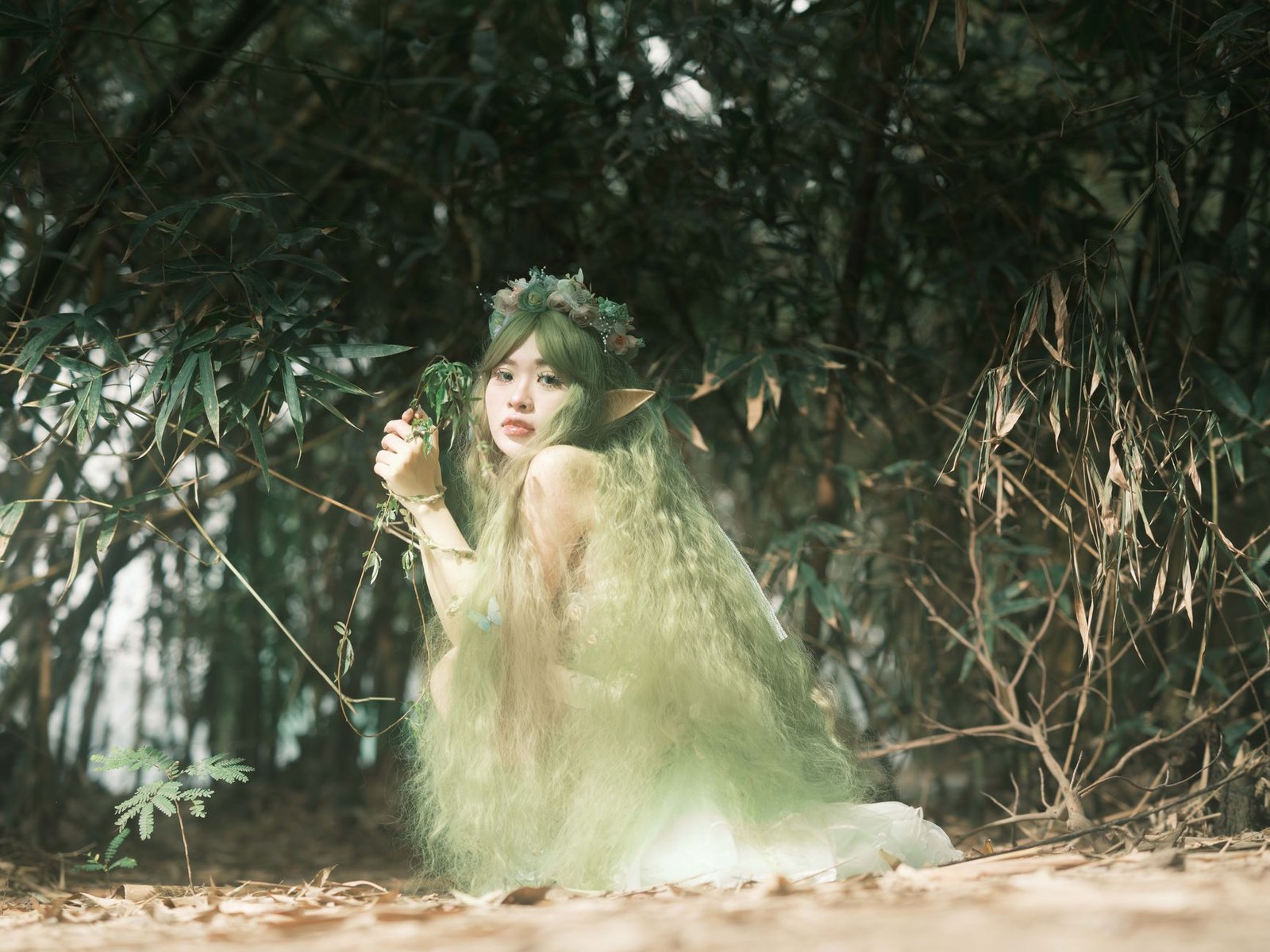
Púca: Meaning, Folklore, and Celtic Mythology
The Púca is a shapeshifting spirit from Irish and wider Celtic folklore, known for haunting wild places, unsettling travelers, and moving between menace and assistance. This encyclopedia-style article explores its uncertain origins, changing names, and lasting role in myth, language, and cultural tradition, revealing why the Púca remains such an enduring figure.

Cat Sìth: Celtic Folklore Cat Spirit and Legend
The Cat Sìth is a striking figure from Celtic folklore, especially in Scottish and Irish Gaelic tradition, where it is imagined as a large black cat with a white chest mark and an uncanny link to the Otherworld. Associated with death, funerary customs, and fairy belief, it reveals how everyday animals could become signs of the supernatural—and why its stories still invite close attention.

Cú Sídhe: Irish Fairy Dog in Celtic Folklore
Cú Sídhe is a feared figure in Irish and wider Gaelic folklore, a supernatural hound of the Aos Sí that appears as both guardian and omen. Described as an uncanny fairy dog tied to the otherworld, its stories reveal how sound, landscape, and death were woven into Celtic belief—and why the creature still captivates readers today.
Fauns vs Satyrs: Differences, Origins, and Mythology
Fauns vs Satyrs examines two closely related figures in Greco-Roman mythology: rustic, half-human woodland beings tied to fertility, music, wine, and untamed nature. Although their images and roles often overlap, satyrs are chiefly Greek companions of Dionysus, while fauns arise from Roman tradition and were later conflated with them, revealing how ancient cultures shaped ideas of wild divinity.
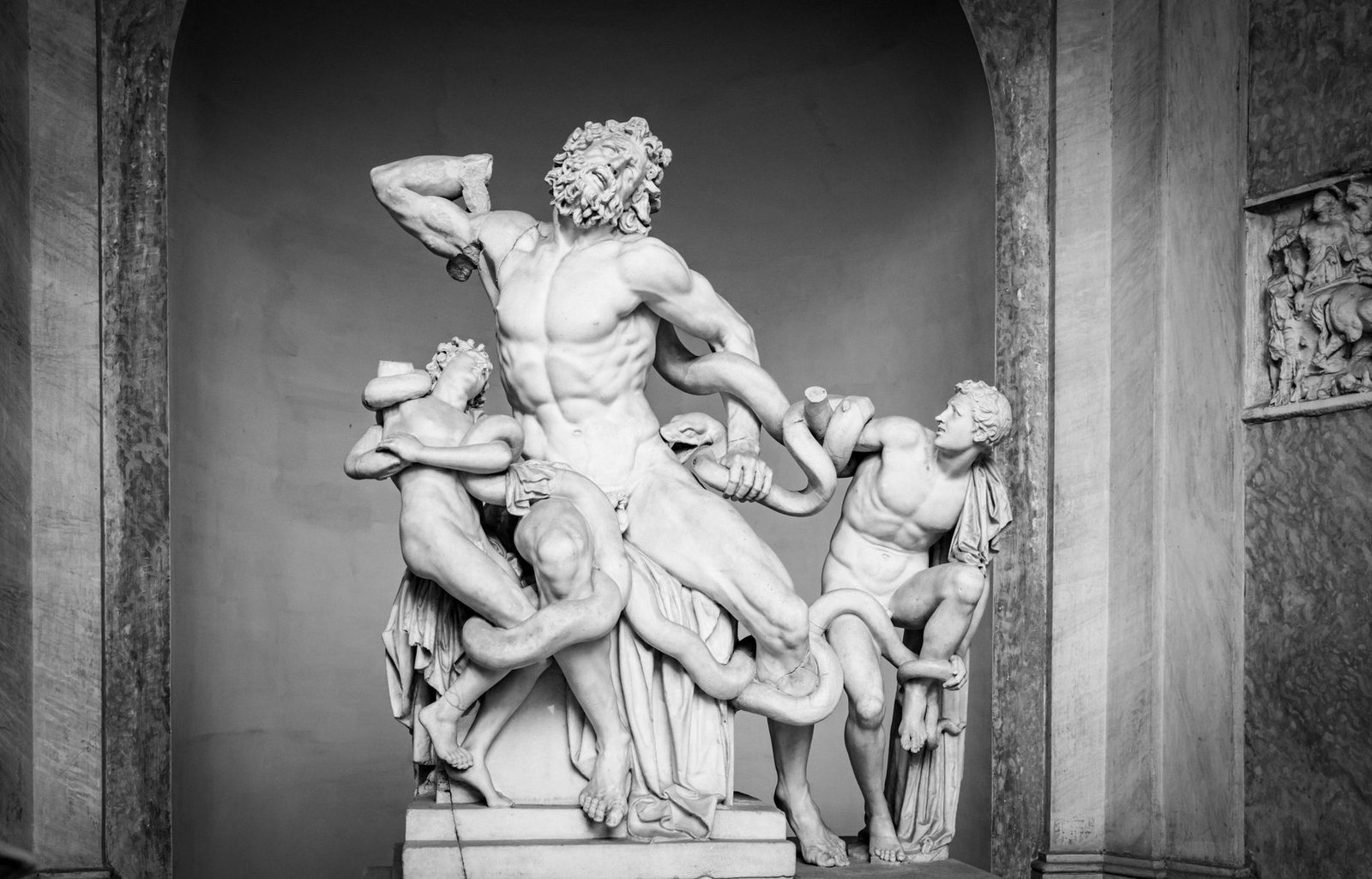
Greek vs Roman Monster Traditions: Key Differences
The difference between Greek and Roman monster traditions lies in more than the creatures themselves, reflecting distinct literary, religious, and cultural contexts that shaped how monsters were understood. This article examines how Greek myth, Roman adaptation, and the Latin idea of *monstrum* transformed beings of chaos into symbols of warning, identity, and power.