mythological creatures

Typhon and Echidna: Why So Many Monsters Descend From Them
In Greek mythology, the focus keyword explains how Typhon and Echidna came to be cast as the progenitors of a remarkable line of monsters, from Cerberus and the Hydra to the Chimera and beyond. Their family tree is more than a catalogue of horrors: it reveals how the Greeks gave shape, order, and meaning to chaos, and why these figures remained central to mythic storytelling.
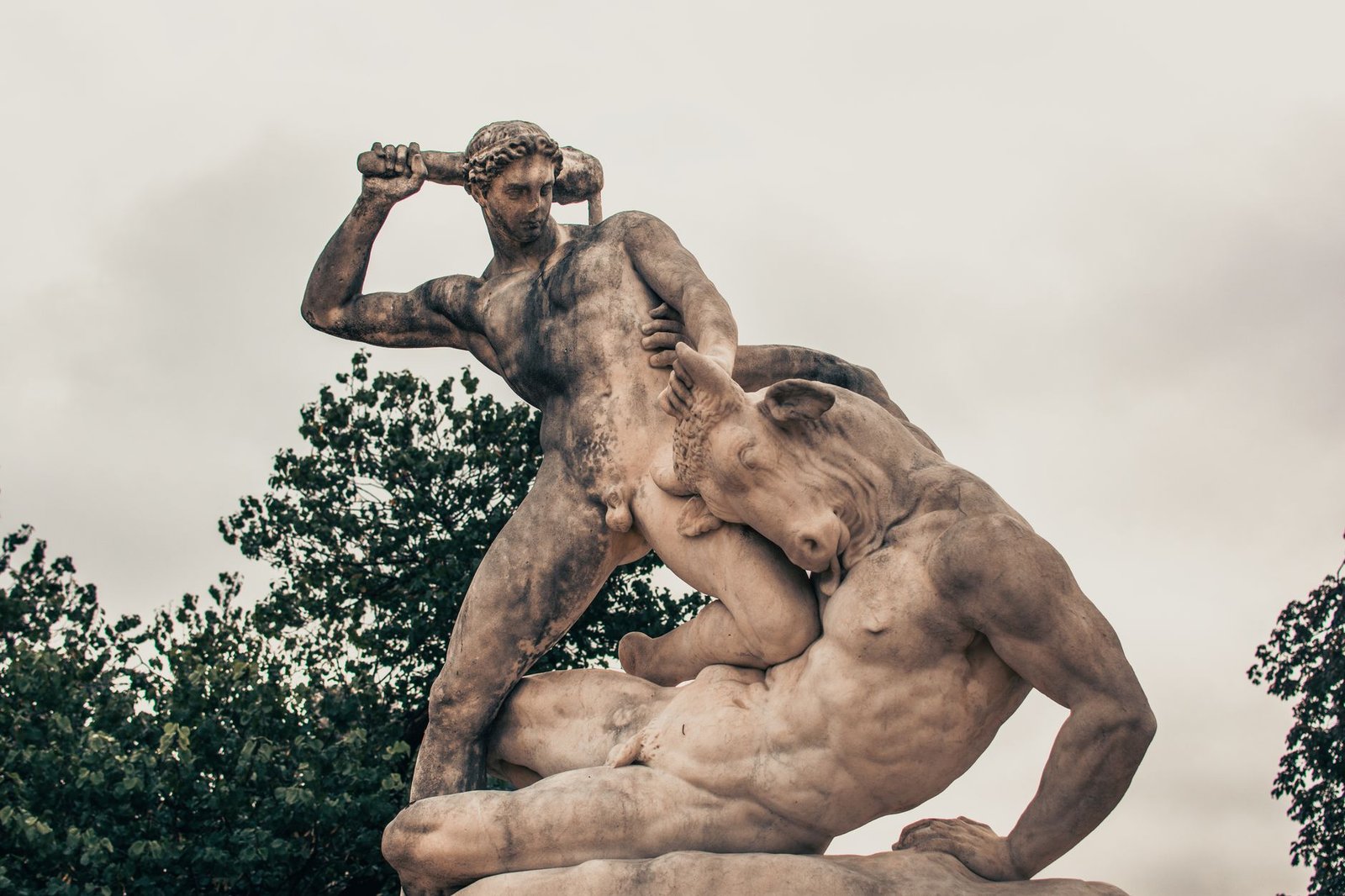
Theseus and the Minotaur: Greek Myth Explained
Theseus and the Minotaur is a foundational Greek myth that links Athenian heroism with Cretan power, telling of a deadly tribute, a hidden labyrinth, and a monster born from royal scandal. Beyond its adventure, the story reveals ancient ideas about sacrifice, identity, and the triumph of wit over chaos, inviting closer attention to its historical and symbolic meanings.

Odysseus and the Sirens: Meaning and Myth Explained
Odysseus and the Sirens is a classic episode from Homer’s *Odyssey* in which the hero confronts a song said to promise wisdom while concealing death. Its enduring significance lies in the tension between curiosity and survival, the discipline that saves Odysseus, and the wider cultural legacy that made the Sirens a lasting symbol of temptation.
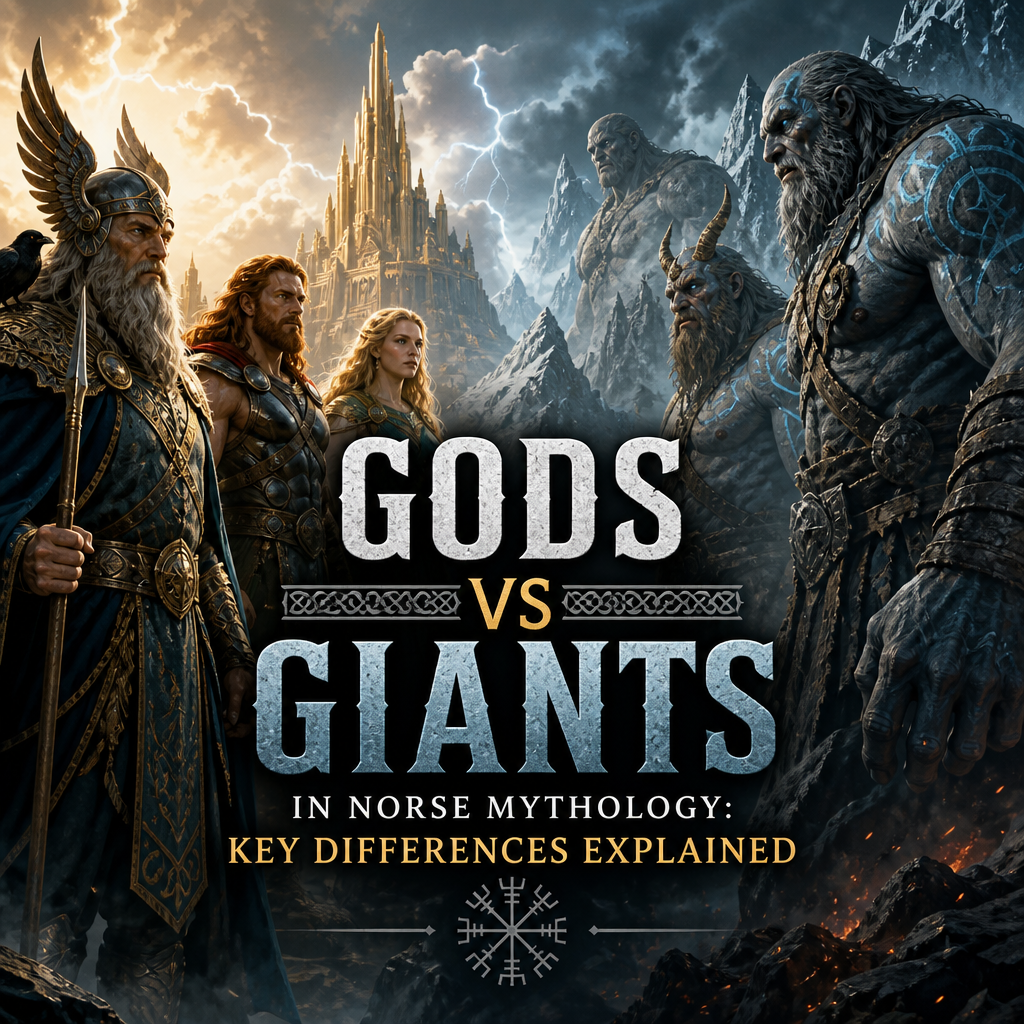
Gods vs Giants in Norse Mythology: Key Differences Explained
The difference between gods and giants in Norse mythology is more than size or morality—it’s about their roles in the cosmic order. While the gods and giants often clash, they are also deeply connected through family, marriage, wisdom, and fate.