mythological creatures
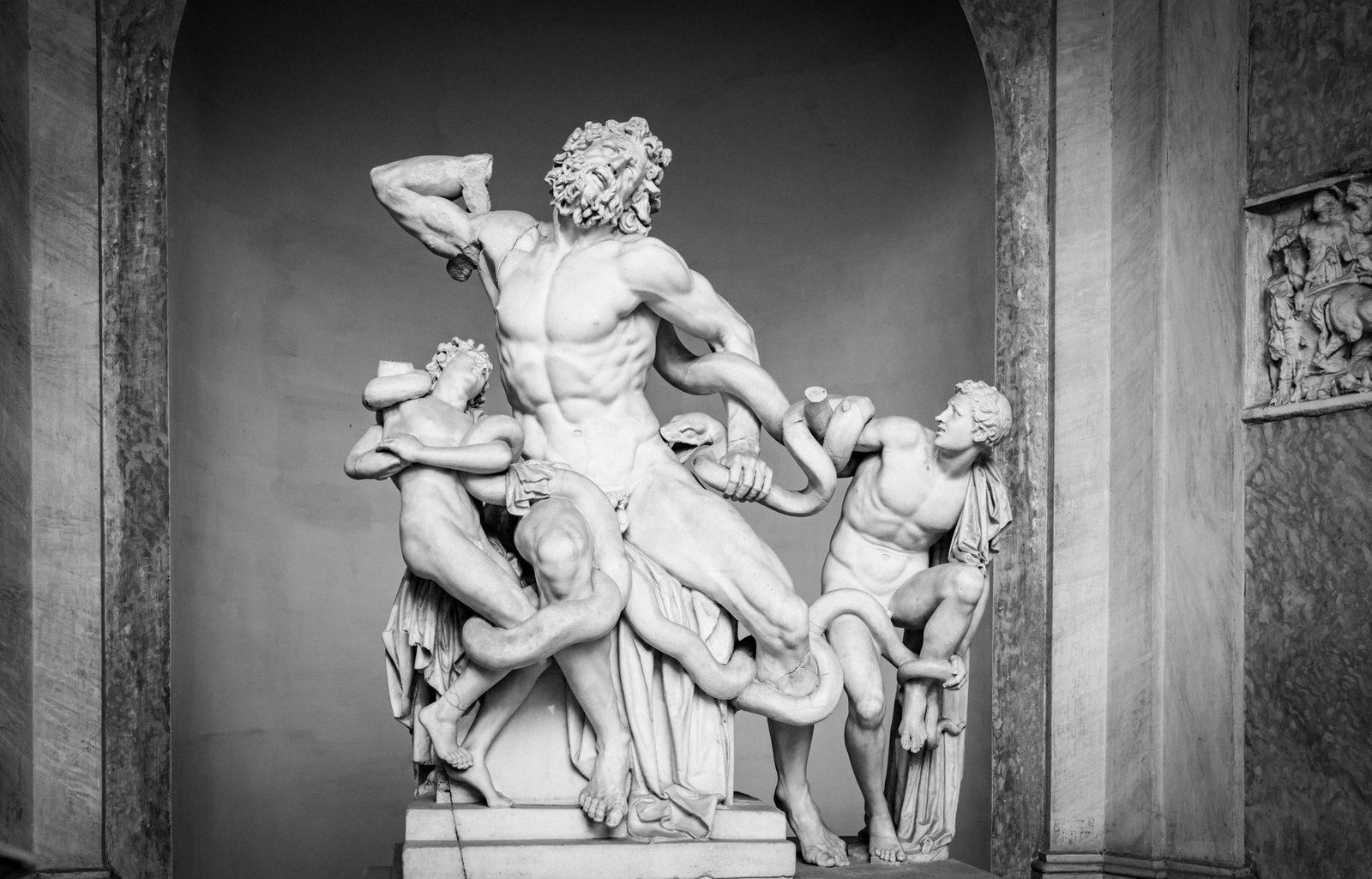
Typhon: Greek Mythology’s Monster of Chaos
Typhon is a central figure in Greek mythology, remembered as a terrifying embodiment of chaos, fire, and rebellion against divine order. This excerpt traces his uncertain origins, shifting ancient descriptions, and lasting influence on later literature and art, revealing why Typhon remains one of antiquity’s most enduring monsters.
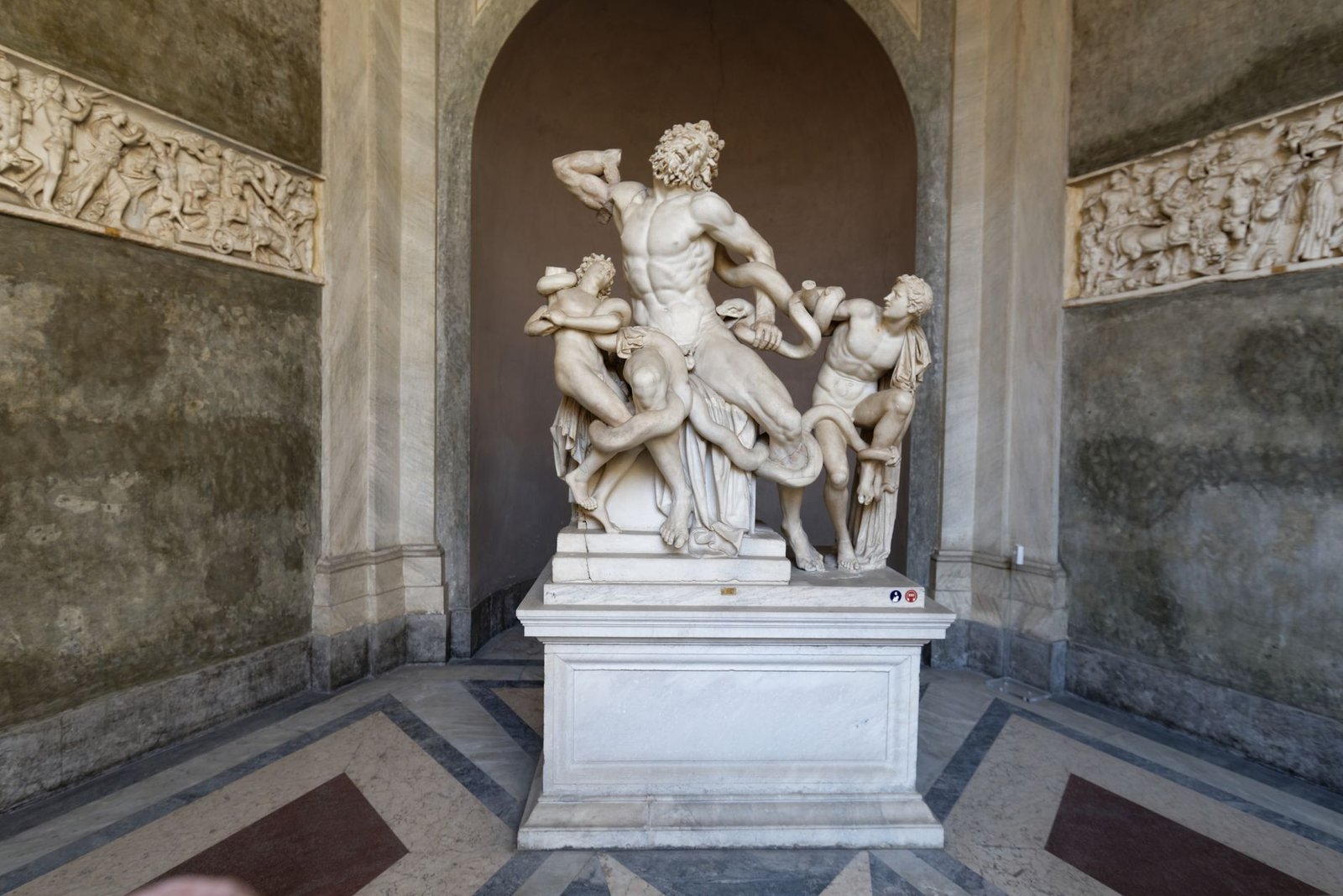
Cerberus: The Three-Headed Dog in Greek Mythology
Cerberus is the formidable watchdog of Greek mythology’s Underworld, famously guarding the threshold between the living and the dead. This encyclopedia article traces his origins, uncertain name, and enduring role in myth, art, and later culture, revealing why this terrifying guardian still captures attention today.
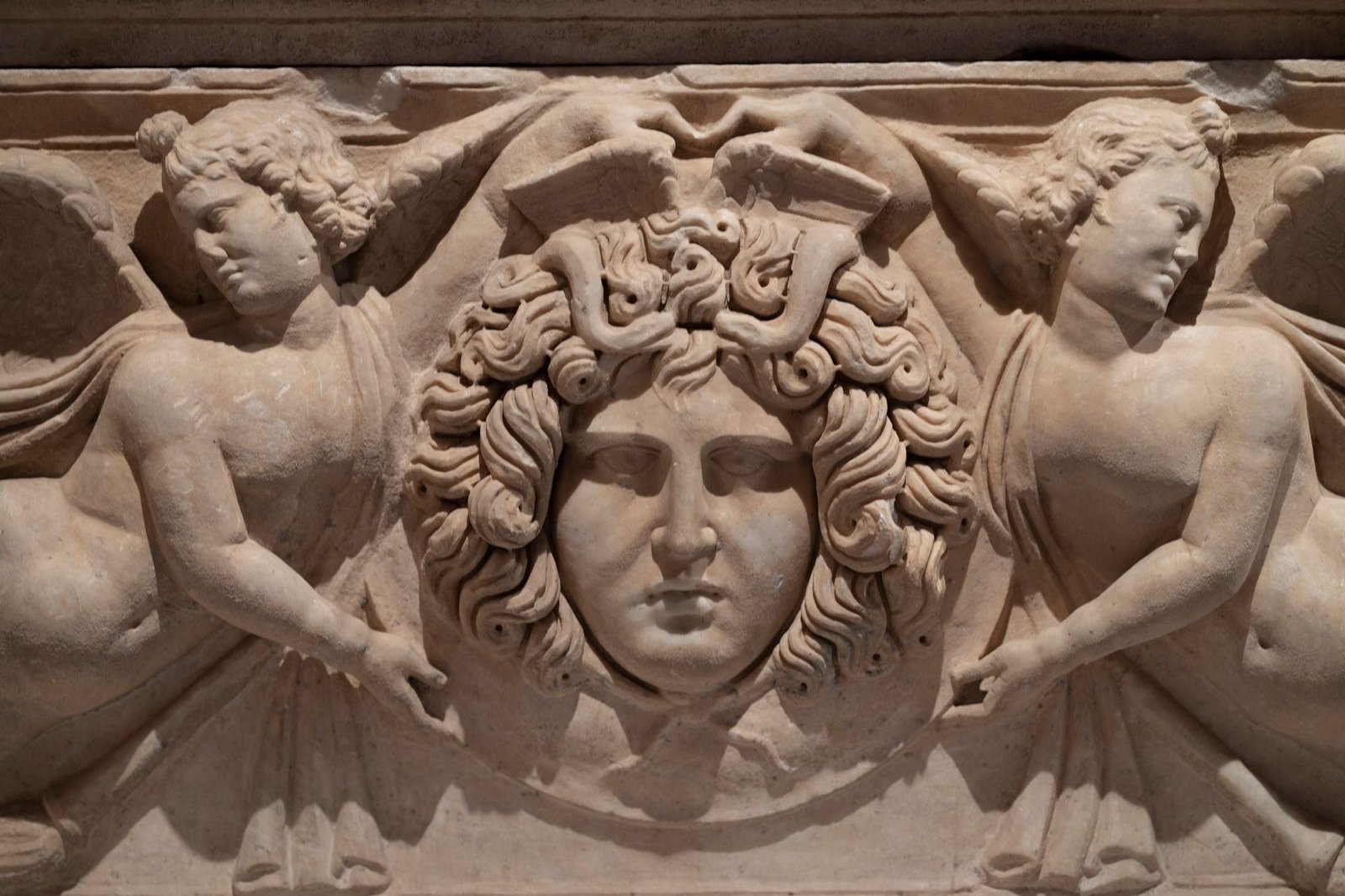
Medusa: Greek Mythology Gorgon and Legend
Medusa is one of the most enduring figures in Greek mythology, a Gorgon whose deadly gaze, complex origins, and shifting meanings have fascinated audiences for centuries. From ancient fears of monstrosity and sacred taboo to modern interpretations of beauty, victimhood, and power, her story reveals far more than a simple monster tale.
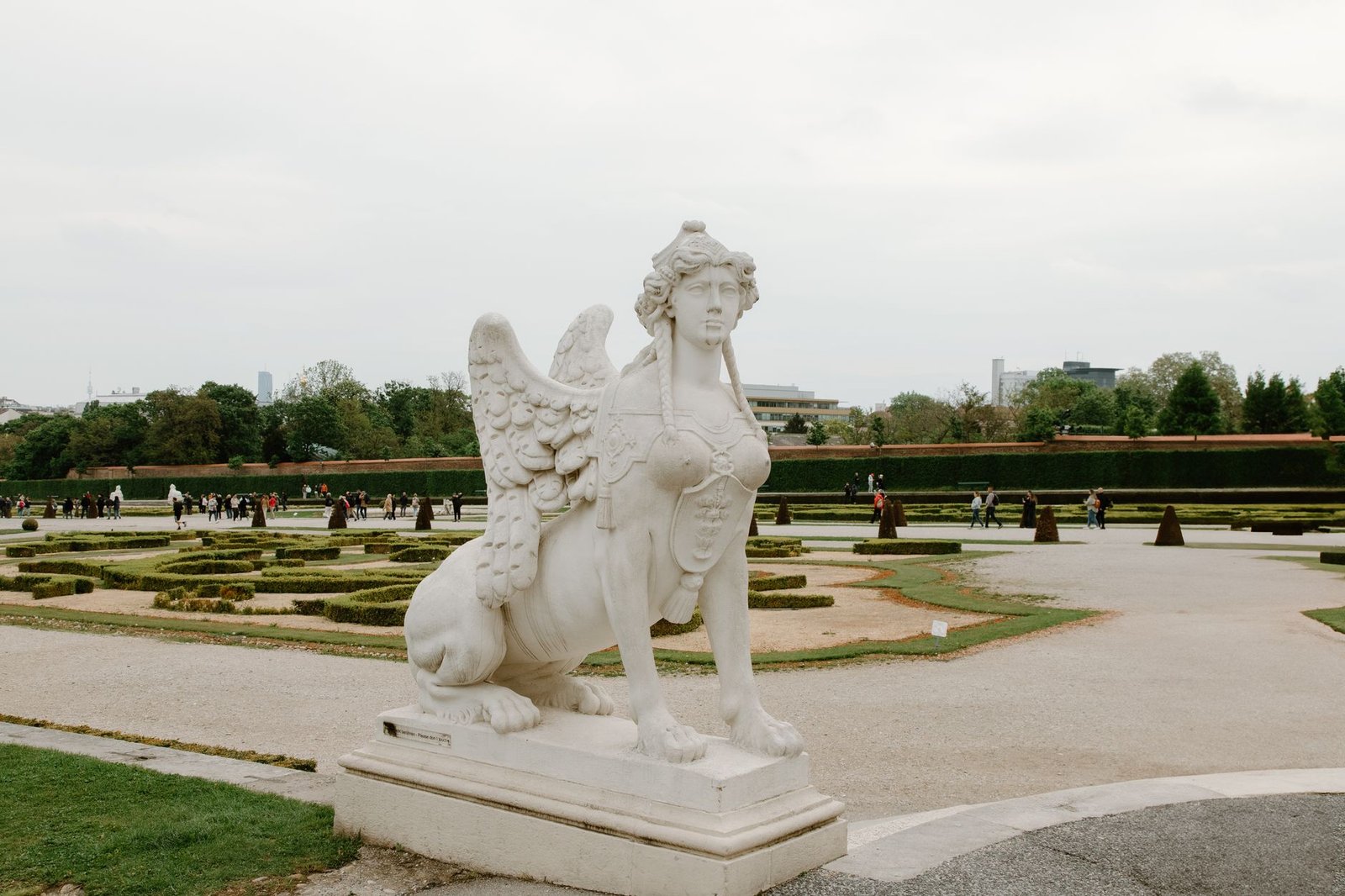
Greek Sphinx: Mythology, History, and Symbolism
The Greek Sphinx is a striking figure of Greek mythology, blending human intelligence with lion, bird, and sometimes serpent traits to embody riddles, danger, and the limits of knowledge. From the Theban story of Oedipus to its roles in art, ritual, and symbolism, it appears as both a deadly test and a powerful guardian, inviting closer study.
Scylla and Charybdis: Meaning, Myth, and Origins
Scylla and Charybdis are legendary monsters from Greek mythology, first set side by side in Homer’s *Odyssey* as the twin threats guarding a narrow sea passage. Their story explains the enduring phrase “between Scylla and Charybdis,” a vivid symbol of being forced to choose between two dangerous outcomes, and reveals how ancient Greeks understood risk at sea.

Sirens: Mythological Beings and Greek Legend
Sirens are enduring figures in Greek mythology, famed for their mesmerizing song and deadly lure in Homer’s *Odyssey*. This article traces their origins, changing imagery, and symbolic role in art and literature, revealing how sirens came to embody temptation, deception, and the hidden dangers of irresistible beauty.
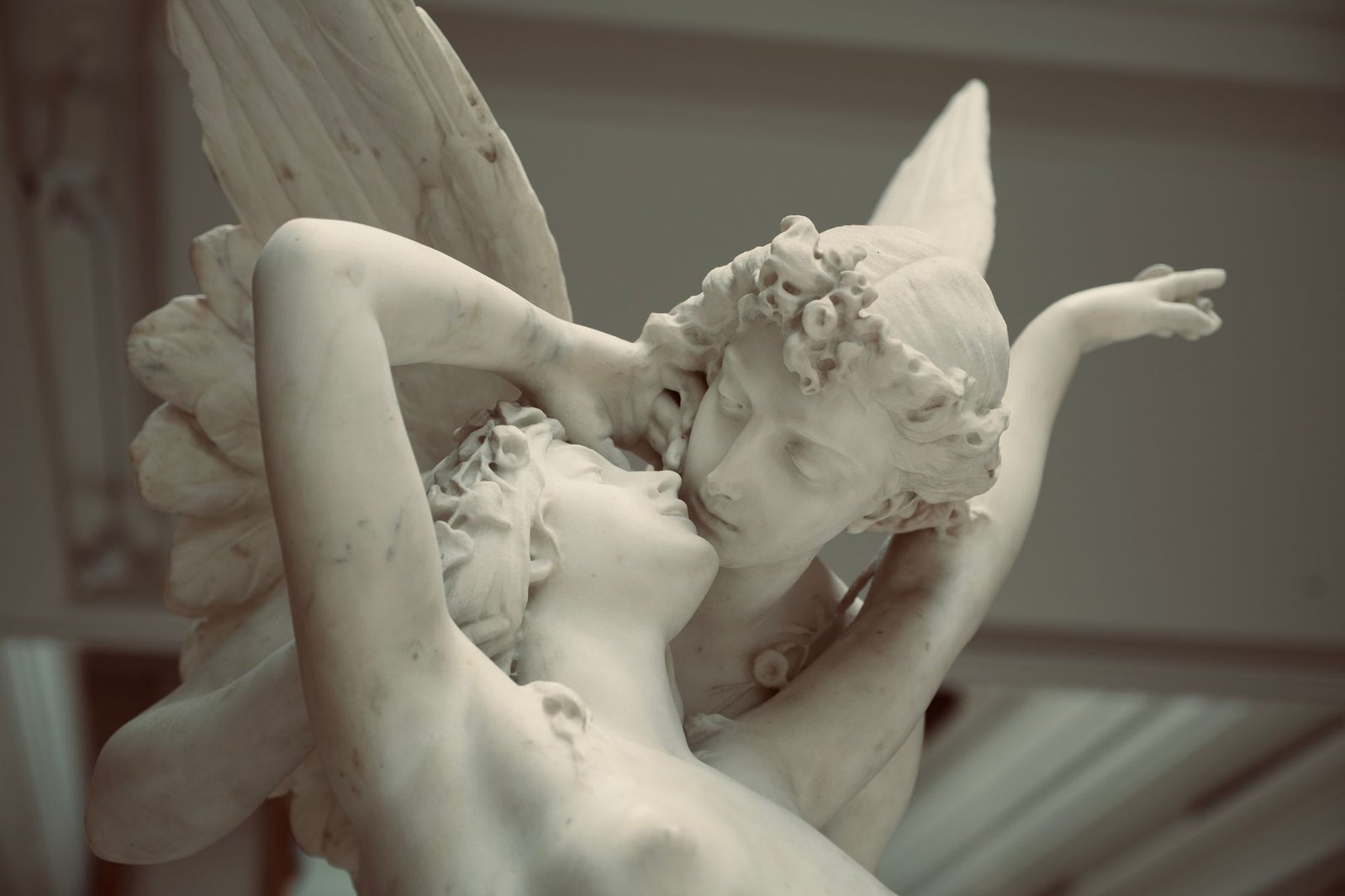
Harpies: Mythology, Origins, and Cultural Significance
Harpies are enduring figures of Greek mythology, described as swift spirits of violent wind, sudden seizure, and divine punishment rather than merely bird-women in later art. Tracing their changing roles from early poetry to Roman literature reveals how ancient Greeks used harpies to explain loss, contamination, and the hidden force of stormy air.
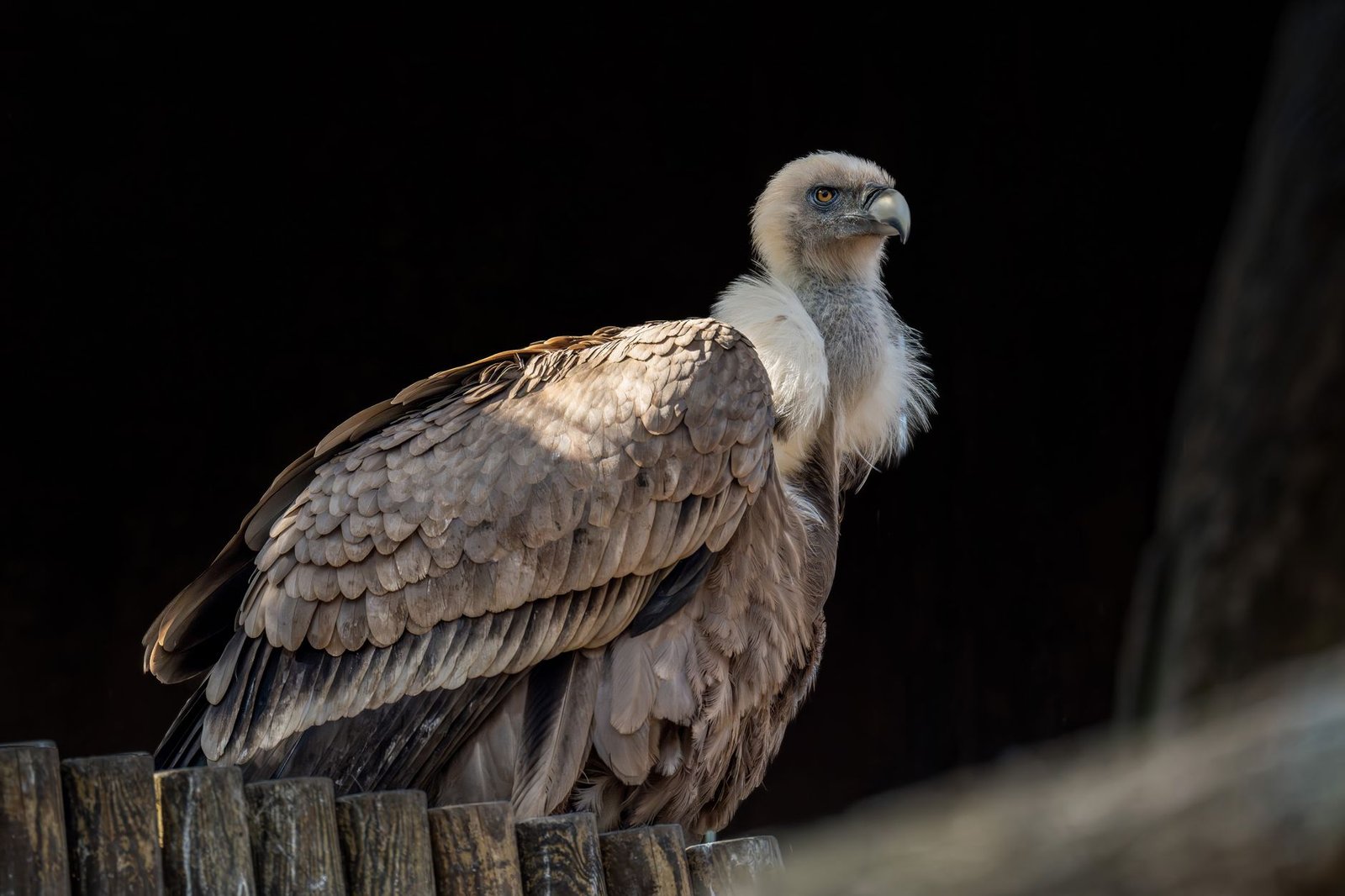
Griffin: Mythological Creature, Origins, and Symbolism
The griffin is a legendary hybrid creature, typically shown with the body of a lion and the head and wings of an eagle, whose image has endured from the ancient Near East to medieval Europe and modern fantasy. Exploring its uncertain origins, shifting names, and rich symbolism reveals why the griffin has long served as a guardian, royal emblem, and enduring marker of authority.
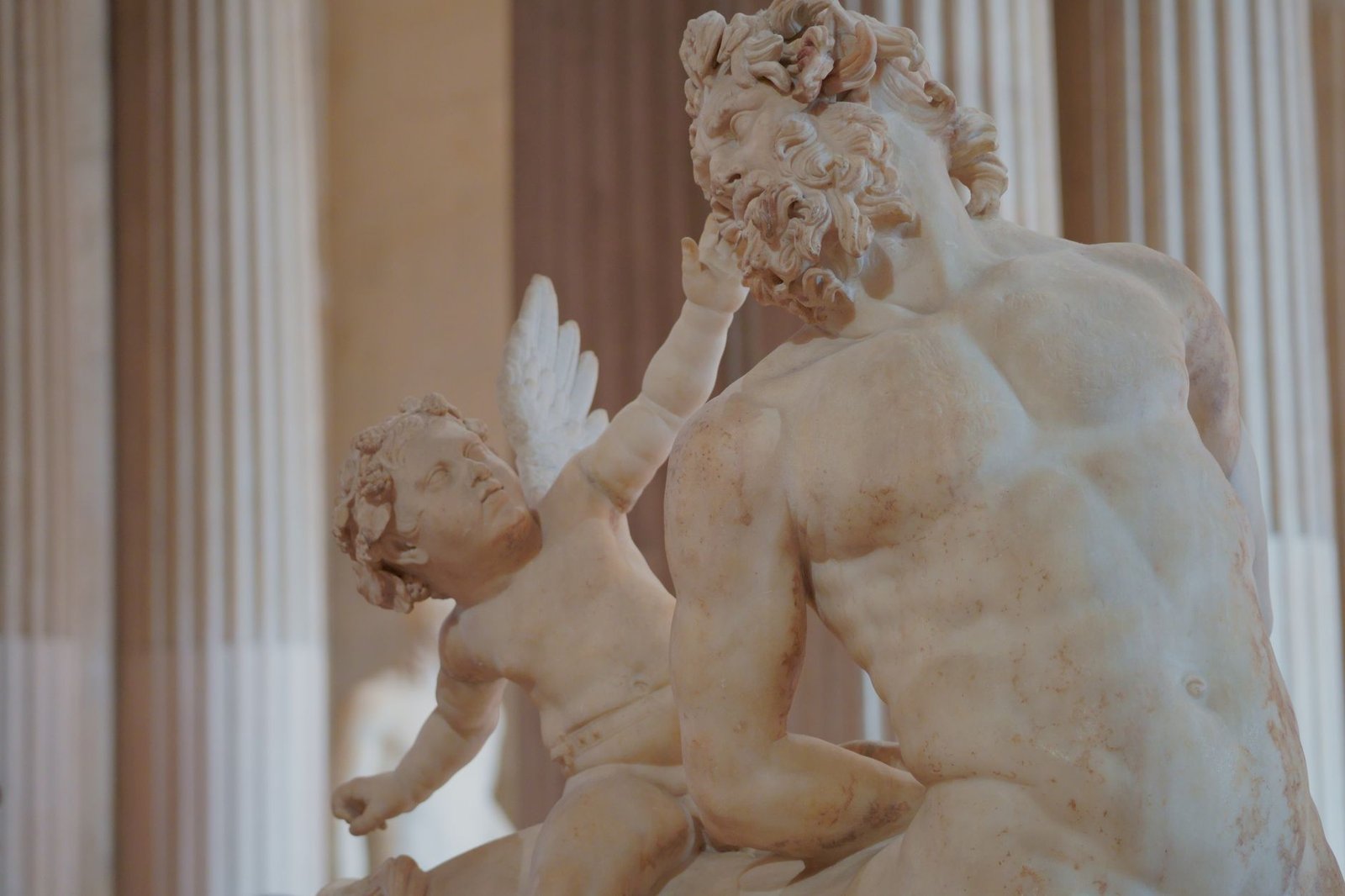
Centaurs: Mythology, Origins, and Cultural Significance
Centaurs are iconic figures in Greek mythology, depicted as beings with a human upper body and a horse’s lower body, and they embody a striking conflict between civilization and instinct. Appearing in epic, art, and later literature, centaurs range from savage mountain-dwellers to wise companions of heroes, making them a revealing lens through which to explore ancient ideas about self-control, nature, and society.
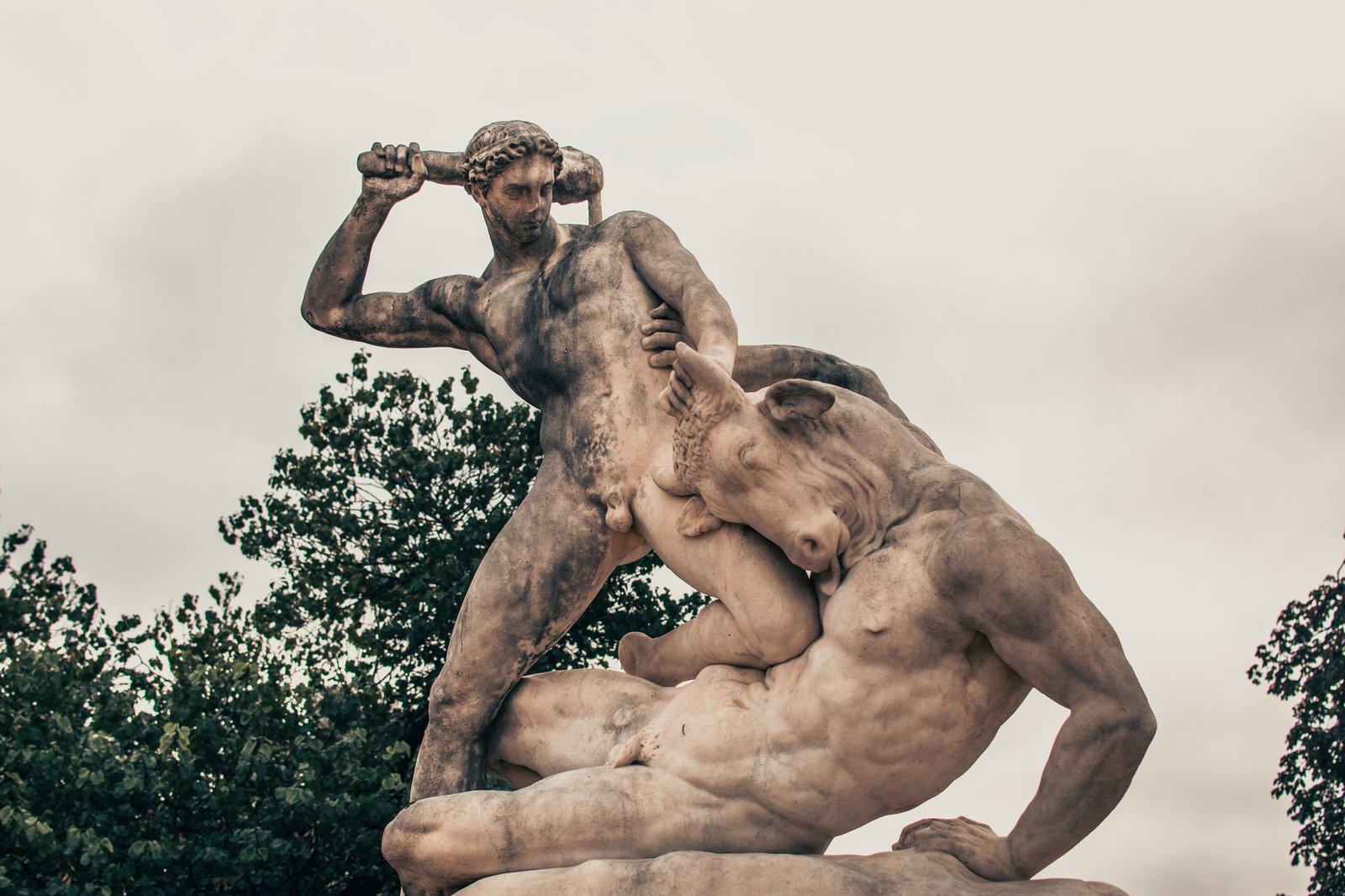
Difference Between Giants And Monsters In Greek Mythology
In Greek mythology, the difference between a giant and a monster is more than a matter of size: giants, especially the Gigantes, are a specific race tied to earth and rebellion against the gods, while monsters form a wider category of unnatural, fearsome beings. Exploring how ancient writers used these terms reveals a more subtle system of mythic classification than modern readers often expect.