Griffin
Introduction
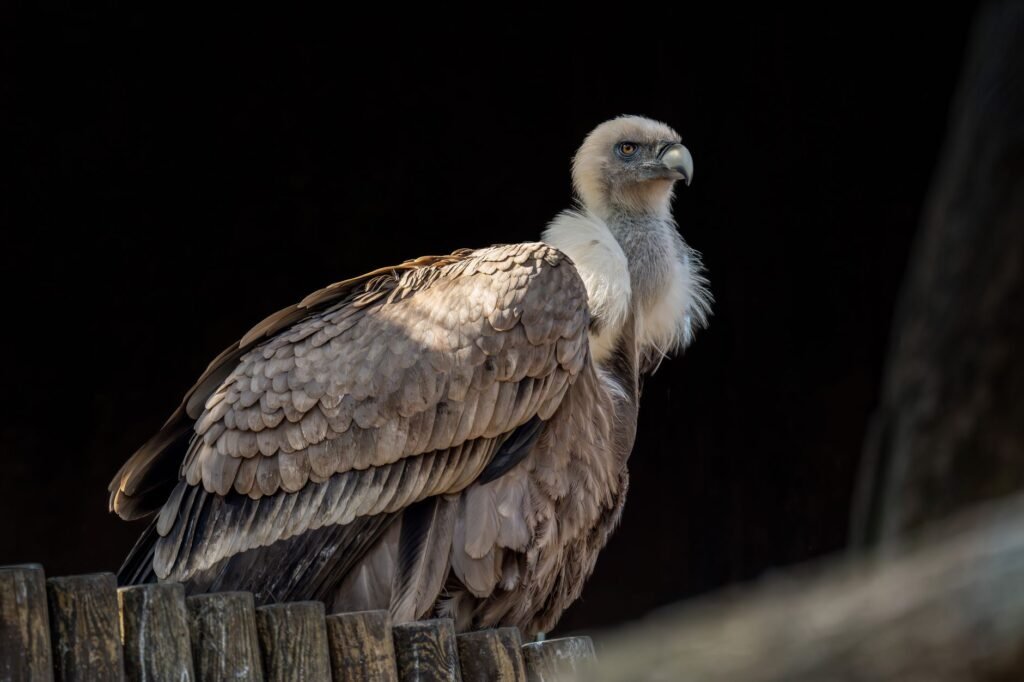
The griffin is one of the best-known creatures in world mythology: a hybrid being usually described with the body of a lion and the head and wings of an eagle. In many traditions, it combines the strength of the king of beasts with the keen sight and aerial power of the king of birds. Because of this symbolic fusion, the griffin appears across ancient art, literature, heraldry, and modern fantasy as a guardian, a royal emblem, and a sign of authority.
Unlike gods or heroes, the griffin is not a single named figure in a standardized mythological system. It is a legendary creature whose appearance and meaning vary across cultures and centuries. Yet its persistence from the ancient Near East to Greece, Rome, medieval Europe, and modern popular culture makes it an important subject in the study of mythology and symbolism.
Origin and Meaning
The English word griffin comes through Old French grifon and Latin gryphus or gryps, from Greek γρύψ (gryps). The ultimate origin of the word is uncertain. Ancient Greek authors used the term for a fabulous animal associated with the far north or east, especially lands believed to be rich in gold.
The creature itself is older than the Greek name. Artistic and symbolic predecessors appear in the ancient Near East and in regions influenced by Mesopotamian, Persian, and Levantine culture. These earlier composite beings often had avian heads or wings combined with the body of a lion or other powerful animal. Scholars generally treat the griffin as part of a wider ancient tradition of hybrid guardians and royal beasts.
Etymological note
Different spellings and related terms appear in historical sources:
| Form | Language | Notes |
|---|---|---|
| gryps / gryphus | Greek / Latin | Classical terms for the creature |
| griffin | English | Standard modern form |
| griffon / grifon | French and other European languages | Older and regional spellings |
| gryphon | English | Literary and archaic variant |
Historical Context
The griffin belongs to a broad ancient symbolic world in which animals were used to express power, divinity, and protection. In many early societies, lions represented kingship and dominance on land, while eagles represented vision, sovereignty, and the sky. A creature combining both animals naturally became associated with guardianship and elite authority.
Ancient Near Eastern background
Hybrid protective creatures were common in Mesopotamian and neighboring cultures. Winged lions, human-headed bulls, and other composite beings often guarded temples, palaces, and sacred gateways. Although these are not always identical to the Greek griffin, they form part of the cultural background from which griffin imagery emerged.
Greek and Classical world
By the first millennium BCE, the griffin appears in Greek literature and art as a marvelous creature from distant lands. Greek authors often placed it in remote regions of Scythia or other northern/eastern territories, where it guarded gold or inhabited inaccessible mountains. This geographical remoteness gave the griffin an aura of mystery and wonder.
Medieval and later traditions
In medieval Europe, the griffin became a common heraldic figure and a moral symbol of vigilance, courage, and noble strength. Christian writers and artists sometimes interpreted it allegorically, though not always in a uniform way. Over time, the griffin moved from myth and emblem into literature, decorative art, city insignia, and fantasy storytelling.
Main Characteristics
The griffin is typically depicted as a chimera-like creature with features drawn from a lion and an eagle. While artistic representations vary, several traits are especially common.
Common physical features
- Lion’s body: symbolizing strength, courage, and earthly power
- Eagle’s head and beak: symbolizing sharp vision, intelligence, and celestial authority
- Winged form: usually broad feathered wings enabling flight
- Predatory claws: often shown with powerful talons, especially in artistic traditions
- Erect posture: many heraldic griffins stand proudly, emphasizing vigilance and nobility
Variations across traditions
Different cultures and periods portray griffins differently:
- Some have the front half of an eagle and the back half of a lion.
- Others emphasize a lion body with eagle head and wings.
- In medieval heraldry, the creature is often stylized and shown in profile.
- In modern fantasy art, griffins may be given additional features, such as horse-like agility or more dramatic plumage.
Core symbolic qualities
The griffin is commonly associated with:
- Guardianship
- Royal power
- Divine protection
- Vigilance
- Speed and strength
- Wealth and hidden treasure
- Justice or noble restraint, especially in later moral interpretations
Family and Genealogy
The griffin is not a god, hero, or lineage-bound creature with a fixed family tree. Therefore, it does not have a stable genealogy like figures in Greek or Roman myth.
In mythological tradition
Ancient sources do not usually assign griffins parents, spouses, or offspring. They are generally treated as a race or species of marvelous creatures rather than as individualized beings.
In some later traditions
Later folklore and fantasy literature sometimes give griffins forms of family life, breeding behavior, or related species. These accounts are imaginative expansions rather than ancient mythological doctrine.
| Genealogical category | Status |
|---|---|
| Parents | Not usually specified |
| Spouse | Not applicable in classical sources |
| Children | Not usually specified |
| Descendants | Not part of standard mythology |
| Species or kind | Often treated as a class of creatures |
Symbols
The griffin functions as a symbol in art, politics, religion, and literature. Its symbolic power comes from the union of two commanding animals.
Major symbolic associations
| Symbol | Meaning |
|---|---|
| Lion | Strength, kingship, earthly authority |
| Eagle | Height, vision, divine or celestial power |
| Wings | Freedom, swiftness, transcendence |
| Claws and beak | Defense, predation, vigilance |
| Composite body | Unity of opposed forces |
Colors and artistic conventions
No single canonical color belongs to the griffin in all traditions. In ancient and medieval art, however, common color associations include:
- Gold or yellow, linked with treasure, sunlight, and nobility
- White, sometimes used for purity or sacred status
- Brown, red, or tan, reflecting a lion-like body
- Dark feathers or contrasting plumage, depending on artistic style
In heraldry, colors are determined by design rules and family emblems rather than by mythological necessity.
Symbolic meanings by era
- Ancient Near East: guardian of sacred or royal space
- Greek tradition: wondrous beast from the edges of the world
- Medieval Europe: moral emblem of watchfulness and strength
- Modern fantasy: noble mount, protector, or rare magical creature
Sacred Animals
The griffin is itself a sacred or semi-sacred creature in many symbolic systems, but it is also related to other animals through its composite nature.
The lion
The lion is the griffin’s most important terrestrial component. Across many cultures, lions symbolize:
- courage
- kingship
- military power
- protective force
The eagle
The eagle contributes the griffin’s aerial and celestial aspects:
- keen eyesight
- height and distance
- sovereignty
- association with the sun or sky in some traditions
Other associated animals
In some later artistic or comparative traditions, griffins are grouped with other composite guardians such as:
- sphinxes
- lamassu
- dragons
- hippogriffs in later literature
These are not identical, but they share the theme of hybrid power and boundary protection.
Sacred Plants
There are no universally recognized sacred plants specifically and exclusively associated with the griffin in ancient mythology. However, certain plants appear in broader symbolic contexts connected with guardianship, royalty, and elevated status.
Commonly associated symbolic plants
- Laurel: victory, honor, and divine favor
- Oak: strength and endurance
- Acanthus: decorative grandeur in classical and later art
- Lotus in some Eastern artistic traditions: purity and sacred power
These associations are indirect and depend on the artistic or cultural environment rather than on a fixed griffin cult.
Sacred Places
The griffin is connected not to one central sanctuary, but to a range of imagined and historical places across ancient sources and later traditions.
Mythic and geographic settings
Ancient writers often placed griffins in remote or semi-legendary regions:
- Scythia
- the far north
- mountainous wilderness
- areas rich in gold
These locations reflect Greek ideas about the edges of the known world.
Archaeological and artistic contexts
Griffin imagery appears in or on:
- palaces
- temple decorations
- grave goods
- ceremonial objects
- protective architectural spaces
In Minoan, Mycenaean, Near Eastern, Persian, and later Mediterranean contexts, griffin-like figures often serve as guardians of elite or sacred settings.
Notable place associations in later culture
Later European heraldic traditions connected the griffin with cities, noble houses, and regions using the creature as a civic or dynastic emblem. These are historical uses rather than sacred geographies in the ancient religious sense.
Powers and Attributes
The griffin is not a deity with a fixed portfolio, but it is consistently associated with a number of functions and qualities.
Common powers and domains
- Protection of treasure
- Guardianship of sacred or royal spaces
- Vigilance and watchfulness
- Supernatural strength
- Aerial mobility
- Authority and legitimacy
- Boundary enforcement, especially at the edges between safe and dangerous realms
Interpretive significance
Because the griffin joins sky and earth, it often represents mediation between opposites:
- animal and bird
- terrestrial and celestial
- physical strength and spiritual elevation
- ferocity and discipline
This balance made the griffin especially suitable for royal, religious, and heraldic symbolism.
Main Myths
The griffin appears in a number of myths and legendary narratives, though these are not always consistent. Ancient texts often describe the creature more than they narrate full stories about it.
Griffins guarding gold
One of the most widespread traditions says that griffins guarded gold deposits or treasures in remote lands. This motif appears in Greek accounts of the far north, where the creatures are imagined as fierce protectors of wealth. The idea may reflect a blend of travel lore, rumor, and symbolic geography.
Conflict with the Arimaspians
A well-known ancient tradition links griffins with the Arimaspians, a mythical one-eyed people said to try to steal gold from the lands guarded by griffins. This story appears in Greek literary and geographic imagination as a dramatic confrontation between greedy humans and vigilant monsters. Different sources and later retellings vary in details.
Griffins as sacred or royal guardians
In art and architecture, griffins often stand watch beside thrones, gates, or sacred objects. In these settings the “myth” is less a narrative and more a symbolic role: the griffin protects what must not be violated.
The griffin in Greek literary imagination
Greek authors did not always agree on the griffin’s exact home or habits. Some treated it as a realish marvel reported from distant lands; others used it as a marker of wonder, wealth, and the limits of human knowledge.
Relationship with Other Mythological Figures
The griffin interacts more with types of beings and symbolic figures than with named gods and heroes.
With Apollo and solar symbolism
In some later symbolic traditions, the griffin is linked to solar power, brightness, and nobility. This makes it compatible with Apollo-like associations, though ancient sources do not establish a single firm cultic connection.
With kings and rulers
The griffin is frequently associated with royal authority. It appears near thrones, on crests, and in court art as a symbol of sovereign protection.
With monsters and hybrid beings
The griffin belongs to a family of hybrid creatures that includes:
- sphinxes
- centaurs
- dragons
- lamassu
- winged lions
Unlike many of these, the griffin is usually not an adversary of heroes in major mythic cycles. Instead, it is often a guardian or emblem.
With humans
Human beings in griffin stories often appear as:
- travelers
- treasure seekers
- thieves
- artists
- rulers
- heraldic bearers
The creature’s relationship to humanity is therefore ambivalent: it can protect, intimidate, or symbolize the aspirations of human power.
Worship and Cult
There is no well-attested independent worship of the griffin as a deity in the way that one would speak of Zeus, Isis, or Apollo. However, the griffin had an important cultic and ceremonial presence in artistic and symbolic contexts.
Ritual and decorative uses
Griffin imagery was used in:
- palace ornamentation
- temple reliefs
- ceremonial vessels
- funerary objects
- protective amulets and symbols
These uses suggest a belief in the apotropaic, or evil-averting, power of the image.
Functions in elite culture
Because griffins were linked to power and guardianship, they often appeared in settings controlled by rulers and aristocracies. The creature’s image could express:
- legitimacy
- prestige
- protection
- divine favor
Medieval and heraldic continuation
In medieval Europe, the griffin became especially important in heraldry. Families, cities, and institutions adopted it as a sign of courage and watchfulness. This was not worship in the ancient religious sense, but it continued the creature’s symbolic life.
Ancient Sources
The griffin is mentioned by several classical and later authors, though no single ancient text fully defines it.
Important authors and sources
- Homer: not a major source for griffins, but part of the broader Greek mythic background
- Aristeas of Proconnesus: associated with early lost epic or travel poetry about the lands of the north, including griffins and Arimaspians, though surviving evidence is fragmentary and mediated by later writers
- Herodotus: discusses the Arimaspians and griffins in his Histories, presenting the tale as part of geographic tradition while signaling uncertainty
- Aeschylus: alludes to griffin-related imagery in surviving fragments and later references
- Pliny the Elder: includes griffins in his Natural History, treating them as creatures reported from distant regions
- Pausanias: useful for understanding later Greek cultural memory and sacred art, though not always focused on griffins specifically
- Ovid: contributes to Roman literary reception of marvelous beasts and hybrid imagery
- Strabo and other geographers: preserve traditions about the far north and the marvelous creatures said to live there
Source criticism
Ancient accounts of griffins mix:
- travel lore
- hearsay
- symbolic geography
- poetic invention
- ethnographic imagination
As a result, modern scholarship treats these sources cautiously rather than as straightforward zoological reports.
Roman Equivalent
The griffin has no perfect Roman equivalent, because it is not a Roman god with a direct counterpart. However, it was adopted and adapted in Roman art and literature.
Roman reception
Romans inherited griffin imagery from Greek and earlier eastern traditions. In Roman usage, the creature often served decorative, symbolic, or imperial purposes.
Function in Roman culture
The griffin could represent:
- imperial splendor
- protective power
- decorative luxury
- continuity with Greek learning and eastern prestige
In this sense, Rome did not replace the griffin with another creature; it absorbed and repurposed it.
Influence on Modern Culture
The griffin remains one of the most recognizable mythological creatures in modern culture.
Literature
Griffins appear in:
- fantasy novels
- children’s books
- myth retellings
- allegorical literature
They are often portrayed as intelligent, noble, or trainable rather than purely monstrous.
Cinema and television
In film and television, griffins are commonly used to evoke:
- ancient magic
- royal fantasy settings
- airborne adventure
- mythical realism
Their appearance can range from majestic and realistic to stylized and highly fantastical.
Games
Griffins are especially common in:
- role-playing games
- strategy games
- fantasy card games
- mobile and online games
They often function as mounts, guardians, elite creatures, or high-level enemies.
Art and heraldry
The griffin remains common in:
- coats of arms
- civic seals
- logos
- sculptures
- decorative architecture
Its heraldic endurance is one of the main reasons it remains familiar worldwide.
Popular symbolism
Today, griffins can suggest:
- nobility
- protection
- fantasy heritage
- institutional prestige
- a connection to classical antiquity
Curiosities
- The griffin is sometimes confused with the hippogriff, a later literary creature with a different hybrid form.
- Some ancient depictions emphasize the griffin’s role as a guardian of gold, while modern fantasy often turns it into a rideable beast or ally.
- The creature’s popularity in heraldry helped preserve its image even when belief in mythology declined.
- In some traditions, griffins are rendered with ears or other features that make them resemble lions more closely.
- The griffin is one of the few mythological creatures to remain prominent in both ancient royal art and modern fantasy design.
- Its enduring appeal comes partly from the visual logic of its design: it unites two animals universally associated with power.
Frequently Asked Questions
What is a griffin?
A griffin is a mythical creature usually shown with the body of a lion and the head and wings of an eagle. It is commonly associated with guardianship, royalty, and strength.
Where did the griffin come from?
The griffin has roots in ancient Near Eastern and Mediterranean symbolic traditions. The Greek name and many literary references come from the classical world, but the creature’s imagery is older than Greek literature.
What does a griffin symbolize?
A griffin commonly symbolizes courage, protection, vigilance, and royal authority. The lion and eagle elements together express power on earth and in the sky.
Did ancient people worship griffins?
Not as gods in a standard cult. However, griffin imagery was used in sacred, royal, and protective contexts, suggesting symbolic importance.
Are griffins real animals?
No. Griffins are legendary creatures, not biological species. They belong to mythology, folklore, and symbolic art.
Why are griffins linked to gold?
Several ancient traditions place griffins in remote regions where they guard gold. This may reflect mythic geography, artistic symbolism, and ancient stories about distant lands.
How are griffins used in heraldry?
In heraldry, griffins represent vigilance, bravery, and noble power. They often appear on coats of arms, crests, and seals.
What is the difference between a griffin and a hippogriff?
A griffin is typically part lion and part eagle. A hippogriff, created later in literary tradition, is usually described as part horse and part eagle.
Conclusion
The griffin is one of the most enduring creatures in world mythology. Emerging from ancient traditions of hybrid guardians and royal symbols, it became a powerful emblem of vigilance, strength, and transcendence. Its long history spans the ancient Near East, Greek literature, Roman art, medieval heraldry, and modern fantasy.
Although the griffin is not a deity with a fixed cult or genealogy, its symbolic force has proved remarkably durable. It continues to fascinate because it unites two of the most potent animals in human imagination: the lion and the eagle. As a result, the griffin remains a lasting image of protection, nobility, and the bridge between earth and sky.

Orin Vale has spent the better part of two decades tracing the threads that connect the world’s oldest stories — from the halls of Asgard to the banks of the Nile, from Olympus to the jungles of the Maya. What began as a childhood fascination with flood myths and trickster gods grew into years of independent study across comparative mythology and ancient religion, always chasing the same question: what did these stories mean to the people who first told them? Orin writes for readers who want more than trivia — the ones looking for the beliefs, fears, and truths that myths were built to carry.