religion and belief systems

Caduceus: Meaning, Symbolism, and History
The caduceus is an ancient symbol of Hermes and Mercury, shown as a staff entwined by two serpents and often topped with wings. Though now widely associated with medicine, its history is rooted in heraldry, commerce, diplomacy, and myth, raising questions about how its meaning shifted over time.

Cornucopia: Meaning, Symbolism, and Origins
The cornucopia, or horn of plenty, is a lasting symbol of abundance, fertility, and prosperity rooted in Greek and Roman myth. This article traces its ancient origins, evolving meanings, and enduring presence in art, festivals, and civic imagery, revealing why the cornucopia remains one of the most recognizable emblems of seasonal bounty.
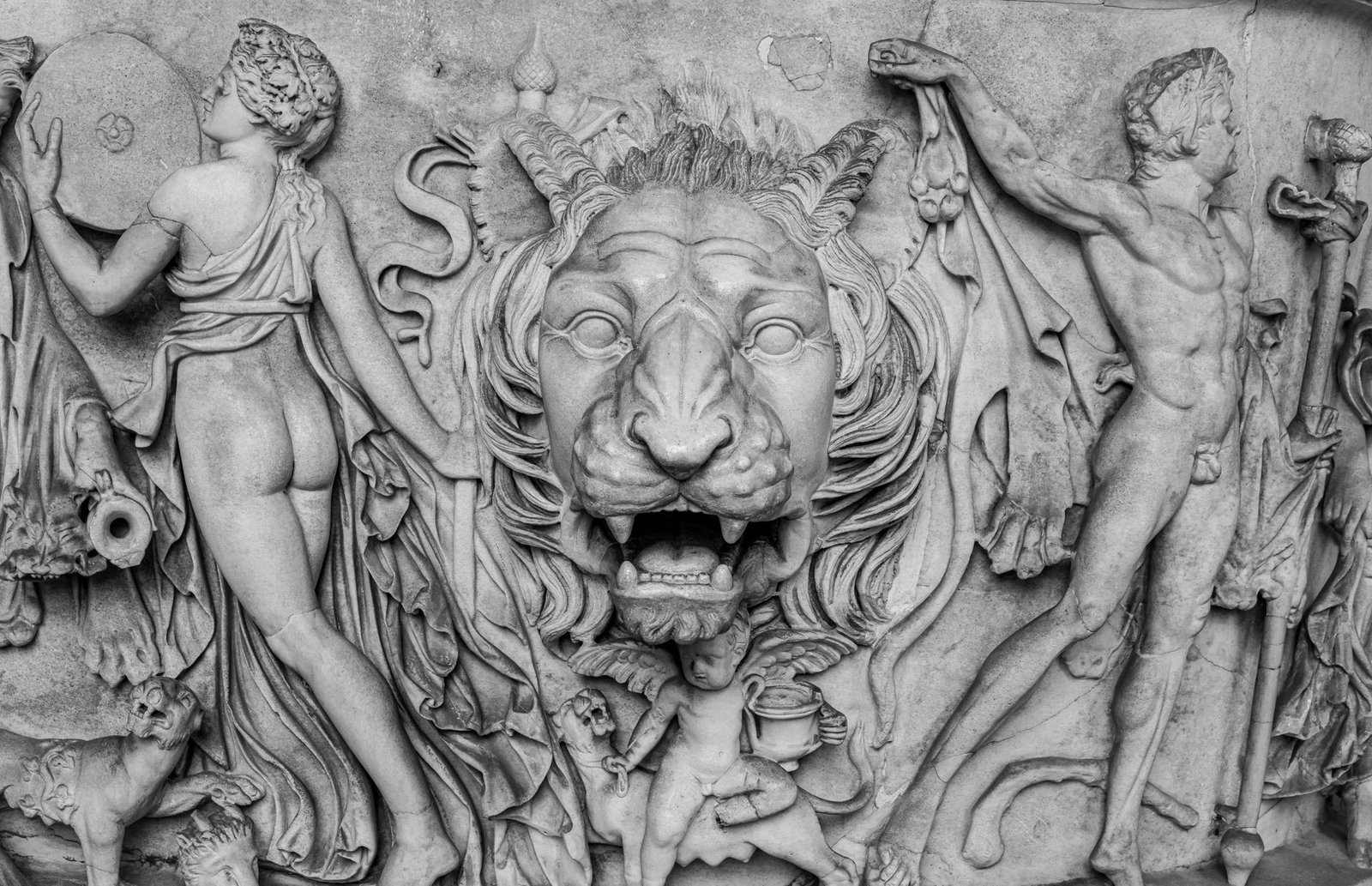
Pandora’s Box: Meaning, Origin, and Myth Explained
Pandoras Box is a foundational Greek myth in which a forbidden opening releases suffering into the world, leaving only Hope behind. From its ancient jar in Hesiod to its later transformation into a modern idiom, the story reveals how a single act can reshape human understanding across literature, philosophy, and culture.
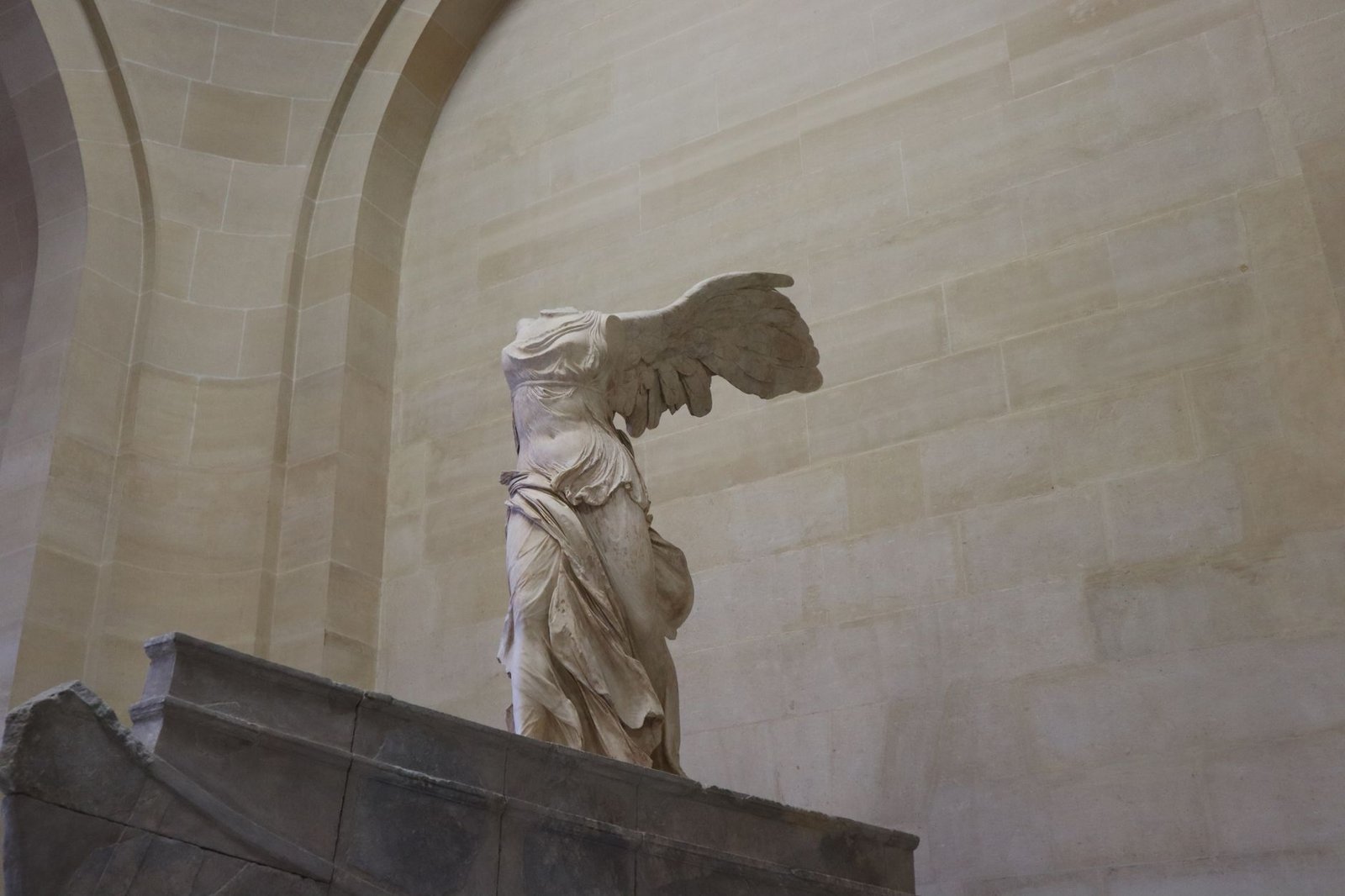
Hermes’s Winged Sandals: Meaning, Myth, and History
Hermes’s Winged Sandals are among the most enduring symbols of Greek mythology, embodying the god’s unmatched speed, mobility, and role as divine messenger. This article examines their literary origins, shifting descriptions in ancient sources, and the symbolism that turned them into a lasting emblem of rapid communication and boundary-crossing.
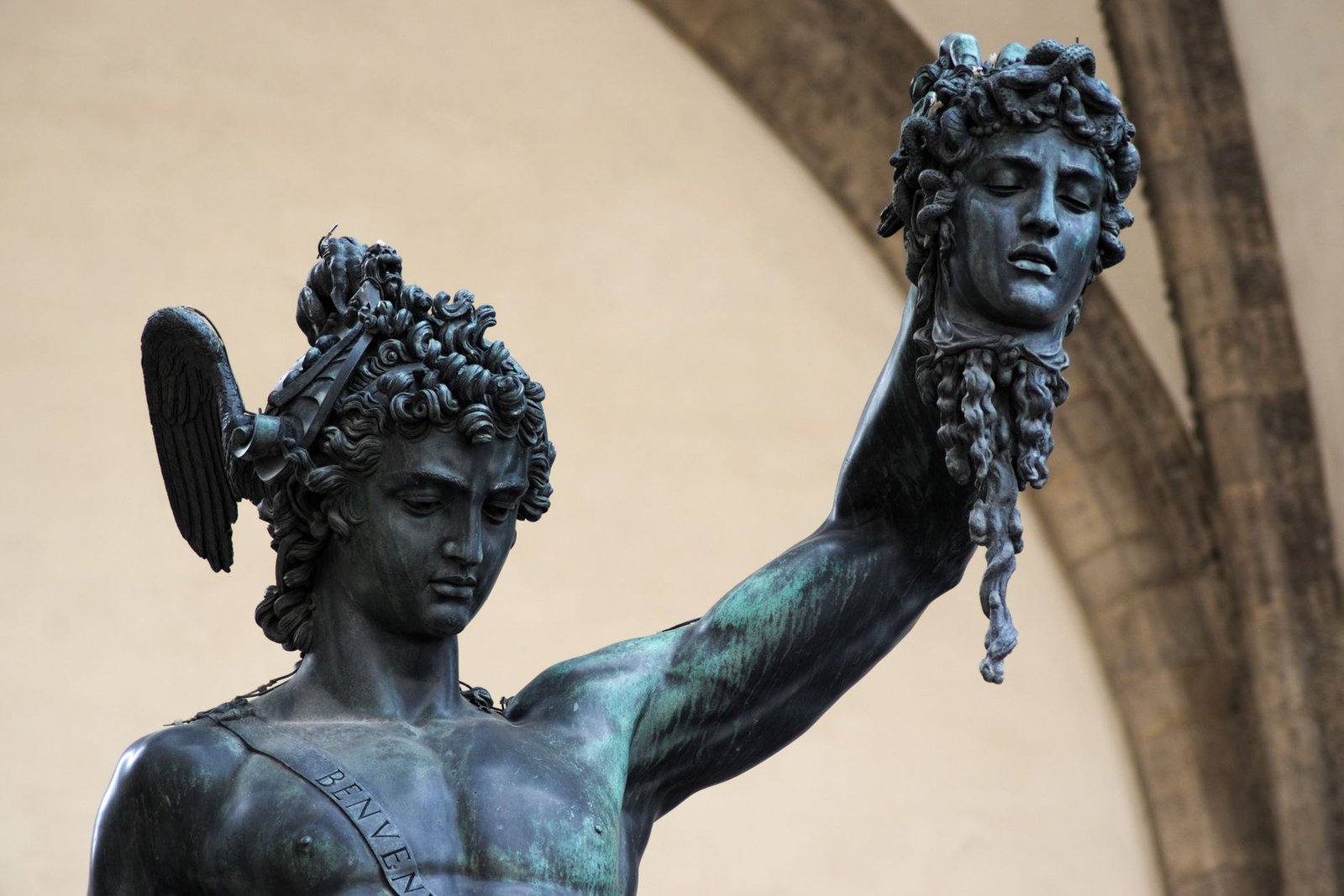
Gorgoneion: Meaning, Symbolism, and Ancient Greek Art
The Gorgoneion, the striking image of a Gorgon’s head most often linked to Medusa, served in ancient Greece and Rome as a potent apotropaic symbol meant to repel evil and protect against harm. Found on armor, temples, coins, and jewelry, it reveals how a terrifying mythic face became one of antiquity’s most enduring emblems of power and protection.

Caduceus vs Staff of Asclepius: Meaning and Differences
The **Caduceus vs Staff of Asclepius** distinction is a classic case of symbol confusion: one belongs to Hermes, the messenger and patron of commerce, while the other is the ancient emblem of healing linked to Asclepius. Exploring their origins, imagery, and later misuse reveals how a single visual detail can reshape meanings across medicine, mythology, and modern culture.

Scylla and Charybdis: Meaning, Myth, and Origins
Scylla and Charybdis are legendary monsters from Greek mythology, first set side by side in Homer’s *Odyssey* as the twin threats guarding a narrow sea passage. Their story explains the enduring phrase “between Scylla and Charybdis,” a vivid symbol of being forced to choose between two dangerous outcomes, and reveals how ancient Greeks understood risk at sea.

Griffin: Mythological Creature, Origins, and Symbolism
The griffin is a legendary hybrid creature, typically shown with the body of a lion and the head and wings of an eagle, whose image has endured from the ancient Near East to medieval Europe and modern fantasy. Exploring its uncertain origins, shifting names, and rich symbolism reveals why the griffin has long served as a guardian, royal emblem, and enduring marker of authority.

Python: Definition, History, and Key Facts
The python is a large non-venomous snake found across Africa, Asia, and parts of Australia, notable for its immense strength, heat-sensing abilities, and method of subduing prey by constriction. Long woven into folklore, religion, and natural history, the python also plays a significant ecological role, and its diverse species reveal much about both evolution and human perceptions of snakes.
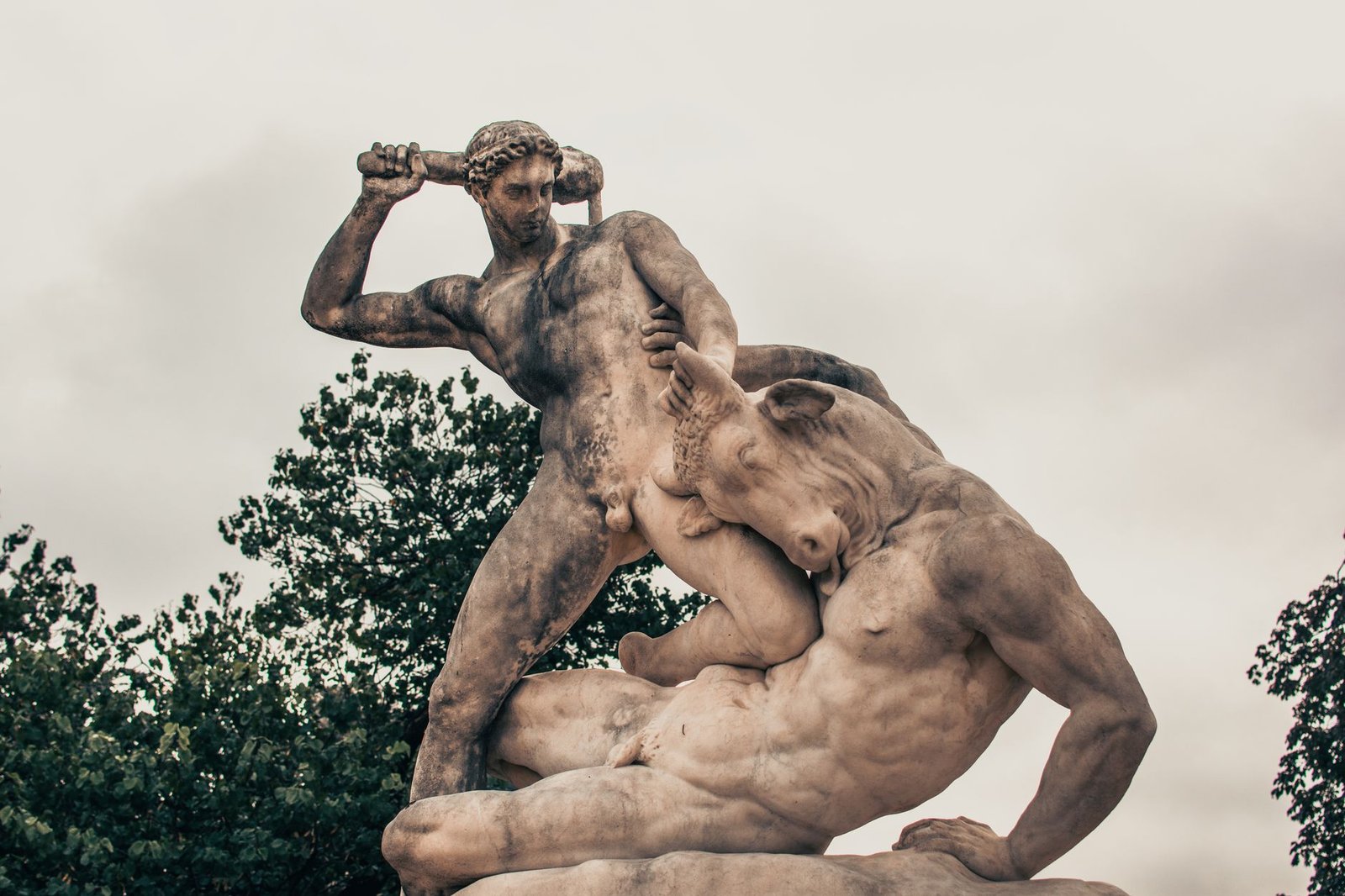
Minotaur: Mythology, Origins, and Symbolism
The Minotaur, the bull-headed monster of Greek mythology, was said to dwell in Daedalus’s Labyrinth on Crete until Theseus confronted it, a tale that links royal power, divine punishment, and human sacrifice. Its enduring presence in myth, art, and literature reveals why this creature remains a powerful symbol of confinement, violence, and the clash between civilization and instinct.