religion and belief systems
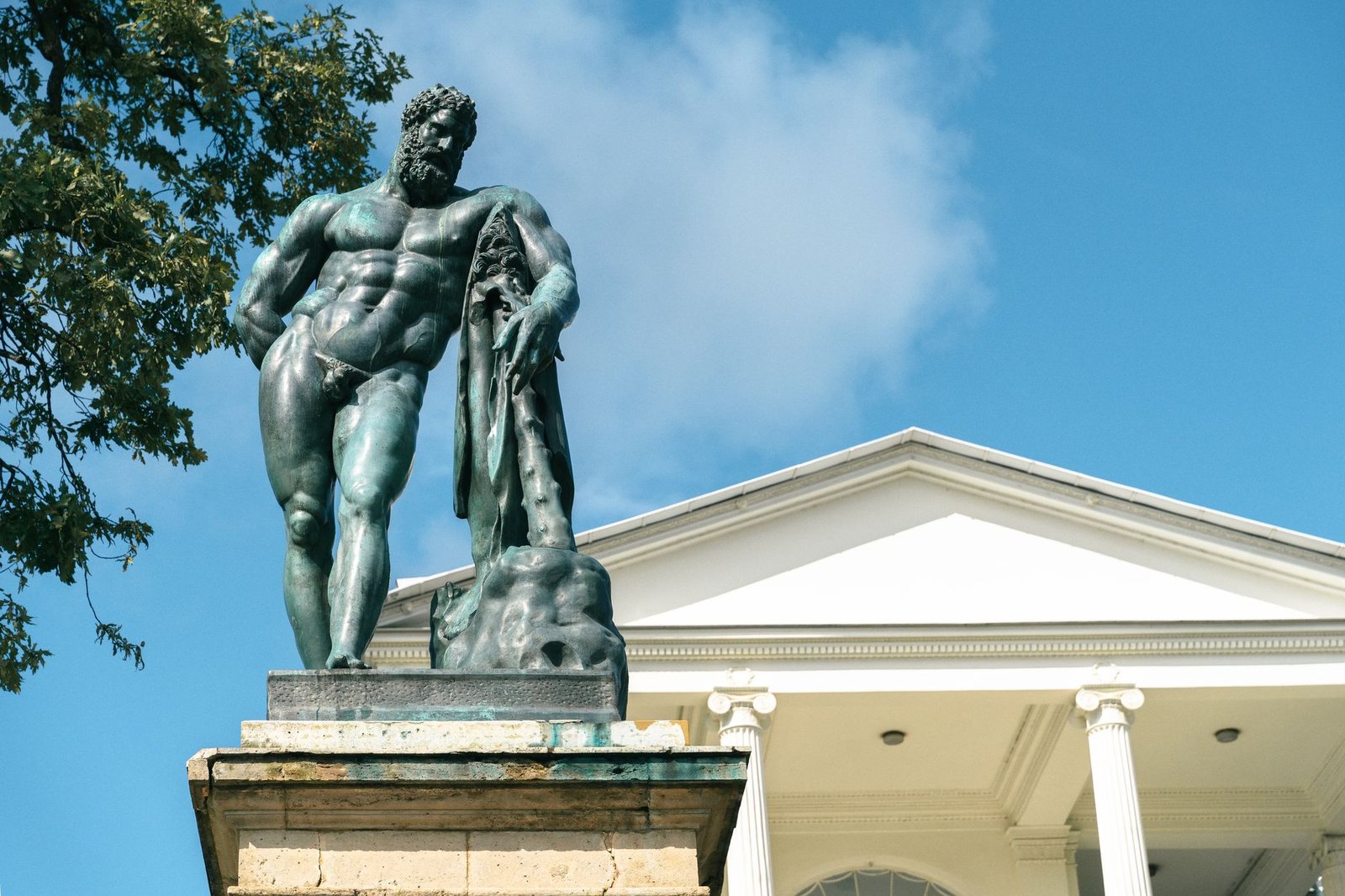
Zeus and Europa: Greek Mythology and the Legend
Zeus and Europa is a central myth of Greek tradition, recounting how Zeus, in the form of a bull, carried the Phoenician princess to Crete and fathered a lineage that shaped later legend. Rooted in ancient cultural exchange between Greece and the eastern Mediterranean, the story reveals enduring themes of transformation, power, and identity that continue to invite closer reading.
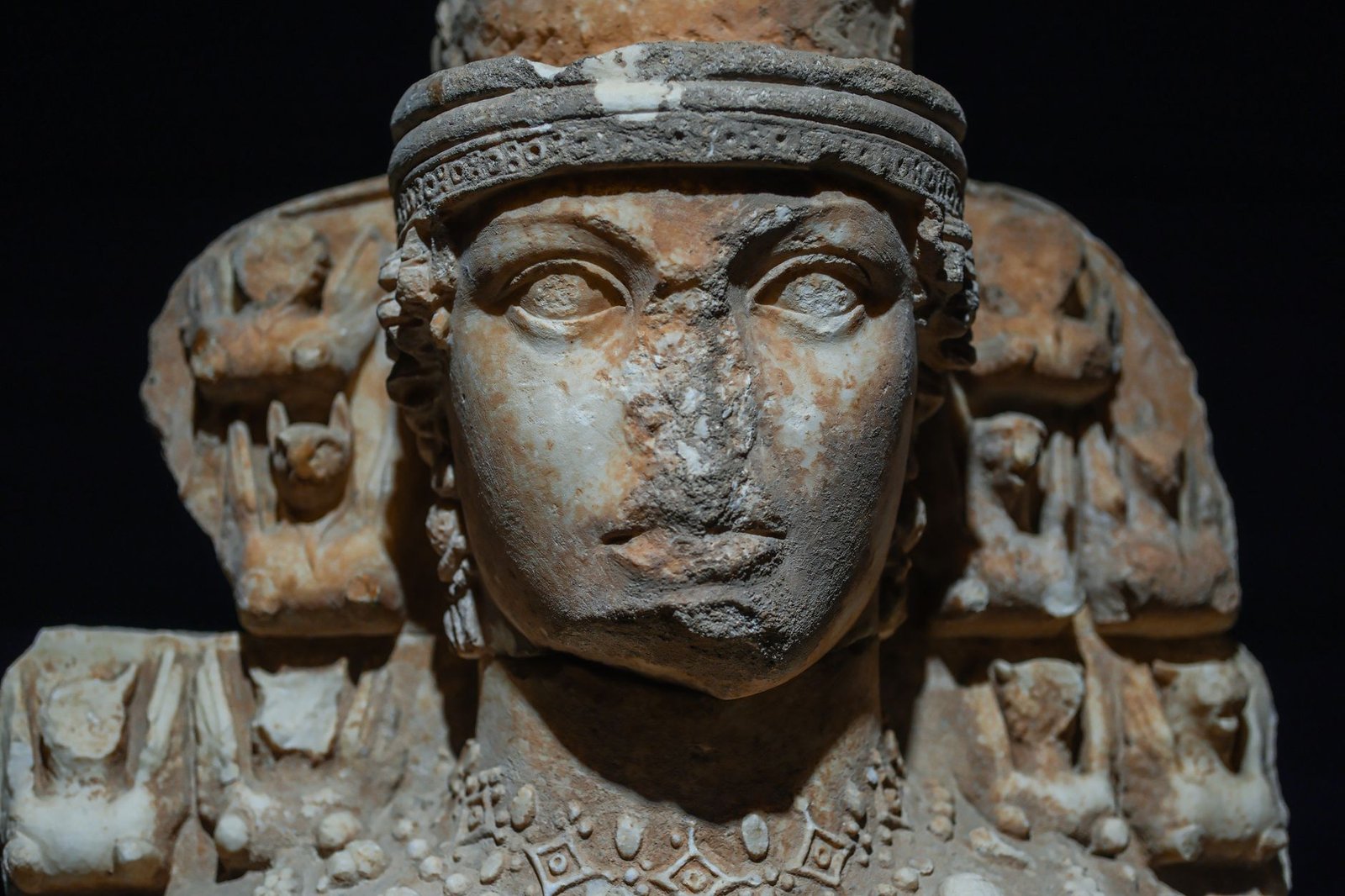
Actaeon and Artemis: Greek Myth and Story
Actaeon and Artemis is a classic Greek myth about a hunter who intrudes on the goddess’s private bathing and is transformed into a stag, only to be killed by his own dogs. This brief but enduring story reveals ancient ideas about sacred boundaries, divine retribution, and the peril of seeing what should remain hidden, while inviting comparison with its many literary and artistic retellings.

Pygmalion and Galatea: Myth, Story, and Meaning
Pygmalion and Galatea is a classic myth of artistic creation, desire, and divine transformation, in which a sculptor falls in love with the ivory statue he has made. Tracing its ancient sources and later literary afterlife reveals how the story evolved from myth into a lasting symbol of beauty, identity, and the power of art.
Sema-Tawy Symbol in Egyptian Mythology: Meaning and History
The sema-tawy symbol in Egyptian mythology represents the sacred union of Upper and Lower Egypt, expressing the pharaoh’s role in preserving order, legitimacy, and balance. This article examines its meaning, visual form, and royal context, showing how a seemingly simple motif reveals the political and religious logic of ancient Egypt.

Winged Sun Disk in Egyptian Mythology: Meaning and Symbolism
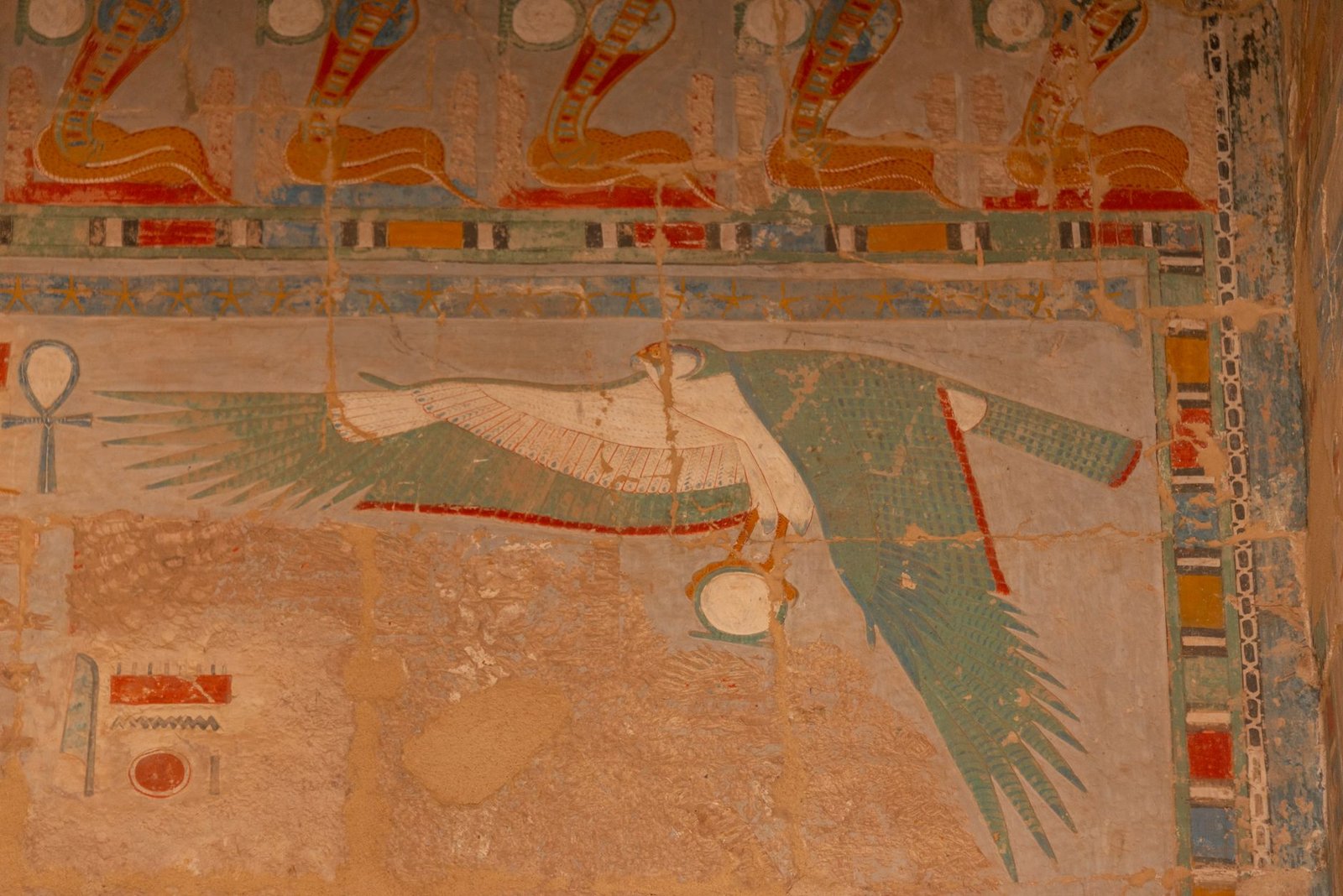
The winged sun disk is a major symbol in Egyptian mythology, combining the solar disk, outspread wings, and often protective serpents to express divine power, kingship, and cosmic order. Closely associated with Horus and Ra, it appears across temples, monuments, and sacred objects, revealing how one image could carry layered religious meaning.
Who Is Atum in Egyptian Mythology? Origin and Meaning
Atum in Egyptian mythology is the self-created creator god who emerged from the primeval waters of Nun, embodying completeness, order, and the first act of creation. Closely tied to Heliopolis and the setting sun, he anchors major Egyptian creation traditions and reveals how ancient theologians understood the origins of the cosmos.
Who Is Amun in Egyptian Mythology? Origins and Meaning
Who is Amun in Egyptian mythology? A god of hidden power and royal authority, Amun rose from a local Theban deity to one of ancient Egypt’s chief divine figures, later joined with Ra as Amun-Ra. This excerpt traces his meanings, cult, and political influence, revealing why his worship shaped Egyptian religion and kingship for centuries.
Who Is Shu in Egyptian Mythology? Meaning and Role
Who is Shu in Egyptian mythology? He is the ancient Egyptian god of air, light, and the space between heaven and earth, famed for lifting Nut away from Geb and helping establish cosmic order. This article explores his name, origins, role in creation myths, and lasting place in Egyptian religious thought.
Who Is Ma’at in Egyptian Mythology? Meaning and Role
Ma’at in Egyptian mythology is both a goddess and a guiding principle embodying truth, justice, order, and cosmic balance. Understanding her reveals how the ancient Egyptians connected kingship, morality, and the afterlife to the stability of the universe, with much more waiting beneath this foundational idea.
Who Is Neith in Egyptian Mythology? A Guide
Neith in Egyptian mythology is one of the oldest and most complex goddesses, blending roles as creator, warrior, weaver, and guardian across millennia of worship. This overview traces her shifting symbolism, major cult center at Sais, and the meanings ancient Egyptians and later Greek writers drew from her enduring presence.