Egyptian Mythology
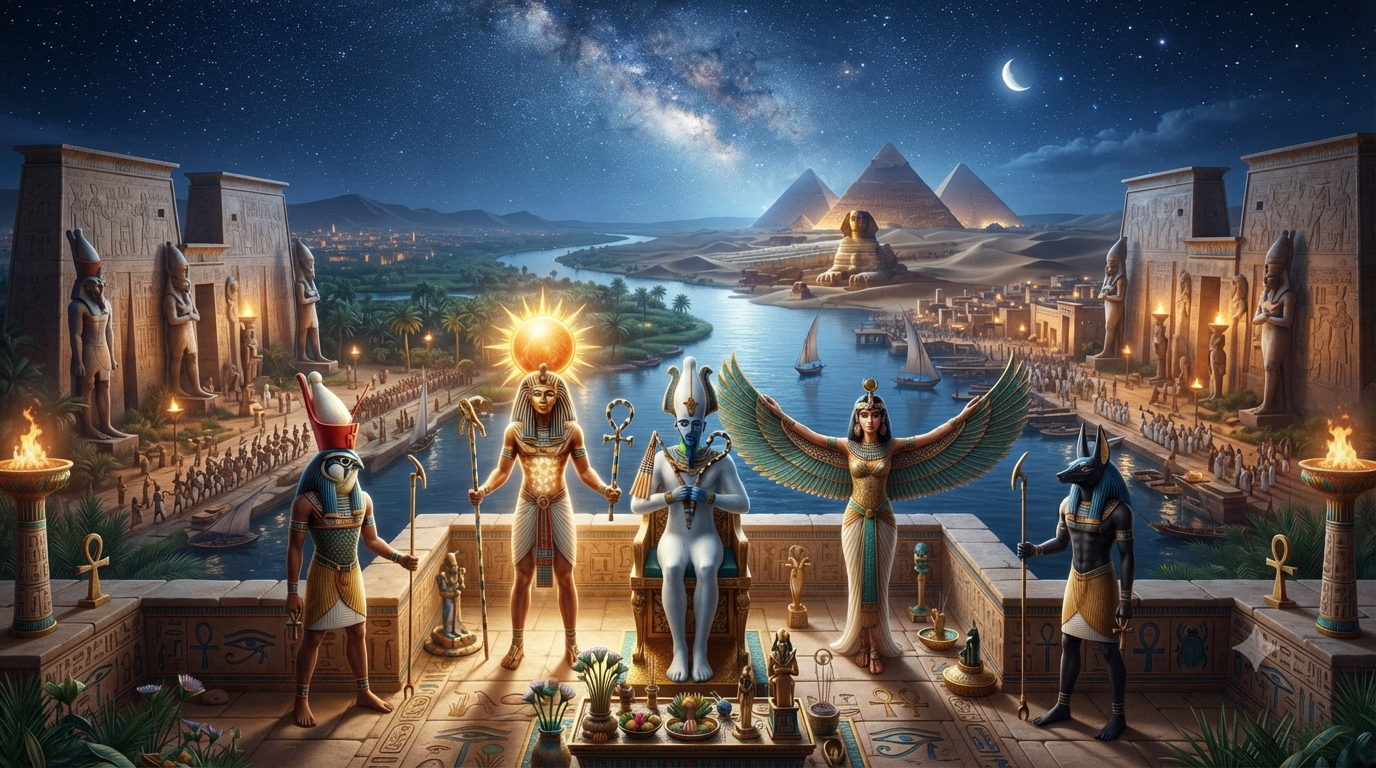
Egyptian Mythology: The Complete Guide to Ancient Egypt’s Gods, Symbols, Creatures, and Myths
Few civilizations left behind a belief system as vast, as visually distinctive, or as long-lasting as ancient Egypt. Egyptian mythology ...
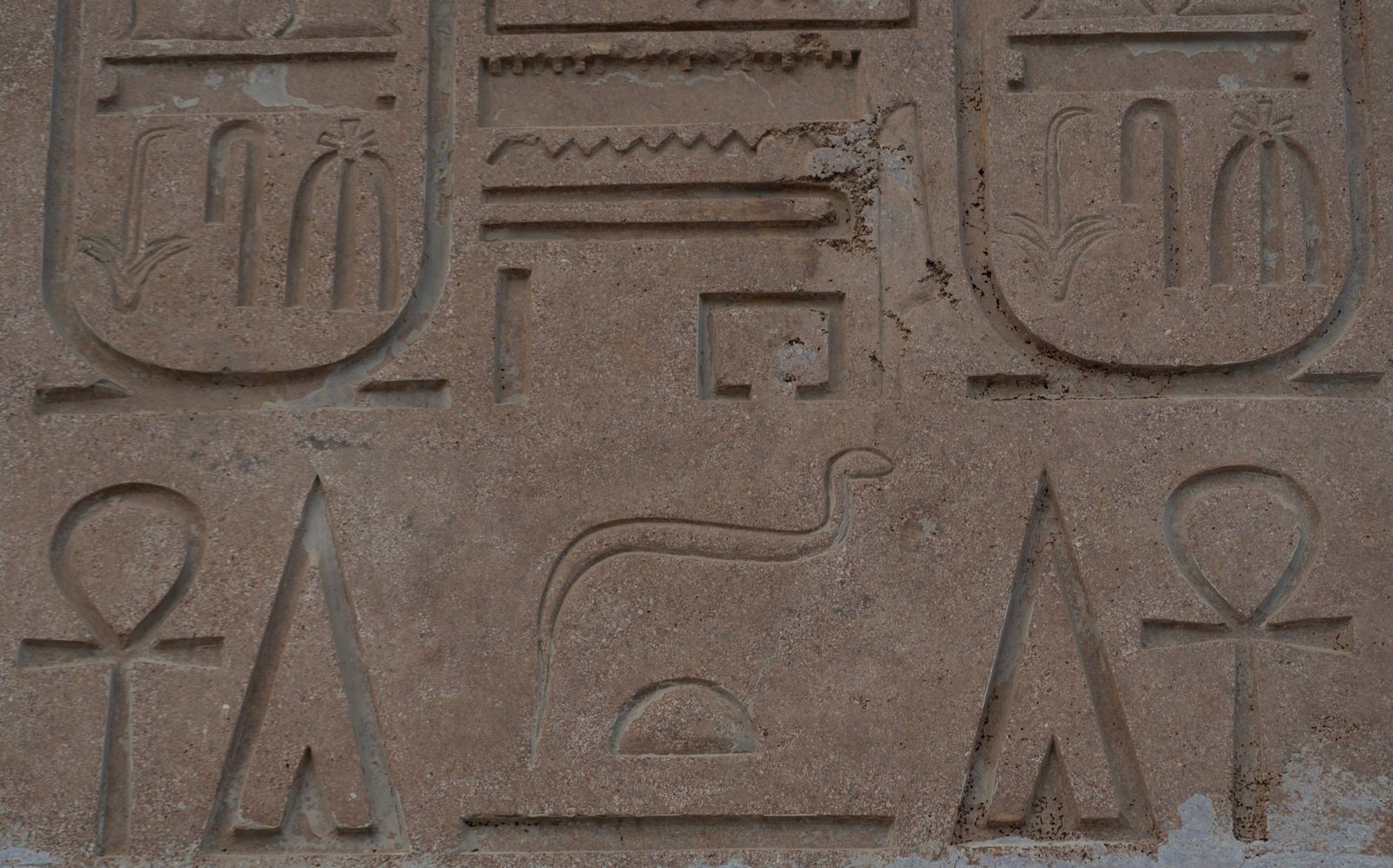
What Does the Ankh Mean in Egyptian Mythology?
The **ankh** is one of ancient Egypt’s most enduring symbols, and in Egyptian mythology it represents life, divine power, and the promise of existence beyond death. This article explores its religious meaning, its use in temple and tomb imagery, and the ways the “key of life” came to embody rebirth, authority, and immortality.
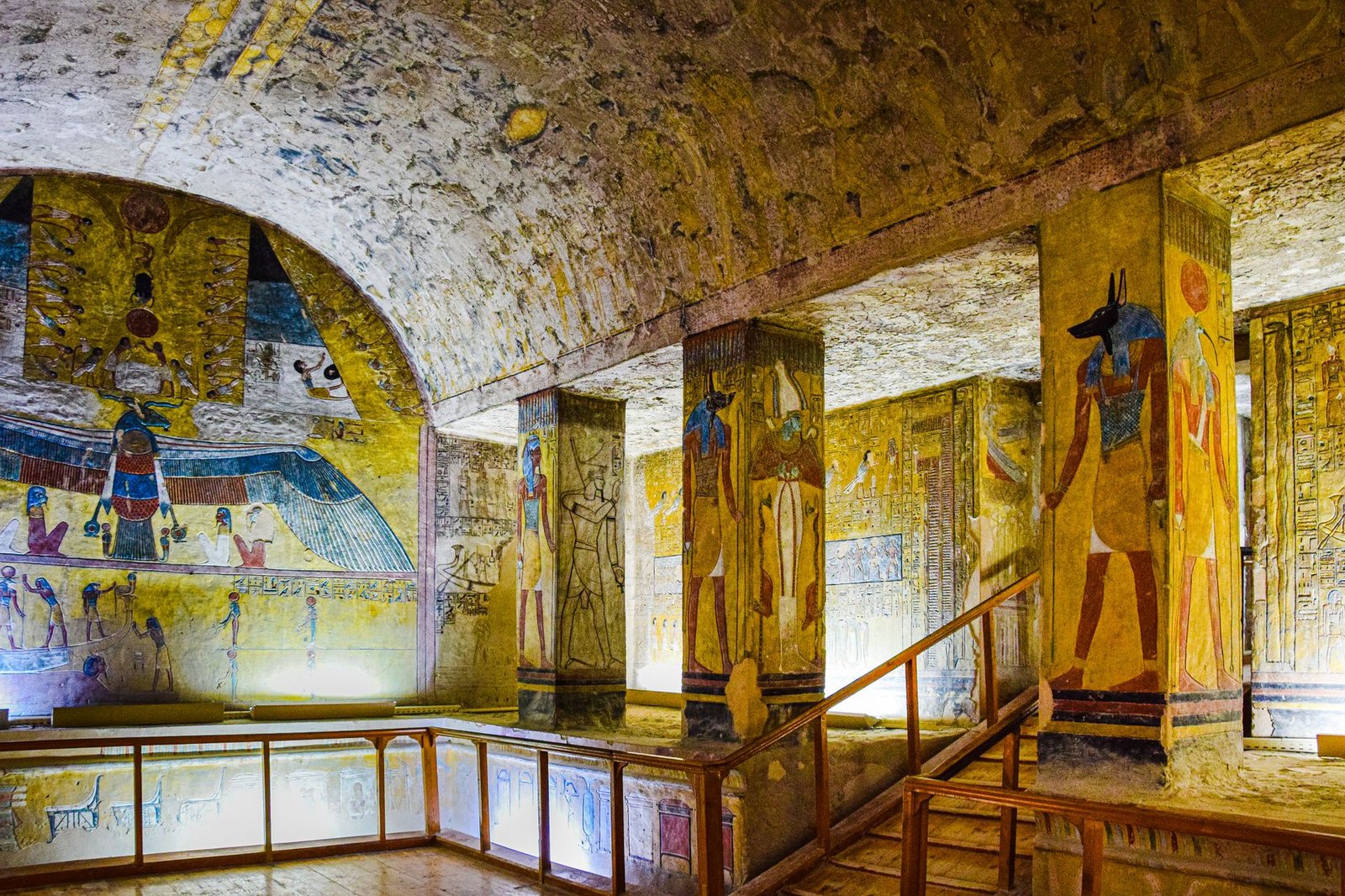
Eye of Horus in Egyptian Mythology: Meaning and Origins
The Eye of Horus in Egyptian mythology is a powerful symbol of healing, protection, royal authority, and restored wholeness, rooted in the story of Horus’s injured eye and its divine repair. Its long history in amulets, funerary art, and temple imagery reveals how a single emblem came to embody both personal wellbeing and cosmic order.
What Is the Eye of Ra in Egyptian Mythology?
The Eye of Ra in Egyptian mythology is a powerful divine force linked to the sun god Ra, embodying protection, kingship, and the ability to punish disorder. Emerging in many forms and often associated with goddesses such as Sekhmet and Hathor, it reveals how the Egyptians understood both cosmic balance and the dangerous power behind creation.
Eye of Horus vs. Eye of Ra: Key Differences Explained
The difference between the Eye of Horus and the Eye of Ra lies in their divine associations: one symbolizes Horus’s restored, protective power, while the other embodies Ra’s solar force and often its destructive aspect. Exploring their origins, meanings, and uses in ancient Egyptian belief reveals why these two sacred eyes are related, yet never interchangeable.
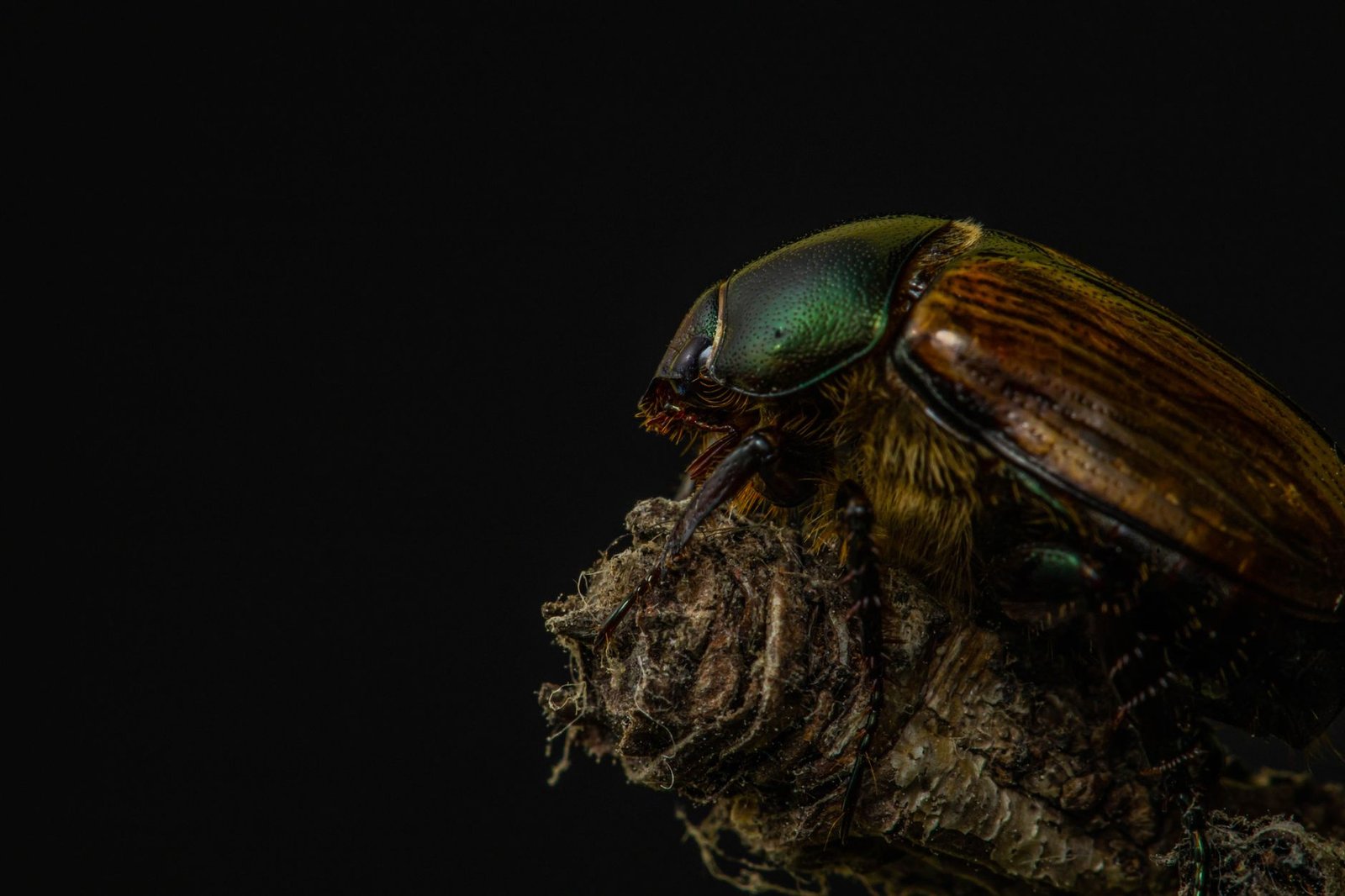
Scarab Beetle Symbolism in Egyptian Mythology Explained
In Egyptian mythology, the scarab beetle symbolizes rebirth, transformation, protection, and the daily renewal of the sun, especially through its link to the god Khepri. This excerpt explores how a simple creature became a powerful emblem of creation, the afterlife, and divine order, revealing why its image endured across temples, tombs, and amulets.

What Is the Tyet Knot in Egyptian Mythology?
The tyet knot is an ancient Egyptian symbol of protection, healing, and rebirth, closely linked to Isis and especially prominent in funerary religion. This concise emblem, whose origins may lie in everyday knots or ritual textiles, invites a deeper look at how Egyptians transformed ordinary forms into sacred power.
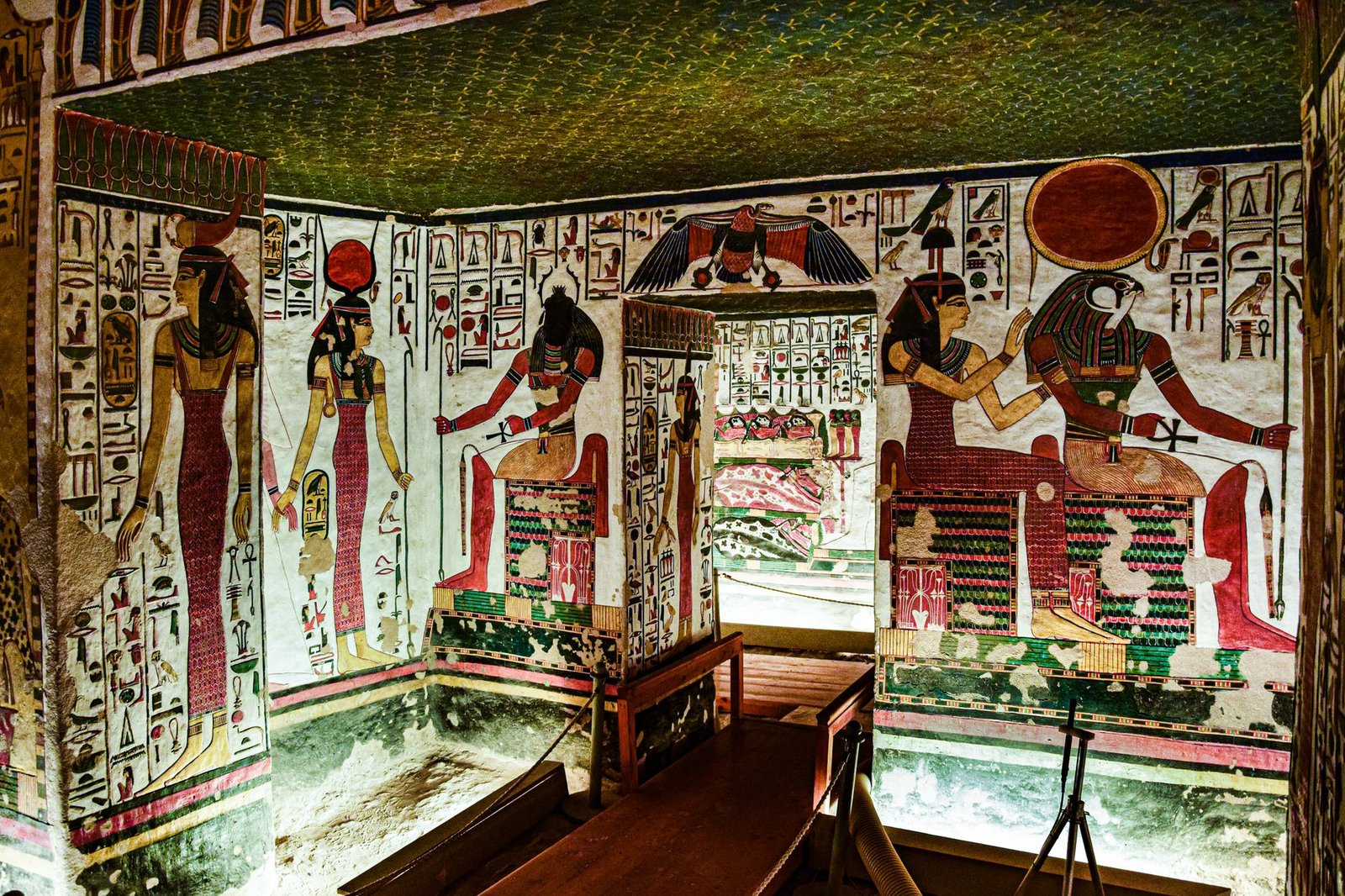
What Is the Shen Ring in Egyptian Mythology?
The shen ring in Egyptian mythology is a powerful symbol of eternity, protection, and completeness, recognized by its enclosed circular form. More than a decorative motif, it appears in royal and divine contexts, where its meaning reveals how ancient Egyptians linked visual symbols with sacred power and cosmic order.
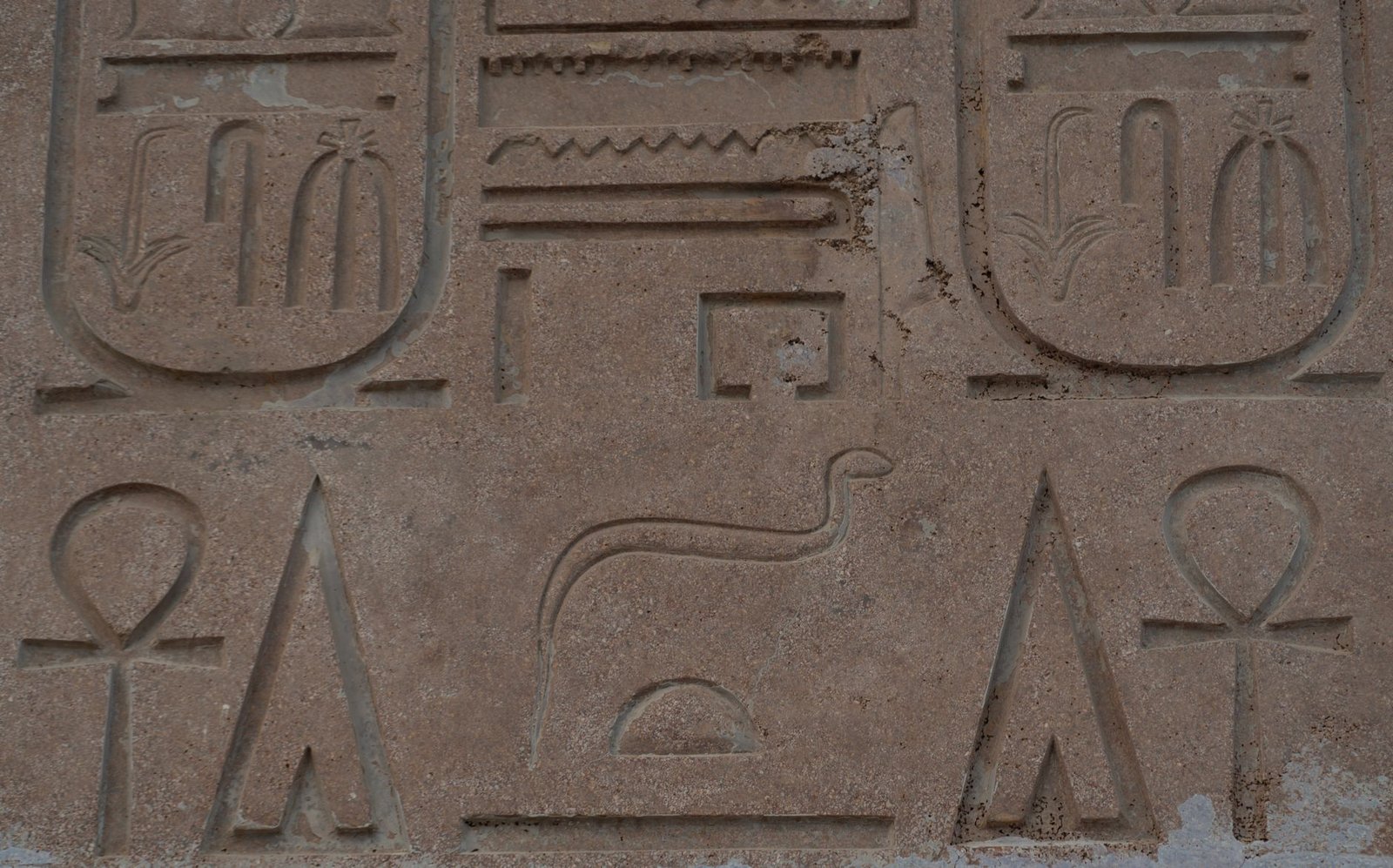
What Do the Crook and Flail Symbolize in Egyptian Mythology?
The crook and flail symbolize what do the crook and flail symbolize in Egyptian mythology: a balanced ideal of kingship in which the ruler protects, guides, and sustains the people while also enforcing order and fertility. Most closely associated with Osiris and royal iconography, these emblems reveal how Egyptian authority fused pastoral care with divine power.
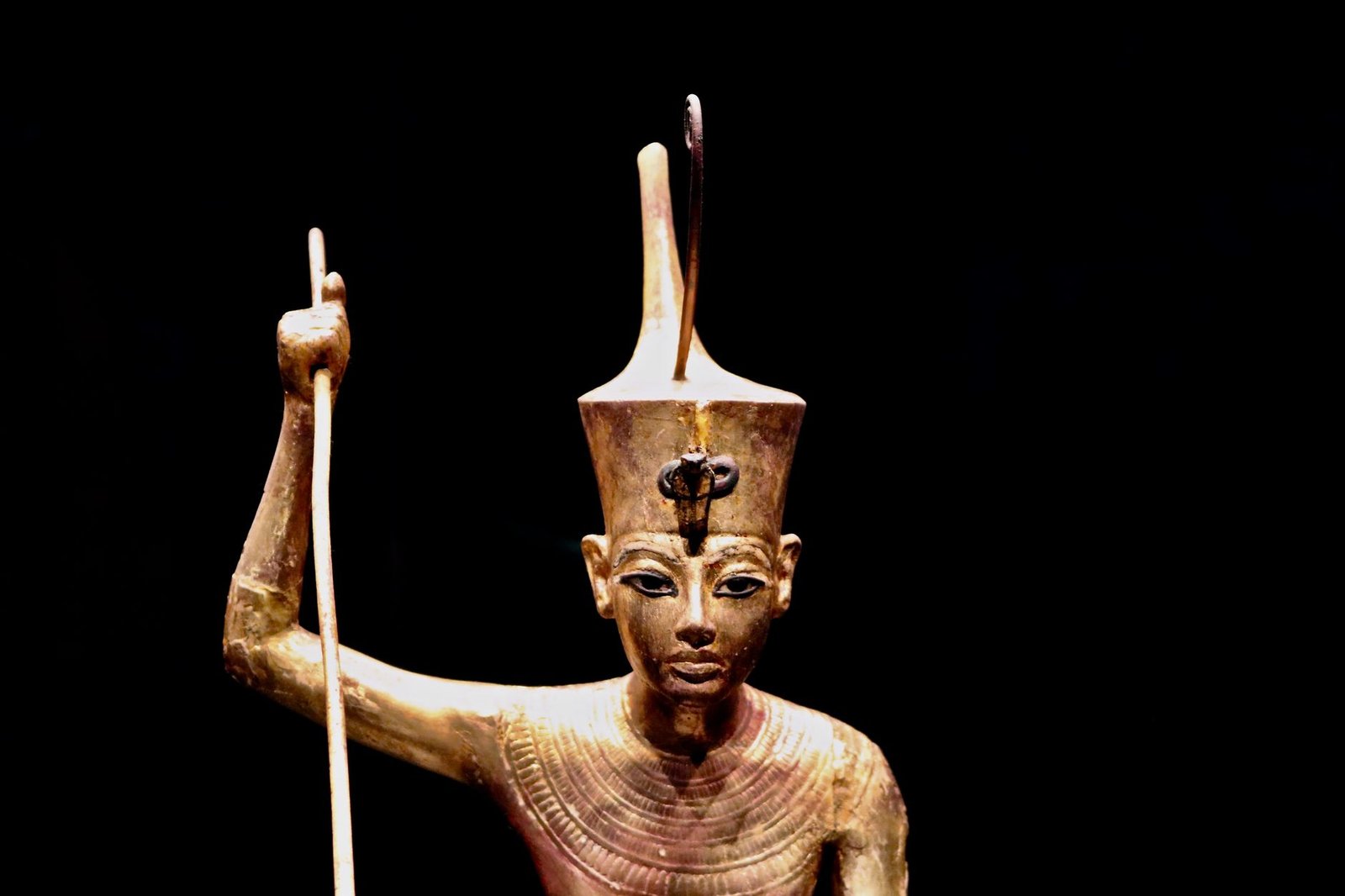
What Is the White Crown of Egypt in Egyptian Mythology
The white crown of Egypt, or hedjet, was the ancient emblem of Upper Egypt and a potent symbol of kingship, divine authority, and sacred protection in Egyptian mythology. Its role in royal iconography, religious scenes, and the later double crown reveals how Egyptians linked political power with cosmic order and unification.