Introduction
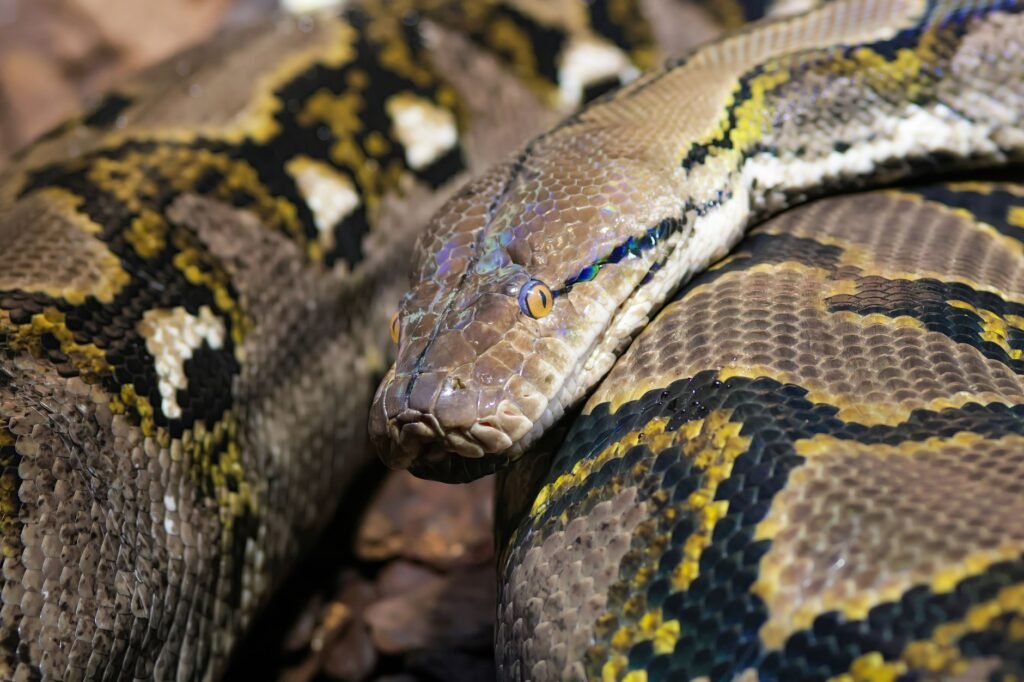
The python is a large non-venomous snake found in Africa, Asia, and parts of Australia. It belongs to the family Pythonidae and is known for its powerful body, heat-sensing abilities, and method of killing prey by constriction rather than venom. Because of its size, stealth, and striking appearance, the python has long captured human attention in folklore, religion, natural history, and modern popular culture.
Although the word python may also refer to a programming language, this article concerns the snake. In many societies, pythons have been feared, revered, or symbolically associated with fertility, rain, protection, danger, and the power of the natural world. They occupy an important place in both ecological systems and human imagination.
Origin and Meaning
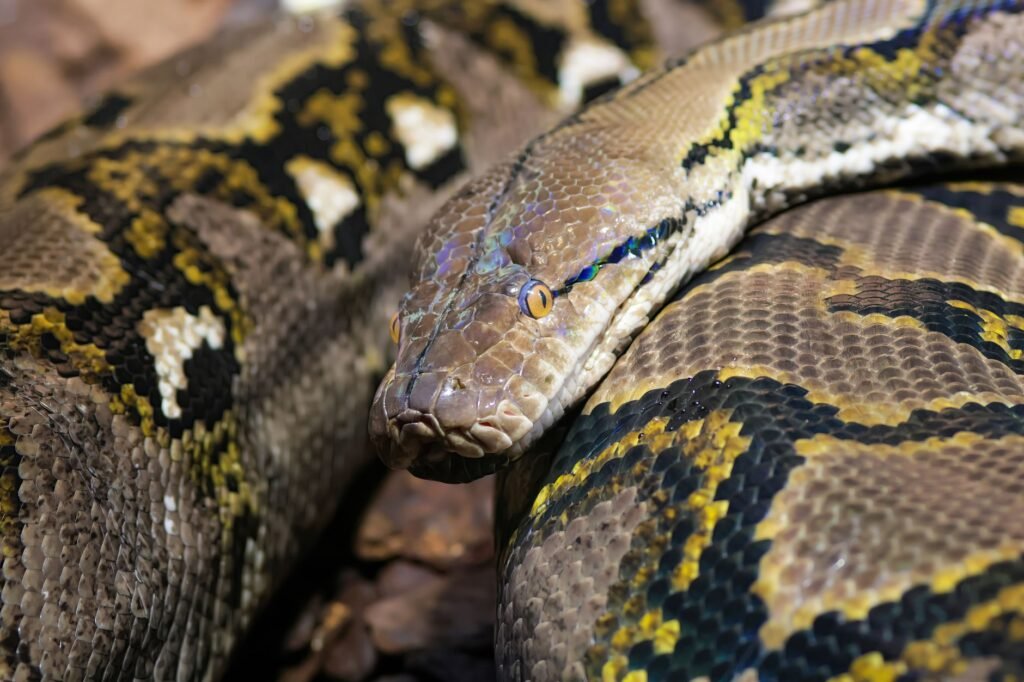
The English word python comes from Latin python, which in turn derives from Greek πύθων (python). In ancient Greek usage, Python was also the name of a mythical serpent associated with Delphi, slain by Apollo. The zoological use of the term later became attached to the large constricting snakes now placed in the family Pythonidae.
The name does not describe a specific species in origin; rather, it became a general term for a class of large snakes. Modern scientific classification uses python for members of a distinct family of non-venomous constrictors, while many local and regional names exist across their wide range.
Historical Context
Pythons have been known to human communities for thousands of years, especially in tropical regions where people and snakes have long shared landscapes. Their historical significance is shaped by several factors:
- Ecological visibility: Pythons are among the largest snakes in the world, making them hard to ignore.
- Predatory behavior: They prey on mammals, birds, and reptiles, sometimes including animals important to human livelihoods.
- Cultural symbolism: In many traditions, serpents symbolize wisdom, danger, rebirth, fertility, or the boundary between life and death.
- Religious association: In parts of Africa and Asia, pythons have been linked to deities, ancestor spirits, rain, or guardianship.
European naturalists encountered pythons through exploration and colonial-era collecting, which helped bring them into Western zoological literature. At the same time, local knowledge systems often recognized these snakes as spiritually significant long before scientific classification.
Main Characteristics
Pythons share several identifying features that distinguish them from many other snakes.
Physical Traits
- Large, muscular bodies built for constriction.
- Non-venomous killing method: they subdue prey by wrapping and squeezing.
- Heat-sensitive labial pits in many species, which help detect warm-blooded prey.
- Infraliving, adaptable scales that aid movement and camouflage.
- Relatively primitive skull structure compared with some other snake groups, allowing strong jaw flexibility.
Behavior
Pythons are usually ambush predators. They remain still and strike quickly when prey is within reach. After capturing prey, they coil around it and exert pressure until the animal suffocates or circulatory function fails. This behavior has made the python a symbol of quiet, overwhelming power.
Reproduction
Unlike many reptiles, pythons lay eggs and often show notable parental care. Females of some species coil around the clutch and may use muscular contractions to generate warmth, a striking feature in reptilian biology.
Table: General Characteristics of Pythons
| Feature | Description |
|---|---|
| Scientific family | Pythonidae |
| Venom | None; kill by constriction |
| Habitat | Forests, grasslands, wetlands, rocky areas, and tropical regions |
| Diet | Mammals, birds, reptiles, and occasionally other vertebrates |
| Reproduction | Egg-laying |
| Distribution | Africa, Asia, and Australia |
| Notable traits | Large size, heat-sensing pits, strong camouflage, parental egg care in some species |
Family and Genealogy
In biological terms, pythons belong to the family Pythonidae. This family includes several genera and species, such as:
- Burmese python (Python bivittatus)
- Reticulated python (Malayopython reticulatus)
- African rock pythons (Python and related genera in older classifications)
- Green tree python (Morelia viridis)
- Carpet pythons (Morelia species)
Modern taxonomy has changed over time as genetic research has clarified relationships among species. As a result, some snakes formerly grouped broadly as pythons have been reassigned to related genera.
Because python is an animal, not a mythological personage in this article’s primary sense, “family and genealogy” refers to taxonomic relationships rather than parents or children in a human or divine genealogy.
Symbols
In cultural symbolism, the python has carried a wide range of meanings. These vary by region and era.
Common Symbolic Associations
- Power and strength: due to its muscular body and ability to overpower prey.
- Mystery and hidden danger: because it often moves silently and can strike unexpectedly.
- Fertility and life force: in some African and Asian traditions, serpents are linked to abundance and renewal.
- Protection: in certain communities, pythons are seen as guardians or sacred beings.
- Transformation and renewal: because snakes shed their skin, they are often associated with rebirth.
Objects and Visual Motifs
In art and ritual contexts, the python may be represented through:
- coiled serpent imagery
- snake-shaped staffs or ornaments
- carved or painted serpent forms
- ritual emblems associated with rain, earth, or ancestral power
Colors associated with pythons are usually not fixed universally, but green, brown, black, and gold commonly reflect the species’ natural appearance or symbolic links to earth, vitality, and hidden energy.
Sacred Animals
In many cultures, the python itself is sacred or semi-sacred. It may be associated with other animals through symbolic contrast or shared meaning.
Associated Animals
- Birds: often prey, but also symbols of sky and freedom in contrast to the earthbound snake.
- Rodents and small mammals: important components of the python’s diet and thus part of its ecological role.
- Crocodiles and large reptiles: sometimes linked in myth as powerful creatures of water and earth.
- Dogs and livestock: in some folk traditions, animals protected from or threatened by pythons become part of ritual or taboo systems.
In some African religious contexts, the python is revered as a sacred animal connected to deities or ancestral forces. In such traditions, harming a python may be taboo or require ritual explanation.
Sacred Plants
There are no universal sacred plants associated with the python across all traditions. However, in some cultural systems where the snake is revered, plants may share symbolic connections with fertility, healing, or earth power.
Commonly Linked Plant Themes
- Trees and groves: pythons are often imagined in forested or hidden spaces, giving trees symbolic importance.
- Sacred herbs: used in healing or purification rituals where serpent symbolism appears.
- Climbing vines and roots: sometimes associated with the snake’s coiled body and earthbound presence.
In many local traditions, plant associations are highly specific and should not be generalized. They usually depend on regional ritual practice rather than a universal python cult.
Sacred Places
Pythons live in a wide range of habitats, but certain places are especially important in religious or mythological traditions.
Natural Habitats
- Tropical forests
- Savannas and grasslands
- Swamps and wetlands
- Rocky hills and river edges
- Tree canopies in arboreal species
Cultural and Sacred Sites
In some traditions, the python is associated with:
- shrines and sacred groves
- riverbanks and water sources
- ancestral temples
- kingdoms or ceremonial centers where snake cults developed
A well-known historical example is the Dahomey region in West Africa, where serpent veneration played an important role in religious life. In India and Southeast Asia, pythons may also be encountered in sacred landscapes shaped by broader serpent worship traditions, though beliefs and practices differ widely by community.
Powers and Attributes
In mythology and folklore, the python is often attributed powers that reflect its real biology and human interpretations of it.
Symbolic Powers
- Constricting force: a metaphor for irresistible control or hidden strength.
- Earth connection: serpents are often linked to the ground, caves, burrows, and underworld imagery.
- Protection of sacred space: some traditions view pythons as guardians.
- Rain and fertility influence: in parts of Africa and elsewhere, large snakes are associated with life-giving forces.
- Shape-shifting or spiritual mediation: in some folk systems, snakes can serve as intermediaries between worlds.
Real Biological Attributes
- exceptional camouflage
- strong sensory awareness
- powerful muscular constriction
- relatively slow, deliberate movement
- ability to consume large prey relative to head size
These practical traits likely contributed to the python’s elevated symbolic status in human cultures.
Main Myths
The python appears in many myths and legends, though stories vary widely by region. Several recurring themes are especially important.
The Delphic Python
In Greek mythology, Python was a monstrous serpent or dragon associated with Delphi. According to later versions of the story, Apollo killed the serpent and took control of the oracle site. This myth became central to the symbolic association between the name python and serpent imagery in the classical world.
Different ancient sources and later authors present the story in slightly different ways, especially regarding Python’s origin and relationship to Gaia or the earth. The broad theme, however, is consistent: Apollo’s victory marks the replacement of older chthonic power by a new divine order.
African Serpent Traditions
In several African traditions, pythons are linked with fertility, protection, or divine presence. Some communities treat them as sacred animals and integrate them into ritual systems. In such traditions, the python may symbolize continuity with the ancestors, rainmaking power, or the life of the land.
Serpent as Guardian or Threat
Across world folklore, large snakes often appear as either:
- guardians of treasure, water, or sacred knowledge
- dangerous creatures threatening people and livestock
- liminal beings between wilderness and civilization
The python fits these patterns well because it is both physically impressive and ecologically important.
Relationship with Other Mythological Figures
Although the python is not always a named divine person in myth, it interacts strongly with gods, heroes, and sacred figures.
In Greek Tradition
The most famous relationship is with Apollo, who defeats Python at Delphi. The story expresses a larger mythic pattern in which a younger deity overcomes an older earth-associated power. The serpent may also be linked in some accounts to Gaia, the Earth, or to older local cults at Delphi.
In African Religious Traditions
In some West African belief systems, the python is linked to deity concepts, ancestral power, or spiritual guardianship. It may not be a “mythological figure” in the Greco-Roman sense, but it can function as a sacred presence related to gods, priests, and ritual specialists.
Comparative Mythology
In a broad cross-cultural sense, pythons resemble other serpent figures found in myth, such as:
- world snakes
- rain serpents
- underworld guardians
- fertility serpents
These parallels do not imply a single origin, but they show how humans repeatedly attach symbolic meaning to large snakes.
Worship and Cult
Worship of pythons has existed in some local traditions, though practices vary significantly.
Forms of Reverence
- Taboos against killing or harming the snake
- Offering food or ritual acknowledgment
- Shrine maintenance in places where pythons are believed to dwell
- Priestly or ancestral mediation involving serpent symbolism
- Festivals or ceremonies tied to fertility, rain, or protection
Cultural Examples
In some West African communities, serpent reverence has been historically documented as part of local religion. Such practices may include treating pythons as sacred and recognizing them as emblems of divine order or ancestral presence.
In South Asia and Southeast Asia, snake worship more broadly is widespread, though this often centers on nāga traditions rather than pythons specifically. It is important not to confuse the python with all serpent cults, since ritual significance differs by species and region.
Ancient Sources
The python appears in classical literature primarily through the Greek myth of Delphi and through later mythographic and travel-writing traditions.
Important Ancient and Classical Sources
- Hesiod: early Greek mythic traditions, though not always with detailed serpent narratives.
- Homeric and Homeric-style material: broader divine contexts relevant to Apollo and sacred places.
- Apollodorus: later mythographic summaries that preserve versions of the Python story.
- Pausanias: invaluable for descriptions of Greek sanctuaries, local cults, and regional traditions.
- Ovid: retells Greek myths in Roman literary form, including serpent-related episodes.
- Herodotus: useful for broader ancient observations about foreign lands and customs, including serpent-related ethnographic material.
Because ancient authors often preserved differing local traditions, no single source should be treated as the only authoritative account. The Delphic Python in particular appears through layered mythic retellings rather than one fixed narrative.
Roman Equivalent
There is no exact Roman equivalent of the python as a distinct sacred animal or mythic being. However, Roman culture adopted and adapted Greek mythological traditions, including the story of Apollo and Python.
In Roman literature, the serpent often appears as a symbol of:
- divine power
- household protection
- danger and chaos
- healing and renewal
Romans also encountered and described large snakes from abroad, but their cultural treatment of pythons was strongly influenced by Greek mythology and later natural history.
Influence on Modern Culture
The python remains highly visible in modern culture, both as a real animal and as a symbolic figure.
In Literature and Art
Pythons appear in:
- adventure stories
- wildlife writing
- fantasy literature
- visual art emphasizing wilderness, danger, or ancient mystery
The snake’s coiling form makes it a powerful artistic motif, often used to suggest tension, threat, or hidden energy.
In Film and Television
Pythons are common in documentaries and wildlife programs. In fiction, they often appear in jungle adventure narratives, survival stories, or horror films where the snake becomes a dramatic encounter with the natural world.
In Games and Popular Media
The python’s image is used in:
- video game monsters or animal encounters
- fantasy world-building
- logos and mascots
- educational wildlife content
In Science and Conservation
Modern interest in pythons is shaped not only by symbolism but also by ecology and environmental policy. Some species are admired for their evolutionary adaptations, while others are controversial as invasive species in places outside their native range, especially where introduced populations threaten local ecosystems.
Curiosities
- Pythons are among the few snakes that provide some form of maternal care, especially by guarding eggs.
- The reticulated python is widely considered one of the longest snake species in the world, though exact record claims can vary.
- Some pythons possess heat-sensing pits that help them detect warm prey in darkness.
- The Delphic serpent Python in Greek myth is not the same as any single modern species, but the name helped shape the snake’s cultural reputation.
- Pythons can swallow prey much larger than their heads because of highly flexible jaws and expandable body structures.
- In some places, pythons are protected by law, while in others they are considered invasive or dangerous, showing how human attitudes differ sharply across regions.
Frequently Asked Questions
1. What is a python?
A python is a large non-venomous snake in the family Pythonidae, known for killing prey by constriction.
2. Where do pythons live?
Pythons are native to Africa, Asia, and parts of Australia, where they inhabit forests, grasslands, wetlands, and other warm environments.
3. Are pythons dangerous to humans?
Most species avoid people, but large pythons can be dangerous if threatened, cornered, or very large. Human attacks are uncommon but possible.
4. How do pythons kill prey?
Pythons bite and wrap their bodies around prey, constricting until the animal can no longer breathe or maintain circulation.
5. Do pythons lay eggs?
Yes. Pythons are egg-laying snakes, and some species guard their eggs carefully.
6. Why are pythons important in mythology?
Pythons symbolize power, earth forces, fertility, protection, and hidden danger in many cultures. In Greek myth, the Python at Delphi was famously defeated by Apollo.
7. What is the difference between a python and a boa?
Both are constrictors, but they belong to different snake families and have different distributions and anatomical features. Pythons are found in the Old World, while boas are more broadly associated with the Americas and other regions.
8. Are all large snakes called pythons?
No. Many large snakes are not pythons. Scientific classification depends on family and genus, not size alone.
Conclusion
The python is both a remarkable snake and a powerful cultural symbol. As a biological species group, pythons are skilled constrictors with distinctive sensory adaptations, complex reproductive behavior, and major ecological roles. As mythic and symbolic beings, they have represented earth power, sacred presence, danger, fertility, and transformation across many traditions.
From ancient Greek narratives about Delphi to African religious reverence and modern wildlife science, the python has remained a creature of enduring significance. Its place in human thought reflects a broader pattern: large wild animals often become mirrors for human fears, values, and attempts to understand the natural world.

Orin Vale has spent the better part of two decades tracing the threads that connect the world’s oldest stories — from the halls of Asgard to the banks of the Nile, from Olympus to the jungles of the Maya. What began as a childhood fascination with flood myths and trickster gods grew into years of independent study across comparative mythology and ancient religion, always chasing the same question: what did these stories mean to the people who first told them? Orin writes for readers who want more than trivia — the ones looking for the beliefs, fears, and truths that myths were built to carry.