serpent symbolism
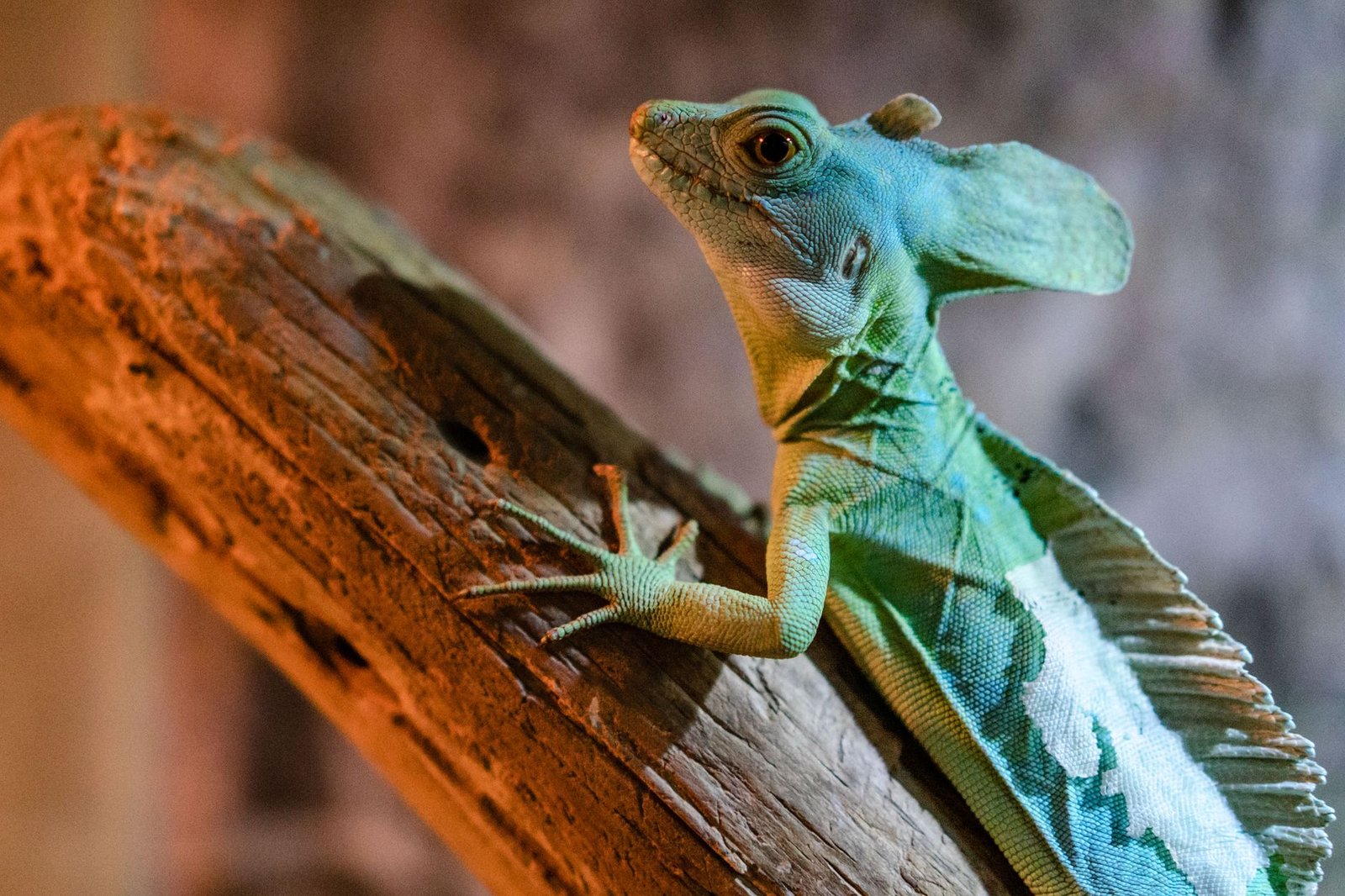
Roman Basilisk: History, Myth, and Symbolism
The Roman basilisk was not a formal deity, but a legendary serpent absorbed from Greek lore into Roman literature, natural history, and moral writing. Famous for its lethal gaze and royal name, the Roman basilisk reveals how antiquity blended observation, myth, and wonder in describing the world’s most feared creatures.
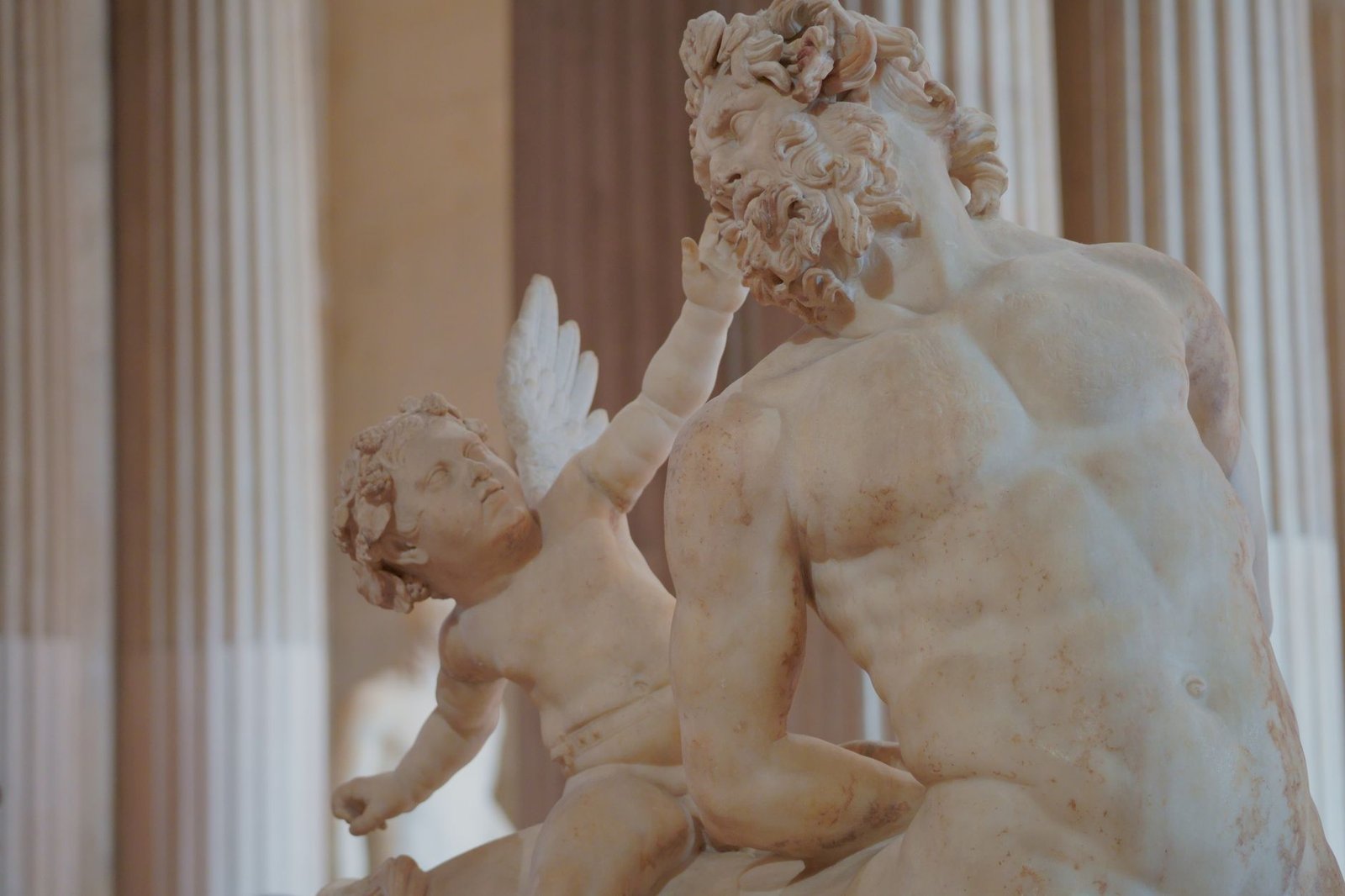
Ladon: Greek Mythology Dragon and Guardian of the Apples
Ladon is the many-headed serpent or dragon of Greek mythology, famed for guarding the golden apples in the Garden of the Hesperides and for appearing in the stories of Heracles, Atlas, and the boundary between mortal and divine realms. His shifting portrayals in myth and art reveal a powerful ancient symbol of vigilance, danger, and the challenge of reaching what is sacredly protected.
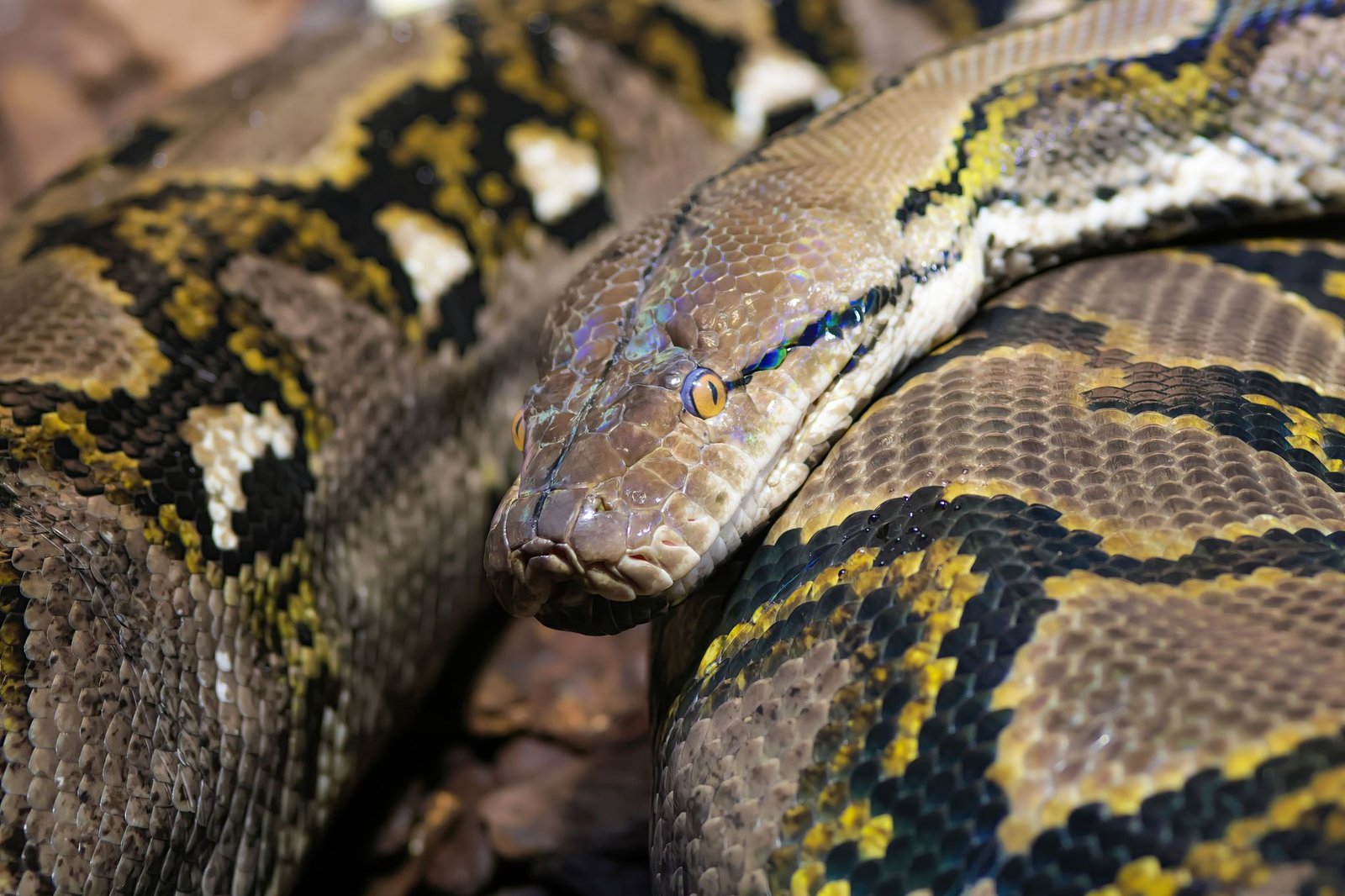
Python: Definition, History, and Key Facts
The python is a large non-venomous snake found across Africa, Asia, and parts of Australia, notable for its immense strength, heat-sensing abilities, and method of subduing prey by constriction. Long woven into folklore, religion, and natural history, the python also plays a significant ecological role, and its diverse species reveal much about both evolution and human perceptions of snakes.
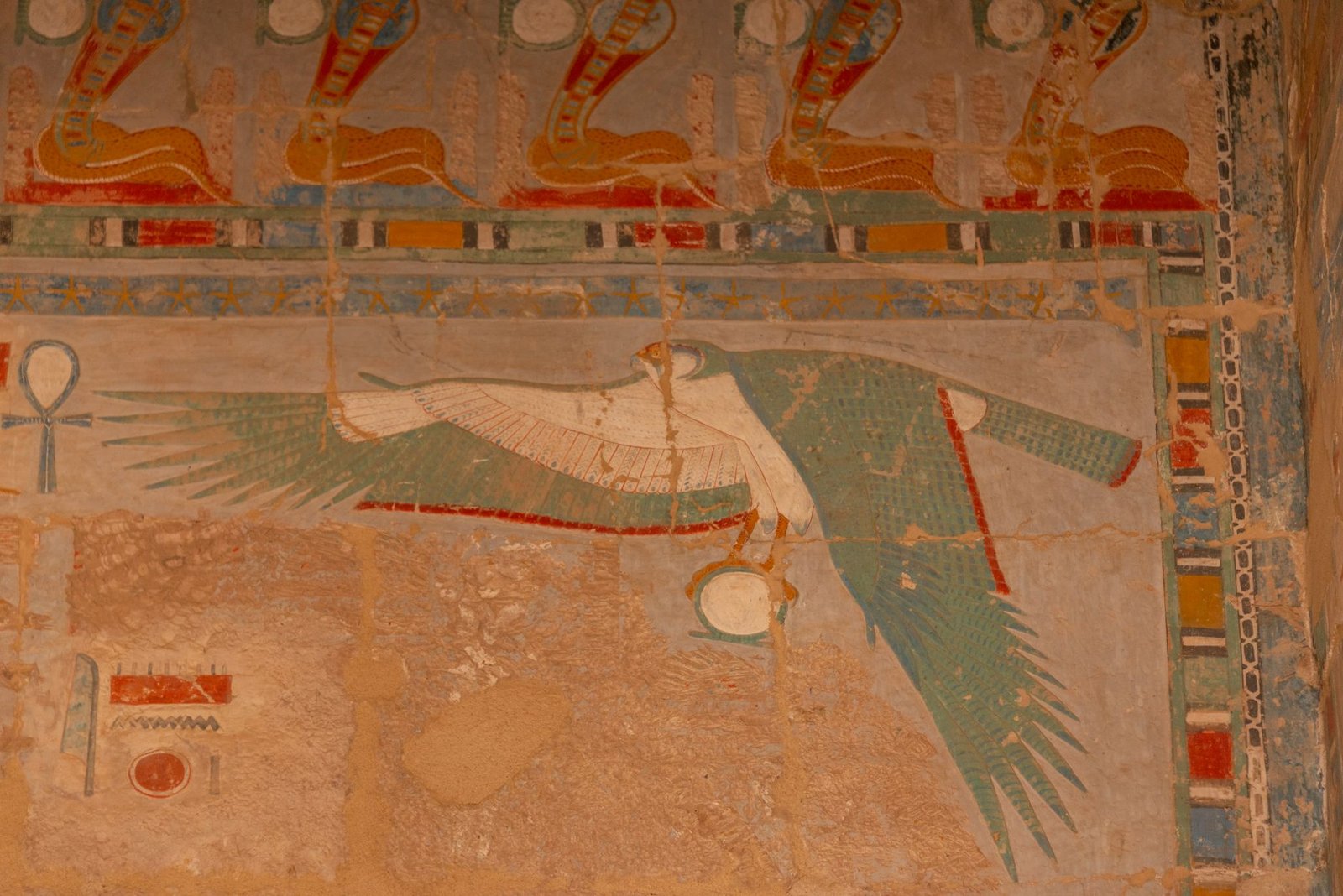
Who Is Apep in Egyptian Mythology? Meaning and Role
Apep in Egyptian mythology is the great serpent of chaos, darkness, and cosmic disruption, better known in Greek as Apophis and feared as the eternal enemy of Ra. Exploring who Apep is reveals how the ancient Egyptians explained the nightly struggle between order and disorder, and why his threat mattered so deeply to their view of the universe.