culture and traditions
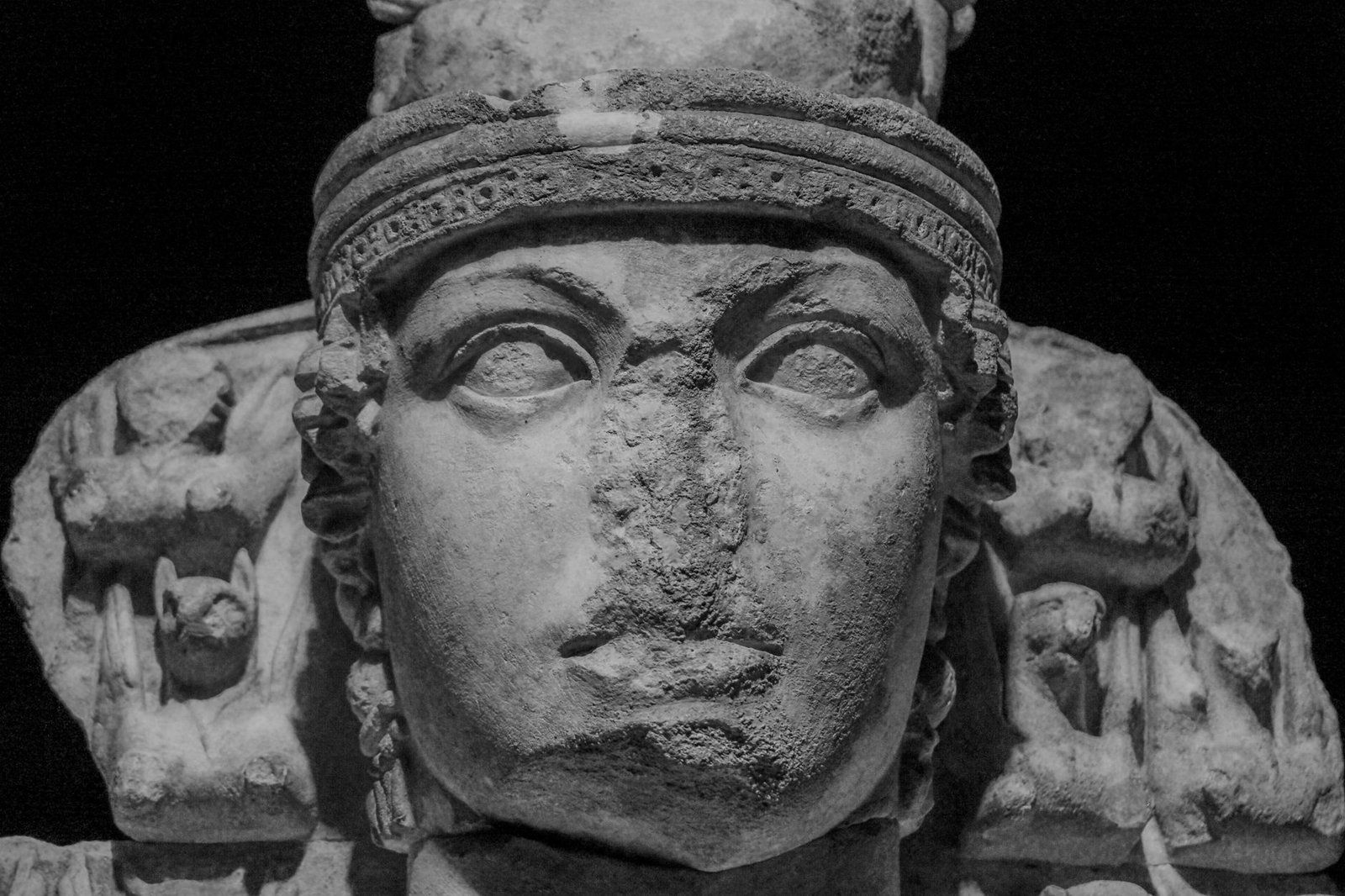
Vesta: Roman Goddess of the Hearth and Home
Vesta was the Roman goddess of the hearth, the home, and the sacred fire, embodying the continuity that linked domestic life with the stability of the state. This article explores her ancient cult, the revered Vestal Virgins, and the ways Vesta’s ritual presence shaped Roman religion, offering insight into a deity whose quiet significance reveals much about public and private piety in Rome.
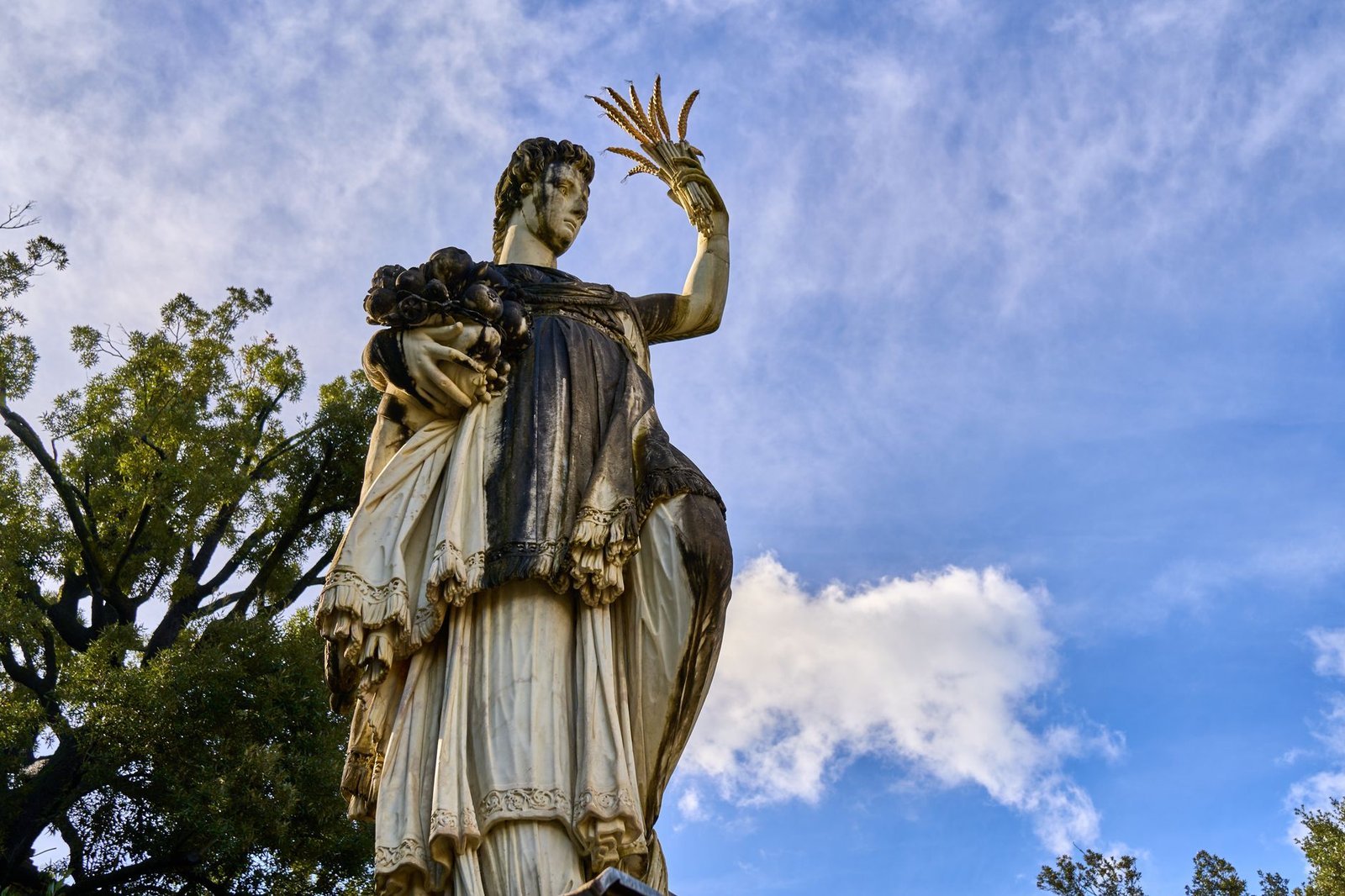
Pomona: Meaning, History, and Cultural Significance
Pomona is the Roman goddess of fruit trees, orchards, and cultivated abundance, a divinity whose name comes from *pomum*, the Latin word for fruit. Though less prominent than the gods of war or empire, she reveals how Roman religion valued the careful transformation of nature into productive order, a theme made vivid in Ovid’s *Metamorphoses*.
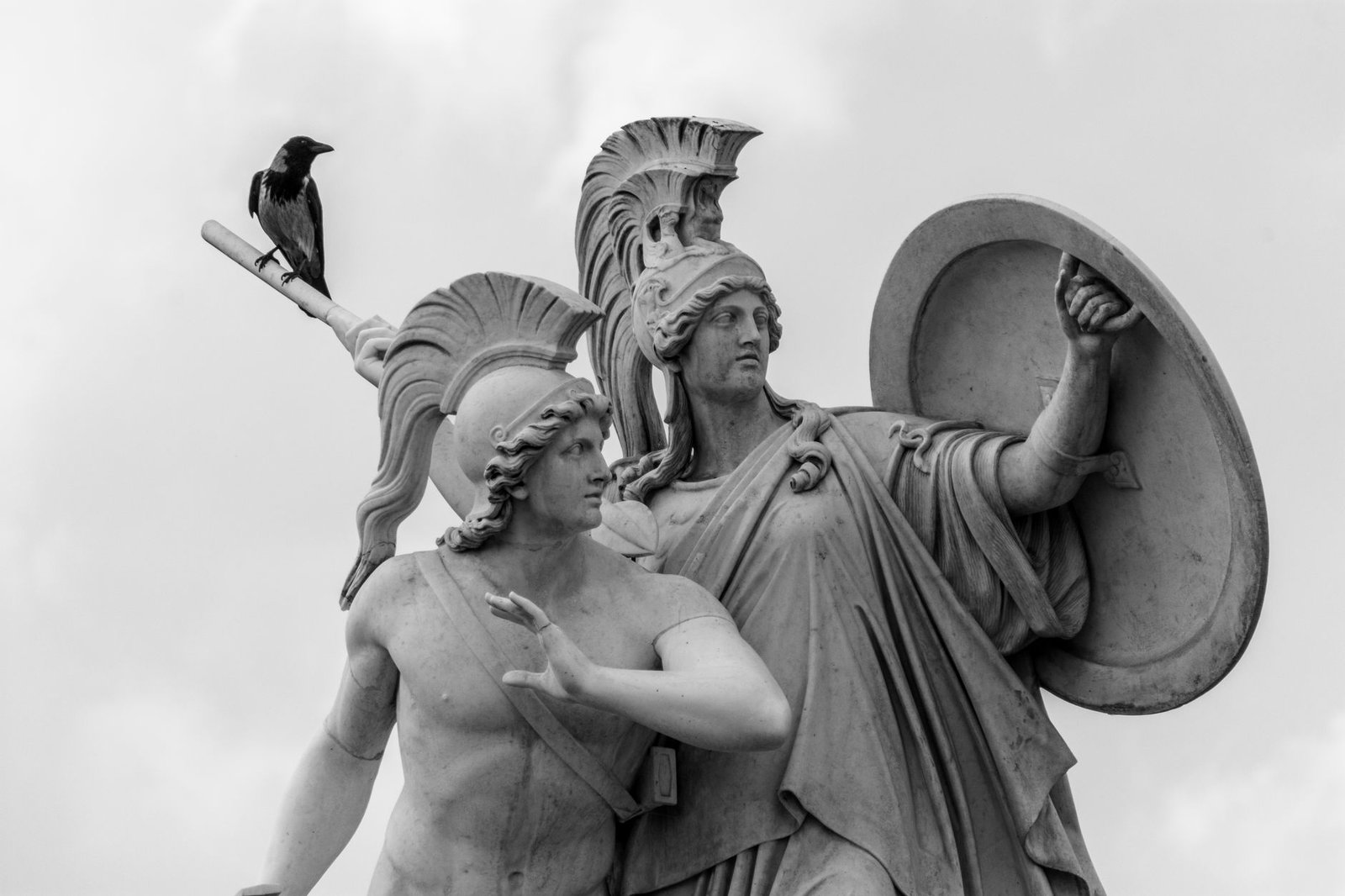
Apollo: Greek God of Music, Poetry, and Sun
Apollo is one of the most enduring figures in Greco-Roman mythology, revered as the god of prophecy, music, healing, and archery. His cult at Delphi and Delos, along with his complex role as both benefactor and punisher, reveals why Apollo remained a powerful symbol of order, harmony, and divine authority across ancient and later Western culture.
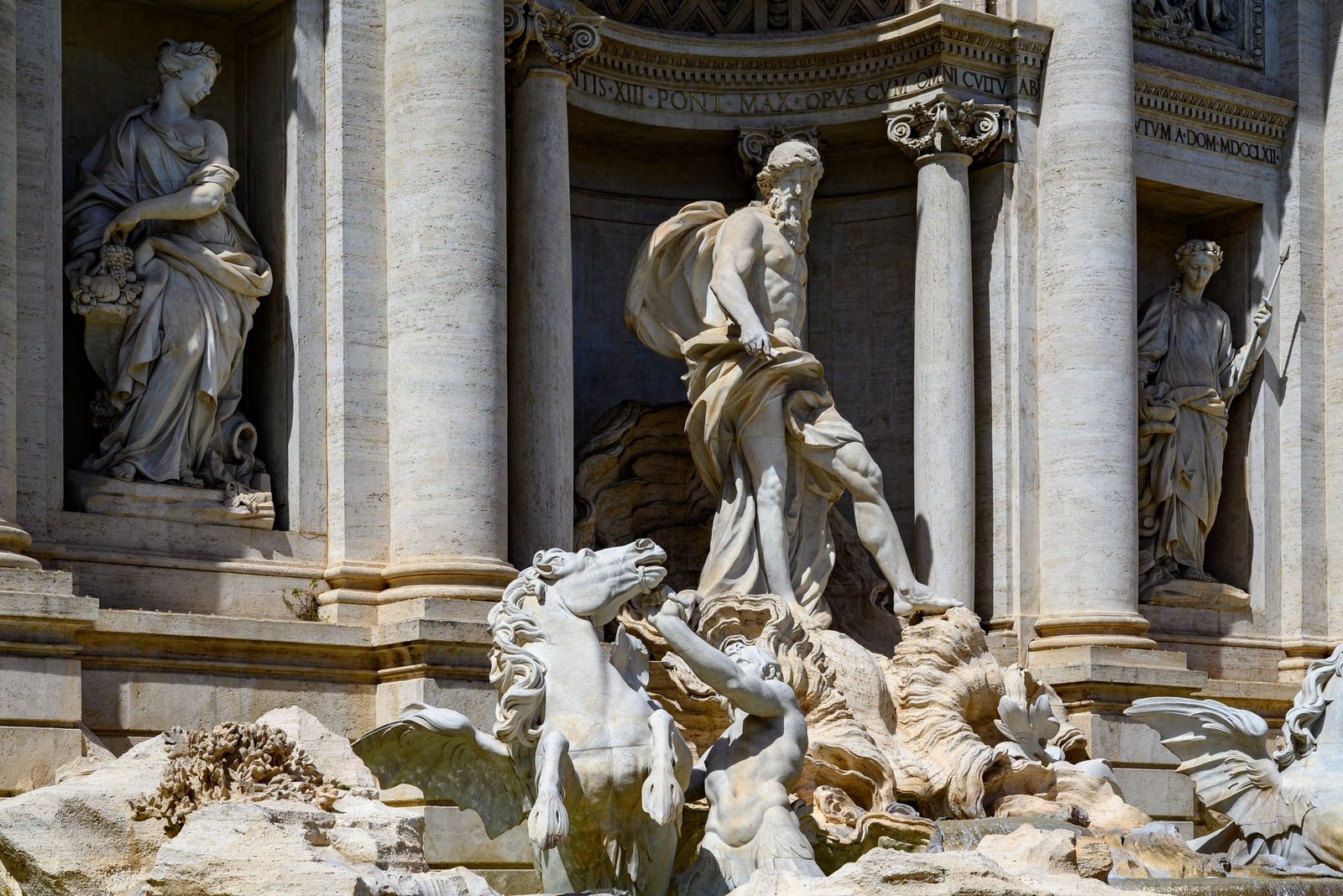
Sol: Meaning, Origin, and Cultural Significance
Sol is the Roman personification of the Sun, embodying daylight, cosmic order, and the steady cycle of time in ancient religion. From early solar worship to the rise of Sol Invictus under the Empire, his story reveals how Romans linked celestial power with myth, ritual, and political symbolism.
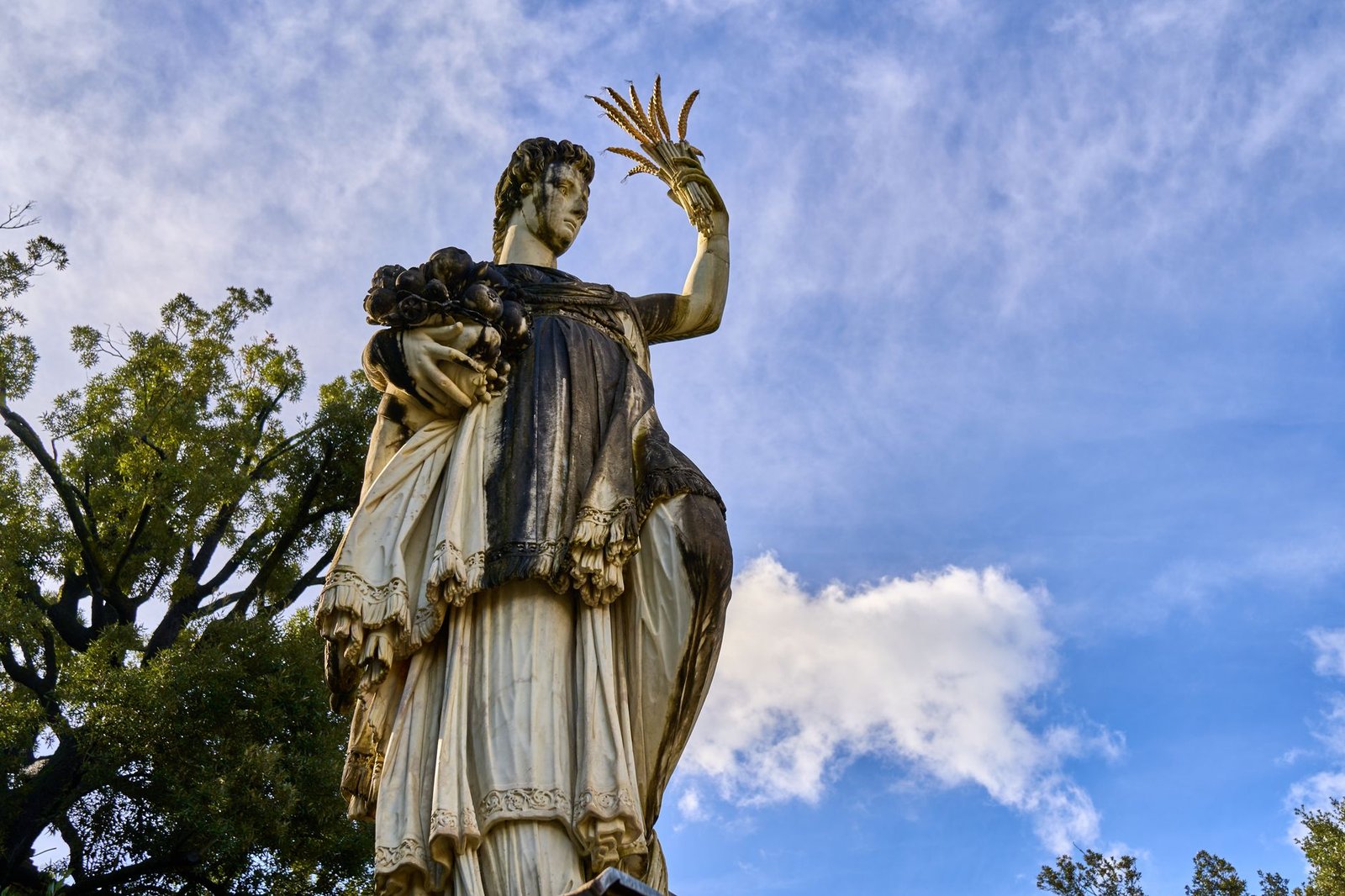
Ops: Definition, Meaning, and Uses in Computing
Ops is the Roman goddess of abundance, agricultural wealth, and the earth’s productive power, revered for the fertility, harvest, and prosperity that sustained Roman life. Closely linked with Saturn and the seasonal cycle, she also appears in rituals and festivals that reveal how deeply agriculture shaped Roman religion and civic identity.

The Twelve Dii Consentes: Roman Gods and Goddesses
The Twelve Dii Consentes were the principal gods of Roman religion, a prestigious council of twelve deities broadly aligned with the Greek Olympians but shaped by Roman custom and political life. This article traces their origin, meaning, and changing composition, showing how these gods reflected Roman ideas of divine order, public worship, and cultural adaptation.
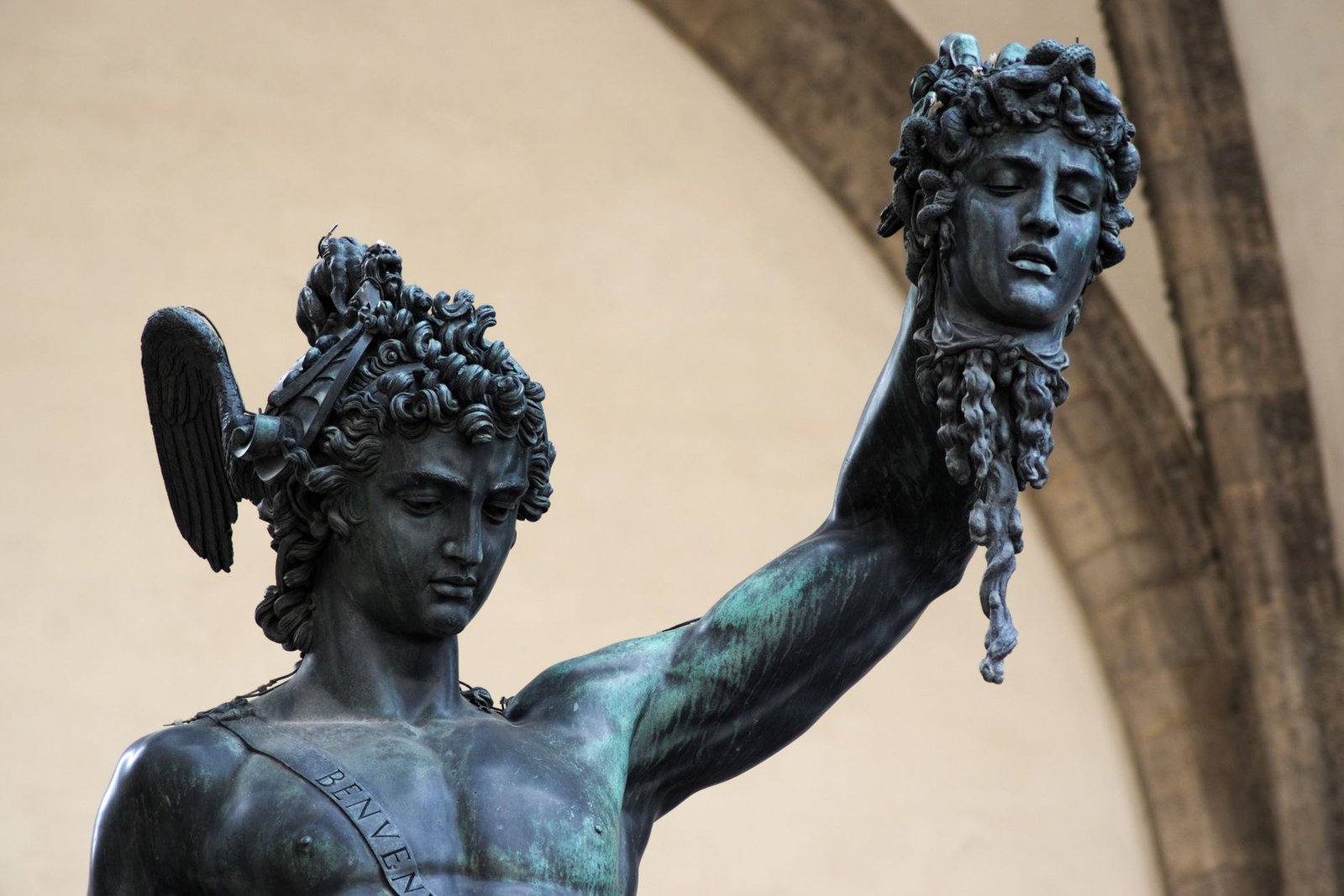
Gorgoneion: Meaning, Symbolism, and Ancient Greek Art
The Gorgoneion, the striking image of a Gorgon’s head most often linked to Medusa, served in ancient Greece and Rome as a potent apotropaic symbol meant to repel evil and protect against harm. Found on armor, temples, coins, and jewelry, it reveals how a terrifying mythic face became one of antiquity’s most enduring emblems of power and protection.

Ariadne’s Thread: Meaning, Origin, and Symbolism
Ariadnes Thread is a lasting motif from Greek mythology, referring first to the thread Ariadne gives Theseus so he can escape the Labyrinth after defeating the Minotaur. In later European culture, it came to mean any clue, guiding principle, or method that helps readers, thinkers, or investigators find their way through complexity.

Caduceus vs Staff of Asclepius: Meaning and Differences
The **Caduceus vs Staff of Asclepius** distinction is a classic case of symbol confusion: one belongs to Hermes, the messenger and patron of commerce, while the other is the ancient emblem of healing linked to Asclepius. Exploring their origins, imagery, and later misuse reveals how a single visual detail can reshape meanings across medicine, mythology, and modern culture.

Why Do Gods Have Their Own Symbols? Meaning Explained
Across world mythologies, the question of why does every god have their own symbols reveals how ancient cultures made the divine visible, memorable, and distinct. From thunderbolts and tridents to lotuses and swords, these signs encoded a god’s powers, role, and identity while shaping worship, art, and storytelling.