culture and traditions
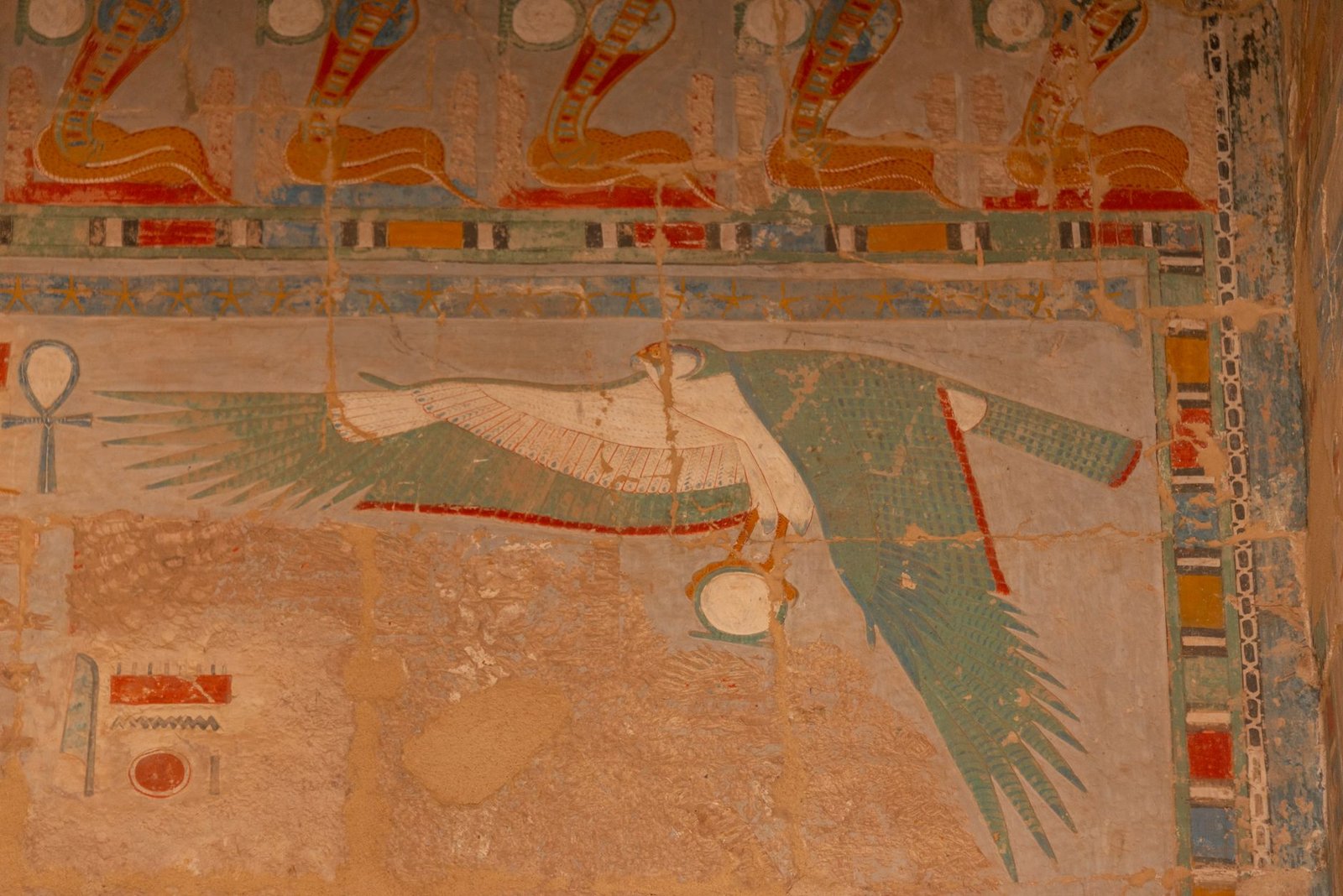
Who Is Neith in Egyptian Mythology? A Guide
Neith in Egyptian mythology is one of the oldest and most complex goddesses, blending roles as creator, warrior, weaver, and guardian across millennia of worship. This overview traces her shifting symbolism, major cult center at Sais, and the meanings ancient Egyptians and later Greek writers drew from her enduring presence.
Renenutet in Egyptian Mythology: Goddess of Harvest
Renenutet in Egyptian mythology is a goddess of nourishment, harvest, fertility, and protection, closely tied to grain, granaries, and the life-giving force of food. This article traces her name, origins, and evolving role in religion and society, revealing how a lesser-known deity came to symbolize both sustenance and safeguarding.
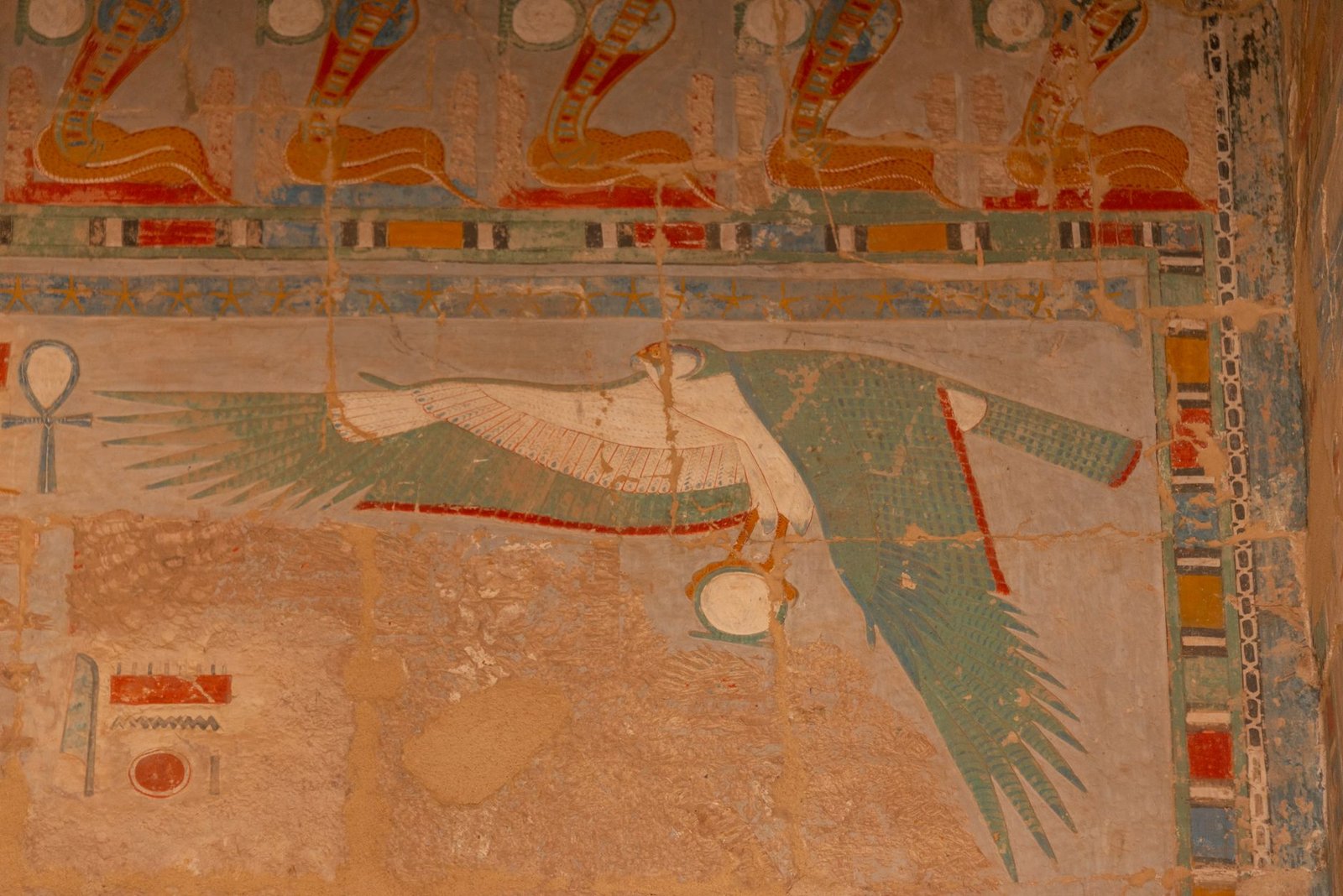
Who Is Hapi in Egyptian Mythology? Meaning and Role
Who is Hapi in Egyptian mythology? He is best known as the benevolent god of the Nile’s annual flood, a deity tied to fertility, abundance, and the renewal that made Egyptian civilization possible. This article explores his role, symbolism, and the reasons his name also appears in other religious contexts.
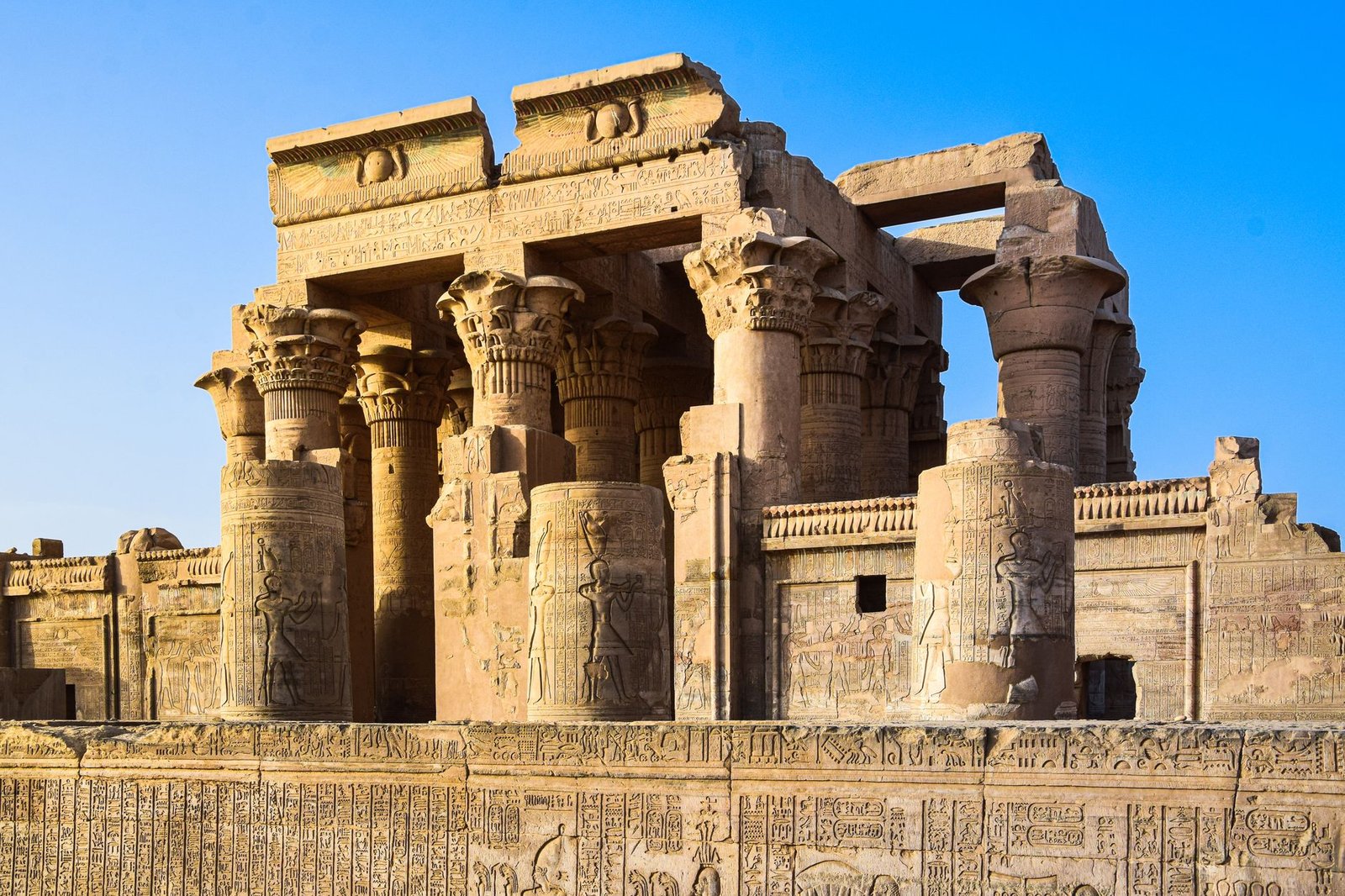
Who Is Sobek in Egyptian Mythology? God of the Nile
Sobek is a major figure in Egyptian mythology, usually depicted as a crocodile or a man with a crocodile head, and linked to the Nile, fertility, protection, and formidable natural power. His changing roles across regions and eras reveal why this ancient god mattered so deeply to Egyptian religion, kingship, and daily life.
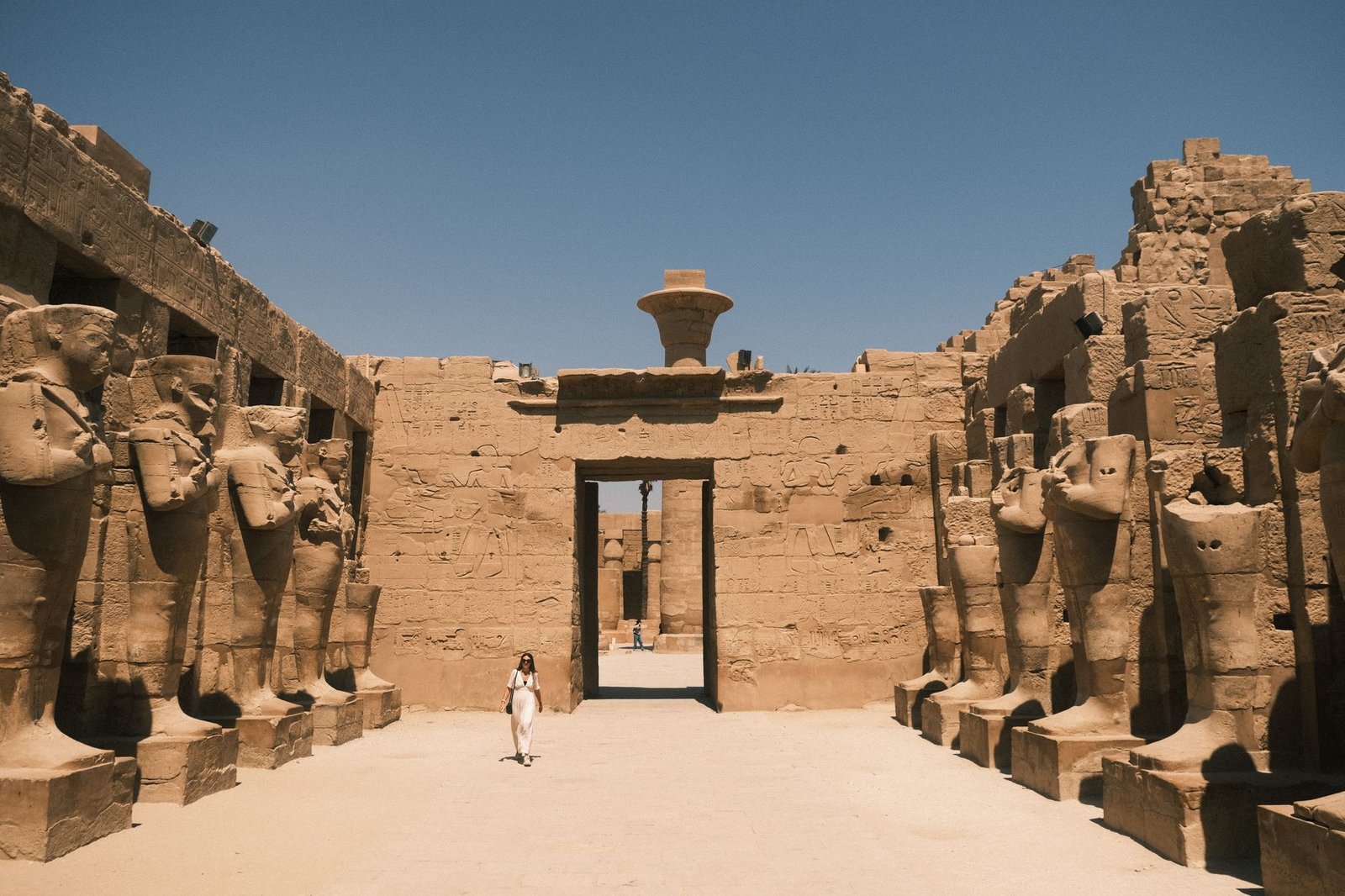
Who Is the King of the Egyptian Gods? A Clear Answer
In ancient Egyptian religion, the question of who is the king of the Egyptian gods usually points to Amun-Ra, the powerful fusion of Amun and Ra that came to symbolize divine kingship in the New Kingdom. Yet the answer shifts with time, place, and theology, revealing a complex pantheon where solar creation, hidden power, and royal legitimacy were often intertwined.
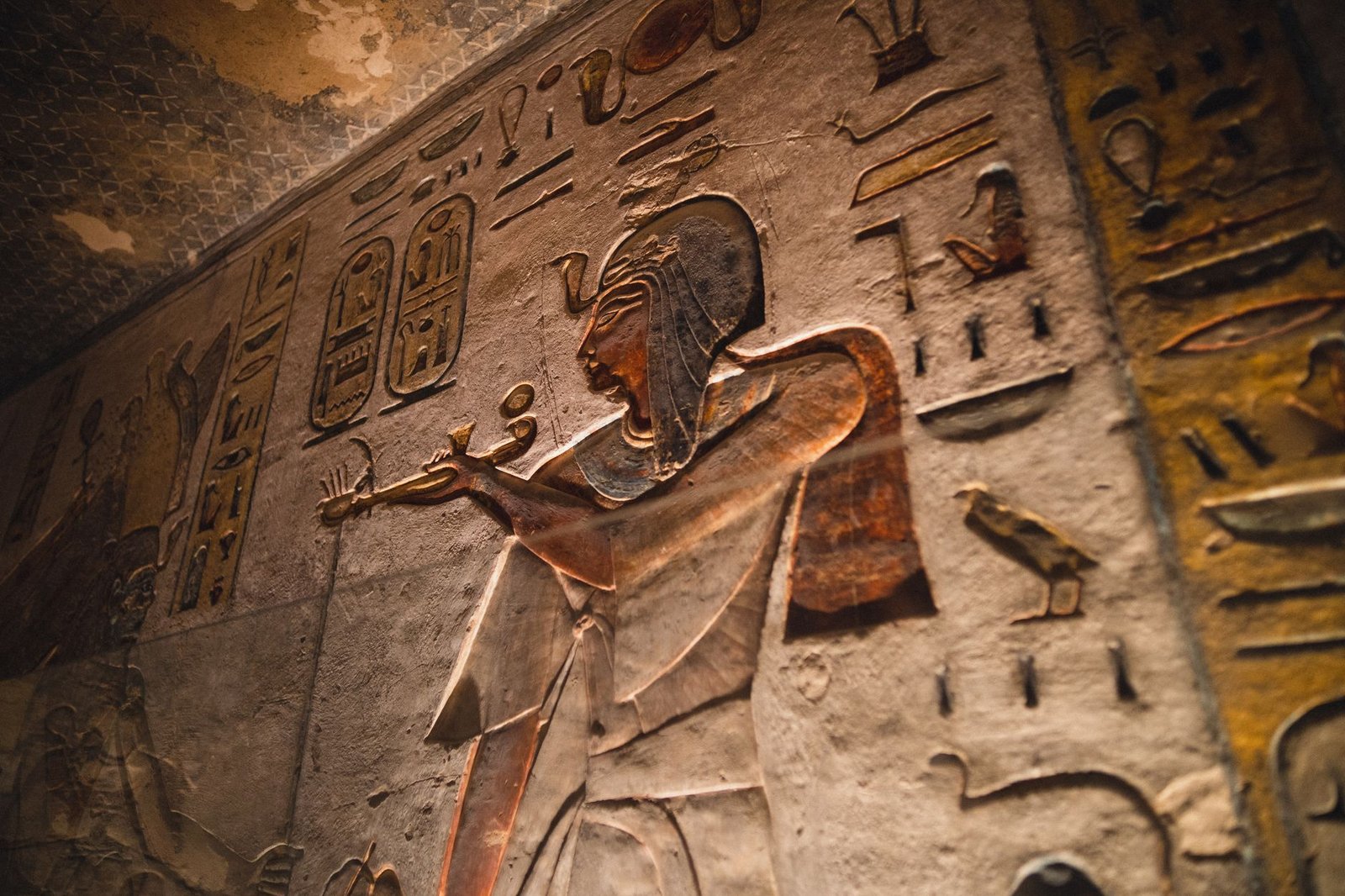
Why Do Egyptian Gods Have Animal Heads? Explained
Why do Egyptian gods have animal heads? Ancient Egyptian religion used animal-headed forms to express divine powers, natural forces, and ideal qualities through symbols drawn from everyday life and the Nile world. This article explains how these images developed, what animals like falcons and jackals represented, and why they remain central to understanding Egyptian beliefs.