culture and traditions

The Twelve Dii Consentes: Roman Gods and Goddesses
The Twelve Dii Consentes were the principal gods of Roman religion, a prestigious council of twelve deities broadly aligned with the Greek Olympians but shaped by Roman custom and political life. This article traces their origin, meaning, and changing composition, showing how these gods reflected Roman ideas of divine order, public worship, and cultural adaptation.
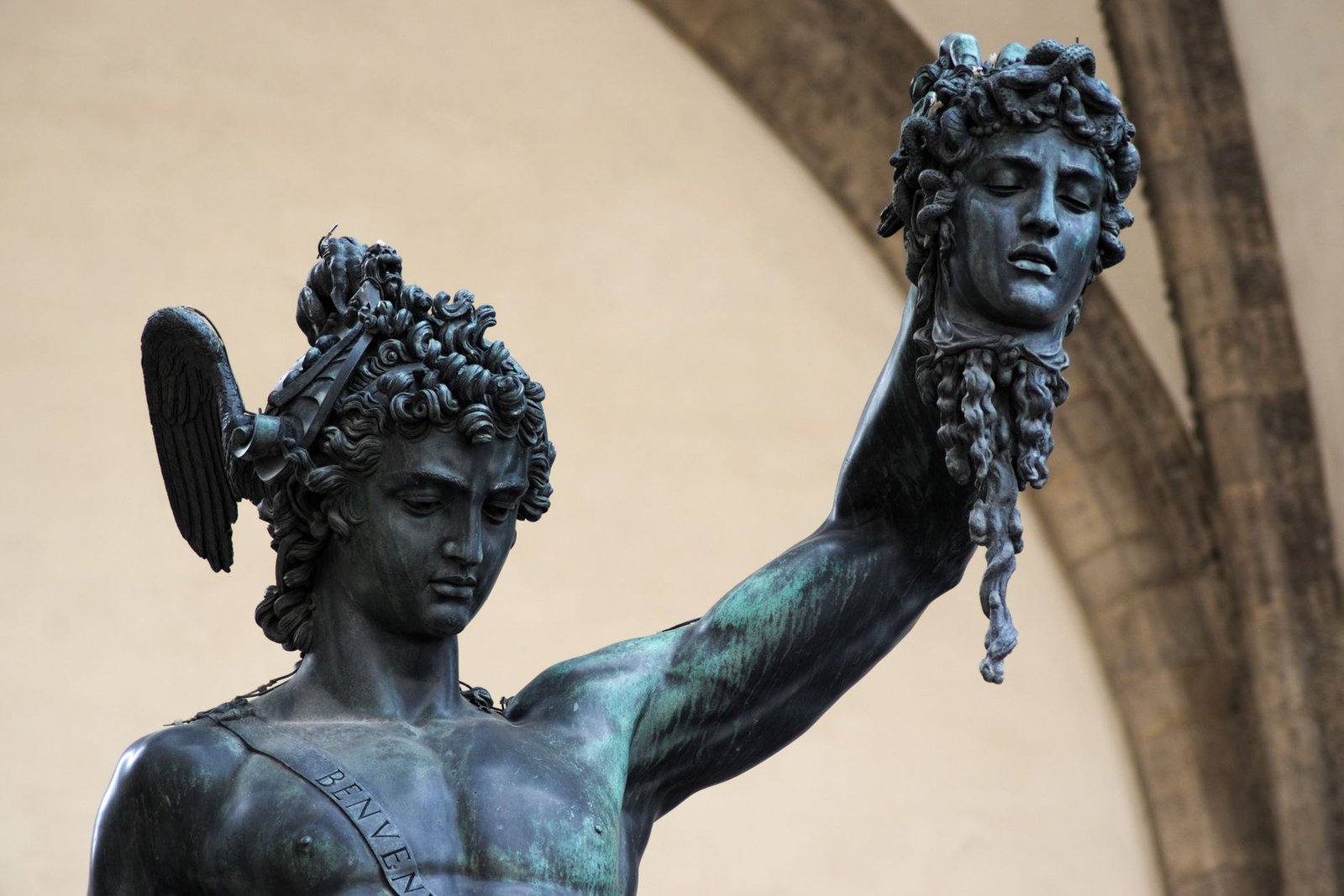
Gorgoneion: Meaning, Symbolism, and Ancient Greek Art
The Gorgoneion, the striking image of a Gorgon’s head most often linked to Medusa, served in ancient Greece and Rome as a potent apotropaic symbol meant to repel evil and protect against harm. Found on armor, temples, coins, and jewelry, it reveals how a terrifying mythic face became one of antiquity’s most enduring emblems of power and protection.
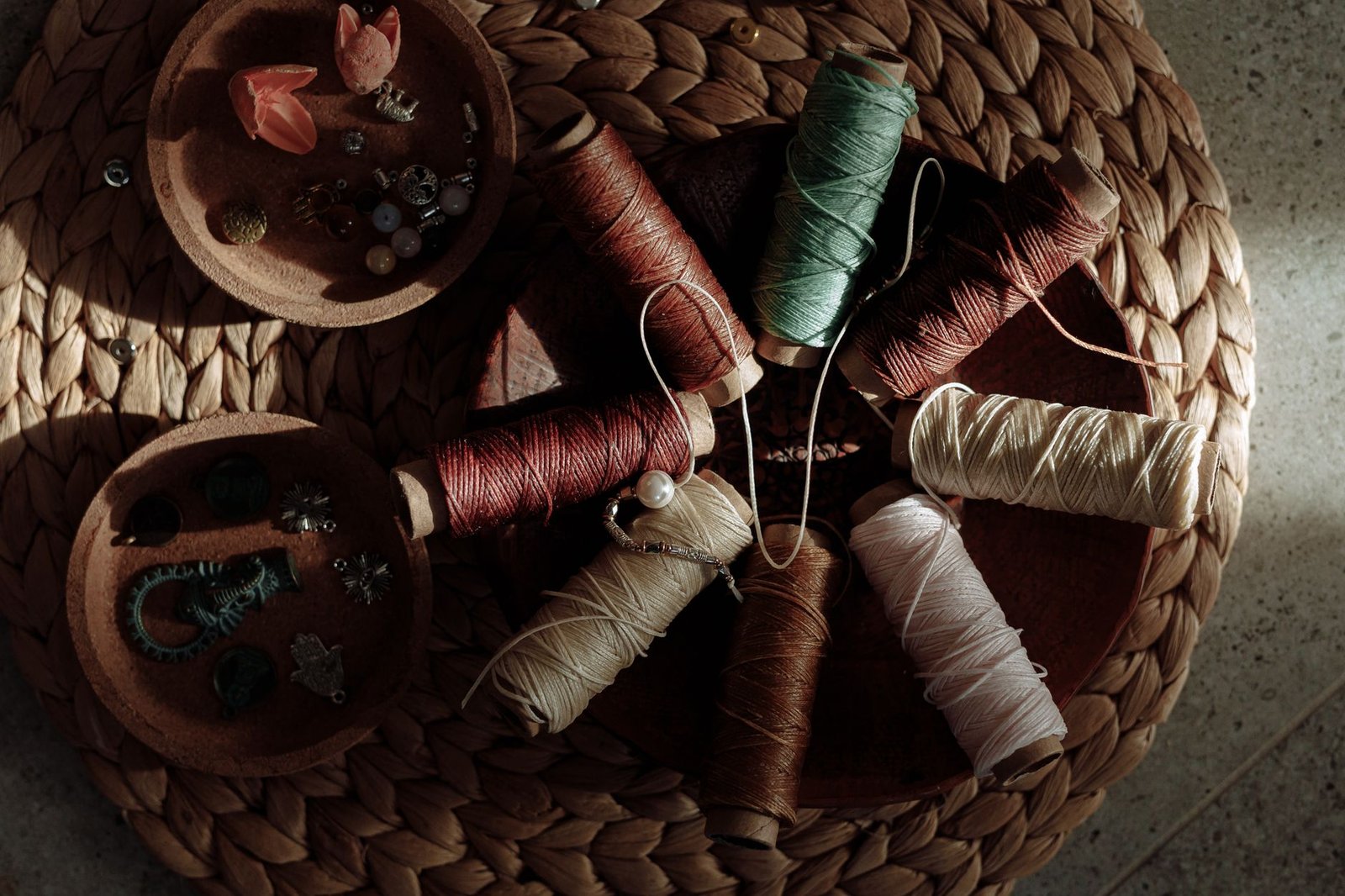
Ariadne’s Thread: Meaning, Origin, and Symbolism
Ariadnes Thread is a lasting motif from Greek mythology, referring first to the thread Ariadne gives Theseus so he can escape the Labyrinth after defeating the Minotaur. In later European culture, it came to mean any clue, guiding principle, or method that helps readers, thinkers, or investigators find their way through complexity.
Caduceus vs Staff of Asclepius: Meaning and Differences
The **Caduceus vs Staff of Asclepius** distinction is a classic case of symbol confusion: one belongs to Hermes, the messenger and patron of commerce, while the other is the ancient emblem of healing linked to Asclepius. Exploring their origins, imagery, and later misuse reveals how a single visual detail can reshape meanings across medicine, mythology, and modern culture.
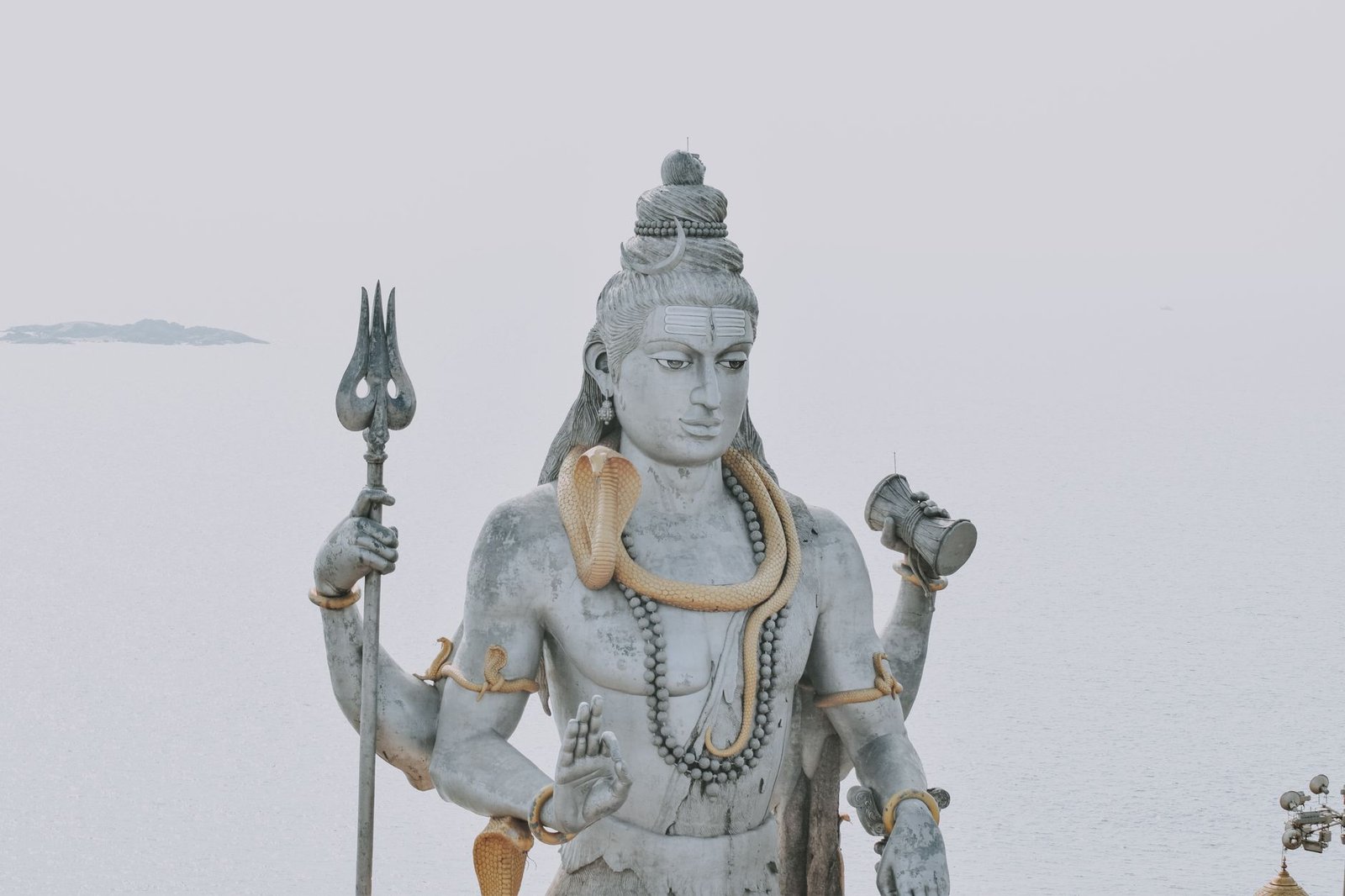
Why Do Gods Have Their Own Symbols? Meaning Explained
Across world mythologies, the question of why does every god have their own symbols reveals how ancient cultures made the divine visible, memorable, and distinct. From thunderbolts and tridents to lotuses and swords, these signs encoded a god’s powers, role, and identity while shaping worship, art, and storytelling.
Scylla and Charybdis: Meaning, Myth, and Origins
Scylla and Charybdis are legendary monsters from Greek mythology, first set side by side in Homer’s *Odyssey* as the twin threats guarding a narrow sea passage. Their story explains the enduring phrase “between Scylla and Charybdis,” a vivid symbol of being forced to choose between two dangerous outcomes, and reveals how ancient Greeks understood risk at sea.
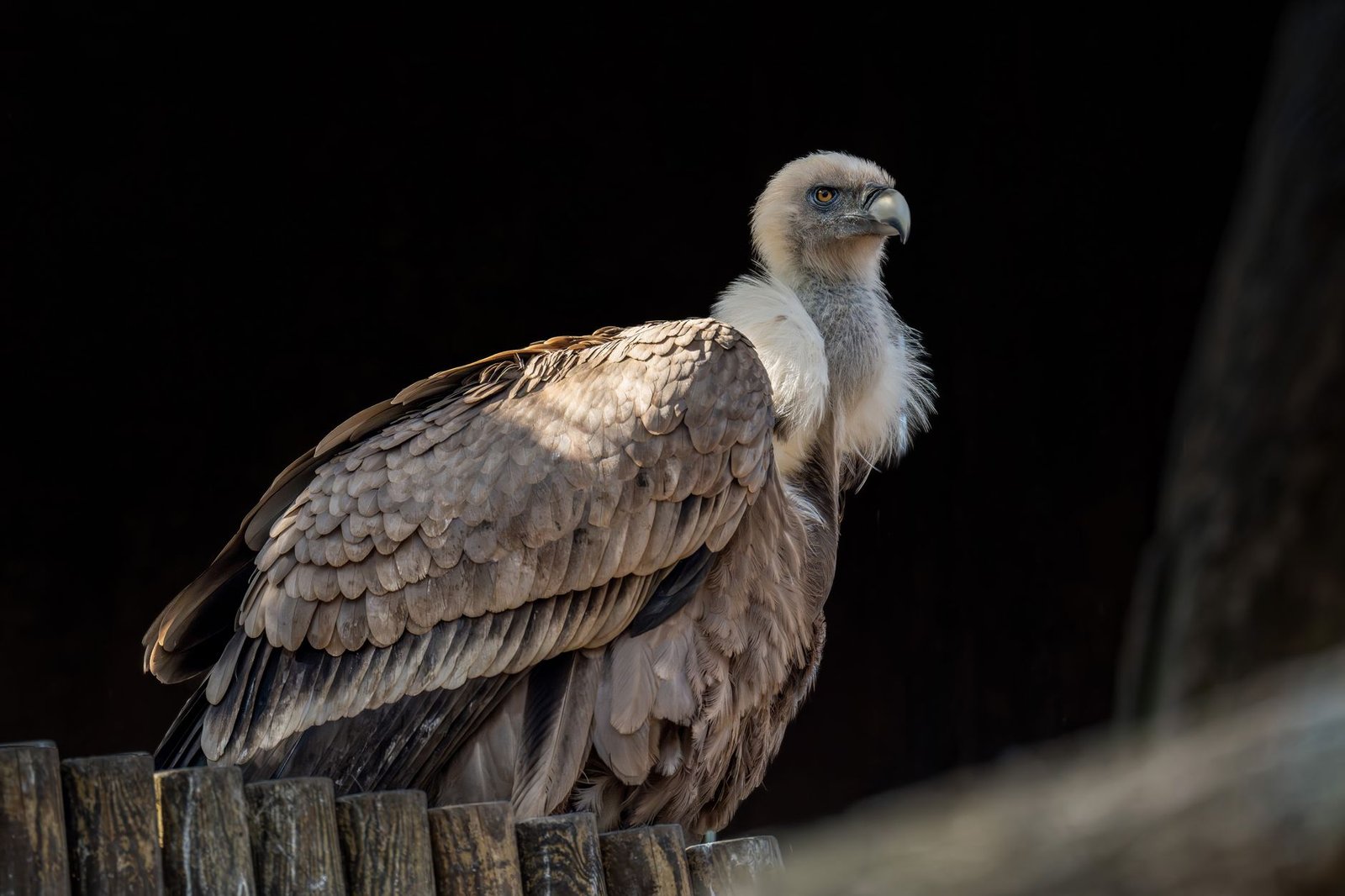
Griffin: Mythological Creature, Origins, and Symbolism
The griffin is a legendary hybrid creature, typically shown with the body of a lion and the head and wings of an eagle, whose image has endured from the ancient Near East to medieval Europe and modern fantasy. Exploring its uncertain origins, shifting names, and rich symbolism reveals why the griffin has long served as a guardian, royal emblem, and enduring marker of authority.
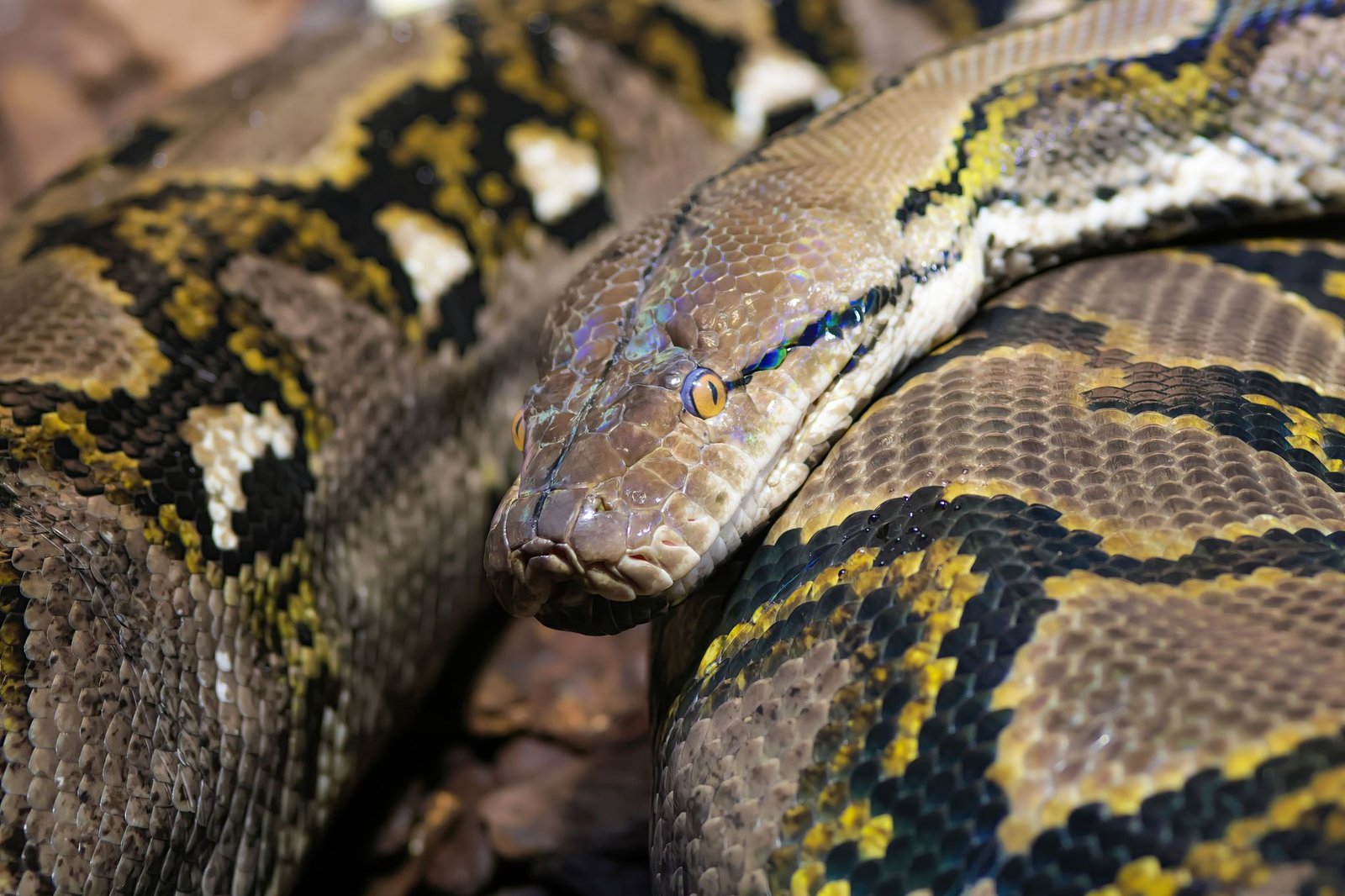
Python: Definition, History, and Key Facts
The python is a large non-venomous snake found across Africa, Asia, and parts of Australia, notable for its immense strength, heat-sensing abilities, and method of subduing prey by constriction. Long woven into folklore, religion, and natural history, the python also plays a significant ecological role, and its diverse species reveal much about both evolution and human perceptions of snakes.
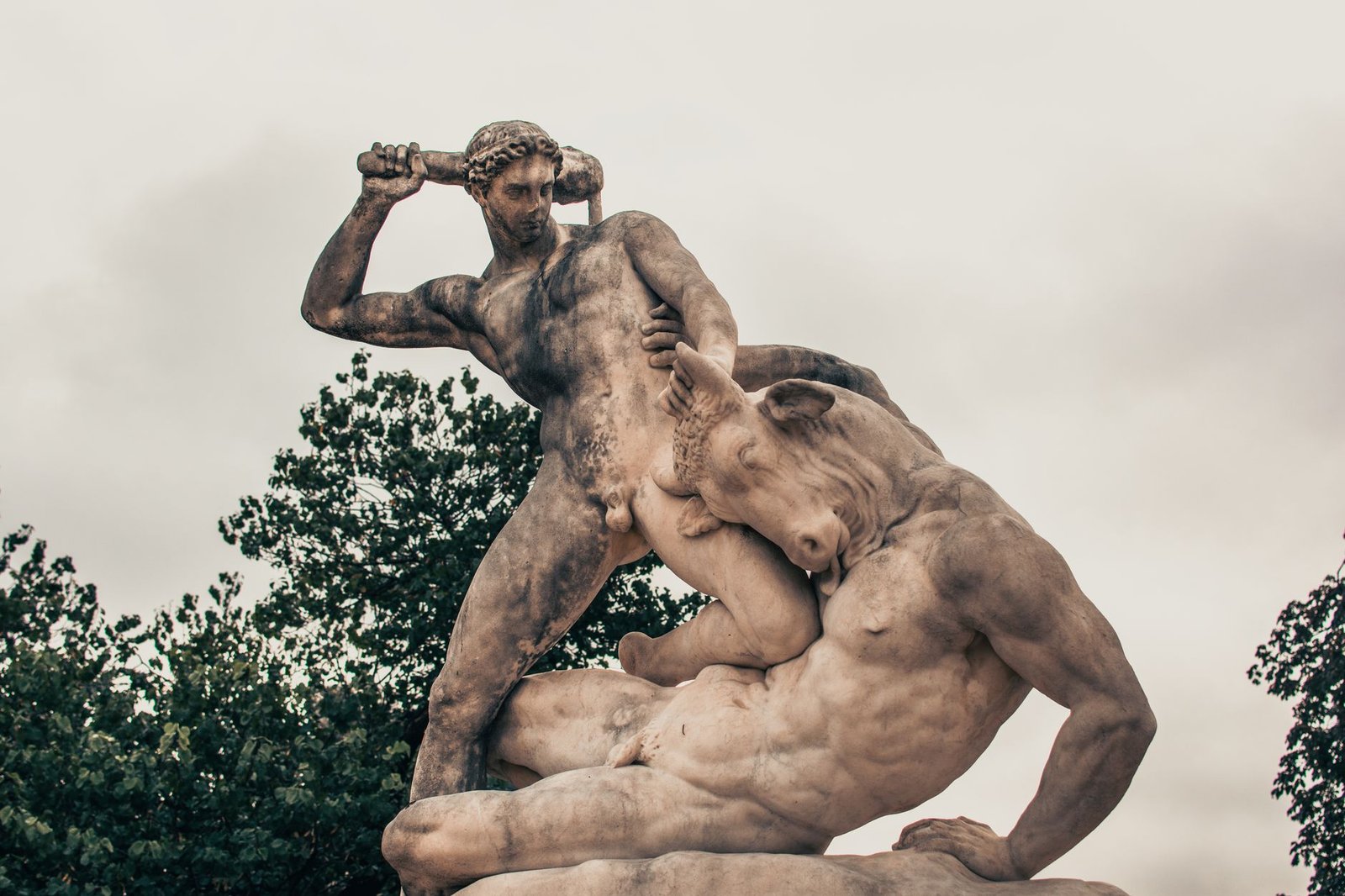
Minotaur: Mythology, Origins, and Symbolism
The Minotaur, the bull-headed monster of Greek mythology, was said to dwell in Daedalus’s Labyrinth on Crete until Theseus confronted it, a tale that links royal power, divine punishment, and human sacrifice. Its enduring presence in myth, art, and literature reveals why this creature remains a powerful symbol of confinement, violence, and the clash between civilization and instinct.
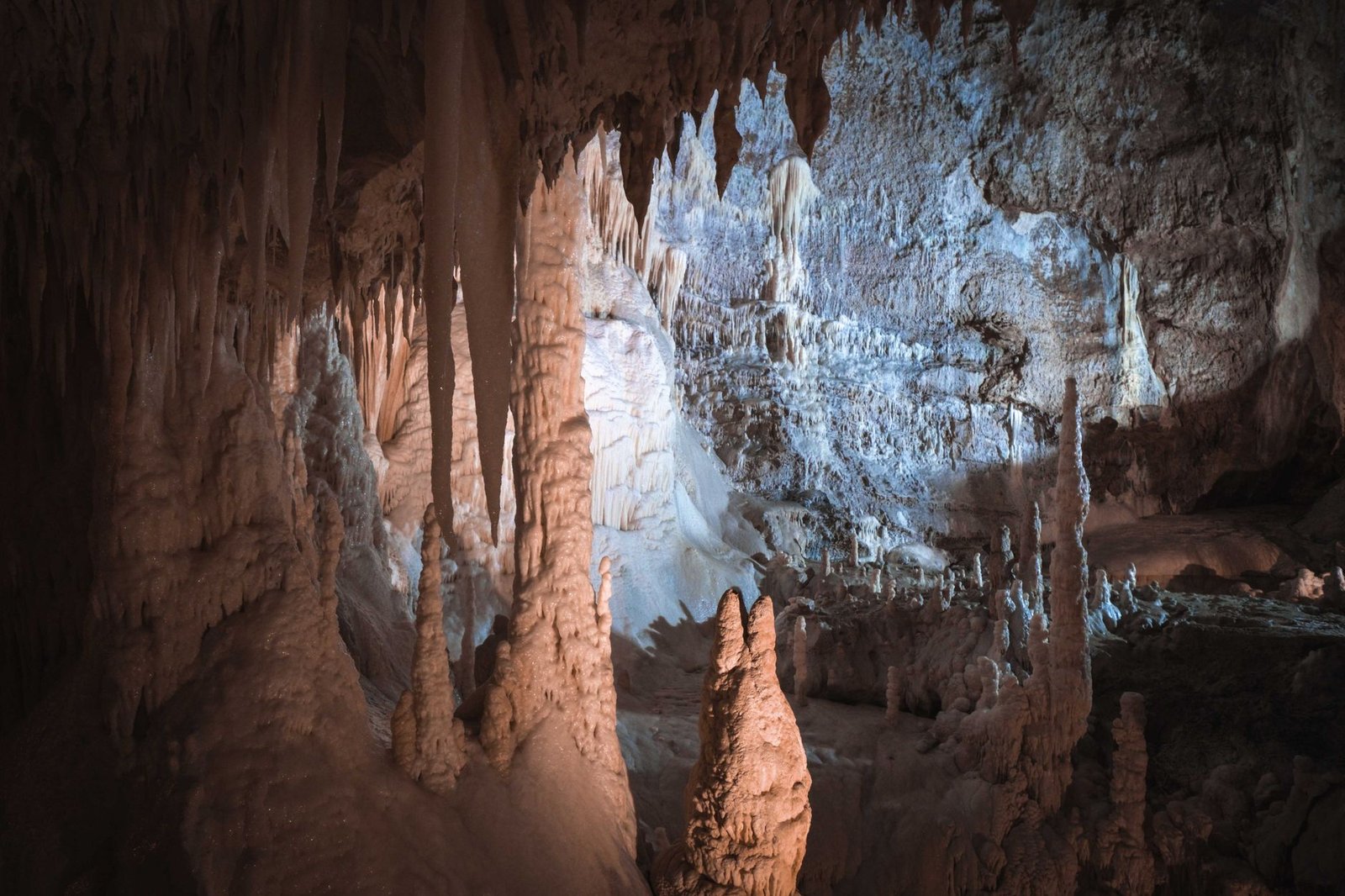
Birth of Zeus in the Cretan Cave: Greek Mythology
The birth of Zeus in the Cretan cave is a foundational Greek myth that explains how the future king of the gods was hidden on Crete to escape Cronus and grow in secret. Exploring its Cretan settings, ancient sources, and religious meanings reveals why this story remained central to ideas of divine power, succession, and sacred landscape.