myths and legends
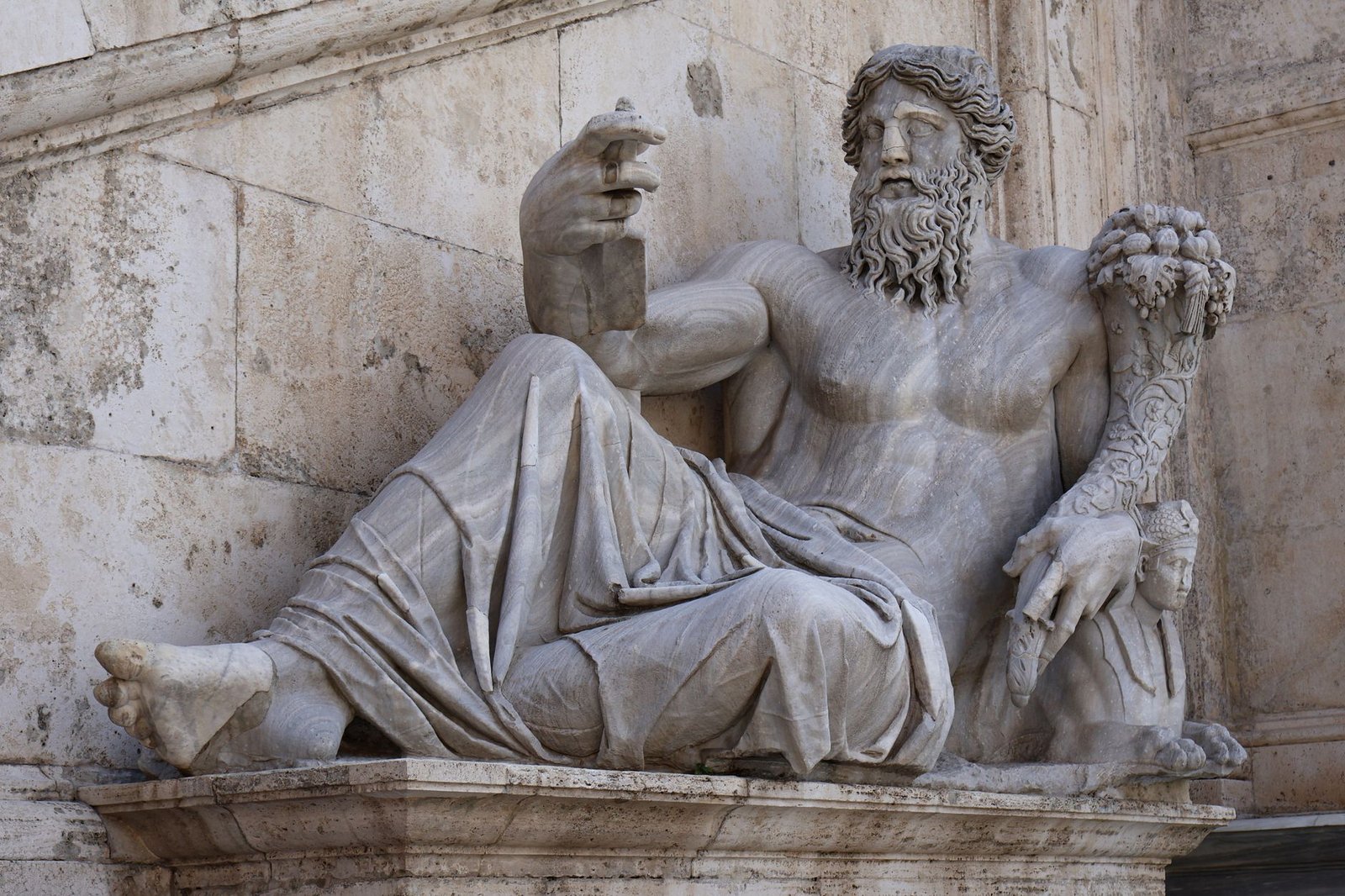
Jupiter: Roman God of Sky, Thunder, and Kingship
Jupiter, the chief god of ancient Rome, embodied sovereignty, law, oath-taking, and the protection of the state, while also ruling the sky, thunder, and lightning. Though often compared with Zeus, Jupiter emerged from an older Italic tradition, and his cult reveals how Roman religion linked divine authority with public order, military power, and the destiny of the city.
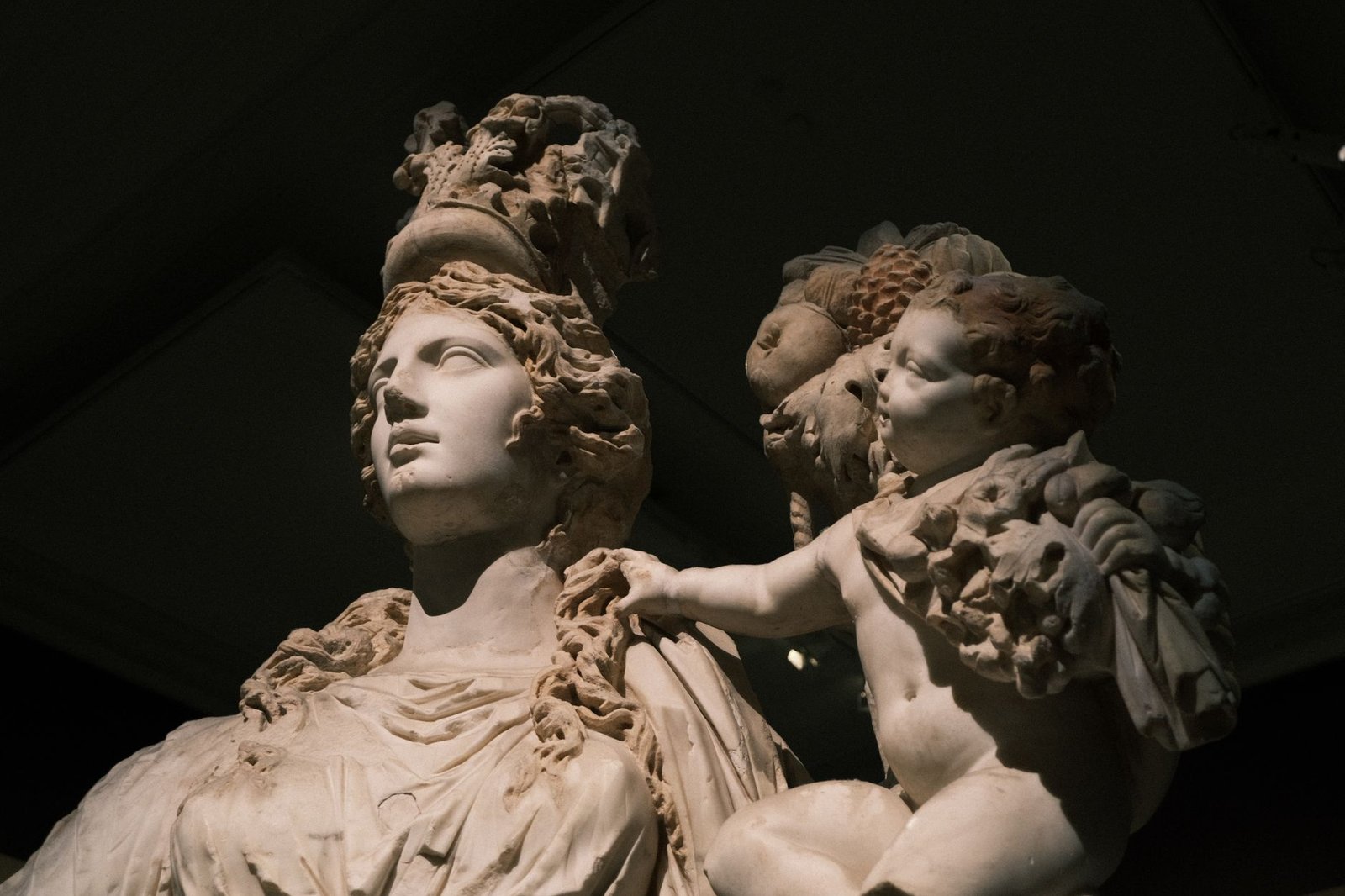
Minerva: Roman Goddess of Wisdom and War
Minerva is a major deity of Greco-Roman religion, revered in Roman tradition as the goddess of wisdom, strategic warfare, crafts, learning, and disciplined action. This article explores her uncertain origins, her role in Roman public life and ritual, and the enduring influence that made Minerva a lasting symbol of intellect, protection, and cultural identity.
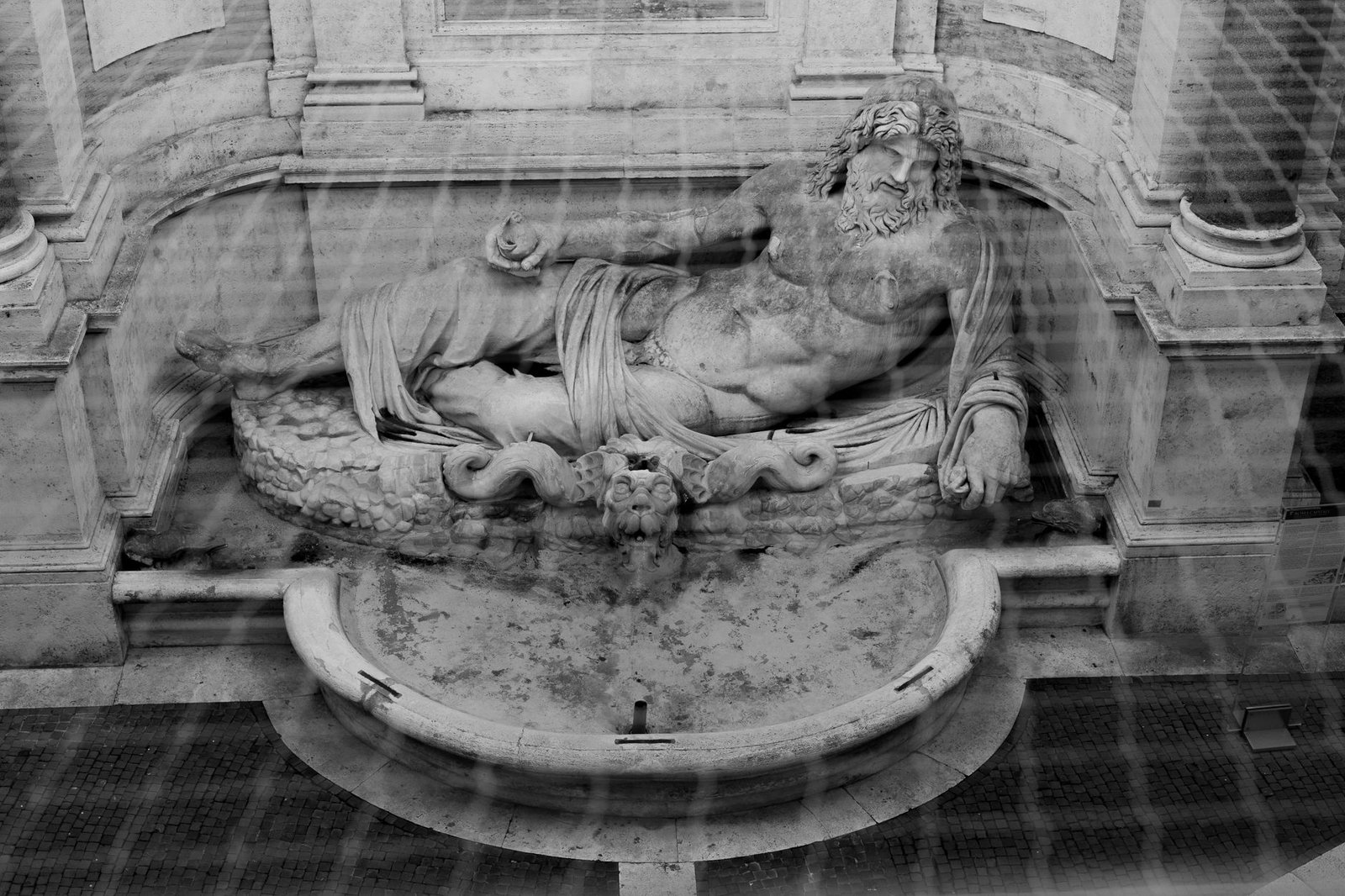
Neptune (Roman God): Roman God of the Sea and Water
Neptune (Roman god) was a major Roman deity of fresh waters, the sea, and horses, later identified with the Greek Poseidon. His history reveals a more complex origin than that of a simple sea god, linking him to springs, rivers, navigation, and the practical needs of Roman life.
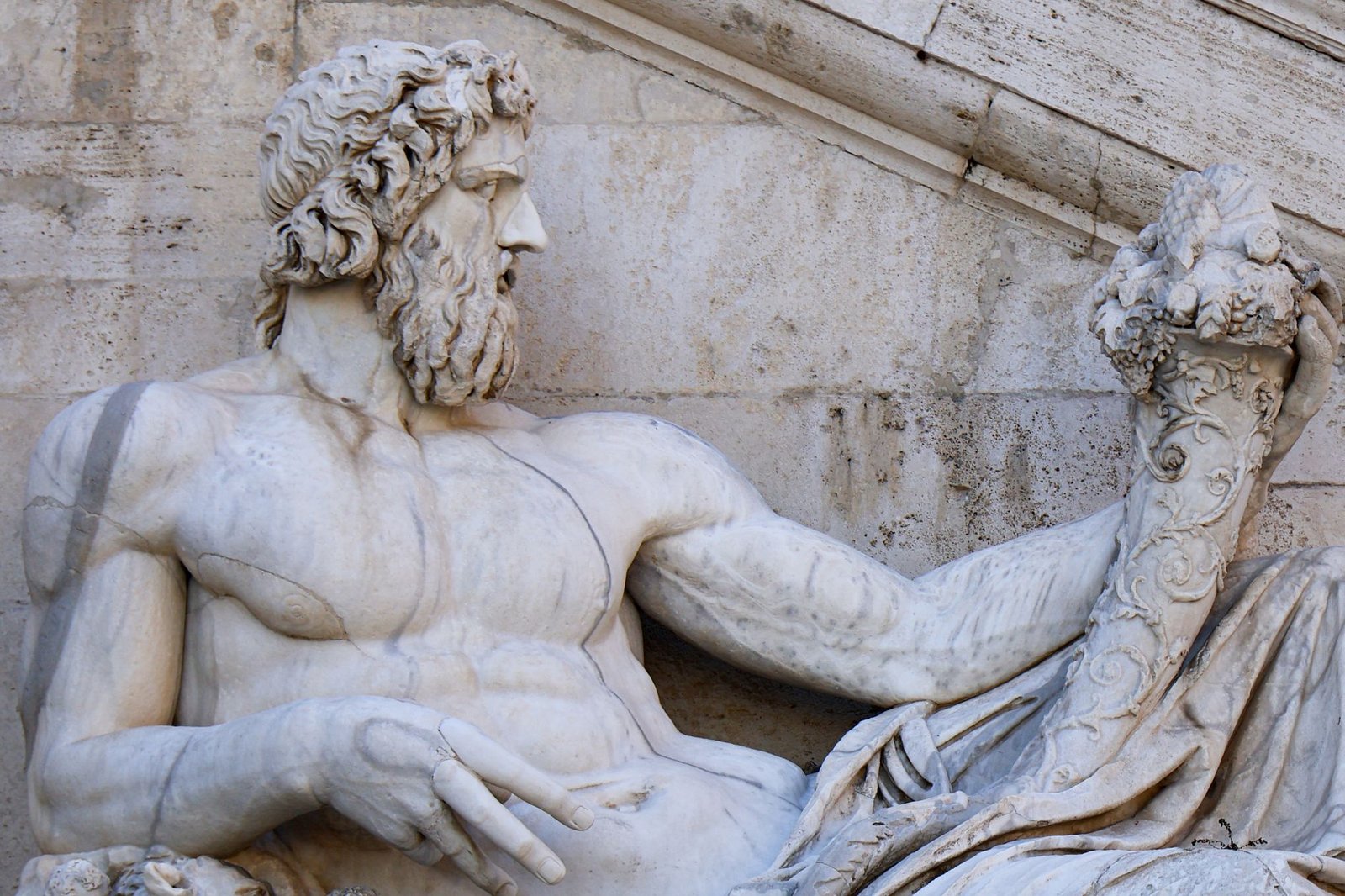
Vulcan: Roman God of Fire, Forge, and Volcanoes
Vulcan, the Roman god of fire, metalworking, and the forge, embodies both the destructive force of flames and the skilled craft that turns heat into tools, weapons, and art. This article traces his uncertain origins, his place in Roman religion and the Volcanalia festival, and his later identification with Hephaestus, revealing a deity central to ancient beliefs about danger and invention.
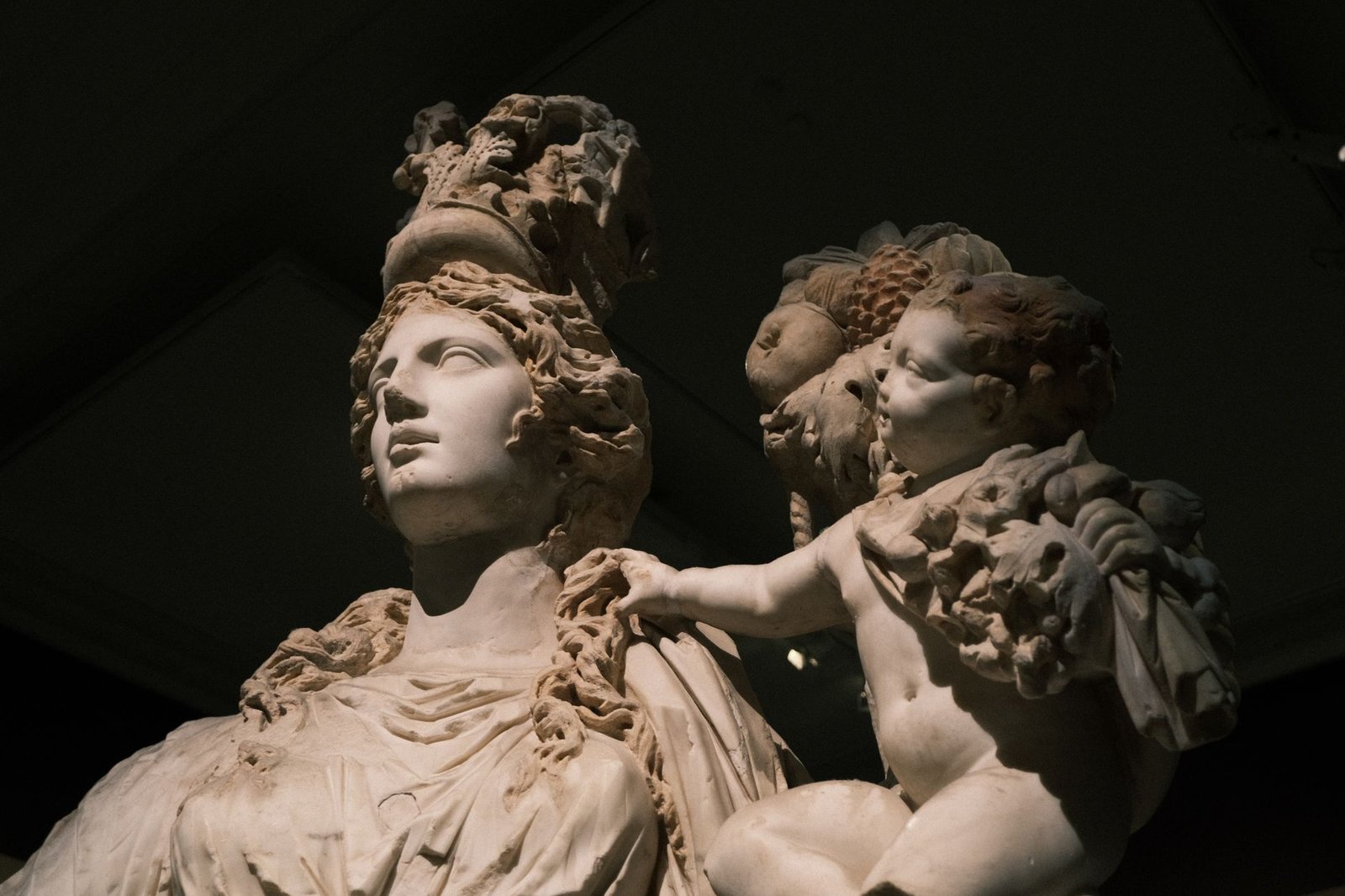
Ceres (Roman God): Roman Goddess of Agriculture and Grain
Ceres (Roman god) was the Roman goddess of agriculture, grain, fertility, and the earth’s productive cycle, central to a society shaped by farming and the harvest. Her cult also reflected social order, plebeian life, and Roman engagement with Greek Demeter, revealing how a practical deity became deeply woven into Roman identity and language.
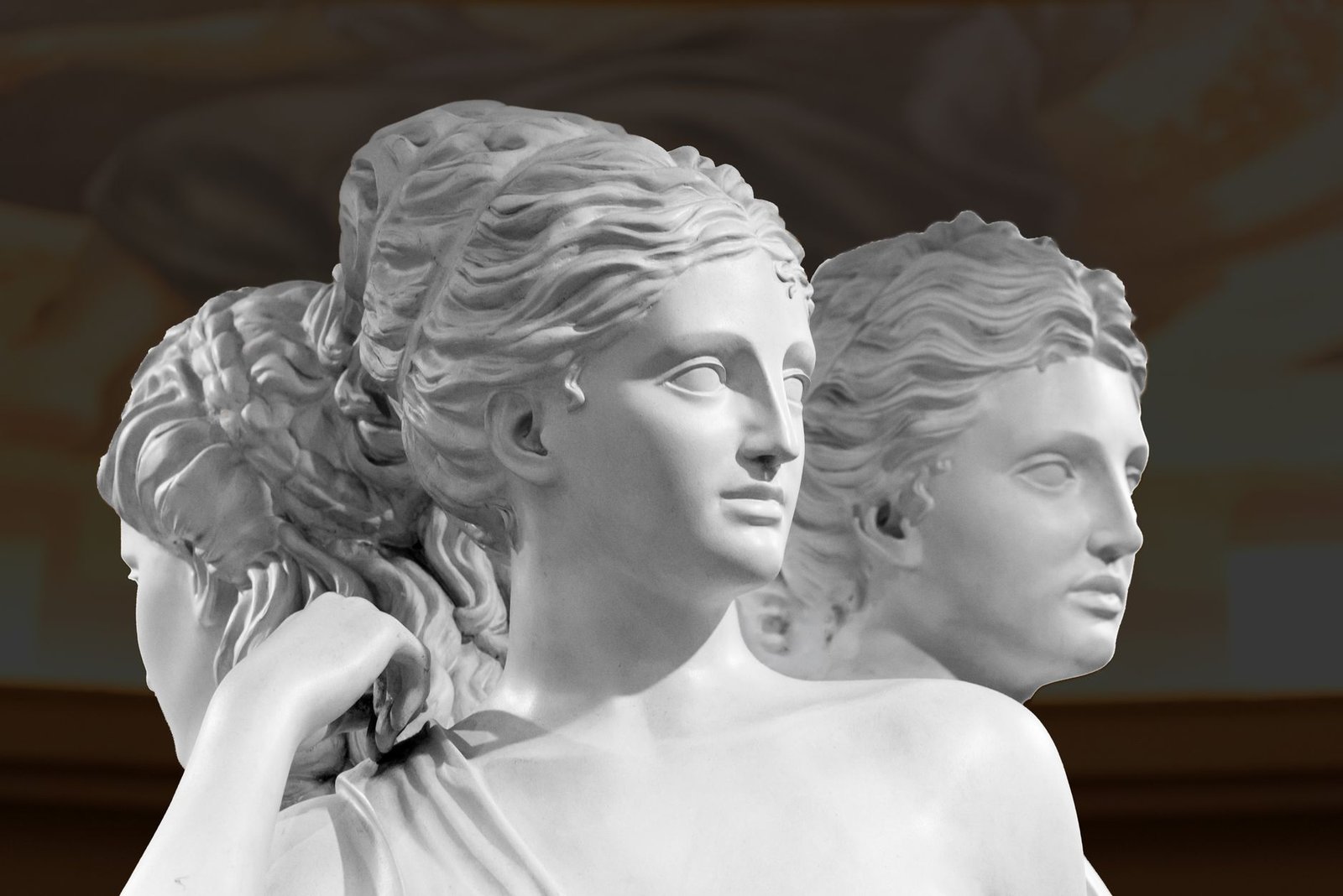
Flora: Definition, Types, and Ecological Importance
Flora, the Roman goddess of flowers, blossoms, spring, and fertility, embodies the renewal of nature after winter and the abundance that follows growth. This article traces her origins, the significance of the Floralia, and her lasting influence in art, literature, and the modern use of flora to describe a region’s plant life.
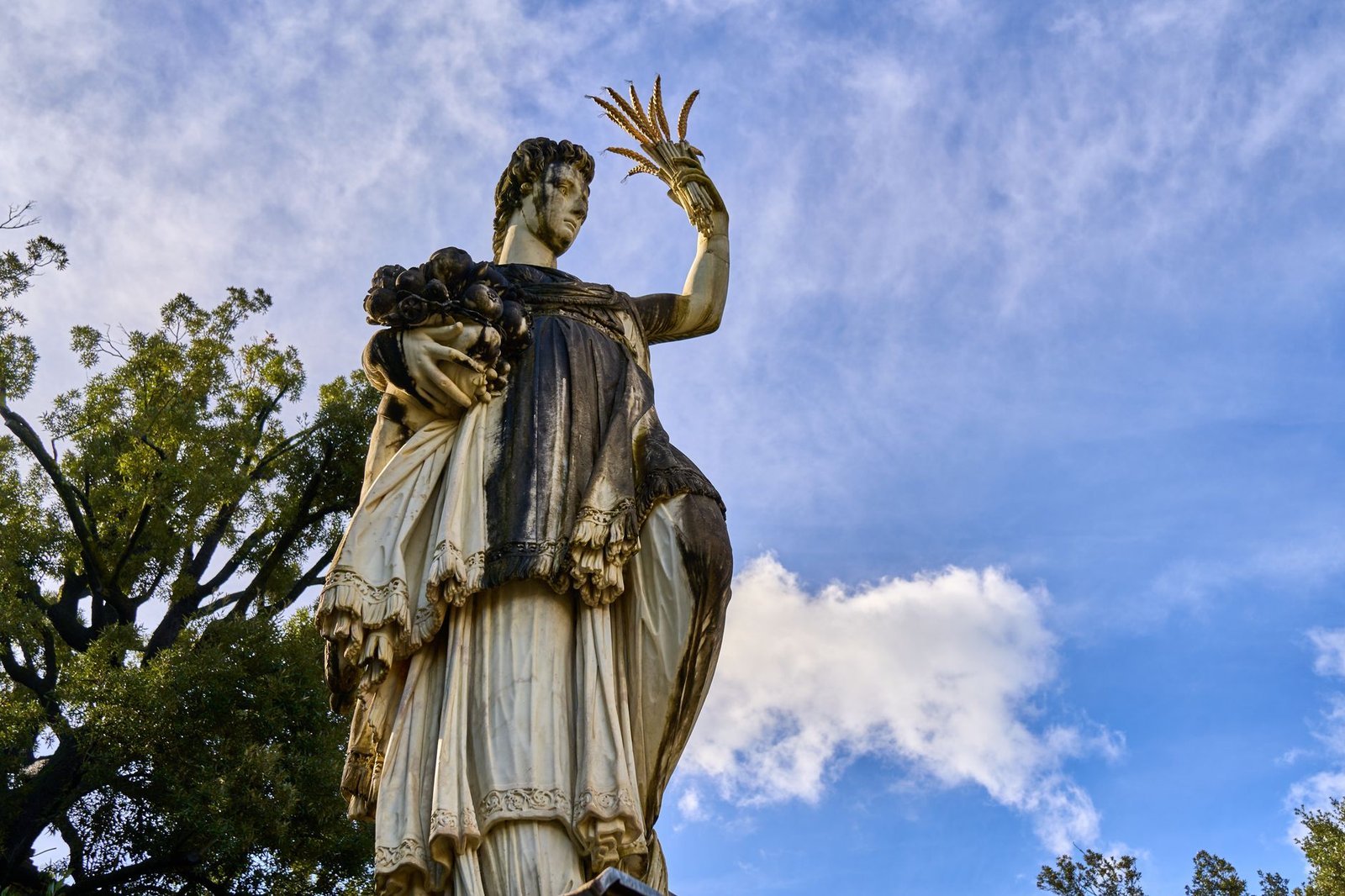
Pomona: Meaning, History, and Cultural Significance
Pomona is the Roman goddess of fruit trees, orchards, and cultivated abundance, a divinity whose name comes from *pomum*, the Latin word for fruit. Though less prominent than the gods of war or empire, she reveals how Roman religion valued the careful transformation of nature into productive order, a theme made vivid in Ovid’s *Metamorphoses*.
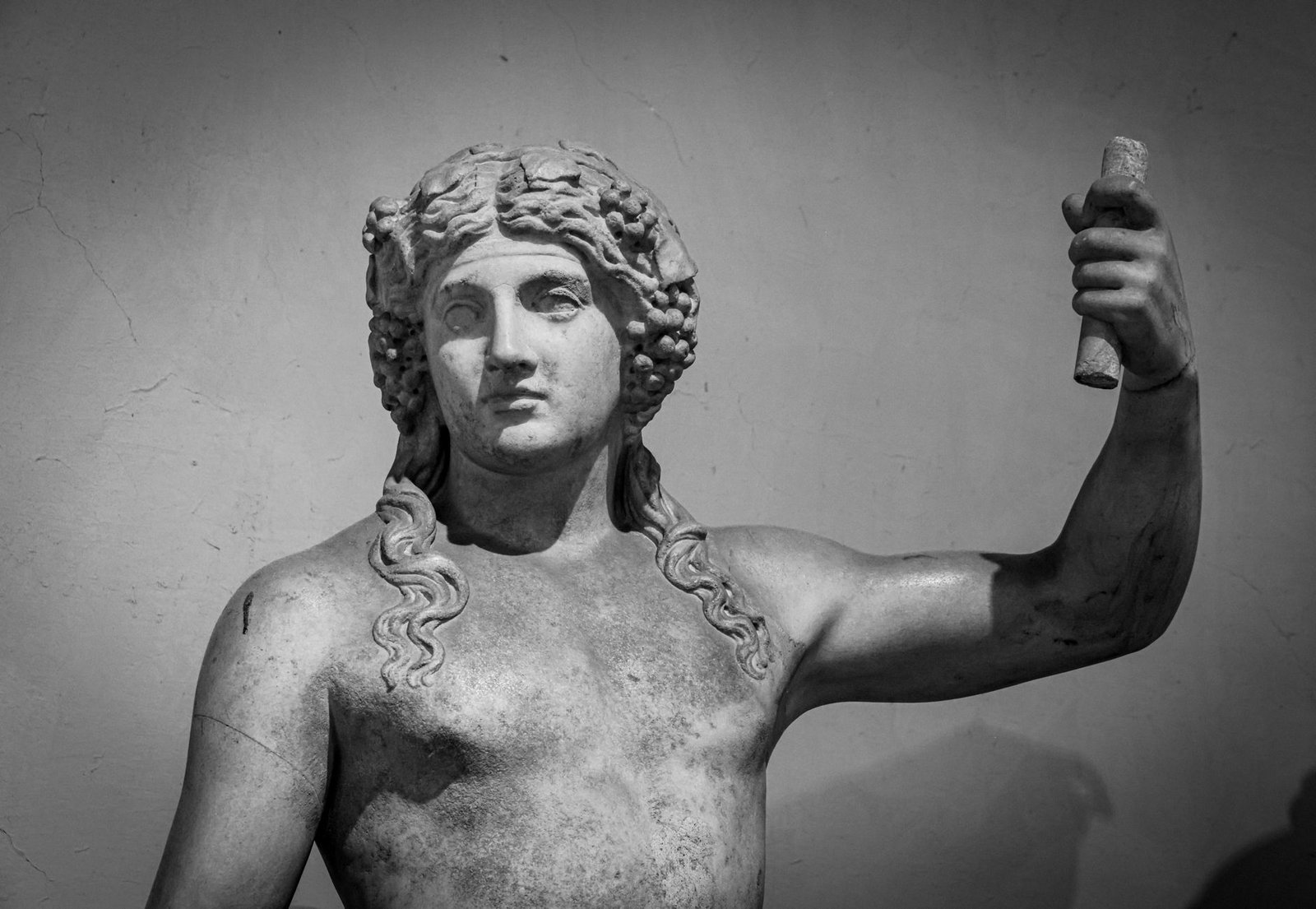
Pales: Definition, History, and Meaning
Pales is an ancient Roman pastoral deity linked to shepherds, flocks, livestock, and the protection of rural life, best known through the April festival of Parilia. Exploring Pales reveals how early Roman religion fused agriculture, seasonal ritual, and community welfare, while leaving intriguing questions about the deity’s origin, gender, and enduring cult.
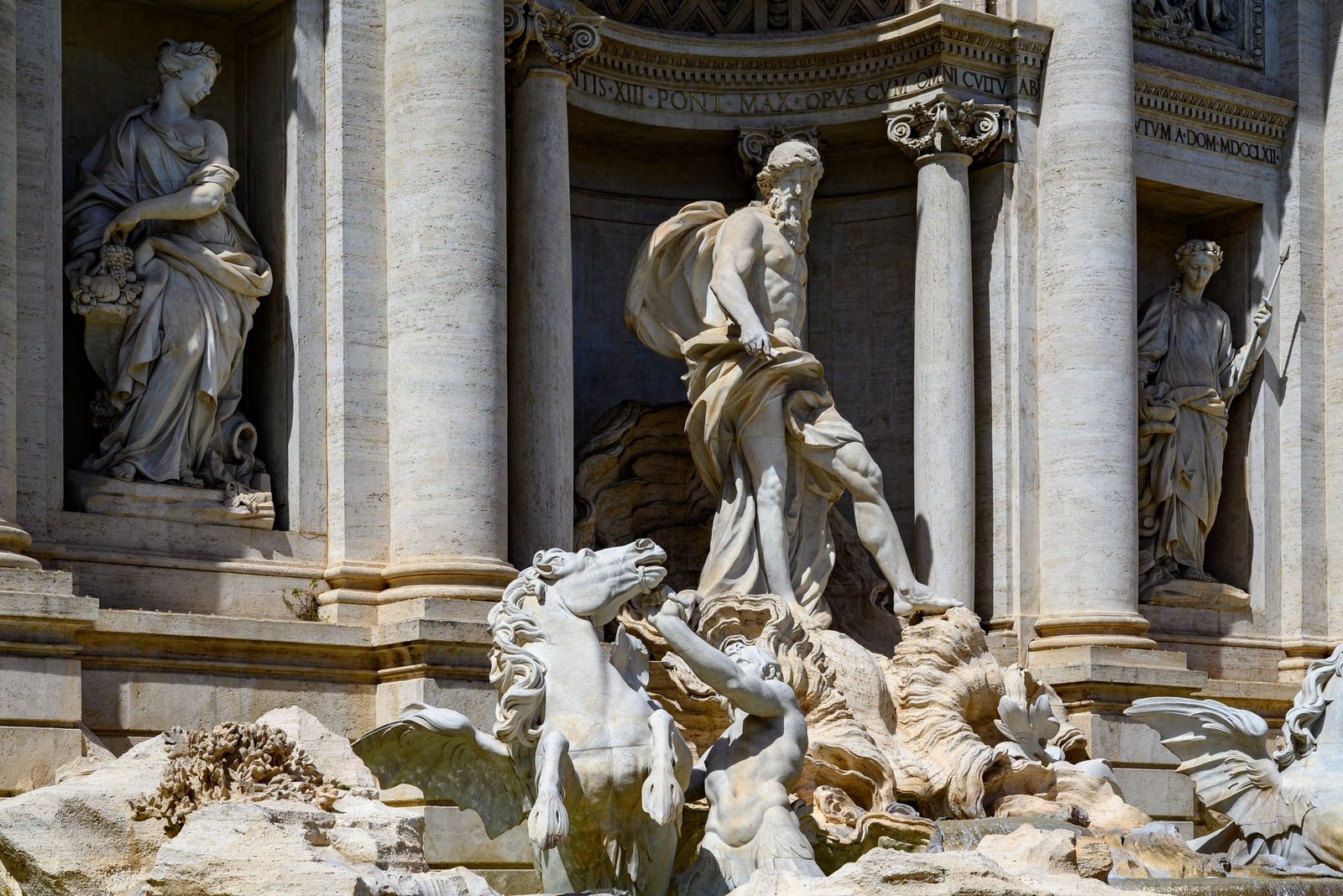
Sol: Meaning, Origin, and Cultural Significance
Sol is the Roman personification of the Sun, embodying daylight, cosmic order, and the steady cycle of time in ancient religion. From early solar worship to the rise of Sol Invictus under the Empire, his story reveals how Romans linked celestial power with myth, ritual, and political symbolism.
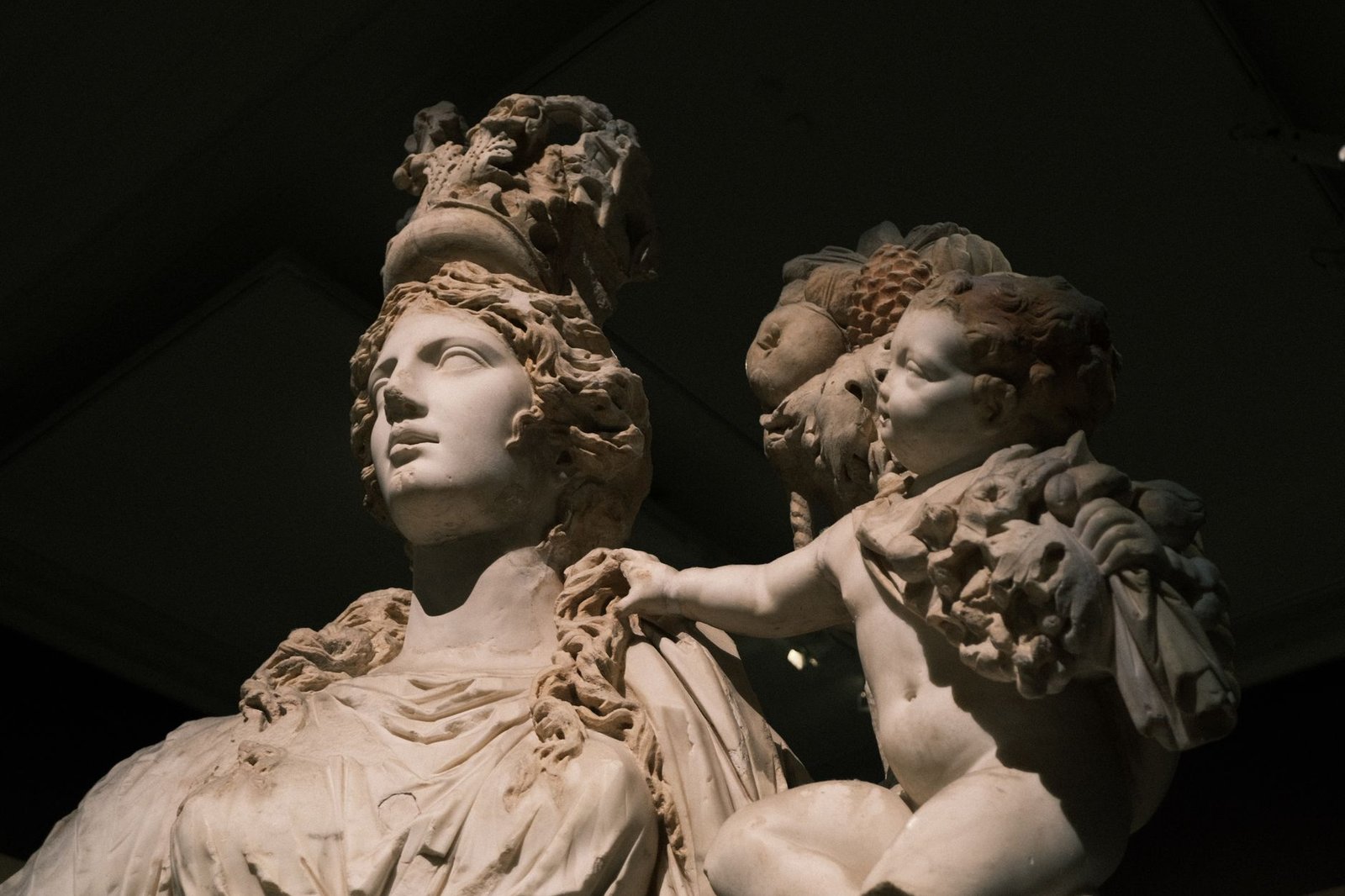
Aurora: Definition, Causes, and Types Explained
Aurora is the Roman goddess of dawn, the divine personification of the first light that ends night and announces the day. Rooted in ancient Indo-European tradition and mirrored by Greek Eos, she appears throughout classical poetry, art, and myth as a symbol of renewal—yet her story reveals far more than a simple morning image.