myths and legends
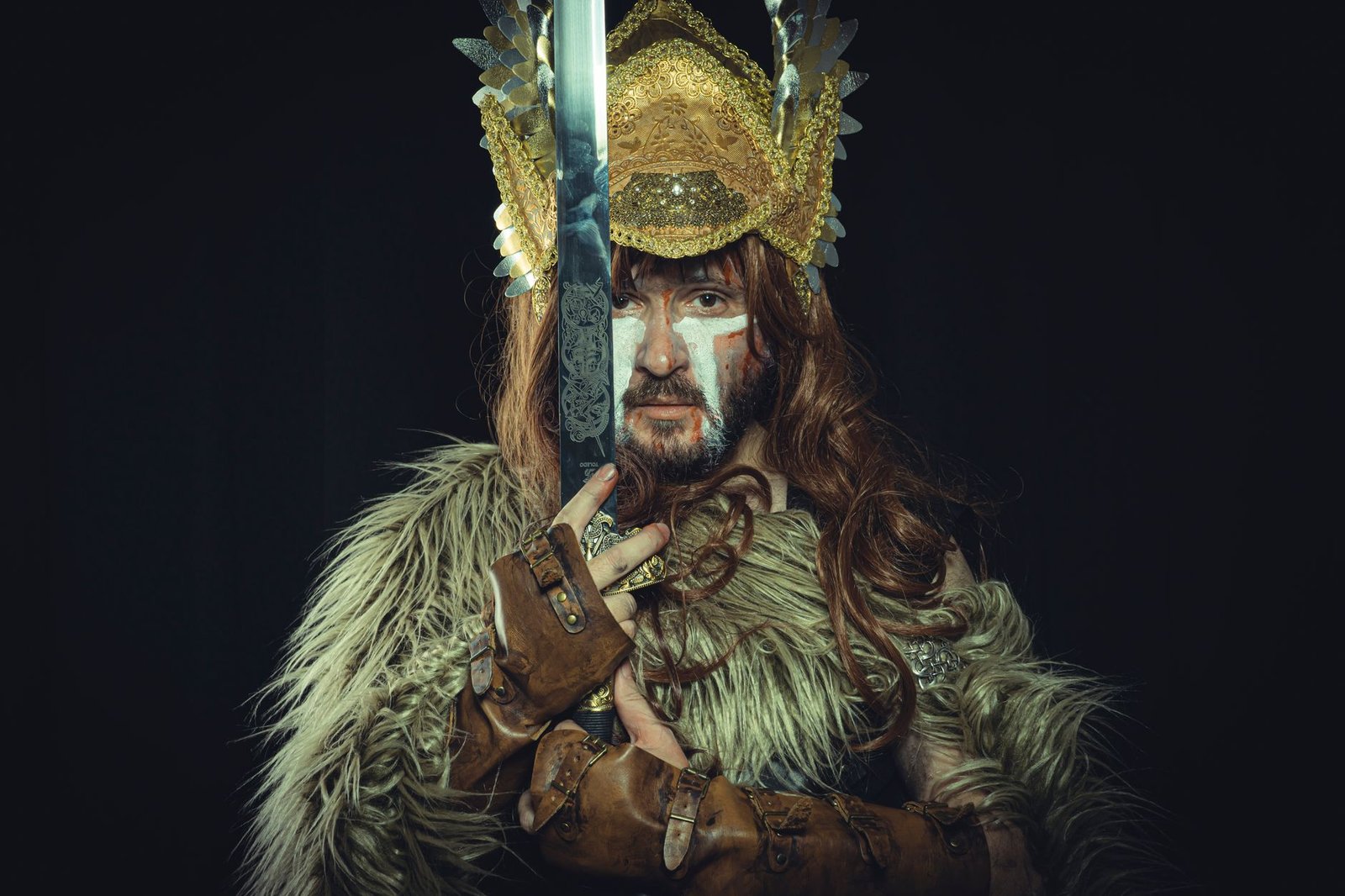
Donn: Meaning, Origin, and Cultural Significance
Donn is a central figure in Irish mythology, remembered as a primordial ancestor and a ruler of the dead whose presence links kingship, ancestry, and the otherworld. Often associated with Tech Duinn, the “House of Donn,” he reveals how early Irish tradition imagined death not as an ending, but as a passage into a sacred ancestral realm.
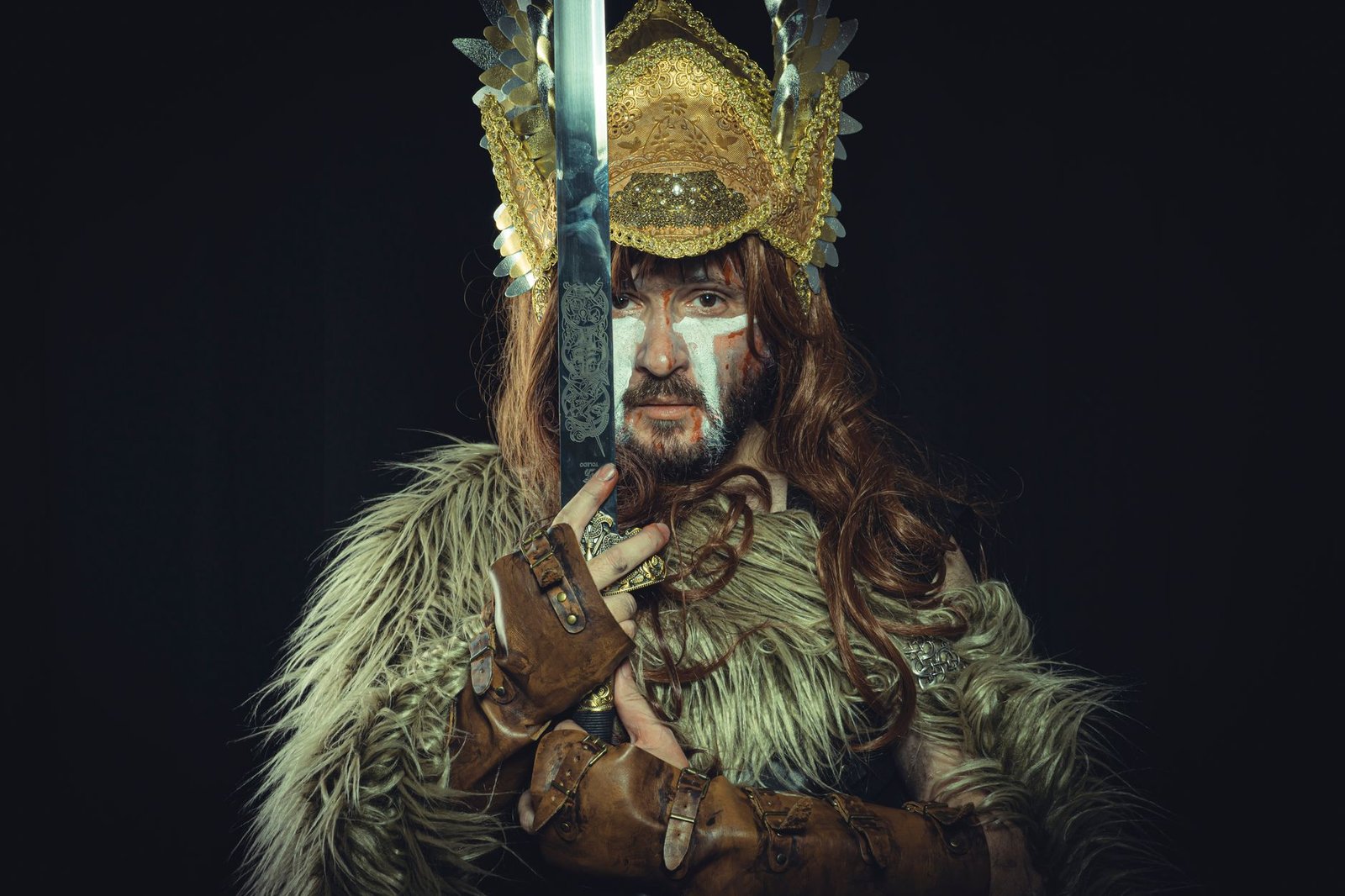
Dagda: Irish Mythology God of Abundance and Wisdom
Dagda is a central figure in Irish mythology, portrayed as a powerful deity of the Tuatha Dé Danann who governs fertility, wisdom, kingship, and abundance. Exploring his name, powers, and legendary role reveals how medieval texts preserved a complex divine figure whose influence reaches across myth, sovereignty, and the older religious imagination of Ireland.
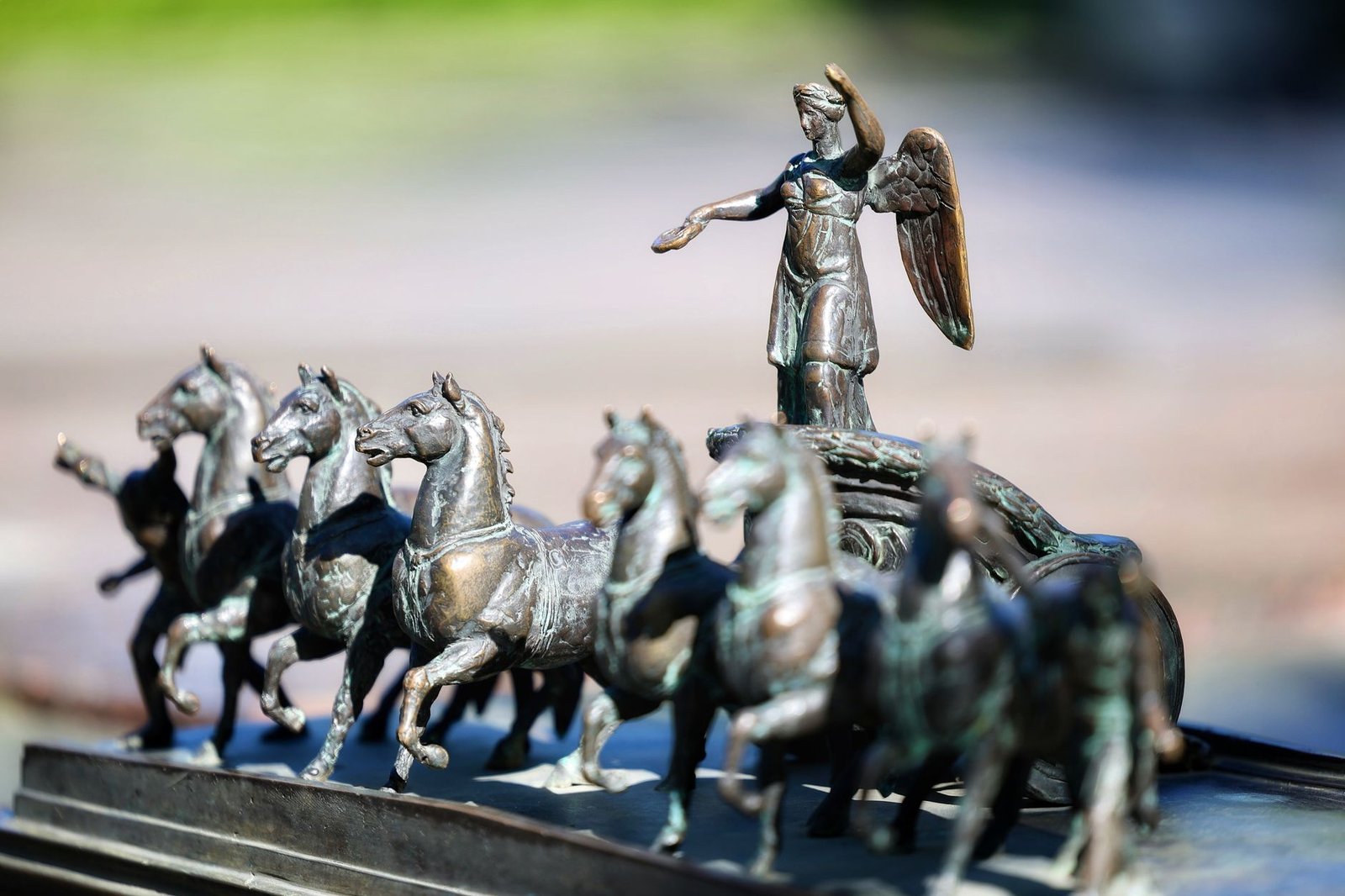
Cliodhna: Irish Goddess of Beauty and the Otherworld
Cliodhna, also spelled Clíodhna, is a major figure in Irish mythology whose identity shifts between sea deity, fairy queen, and otherworldly woman. Her stories reveal how ancient ideas of beauty, sovereignty, love, and the boundary between human and supernatural life survived in Irish tradition, inviting closer attention to her changing roles.

Celtic Gods vs. Celtic Heroes: Key Differences
The difference between Celtic gods and Celtic heroes lies in their status, function, and place within myth: gods are divine powers tied to sovereignty, nature, and the otherworld, while heroes are extraordinary mortals or near-mortals celebrated for lineage and deeds. Exploring this distinction reveals how Celtic traditions blurred sacred and human roles, and why some figures remain difficult to classify with certainty.
Brigid: Irish Goddess, Saint, and Cultural Symbol
Brigid is one of the most significant figures in Irish tradition, bridging pre-Christian mythology and Christian devotion through the goddess of fertility, healing, poetry, and sacred fire, and the revered Saint Brigid of Kildare. Her enduring influence, contested origins, and links to language, ritual, and legend make Brigid a central figure in understanding Ireland’s religious and cultural history.

Boann: Celtic Goddess of the River Boyne
Boann is a central figure in Irish mythology, associated with the River Boyne, fertility, wisdom, and sacred waters. Her story, preserved in medieval Irish tradition, reveals how a goddess, a landscape, and ideas of divine knowledge became intertwined in ancient Ireland, inviting closer study of her shifting roles and meanings.

Arawn: Welsh Mythology God of the Otherworld
Arawn is a central figure in Welsh mythology and the ruler of Annwn, the Otherworld of medieval tradition, where he appears not as a simple death deity but as a noble king linked to sovereignty, honor, and transformation. His story, especially in the *Mabinogi*, reveals a complex boundary between the human and otherworldly realms, inviting readers to explore how Welsh literature reimagined power and the afterlife.

Aengus: Meaning, Mythology, and Irish Origins
Aengus, also known as Aengus Óg or Óengus, is a major figure in Irish mythology and a member of the Tuatha Dé Danann, associated with youth, love, poetry, and the Otherworld. Medieval texts present him as far more than a god of romance, revealing a complex divine son whose stories illuminate how ancient Irish tradition was preserved and transformed.
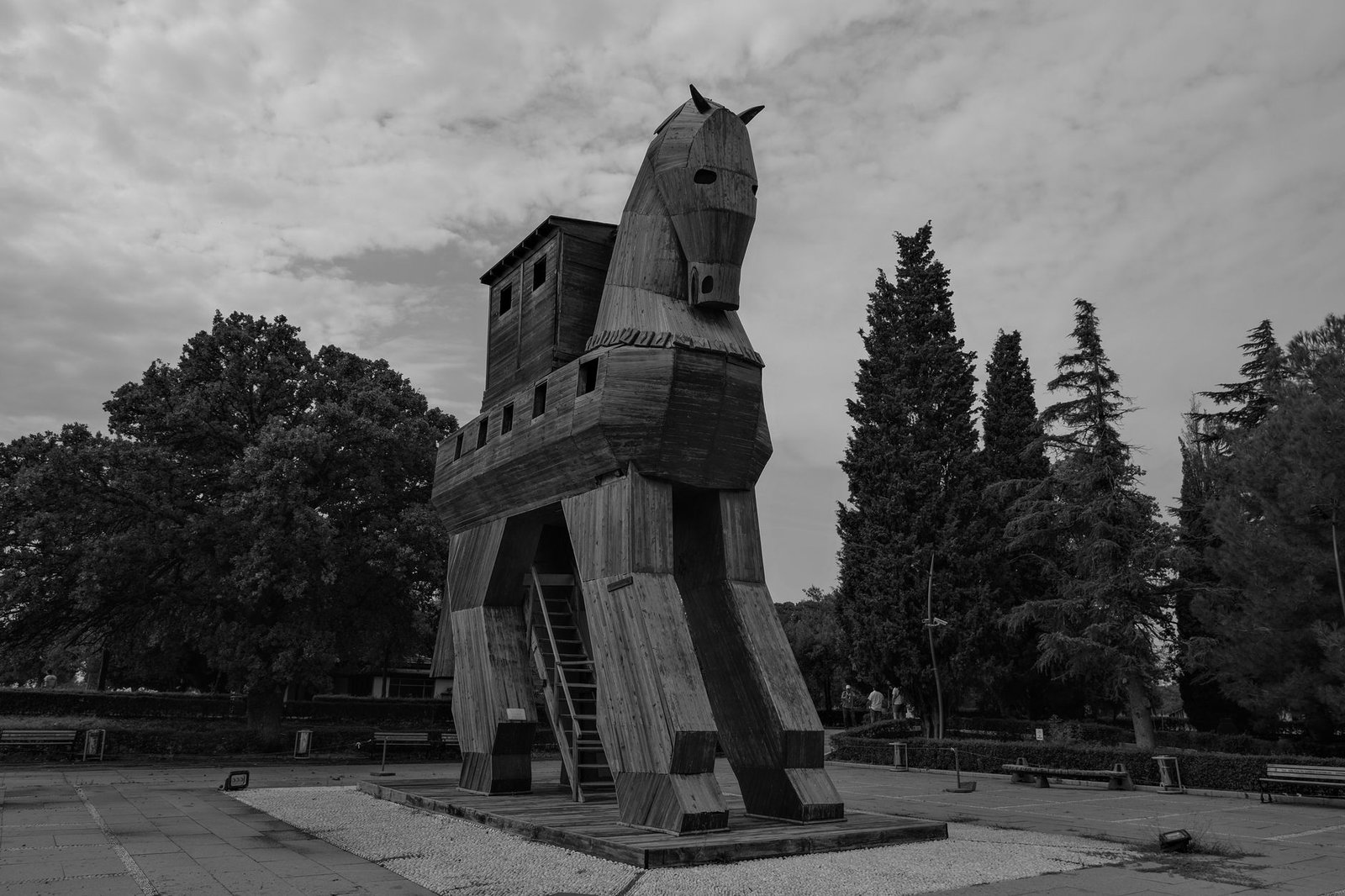
Aeneas’s Flight from Troy: Myth and Story Explained
Aeneass Flight from Troy recounts the Trojan hero’s escape from the burning city with his family, sacred relics, and the burden of preserving Troy’s legacy. Central to both Greek myth and Roman identity, the episode blends divine intervention, filial duty, and survival, setting in motion the legendary journey that would lead to Italy and, ultimately, Rome.
Aeneas’s Descent Into the Underworld: Meaning and Summary
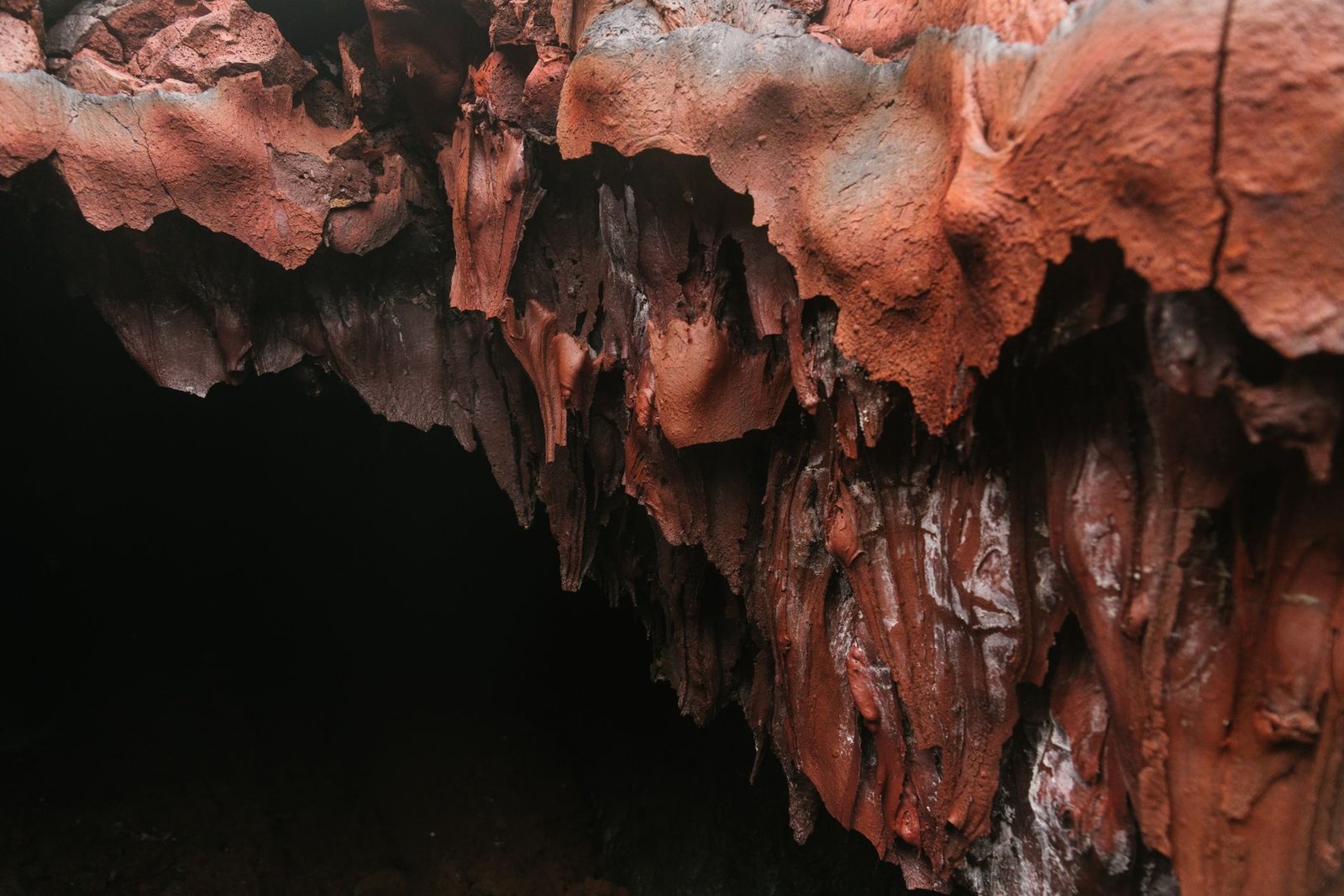
Aeneass Descent into the Underworld, a central episode in Virgil’s *Aeneid*, recounts the Trojan hero’s journey into the realm of the dead under the guidance of the Sibyl of Cumae. There he seeks Anchises’s counsel, and the encounter reveals Roman ideas of fate, duty, and imperial destiny while linking Troy’s fall to the future foundation of Rome.