Roman Myths & Legends

Aeneas’s Flight from Troy: Myth and Story Explained
Aeneass Flight from Troy recounts the Trojan hero’s escape from the burning city with his family, sacred relics, and the burden of preserving Troy’s legacy. Central to both Greek myth and Roman identity, the episode blends divine intervention, filial duty, and survival, setting in motion the legendary journey that would lead to Italy and, ultimately, Rome.

Aeneas and Dido in Carthage: The Story and Meaning
Aeneas and Dido in Carthage is a central episode of Virgil’s *Aeneid*, where the Trojan exile Aeneas meets Queen Dido and their brief union is shaped by fate, divine pressure, and political obligation. The story illuminates Roman ideas about duty, empire, and loss, while raising enduring questions about love, sacrifice, and the origins of Carthage and Rome.

Aeneas’s Descent Into the Underworld: Meaning and Summary
Aeneass Descent into the Underworld, a central episode in Virgil’s *Aeneid*, recounts the Trojan hero’s journey into the realm of the dead under the guidance of the Sibyl of Cumae. There he seeks Anchises’s counsel, and the encounter reveals Roman ideas of fate, duty, and imperial destiny while linking Troy’s fall to the future foundation of Rome.
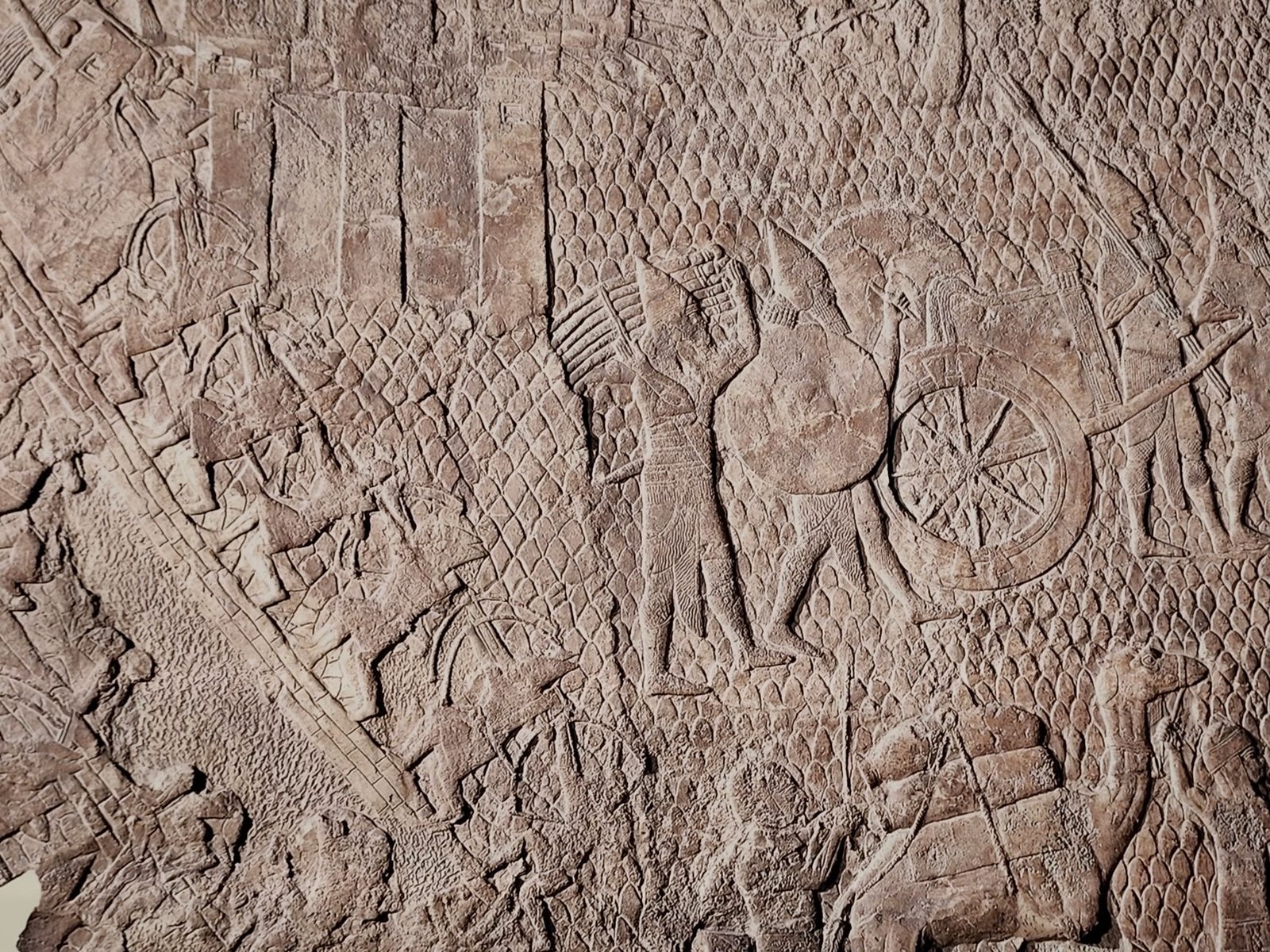
War in Latium: History, Causes, and Significance
The War in Latium refers to the early conflicts that shaped Rome’s rise among the Latin communities of central Italy, blending history, legend, and civic memory. Exploring its origins, major battles, and political consequences reveals how these struggles helped define Roman identity and set the stage for later expansion.

The Founding of Rome by Romulus and Remus Explained
The founding of Rome by Romulus and Remus is the enduring Roman foundation myth, blending divine lineage, royal conflict, abandonment, survival, and brotherly rivalry into a story that explained the city’s sacred origins. Though not verifiable history, it shaped Roman identity and continues to illuminate how legends can serve politics, memory, and cultural authority.

The Death of Remus: Roman Mythology and Meaning
The death of Remus is a central episode in Roman foundation myth, portraying the fatal conflict between the twin brothers Remus and Romulus as a turning point in the birth of Rome. Told in multiple ancient versions, the story explores themes of boundary, authority, and fratricide, inviting readers to examine how myth shaped Roman ideas of law and power.
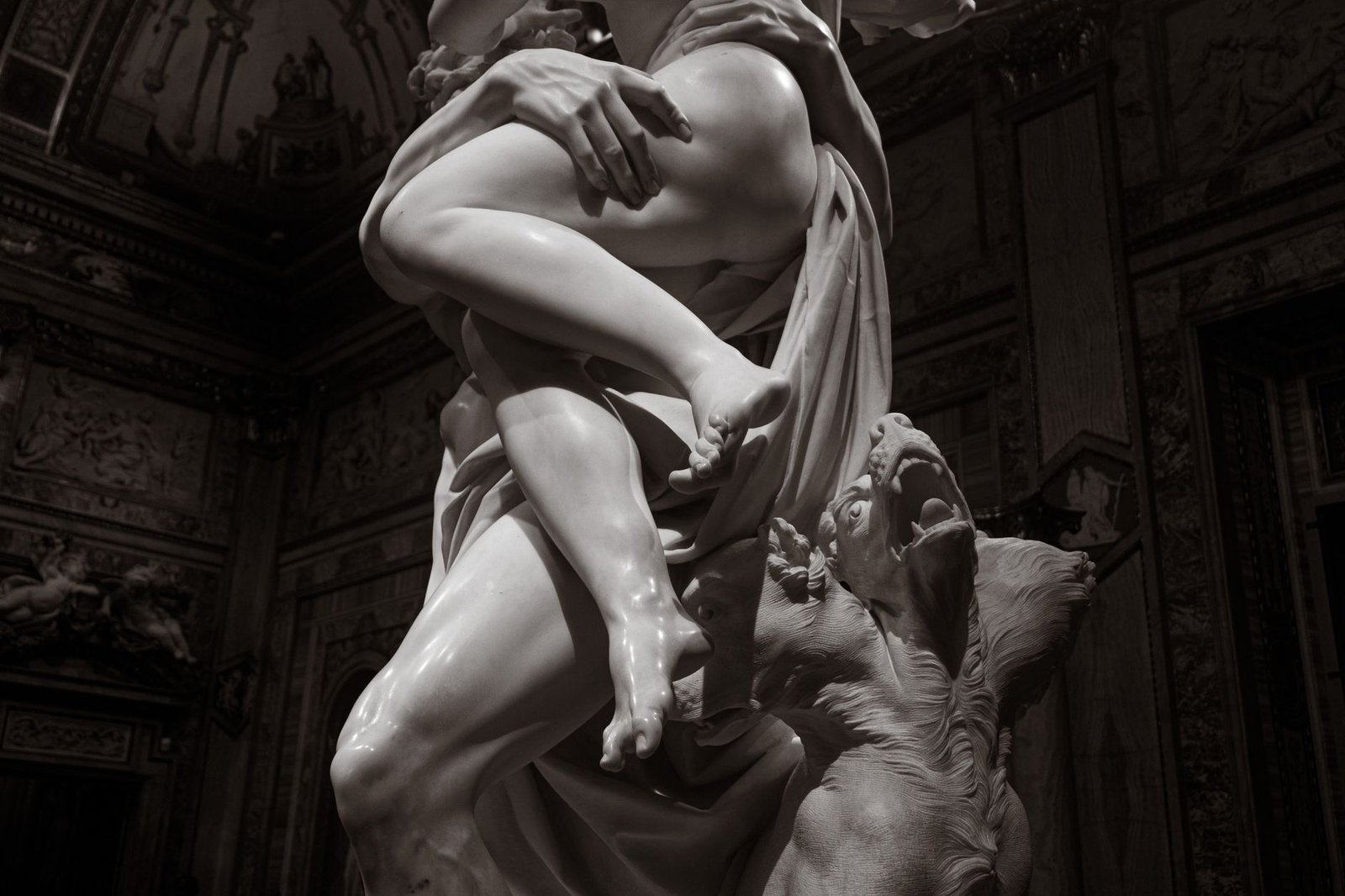
The Rape of the Sabine Women: Meaning, History, and Art
The Rape of the Sabine Women is a foundational Roman legend describing how the first Romans seized Sabine women to secure wives and, in later versions, forge alliances with neighboring peoples. Revered in ancient historiography and later art, the story reveals how Rome explained its origins, mixed identity, and the tensions at the city’s very beginning.
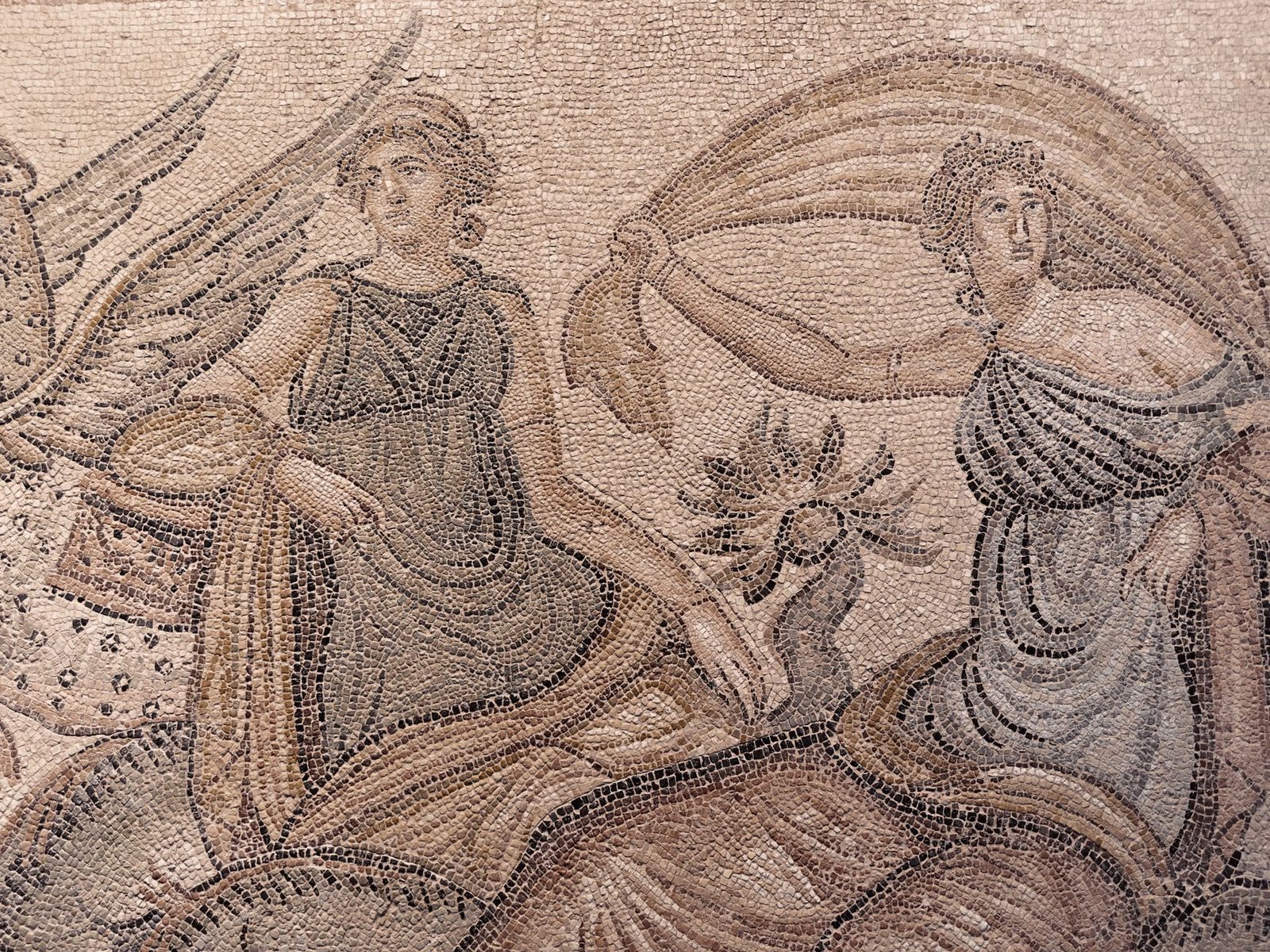
Numa Pompilius and the Nymph Egeria: Roman Legend
Numa Pompilius and the nymph Egeria stand at the crossroads of Roman legend and religious history, linking the city’s second king with the divine source of his reforms. This article explores how ancient writers used their association to explain Rome’s rites, calendar, and priesthoods, while revealing the shifting traditions that kept Egeria’s role both sacred and mysterious.

The Horatii and the Curiatii: Roman Legend and Myth
The Horatii and the Curiatii are central figures in one of Rome’s best-known legendary episodes, a duel between two noble families said to have decided the fate of Rome and Alba Longa. Blending myth, politics, and moral exemplum, the story reveals how early Roman tradition framed courage, civic duty, and the cost of conflict.
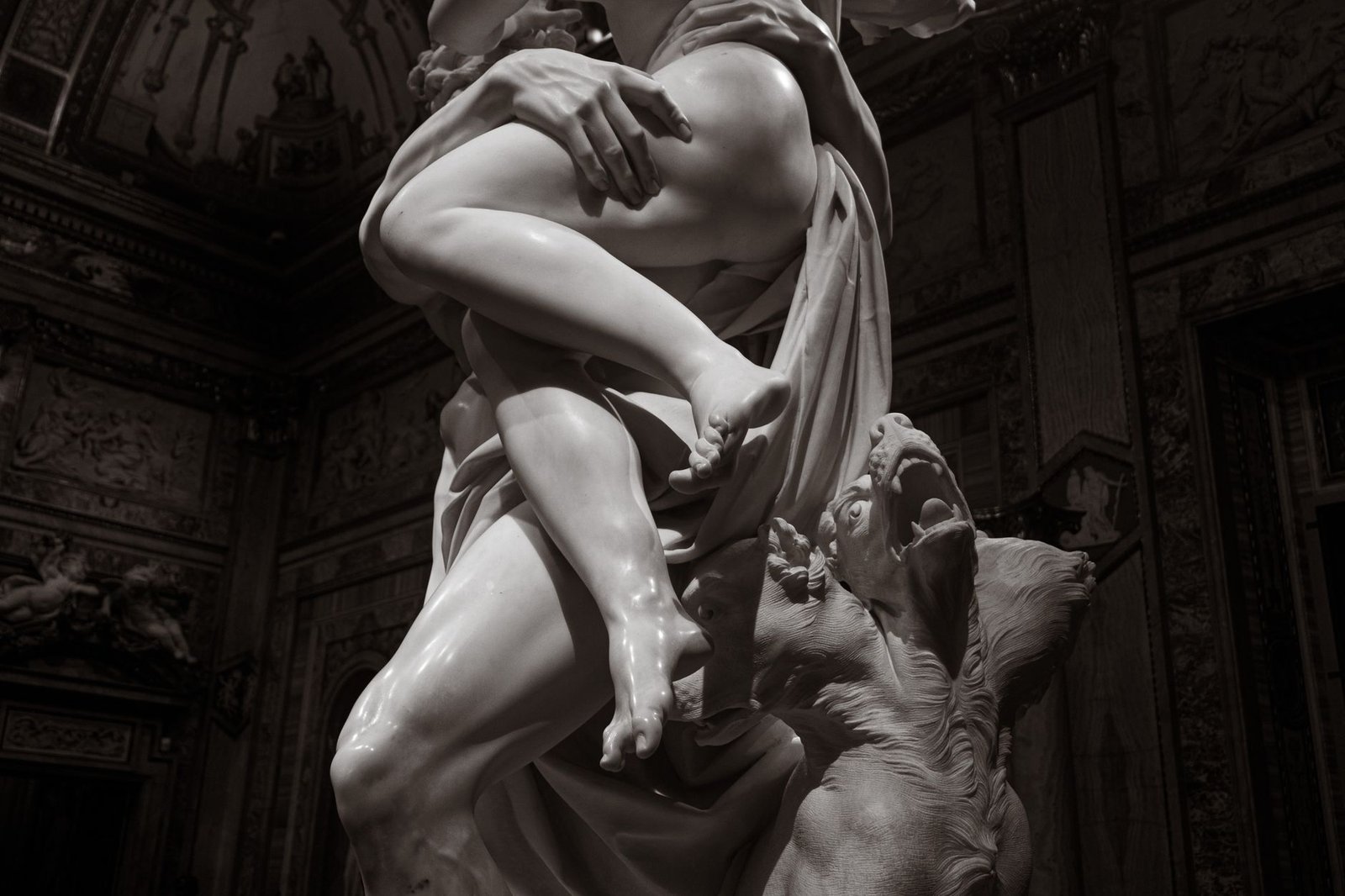
The Rape of Lucretia: Meaning, Summary, and Significance
The Rape of Lucretia is a foundational Roman narrative of sexual violation, public shame, and political rupture, centered on the noblewoman Lucretia and Sextus Tarquinius, son of Rome’s last king. Revered in Roman memory as the catalyst for the overthrow of the monarchy, the story continues to shape discussions of power, gender, and the origins of the Roman Republic.