Celtic Gods
Tuatha Dé Danann vs Fomorians: Celtic Mythology Explained
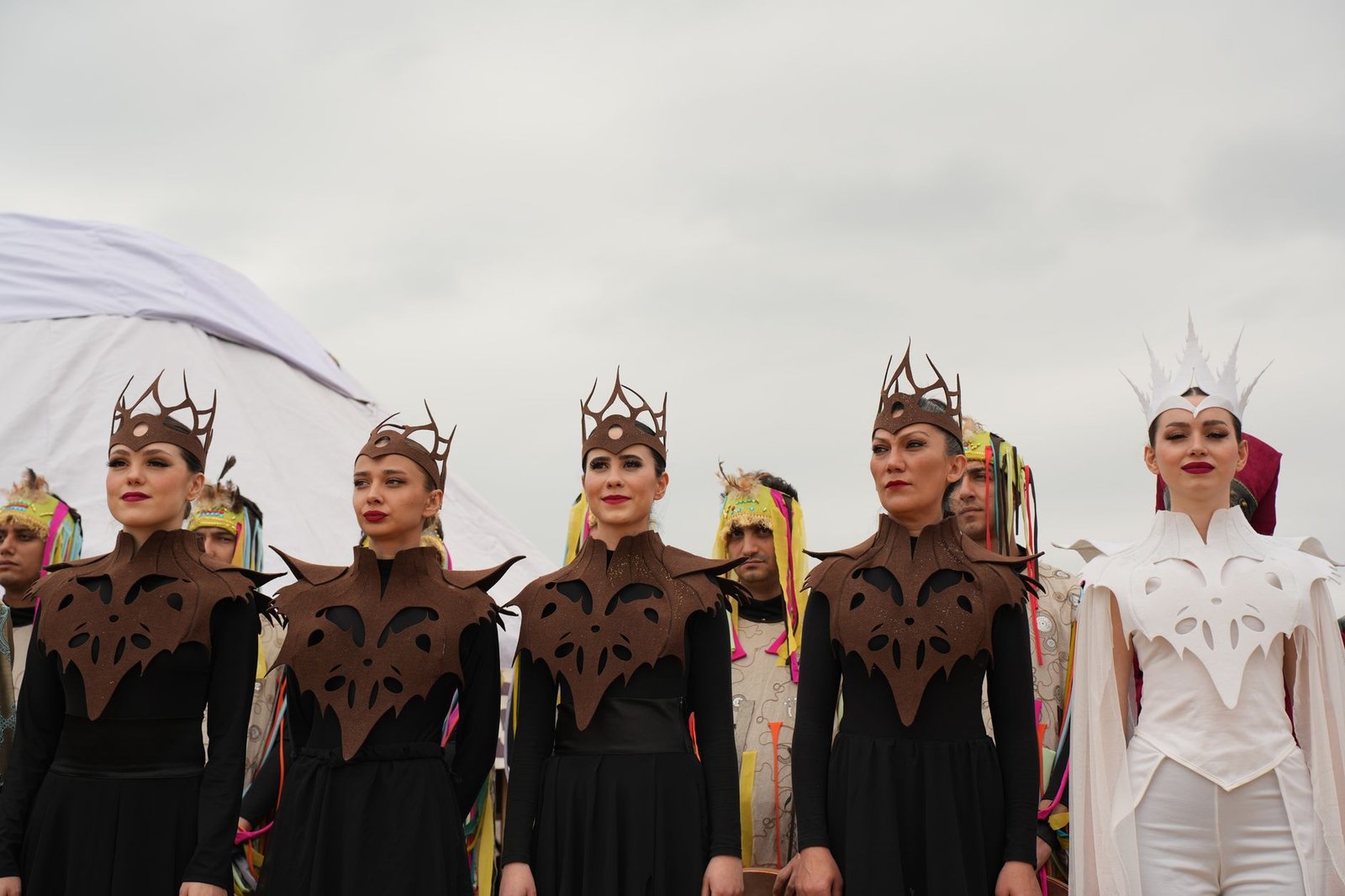
The **Tuatha Dé Danann vs Fomorians** conflict is a foundational episode in Irish mythology, portraying a struggle between supernatural rulers associated with skill, sovereignty, and sacred order, and hostile forces linked to chaos, oppression, and the perilous margins of the world. Centered on the Second Battle of Mag Tuired, the story reveals how medieval Irish writers preserved older mythic ideas while shaping a complex narrative that still invites closer reading.
Rhiannon: Meaning, Mythology, and Cultural Origins
Rhiannon is a celebrated figure in Welsh mythology, best known from the Mabinogion as a majestic and enigmatic woman linked to sovereignty, horses, and the supernatural. Her stories—at once tragic, royal, and symbolic—reveal why she remains central to discussions of Celtic legend, and why her legacy continues to invite closer reading.
Ogma: Irish Mythology’s God of Eloquence and Writing
Ogma is a central figure in Irish mythology, celebrated as a god of eloquence, learning, and sacred speech among the Tuatha Dé Danann. Closely linked with ogham and also remembered as a warrior, Ogma reveals how early Irish tradition united intellectual power, language, and martial strength in a single revered figure.

Nuada: Irish Mythology’s Legendary High King
Nuada is a central figure in Irish mythology, celebrated as king of the Tuatha Dé Danann and a ruler whose right to govern depends on honor, wholeness, and legitimacy. Best known as Nuada Airgetlám, or “Nuada of the Silver Hand,” he appears in key medieval texts in stories of battle, healing, and the restoration of rightful kingship.
Morrigan: Celtic Goddess of War and Fate
Morrigan is a central figure in early Irish mythology, associated with war, sovereignty, prophecy, fate, and the shifting meanings of battle. Yet medieval sources present her in varying forms and roles, leaving open questions about her name, origins, and place within Celtic tradition.

Manannán mac Lir: Celtic Sea God and Mythology
Manannán mac Lir is a central figure in Irish mythology, often portrayed as a sea deity, Otherworld ruler, and guardian of travel, hospitality, and hidden knowledge. Across medieval sources, his shifting roles as god, king, or magician reveal a complex tradition that links the Irish Sea, the Isle of Man, and the mysteries of the sídhe.
Macha: Meaning, Origins, and Cultural Significance
Macha is a layered figure in Irish mythology, associated with sovereignty, war, fertility, horses, and the land of Ulster. Exploring her many forms in medieval sources reveals how pre-Christian tradition, kingship, and legendary history were woven together in early Irish literature.

Lugh: Celtic God of Light, Skill, and Kingship
Lugh is a central figure in Irish mythology, celebrated as a warrior, craftsman, sovereign deity, and master of many skills. This excerpt traces his role in the Second Battle of Mag Tuired, the debated origins of his name, and his enduring presence in traditions such as Lughnasadh, revealing why his mythic importance extends beyond any single divine function.
Is the Morrigan One Goddess or Three? Explained
The question **Is the Morrigan one goddess or three** sits at the heart of Irish mythological scholarship, because medieval sources present Morrígan both as a singular goddess of war and prophecy and as part of a shifting trio with Badb and Macha. Exploring these overlapping traditions reveals how ancient texts preserve divine figures in layered, sometimes contradictory forms, inviting closer reading of their names, roles, and meanings.
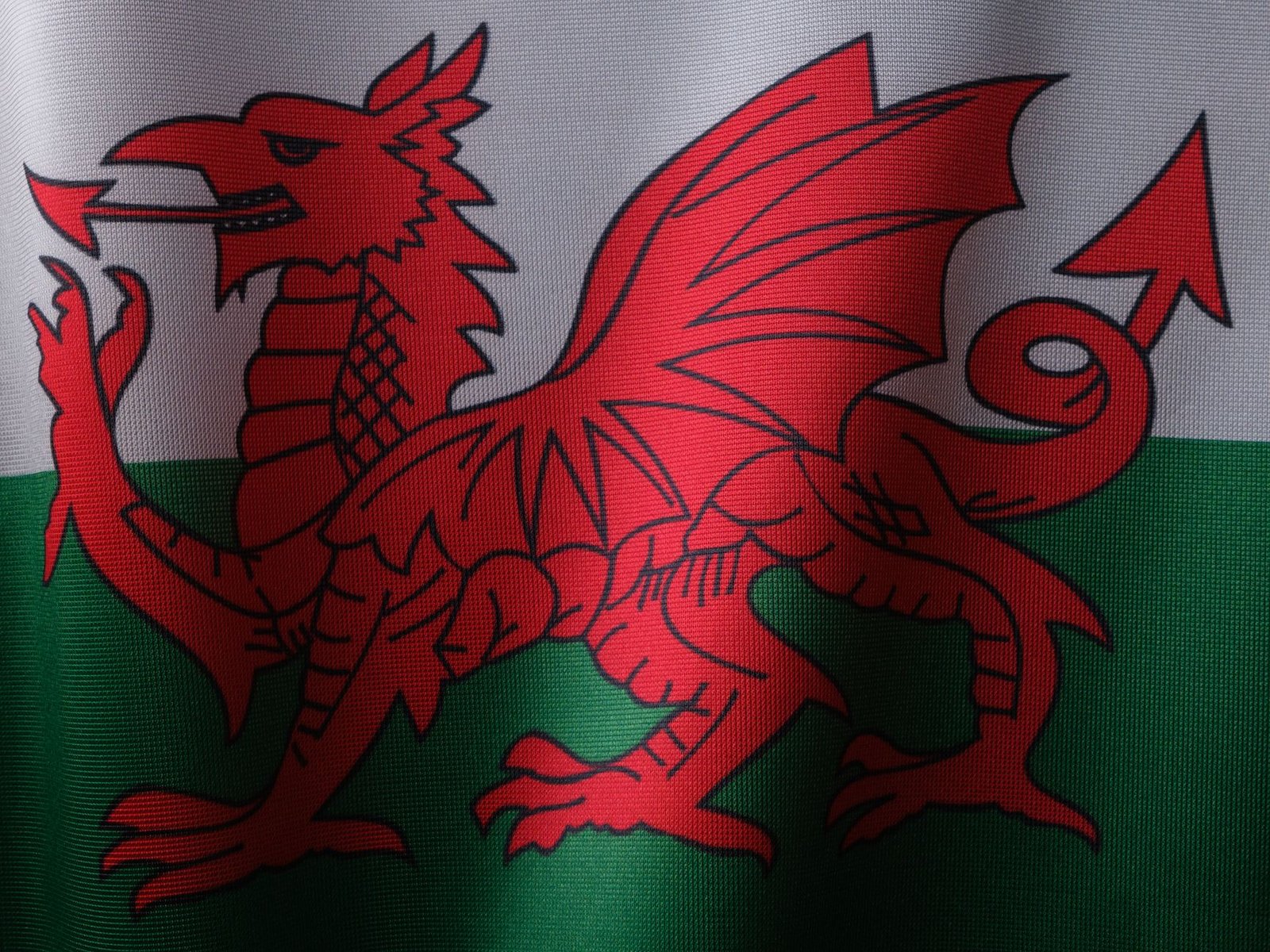
Lleu Llaw Gyffes: Welsh Mythology and Legend
Lleu Llaw Gyffes stands at the center of Welsh mythology as a hero whose extraordinary birth, hidden lineage, and repeated trials shape one of the most intricate episodes in the Mabinogi. This excerpt introduces the meaning of his name, his place in medieval Welsh literature, and the themes of sovereignty, enchantment, and betrayal that make his legend enduring.