Celtic Gods
How Many Celtic Gods Are There? Complete Guide
How many Celtic gods are there? The answer is not fixed, because Celtic religion was never preserved in a single canon; instead, scattered inscriptions, manuscripts, archaeology, and folklore reveal dozens, perhaps hundreds, of regional and local deities. This article explains why the number is so elusive and what the surviving evidence reveals about Celtic belief.
Irish vs Welsh Celtic Mythology: Key Differences Explained
Irish vs Welsh Celtic mythology compares two closely related yet distinct traditions preserved in medieval Irish and Welsh literature, each shaped by different historical and Christianizing contexts. Their stories share Celtic themes of the Otherworld, sacred kingship, and supernatural conflict, while revealing striking differences in narrative style, heroes, and the cultural world they reflect.
Gwydion: Welsh Mythology Character and Hero
Gwydion is a central figure in Welsh mythology and medieval literature, remembered as a magician, poet, strategist, and shape-shifter whose deeds in the Mabinogion reveal the power of language, illusion, and transformation. Blending brilliance with deception, he stands at the heart of some of the most studied tales in Celtic tradition, where his actions continue to invite debate and discovery.
Flidais: Irish Goddess of Wildlife and Cattle
Flidais is a figure from Irish mythology linked to wild animals, cattle, abundance, and the untamed forces of nature. Preserved in scattered medieval sources, she offers a revealing glimpse into how pre-Christian Irish tradition imagined fertility, sovereignty, and the powerful women who stood at the edge of myth.
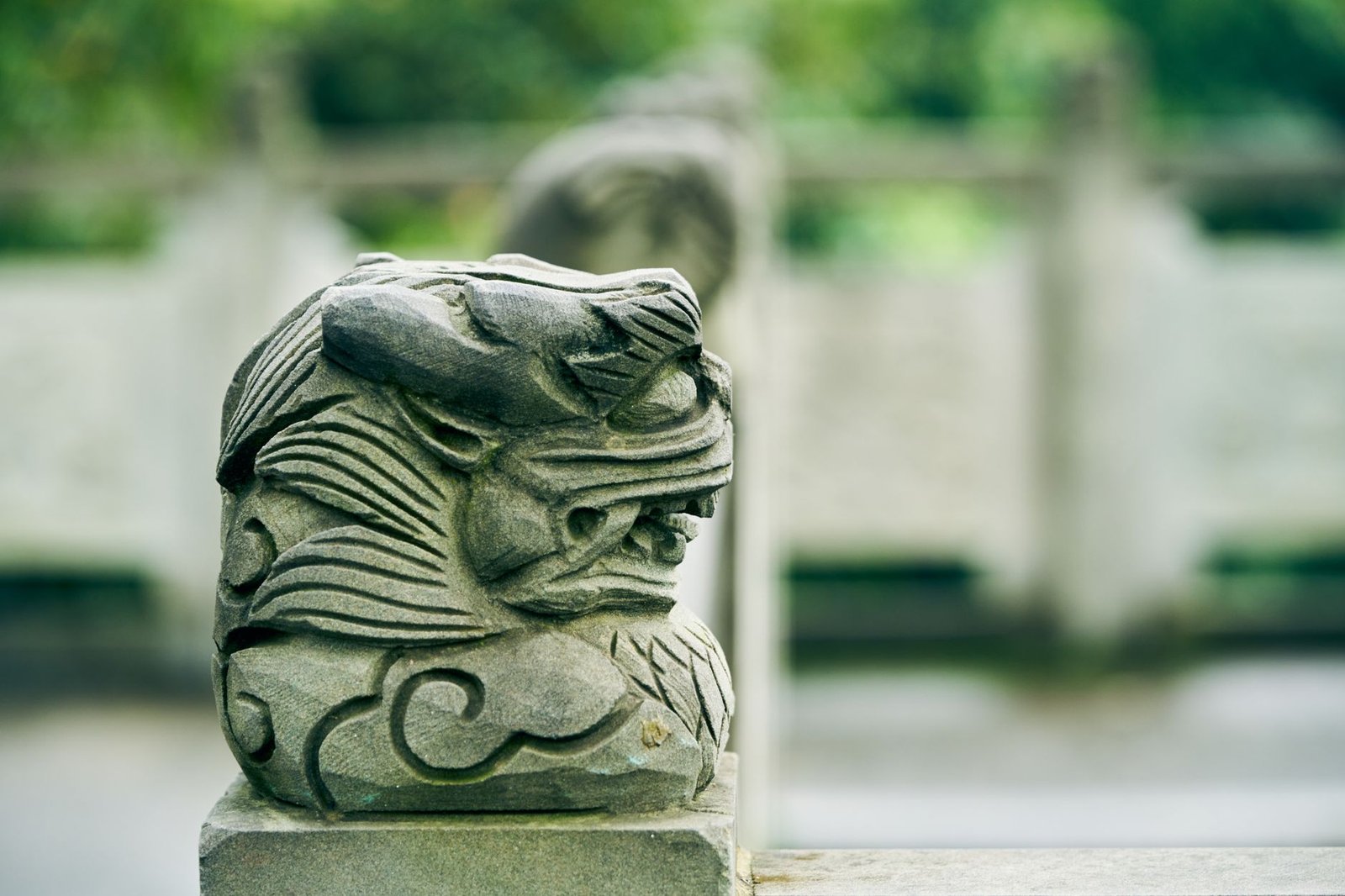
Goibniu: Irish Mythology’s Smith God and Craftsman
Goibniu is a central figure in Irish mythology, renowned as the divine smith of the Tuatha Dé Danann and a master of metalwork, healing, and ritual hospitality. His scattered appearances in medieval sources hint at a richer tradition, inviting readers to explore how craftsmanship and supernatural power intertwined in early Irish belief.
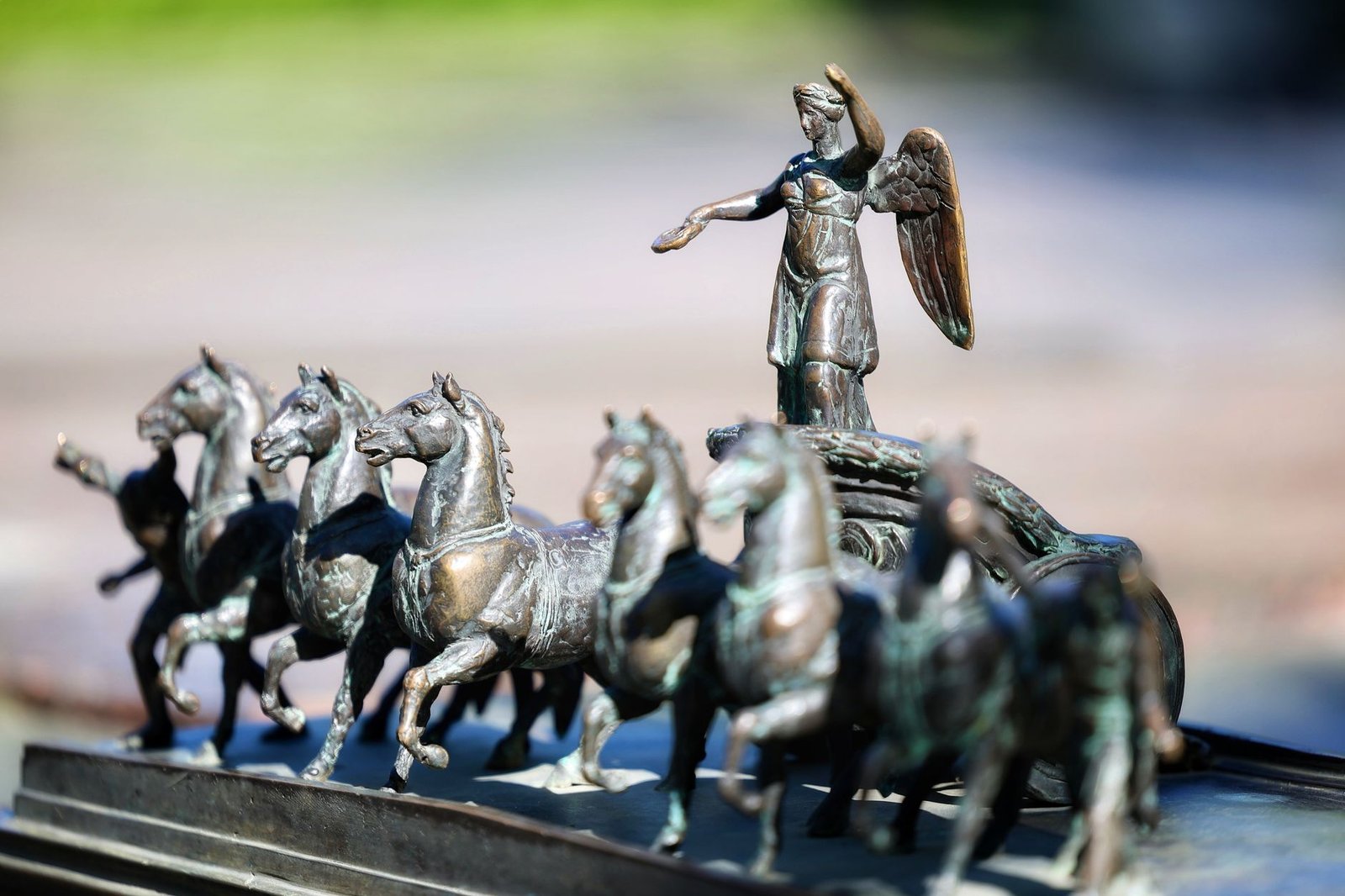
Etain: History, Meaning, and Cultural Significance
Etain is one of the most enduring figures in early Irish mythology, best known from the medieval tale *Tochmarc Étaíne*, where love, transformation, and supernatural rivalry shape her fate. Her story connects kingship, rebirth, and the otherworld, revealing why Etain remains central to discussions of sovereignty and mythic identity in Gaelic tradition.
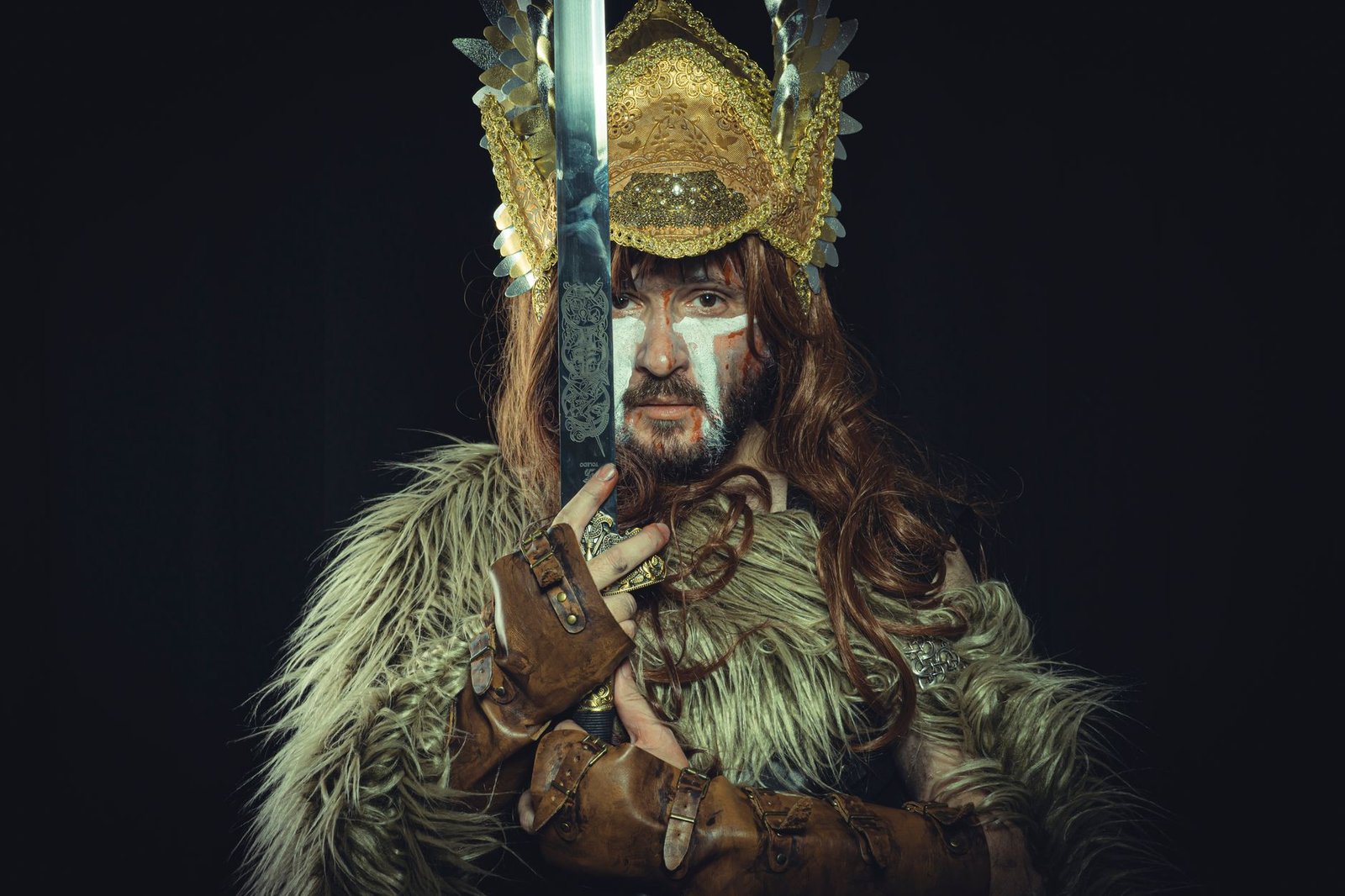
Ériu: Irish Goddess and Mythological Figure
Ériu is a central figure in Irish mythology, a goddess-like personification of Ireland and a member of the Tuatha Dé Danann. Her name lies behind Éire and Erin, and her story connects sovereignty, sacred landscape, and the mythic origins of the island’s identity.
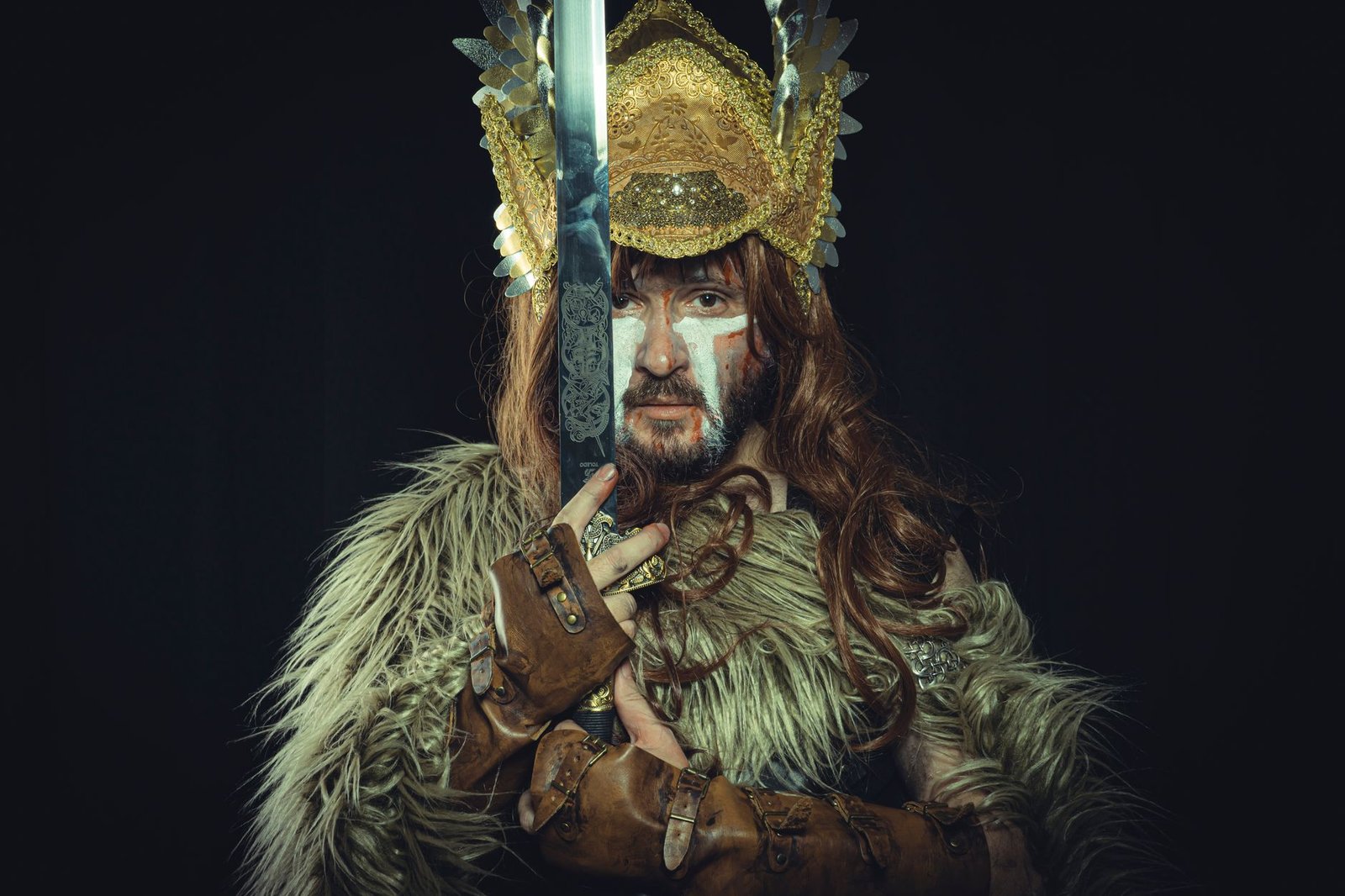
Donn: Meaning, Origin, and Cultural Significance
Donn is a central figure in Irish mythology, remembered as a primordial ancestor and a ruler of the dead whose presence links kingship, ancestry, and the otherworld. Often associated with Tech Duinn, the “House of Donn,” he reveals how early Irish tradition imagined death not as an ending, but as a passage into a sacred ancestral realm.
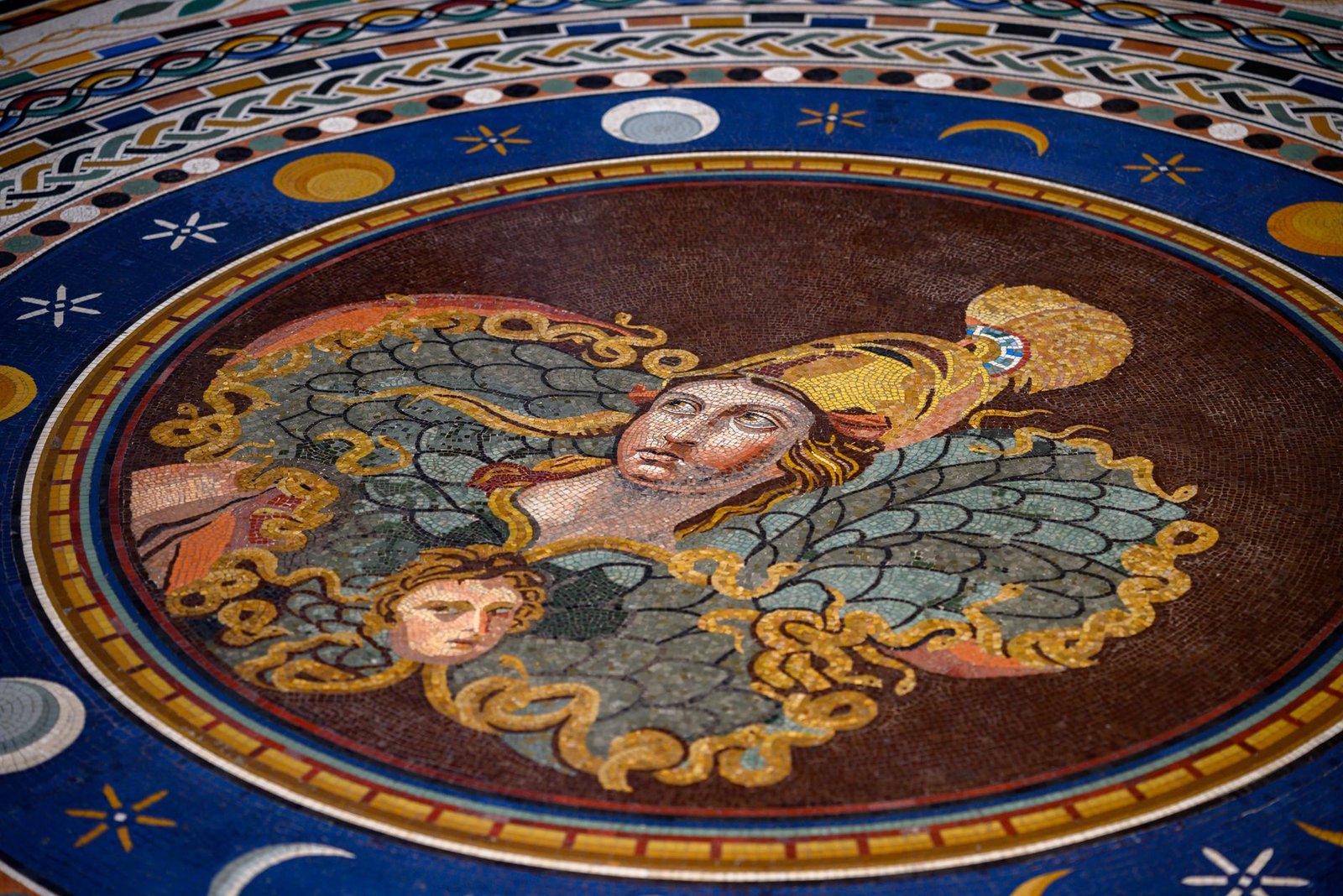
Dian Cecht: Irish Mythology God of Healing
Dian Cecht is a central healing deity in Irish mythology, revered as the divine physician of the Tuatha Dé Danann and celebrated for restoring warriors, replacing lost limbs, and performing miraculous cures. Yet his legends also reveal a complex figure whose medical skill, rivalry, and moral ambiguity illuminate the deeper role of healing in medieval Irish tradition.
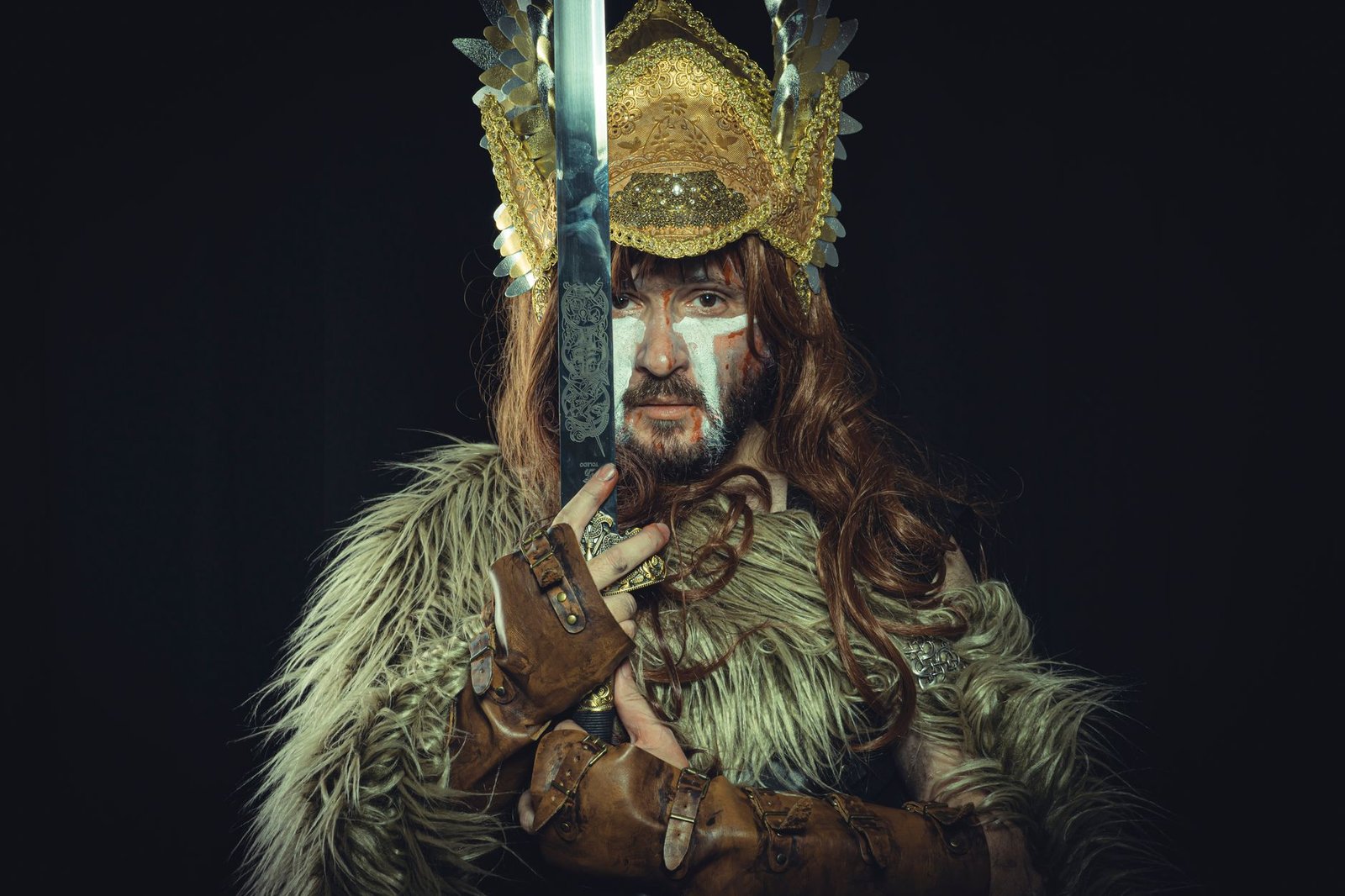
Dagda: Irish Mythology God of Abundance and Wisdom
Dagda is a central figure in Irish mythology, portrayed as a powerful deity of the Tuatha Dé Danann who governs fertility, wisdom, kingship, and abundance. Exploring his name, powers, and legendary role reveals how medieval texts preserved a complex divine figure whose influence reaches across myth, sovereignty, and the older religious imagination of Ireland.