Merrow
Introduction
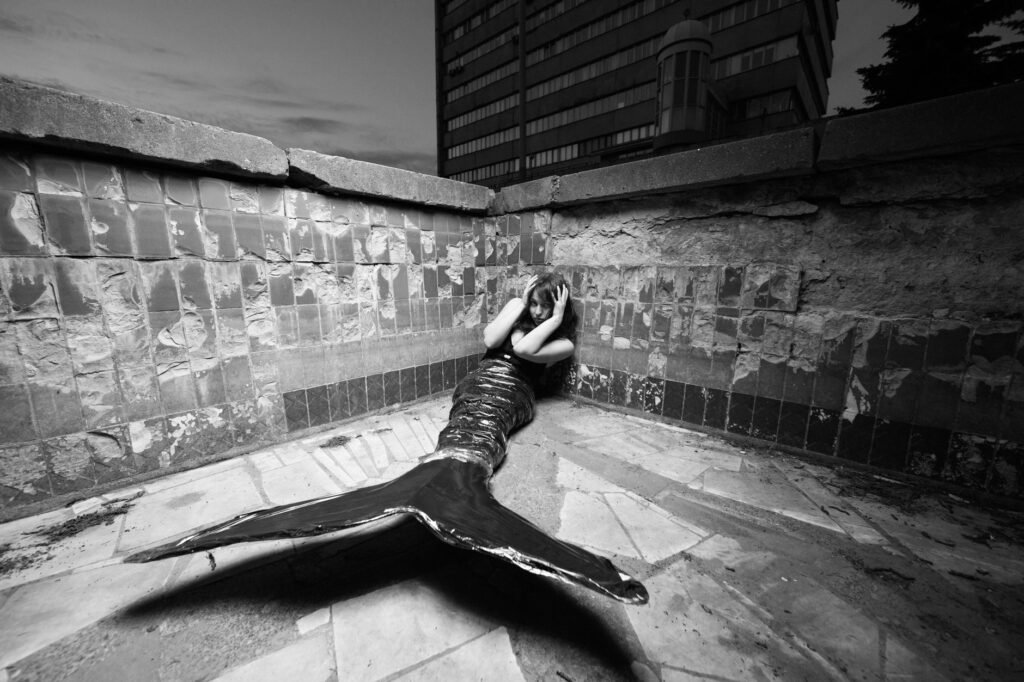
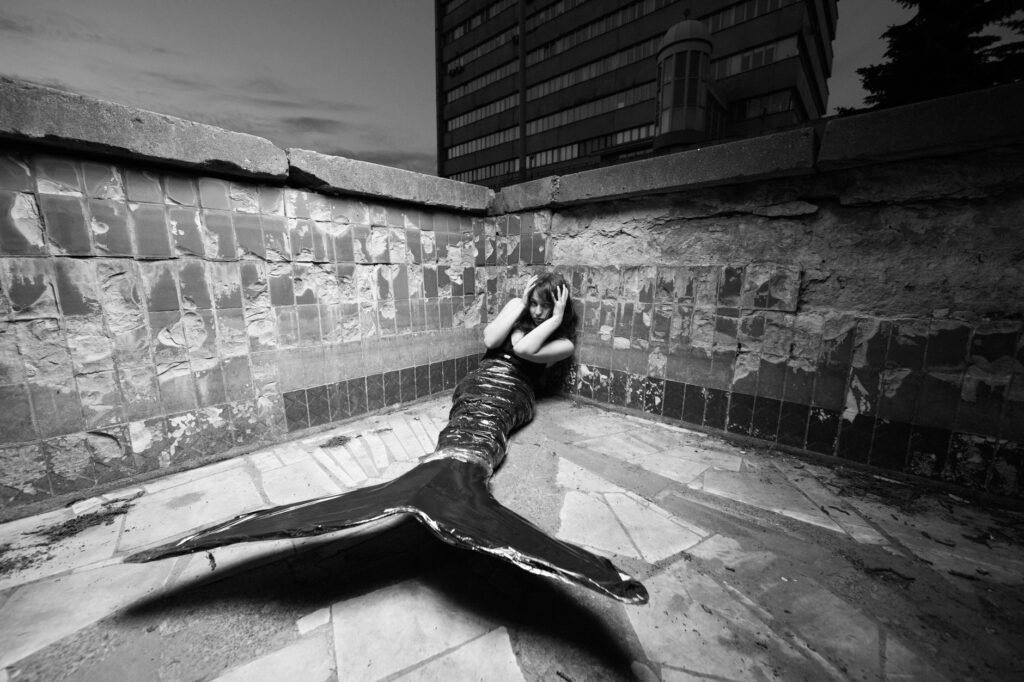
A merrow is a figure from Irish and broader Celtic folklore, generally understood as a mermaid-like sea being. In some traditions, the merrow is female and beautiful, while in others the term can apply to male counterparts as well. Merrows appear in stories of coastal communities, fishing cultures, and Gaelic-speaking regions, where they embody both the danger and allure of the sea.
Unlike the more standardized mermaid of later European literature, the merrow belongs to a distinctly local tradition. Accounts of merrows vary from place to place, but they commonly share several features: an otherworldly presence, a close association with the ocean, and objects or traits that mark them as beings between human and supernatural worlds. Their stories are important because they preserve older Irish beliefs about water spirits, survival at sea, and the permeability between the human world and the Otherworld.
Origin and Meaning
The word merrow is commonly connected to the Irish Gaelic term moruadh or murúch, both of which have been used in folklore for sea beings resembling mermaids. The precise etymology is not entirely fixed, and spelling varies across manuscripts, oral traditions, and later retellings. In English-language sources, merrow became a conventional rendering for these Irish sea creatures.
The name is often treated as a regional adaptation rather than a single, ancient technical term. Because Irish folklore was transmitted orally for centuries, different collectors and storytellers recorded related but not identical forms of the word. This makes the history of the term somewhat fluid. What is clear is that the merrow belongs to the maritime supernatural vocabulary of Ireland and nearby Celtic-speaking areas.
Historical Context
Merrow traditions developed in societies where the sea was central to everyday life. For coastal Ireland, the ocean was a source of food, travel, trade, danger, and mystery. Fishing communities and island populations lived with storms, shipwrecks, and changing tides. Folklore about sea spirits helped explain and humanize these experiences.
The merrow also belongs to a broader Celtic worldview in which sacred landscapes, hidden beings, and the Otherworld coexist alongside ordinary life. In Irish tradition, supernatural beings are not always remote or abstract; they may inhabit lakes, islands, caves, or the open sea and interact directly with people. Merrow stories often reflect this worldview by portraying encounters between humans and marine beings as possible, but risky.
Later antiquarian and folkloristic writings, especially from the 18th and 19th centuries, helped preserve merrow accounts in print. These sources are valuable, though they may reflect the collectors’ own interpretations, translation choices, or romanticized framing. As a result, modern readers should treat merrow traditions as part folklore, part literary record, and part cultural memory.
Main Characteristics
Merrows are usually described as human-like sea beings with features that distinguish them from ordinary humans and from classical Mediterranean mermaids.
Common features in folklore
- Aquatic nature: Merrows live in the sea and are strongly associated with coasts, harbors, and deep water.
- Human resemblance: They often appear beautiful and nearly human, especially in female form.
- Distinctive clothing or objects: Many stories emphasize a magical garment, cap, or skin item that allows the merrow to move between sea and land.
- Transformative ability: Some traditions suggest merrows can cross between forms or worlds by means of their special gear.
- Ambiguous moral character: They are not consistently benevolent or malevolent. Some accounts present them as helpful; others warn that they are dangerous to humans, especially sailors.
A well-known folk motif associated with Irish merrows is the coinnleann-draíochta or magical cap/coat theme, though the details vary. In some stories, if a human acquires the merrow’s cap or garment, the merrow may be unable to return to the sea. Such tales resemble wider European folk patterns about supernatural beings whose powers depend on a hidden object.
Female and male merrows
Many popular retellings focus on female merrows, but some traditions also refer to male merrows. These male beings are often described less favorably than the female ones, sometimes as more grotesque or fish-like. This contrast appears in several folktale collections and may reflect a storytelling tendency to idealize the female merrow while rendering the male counterpart as uncanny or repulsive.
Family and Genealogy
Merrows are generally not treated as members of a fixed divine genealogy in the way that gods or heroic lineages are in classical myth. They are usually folklore beings rather than figures with a formal family tree.
That said, traditions sometimes describe merrows as having:
- Spouses or companions among their own kind
- Children in underwater communities
- Relations to other sea spirits or enchanted beings
Because merrow stories are locally transmitted, genealogy is inconsistent. One tale may emphasize an individual merrow’s relationship with a human, while another may treat merrows as a hidden population living beneath the waves. In most sources, they are presented less as a named dynasty than as a species or class of beings.
Symbols
Merrows are associated with symbolic objects and motifs rather than a fixed set of sacred insignia. Their symbolism centers on the boundary between land and sea.
Key symbols associated with merrows
| Symbol | Meaning |
|---|---|
| Comb | A frequent motif in mermaid and merrow lore; linked to beauty, vanity, and the sea’s enchantment |
| Cap, coat, or skin garment | A magical object enabling movement between sea and land |
| Shells | The ocean, fertility, and hidden life |
| Tides | Changeability, liminality, and the pull between two worlds |
| Green or sea-colored imagery | Marine identity, fertility, and supernatural otherness |
The comb is especially notable in many coastal folktales involving sea women. It may be used as a storytelling device to lure human attention or to symbolize the merrow’s intimate connection with grooming, beauty, and the sea’s treasures.
Sacred Animals
No single animal is universally or formally sacred to the merrow, but several animals are closely associated with merrow lore.
Commonly associated animals
- Fish: The most direct symbol of marine life and the sea’s abundance.
- Seals: In Celtic folklore more broadly, seals often stand near the boundary between human and marine worlds, making them natural companions to merrow narratives.
- Birds: Seabirds may act as omens, messengers, or part of the coastal atmosphere surrounding merrow tales.
- Horses: In some Irish and Celtic traditions, horses symbolize coastal power, the sea’s speed, and the movement between worlds.
These associations are symbolic rather than doctrinal. Merrow stories are not based on a formal worship system in which animals are ritually sacred. Instead, the animals help reinforce the atmosphere and meaning of the folklore.
Sacred Plants
Traditional merrow lore does not identify a fixed set of sacred plants. However, certain coastal and maritime plants appear naturally in the broader environment of these stories.
Plants frequently linked by context
- Seaweed: A natural symbol of the shore, tide, and underwater world
- Reeds and marsh grasses: Common in liminal spaces between land and water
- Holly or rowan in Celtic folklore generally: Protective plants in wider Irish tradition, sometimes relevant when people seek protection from supernatural beings
Because merrows are not part of a formal cult, plant associations are usually indirect and symbolic rather than liturgical. They arise from folklore environments in which plants mark boundaries, protection, or maritime ecology.
Sacred Places
Merrows are most strongly associated with the sea itself, especially places where land and water meet. They are often linked to:
- Coastlines
- Harbors
- Rocky coves
- Sea caves
- Offshore islands
- Tidal pools and estuaries
In Irish folklore, islands are especially important because they frequently function as entrances to the Otherworld. A merrow may inhabit hidden underwater places or remote coastal realms inaccessible to ordinary people.
Some stories place merrows near particular bays or fishing grounds, but these locations usually vary by region. There is no single universally recognized merrow sanctuary in the way that a temple or shrine might exist in a formal religion.
Powers and Attributes
Merrows are endowed with powers that reflect their marine nature and folkloric status as liminal beings.
Main powers and attributes
- Aquatic habitation: They can live beneath the sea.
- Transformation or transition: They may move between marine and terrestrial spaces, often through magical objects.
- Enchantment: Their beauty or music may attract humans.
- Prophetic or uncanny knowledge: Like many folklore beings, they may possess insight beyond human understanding, though this is not universal.
- Control over attraction and danger: Their presence can bring fascination, love, misfortune, or ship-related peril.
Merrows are often portrayed as neither purely demonic nor purely benevolent. This ambiguity is typical of water spirits in many traditions. The sea nourishes life, but it can also destroy it. Merrows therefore reflect a worldview in which beauty and threat are inseparable.
Main Myths
Merrow myths vary widely, and no single authoritative narrative defines the figure. Still, several recurring tale types appear in Irish and Celtic folklore.
The sea bride motif
One common pattern involves a merrow or mermaid who interacts with a human man, often a fisherman or sailor. She may fall in love, marry, or bear children. These stories frequently end in separation, usually because the merrow returns to the sea or because the human violates a condition of the relationship.
This motif explores the tension between desire and impossibility. The sea bride is close enough to love, yet ultimately belongs to another realm.
The magical garment motif
Another recurring story involves a merrow’s special cap, coat, or seal-skin-like garment. If a human hides or steals it, the merrow may be trapped on land and unable to return to the ocean. This tale type appears in many European traditions, though the details differ by region.
In Irish versions, the motif often carries a cautionary tone. The human may gain a spouse or servant, but the relationship is unstable and ethically complicated. The merrow’s inability to return home creates an uneasy imbalance.
Encounters at sea
Some tales describe merrows appearing to sailors, combing their hair, singing, or sitting on rocks near the shore. These scenes emphasize the merrow as a visible yet untouchable manifestation of the sea’s mystery. The merrow may foretell weather, tragedy, or fortune, but the exact meaning varies.
The dangerous male merrow
Certain traditions distinguish a more monstrous male merrow from the beautiful female version. In these stories, the male is sometimes described with green hair, teeth, or fish-like features. This contrast may serve a narrative purpose: the alluring sea woman draws humans in, while the male embodiment reminds listeners of the sea’s strangeness.
Relationship with Other Mythological Figures
Merrows are part of a larger network of Irish and Celtic supernatural beings. Their relationships are best understood through comparison rather than fixed mythology.
Similar beings in Irish and Celtic tradition
- Selkies: Seal-people who shed their skins and may marry humans.
- Banshees: Female supernatural beings whose mournful cries foretell death.
- Áine, Manannán, and other mythic figures connected to water or sovereignty: Not merrows themselves, but sometimes relevant to broader Irish mythic landscapes.
- Fairies and the Aos Sí: Merrows are sometimes discussed within the general framework of fairy beings, though they are more specifically marine.
Connections and contrasts
Merrows differ from selkies in that merrows are typically presented as fish- or mermaid-like rather than seal-human beings. They also differ from land-based fairies in their strong connection to the ocean. Still, all these beings share key folklore traits: they inhabit a parallel world, interact with humans under special conditions, and embody the instability of boundaries.
Worship and Cult
There is no evidence of formal worship of merrows as deities in the way one would worship a god in an organized religious system. Merrow tradition belongs to folklore rather than established cult practice.
However, merrows were part of the imaginative and practical world of coastal belief. People might respond to them through:
- Cautionary storytelling
- Protective charms or prayers
- Respectful avoidance of certain coastal places
- Ritualized behavior at sea, especially in contexts where people feared storms, accidents, or supernatural encounters
In folklore, belief does not always require formal worship. The merrow could be acknowledged through habits, taboos, and narrative warnings. This practical relationship between people and the supernatural was especially strong in maritime communities.
Ancient Sources
Merrows are not well documented in the ancient classical canon, since they belong primarily to Irish vernacular tradition rather than Greco-Roman mythology. The most useful sources are later folkloric and antiquarian records, especially those preserving oral Irish material.
Important source traditions
- Irish oral folklore: The principal foundation of merrow lore.
- 19th-century folklore collectors: They recorded sea-fairy traditions from local informants.
- Writers on Irish folklore and fairy belief: These authors helped popularize the term in English.
Because merrow narratives were transmitted orally, exact authorship is often unavailable or mixed. Different collectors may preserve different versions of the same tale. For that reason, no single text should be treated as definitive.
On classical authors
Classical writers such as Homer, Hesiod, Apollodorus, Pausanias, and Ovid do not provide a standard merrow mythology in the way they do for Greek gods and heroes. Any comparison with classical sirens or nereids is interpretive, not textual. Scholars and folklorists sometimes compare merrows to Mediterranean sea women, but the merrow itself is an Irish tradition.
Roman Equivalent
There is no direct Roman equivalent to the merrow. The closest analogues in Roman-influenced literature are:
- Nereids
- Nymphs of the sea
- Sirens in later literary tradition
These figures share broad features with merrows, especially beauty, marine associations, and a connection to human danger or desire. However, none is an exact counterpart. The merrow remains distinctly Irish in folklore context, narrative style, and cultural meaning.
Influence on Modern Culture
Merrows have influenced modern portrayals of mermaids and Celtic fantasy more broadly. While they are less globally famous than standard mermaid imagery, they appear in literature, art, folklore collections, and modern retellings of Irish myth.
Areas of influence
- Literature: Authors drawing on Irish folklore sometimes include merrows as part of sea-themed or fairy-themed worlds.
- Fantasy fiction: Merrows contribute to the broader idea of localized, culturally specific mermaid beings.
- Illustration and visual art: Artists often emphasize the merrow’s Celtic identity through green tones, coastal settings, and folkloric costumes.
- Games and role-playing settings: Celtic-inspired fantasy frequently uses merrow-like beings, though names and traits may shift.
- Popular folklore compilations: The merrow remains a recognizable figure in books about Irish legends, fairy lore, and supernatural beings.
In modern culture, merrows are sometimes simplified into generic mermaids. More careful retellings preserve their Irish identity and their role as liminal sea folk rather than universal fairy-tale icons.
Curiosities
- The merrow is sometimes treated as less standardized than the modern mermaid, which allows for more local variation in stories.
- Some Irish tales distinguish sharply between beautiful merrow women and ugly or strange merrow men.
- The merrow often appears in stories as a being whose power depends on a magical object, a motif found across many folklore traditions.
- Because merrows are coastal beings, their stories often mirror the real concerns of fishing communities, including weather, shipwrecks, and the unpredictability of the sea.
- The figure illustrates a common feature of Celtic folklore: supernatural beings are often tied to specific places and are not merely abstract symbols.
- The word merrow is used more often in English-language folklore studies than in everyday Irish speech, where related Gaelic terms may appear instead.
Frequently Asked Questions
What is a merrow?
A merrow is an Irish folklore being similar to a mermaid, associated with the sea, coastal places, and the Otherworld. In some traditions, merrows can be female or male.
Is a merrow the same as a mermaid?
Not exactly. A merrow is often described as mermaid-like, but the figure belongs specifically to Irish and Celtic tradition and may include unique traits such as a magical cap or coat.
Are merrows good or evil?
Merrows are usually neither fully good nor fully evil. They are ambiguous supernatural beings who can be beautiful, helpful, dangerous, or tragic depending on the story.
Where do merrows live?
Merrows are said to live in the sea, especially around coasts, harbors, islands, and other liminal marine places.
Do merrows have magical powers?
Yes. In folklore they may move between sea and land, enchant humans, and possess special garments or objects that enable their abilities.
Are there male merrows?
Yes. Some traditions mention male merrows, though they are often described differently from the female merrow and may appear more monstrous or strange.
Is there evidence of merrow worship?
No formal worship of merrows is known. They belong to folklore rather than an organized religious cult, though they were part of coastal belief and storytelling.
Conclusion
The merrow is a distinctive figure in Irish folklore, representing the sea as a place of beauty, danger, and mystery. Rooted in coastal culture and oral tradition, the merrow reflects the lived experience of communities for whom the ocean was both livelihood and threat. Its stories preserve themes of transformation, longing, taboo, and the crossing of boundaries between human and supernatural realms.
Although merrows are sometimes compared to mermaids, they remain culturally specific beings with a strong Irish identity. Their enduring presence in folklore, literature, and modern fantasy demonstrates the lasting appeal of sea spirits and the rich imaginative world from which the merrow emerged.

Orin Vale has spent the better part of two decades tracing the threads that connect the world’s oldest stories — from the halls of Asgard to the banks of the Nile, from Olympus to the jungles of the Maya. What began as a childhood fascination with flood myths and trickster gods grew into years of independent study across comparative mythology and ancient religion, always chasing the same question: what did these stories mean to the people who first told them? Orin writes for readers who want more than trivia — the ones looking for the beliefs, fears, and truths that myths were built to carry.