Irish folklore
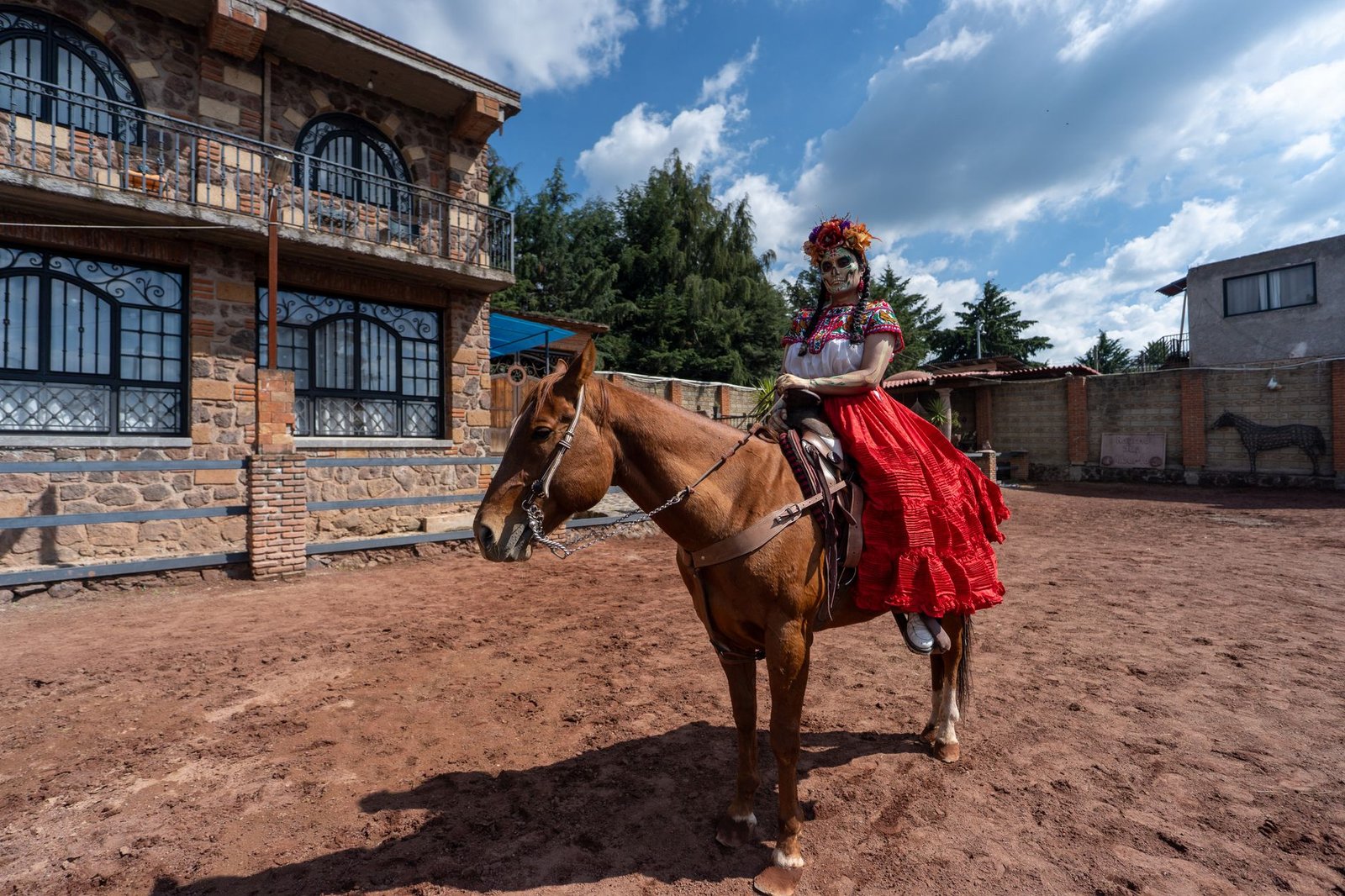
Dullahan: The Headless Horseman of Irish Folklore
The Dullahan is a headless rider of Irish folklore, feared as a dark messenger of death who appears at night on a black horse and announces a mortal’s final hour. This excerpt traces its uncertain origins, regional variations, and enduring place in Celtic tradition, inviting readers to explore how the legend evolved and why it remains so memorable.
Bean Nighe: Scottish Washerwoman Folklore and Meaning
Bean Nighe is a haunting figure of Gaelic folklore, especially in the Scottish Highlands, where she is said to wash the blood-stained clothes of those soon to die. Blending omen, Otherworld presence, and local tradition, she reveals how fear, fate, and memory shape stories of death and the supernatural.
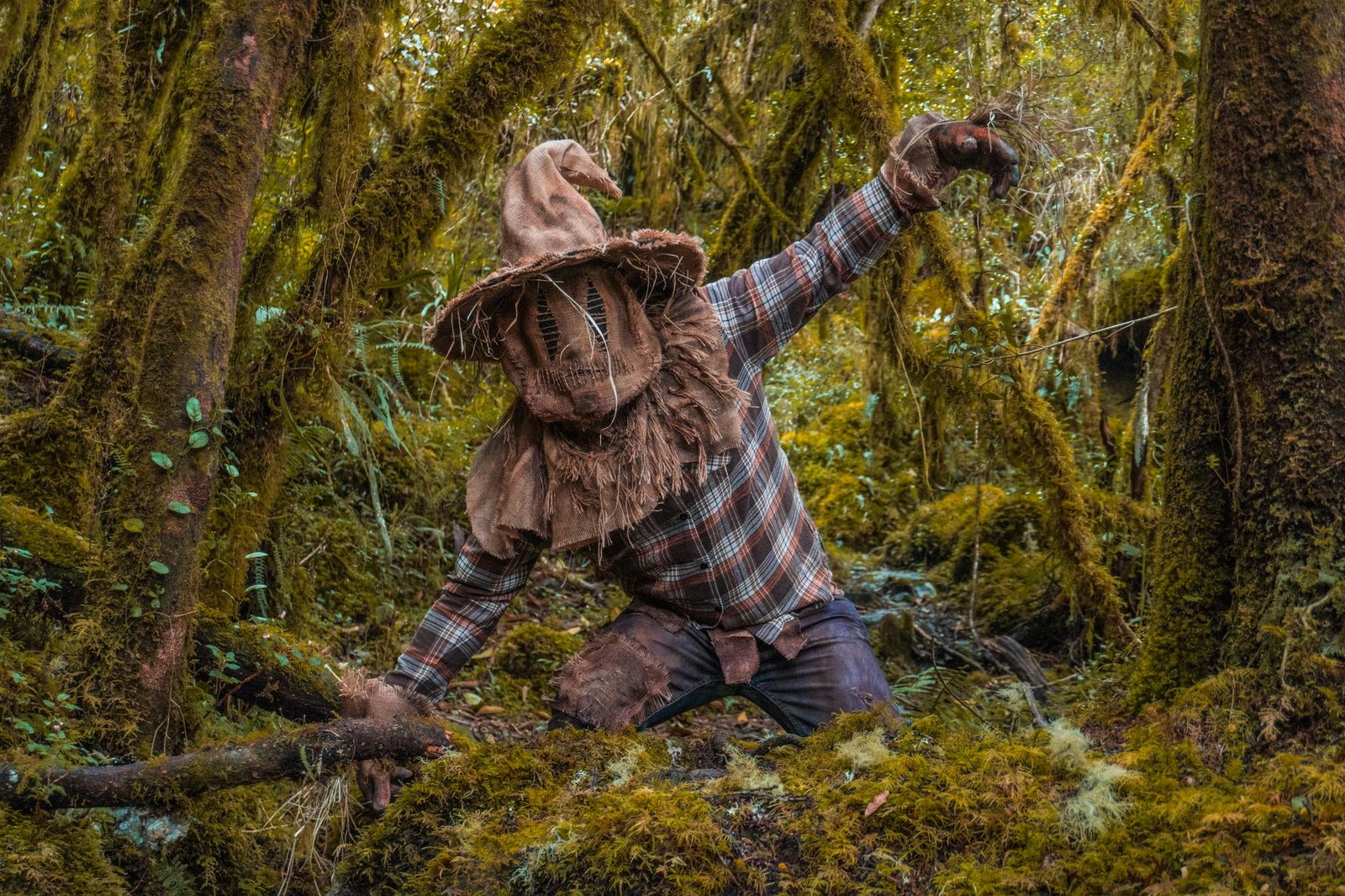
Sluagh Mythology: Origin, Meaning, and Folklore
The **Sluagh** occupy a distinctive place in Scottish and Irish folklore as a hostile host of restless dead, airborne spirits, or night-riding multitudes. Exploring their shifting meanings reveals how Gaelic traditions imagined the boundary between the living and the dead, and why these spectral gatherings inspired lasting fear and fascination.

Merrow: Meaning, Origin, and Mythology Explained
A merrow is a sea spirit from Irish and broader Celtic folklore, often imagined as a mermaid-like being that reflects both the beauty and danger of the ocean. Rooted in coastal oral tradition, the merrow reveals older beliefs about water spirits, the Otherworld, and the fragile boundary between human life and the sea.

Cat Sìth: Celtic Folklore Cat Spirit and Legend
The Cat Sìth is a striking figure from Celtic folklore, especially in Scottish and Irish Gaelic tradition, where it is imagined as a large black cat with a white chest mark and an uncanny link to the Otherworld. Associated with death, funerary customs, and fairy belief, it reveals how everyday animals could become signs of the supernatural—and why its stories still invite close attention.
Banshee vs Dullahan: Irish Mythology Differences
The **banshee vs dullahan** comparison reveals two distinct Irish folklore figures: one a mourning spirit whose cry warns of death, the other a headless rider who seems to bring death itself. Exploring their origins, forms, and cultural meanings shows how Irish tradition uses supernatural messengers to reflect memory, fate, and the fragile boundary between life and the Otherworld.
Dearg Due: Irish Vampire Legend and Folklore
Dearg Due is an Irish vampire legend rooted in folklore, local memory, and later Gothic interpretation rather than a fixed ancient myth. This article examines her name, origins, and cultural meanings, showing how themes of taboo, restless dead, and supernatural femininity shaped a figure that continues to haunt Irish storytelling.
Claddagh Ring: History, Meaning, and Irish Tradition
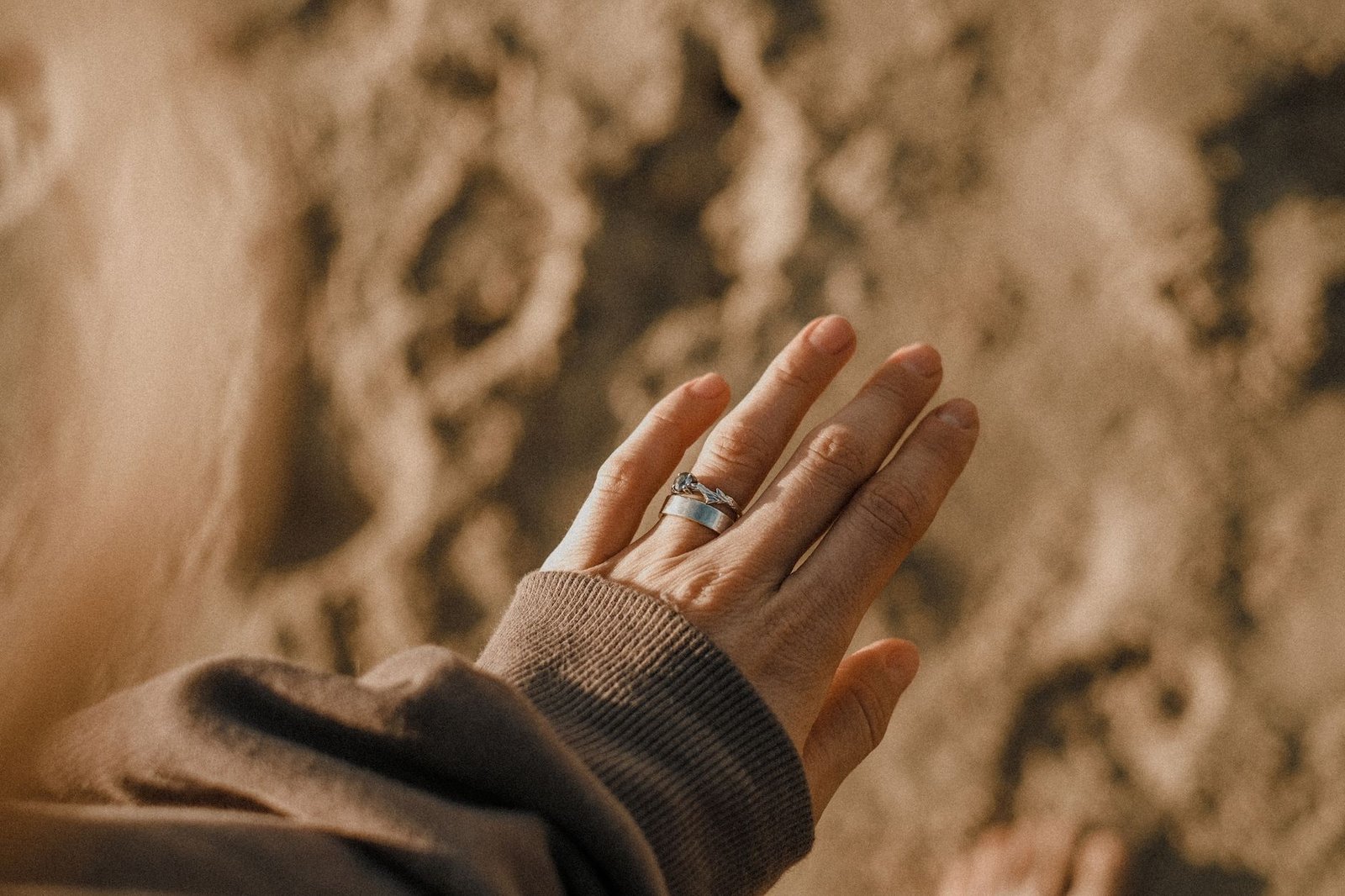
The Claddagh is a distinctive Irish symbol showing two hands clasping a heart crowned with loyalty, and it has long been associated with love, friendship, and heritage. Rooted in Galway’s fishing village of Claddagh, its origins blend local history, legend, and jewelry tradition, inviting a closer look at how this ring became a global emblem.
Morrigan: Celtic Goddess of War and Fate
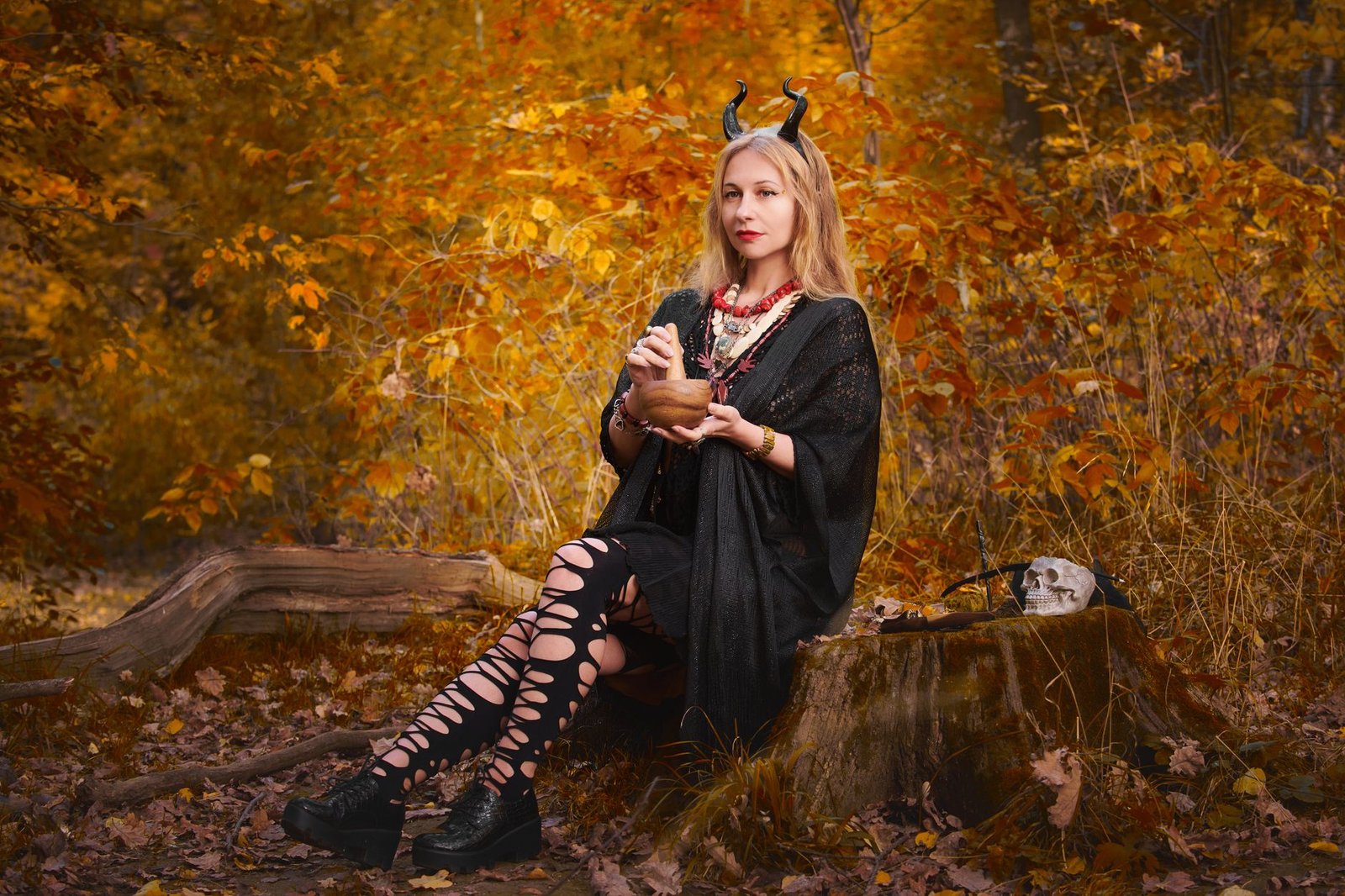
Morrigan is a central figure in early Irish mythology, associated with war, sovereignty, prophecy, fate, and the shifting meanings of battle. Yet medieval sources present her in varying forms and roles, leaving open questions about her name, origins, and place within Celtic tradition.
Macha: Meaning, Origins, and Cultural Significance
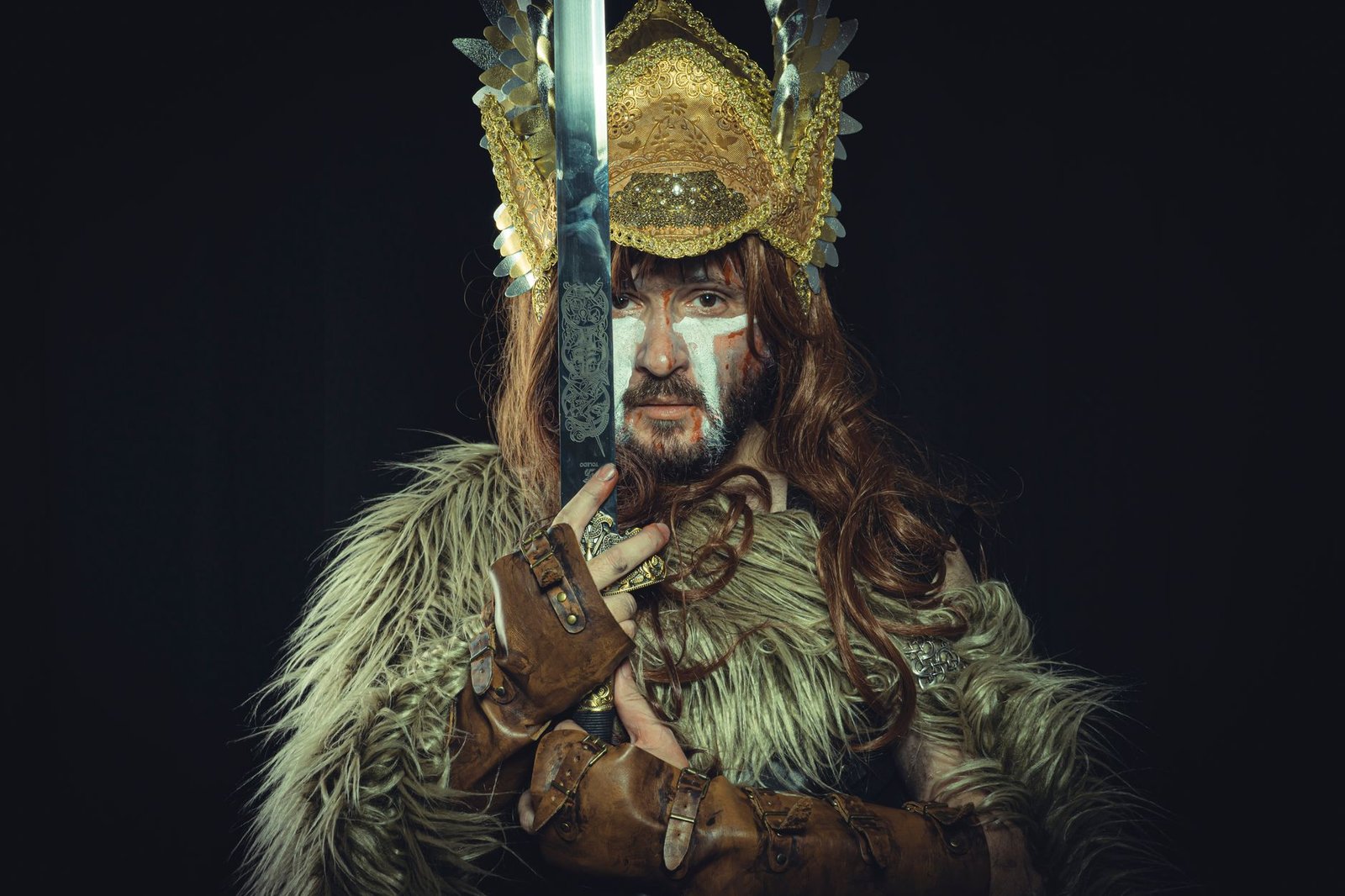
Macha is a layered figure in Irish mythology, associated with sovereignty, war, fertility, horses, and the land of Ulster. Exploring her many forms in medieval sources reveals how pre-Christian tradition, kingship, and legendary history were woven together in early Irish literature.