Celtic Symbols
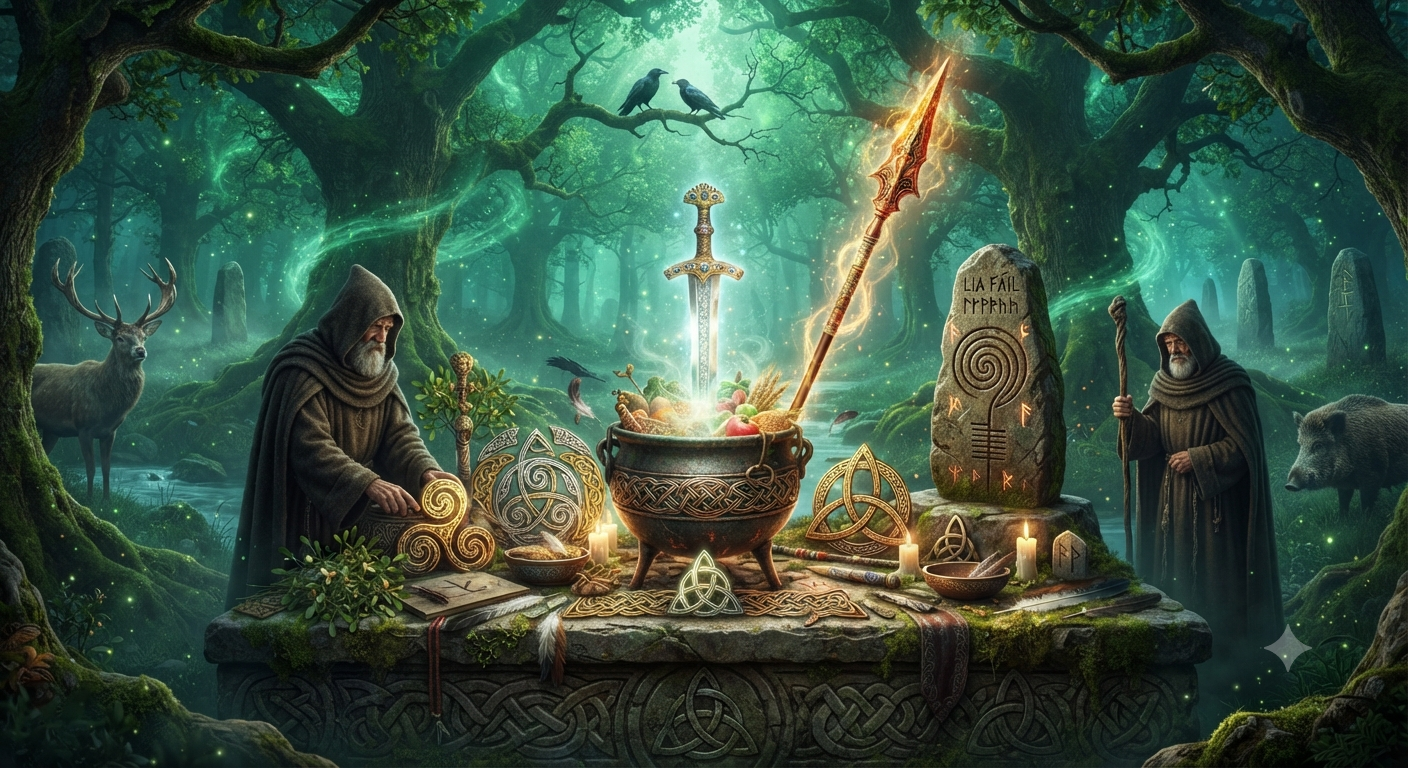
Celtic Symbols: The Complete Guide to the Sacred Objects and Signs of Celtic Mythology
Celtic mythology’s sacred symbols range from the legendary treasures of the Tuatha Dé Danann to sacred trees and animals woven ...
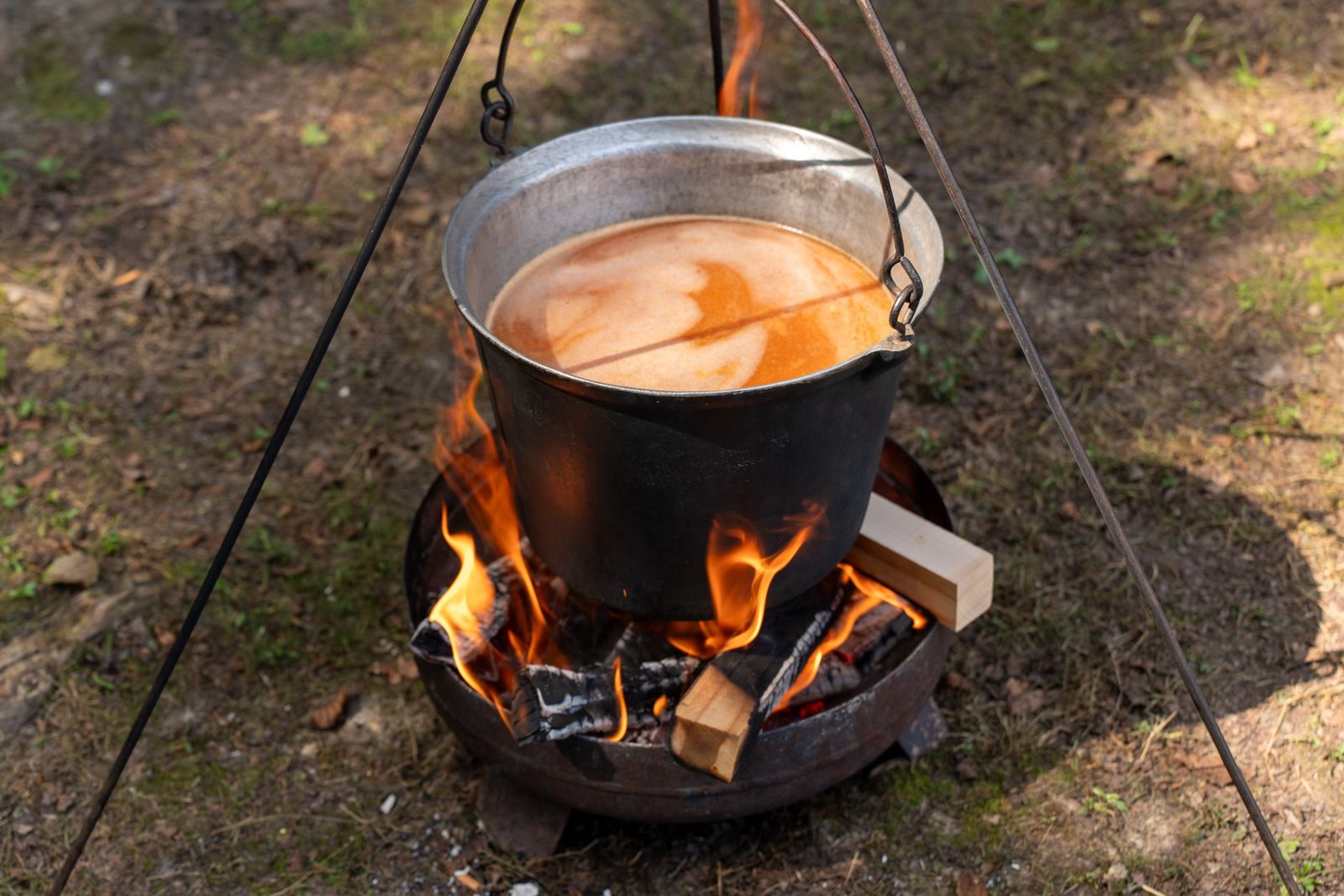
Cauldron of the Dagda: Meaning, Myth and History
The Cauldron of the Dagda is a central object in Irish mythology, linked to the Tuatha Dé Danann and celebrated as a vessel of abundance, hospitality, and sovereignty. Its changing descriptions across sources reveal more than a magical cooking pot, inviting readers to explore its role among the Four Treasures and its wider significance in Celtic tradition.
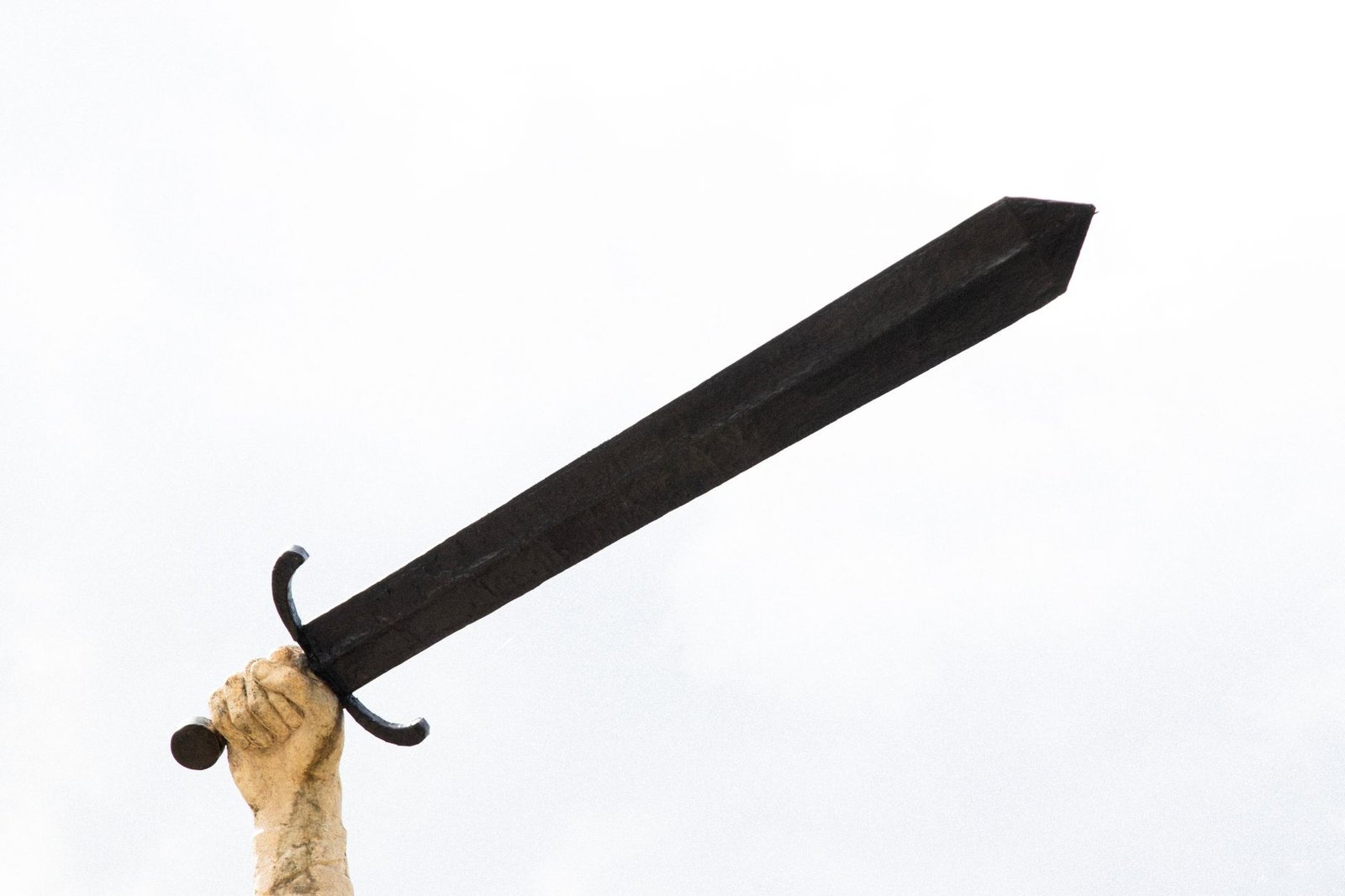
Sword of Nuada (Sword of Light): Irish Mythology Guide
The Sword of Nuada, or Sword of Light, is a renowned magical weapon in Irish mythology, belonging to Nuada Airgetlám of the Tuatha Dé Danann and later counted among their Four Treasures. More than a weapon of war, it embodies rightful sovereignty and sacred kingship, and its enduring symbolism opens a window onto the deeper structure of Celtic myth.
Spear of Lugh: Irish Mythology Weapon and Symbol
The Spear of Lugh is a celebrated weapon of Irish mythology, tied to Lugh Lámfada, a god-hero of the Tuatha Dé Danann, and famed as an unstoppable force in battle. This encyclopedia article explores its uncertain origins, its place among the Four Treasures, and the myths that made it a lasting symbol of sovereignty, skill, and heroic power.

Stone of Fal (Lia Fáil): History, Meaning, and Legend
The **Stone of Fal (Lia Fáil)** is a central figure in Irish myth, celebrated as the coronation stone of the Kings of Tara and a symbol of rightful sovereignty, said to cry out for the true king. Exploring its layered name, legendary role, and possible connection to the standing stone on the Hill of Tara reveals how mythology, archaeology, and political memory converge in one enduring monument.
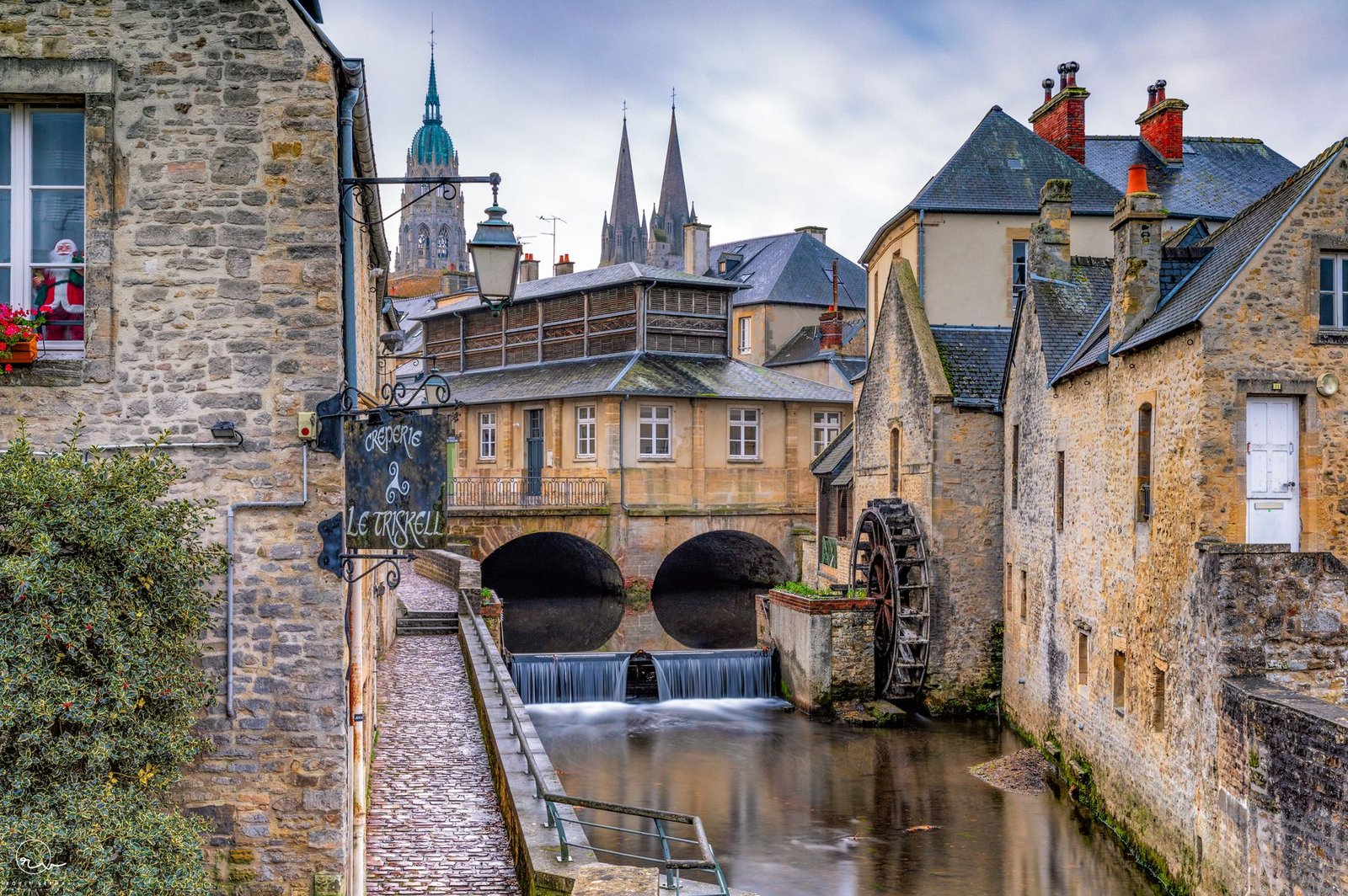
Triskele (Triskelion): Meaning, Symbolism, and History
The triskele, or triskelion, is an ancient three-armed symbol found from prehistoric Europe to the Mediterranean, Celtic, and Norse worlds, where it came to suggest motion, balance, cycles, and continuity. This article traces its origins, changing meanings, and enduring role in archaeology, heraldry, design, and modern symbolism, revealing why such a simple form has remained so adaptable.
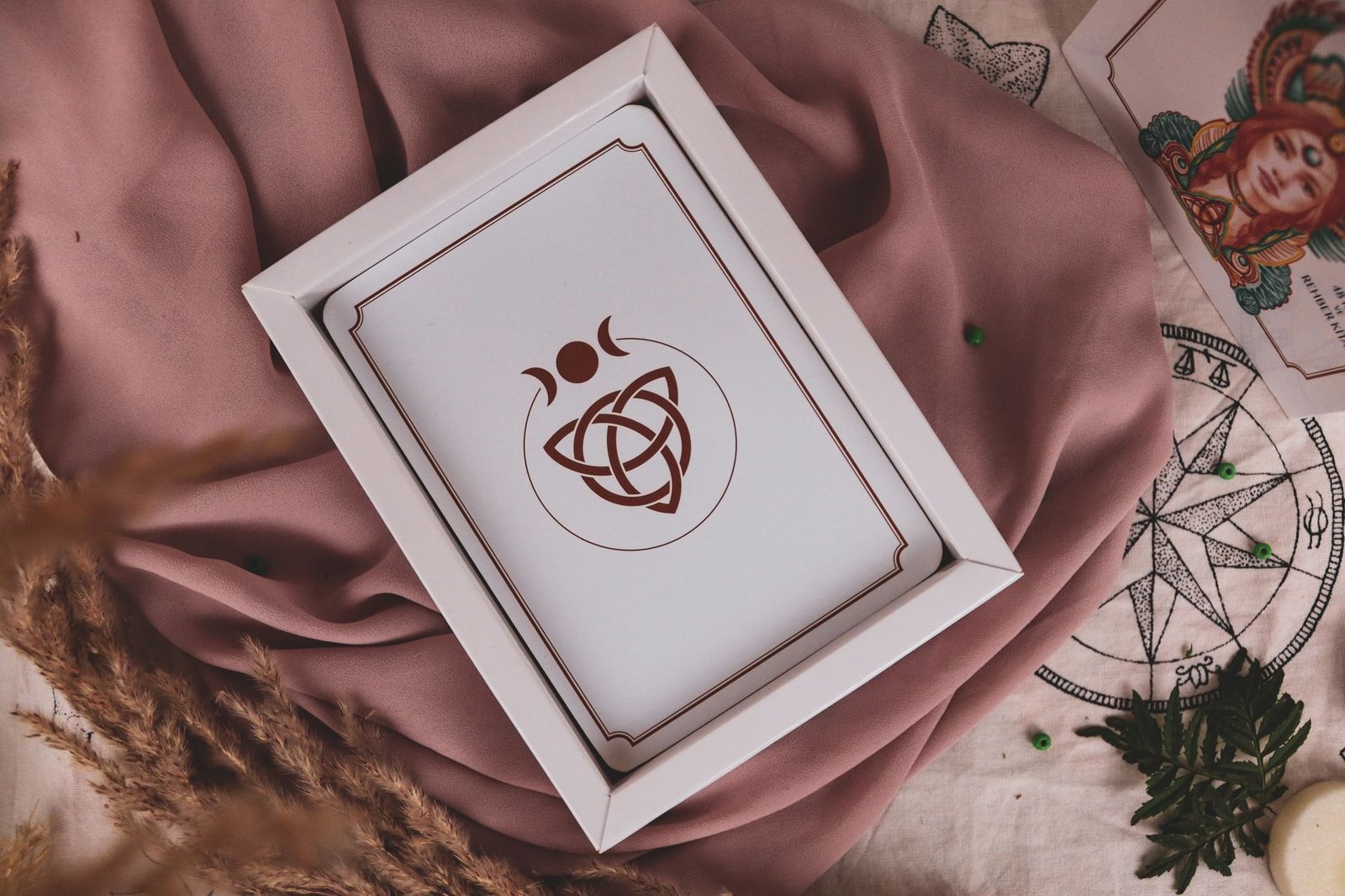
Triquetra Symbol: Meaning, History, and Uses
The triquetra is a distinctive three-lobed emblem that appears across Celtic, Christian, and wider European decorative traditions, where it has been linked to unity, eternity, and other layered meanings. Tracing its history reveals how this simple interlaced form shifted across cultures and eras, inviting a closer look at why the triquetra remains so enduringly compelling.
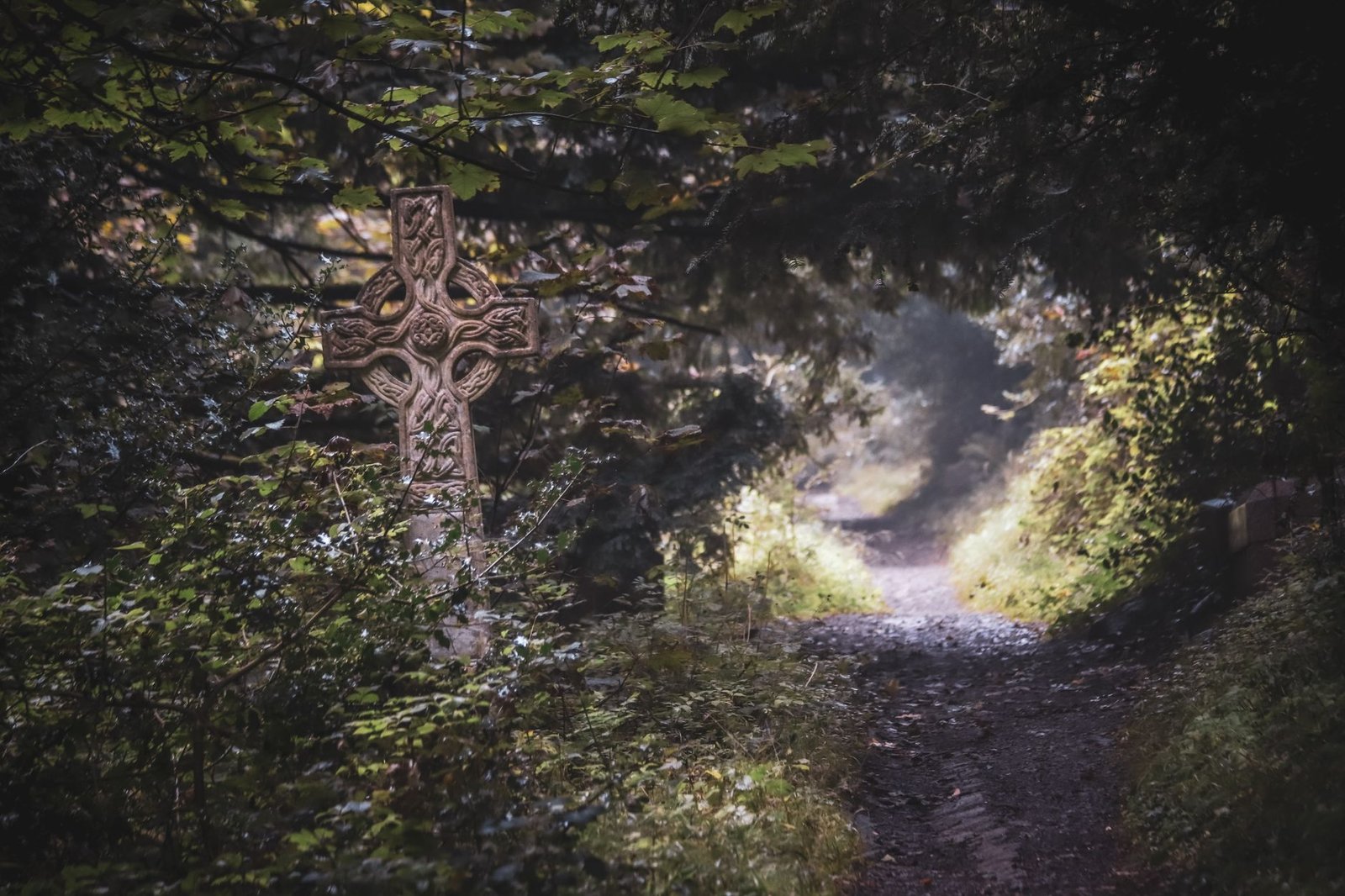
Celtic Cross: Meaning, History, and Symbolism
The Celtic Cross is a distinctive symbol of Celtic Christianity and Irish and Scottish heritage, known for its stone form and the ring encircling the arms. This article explores its medieval origins, debated meanings, and later revival as both a religious monument and a cultural emblem, revealing how a familiar shape came to carry layered historical significance.
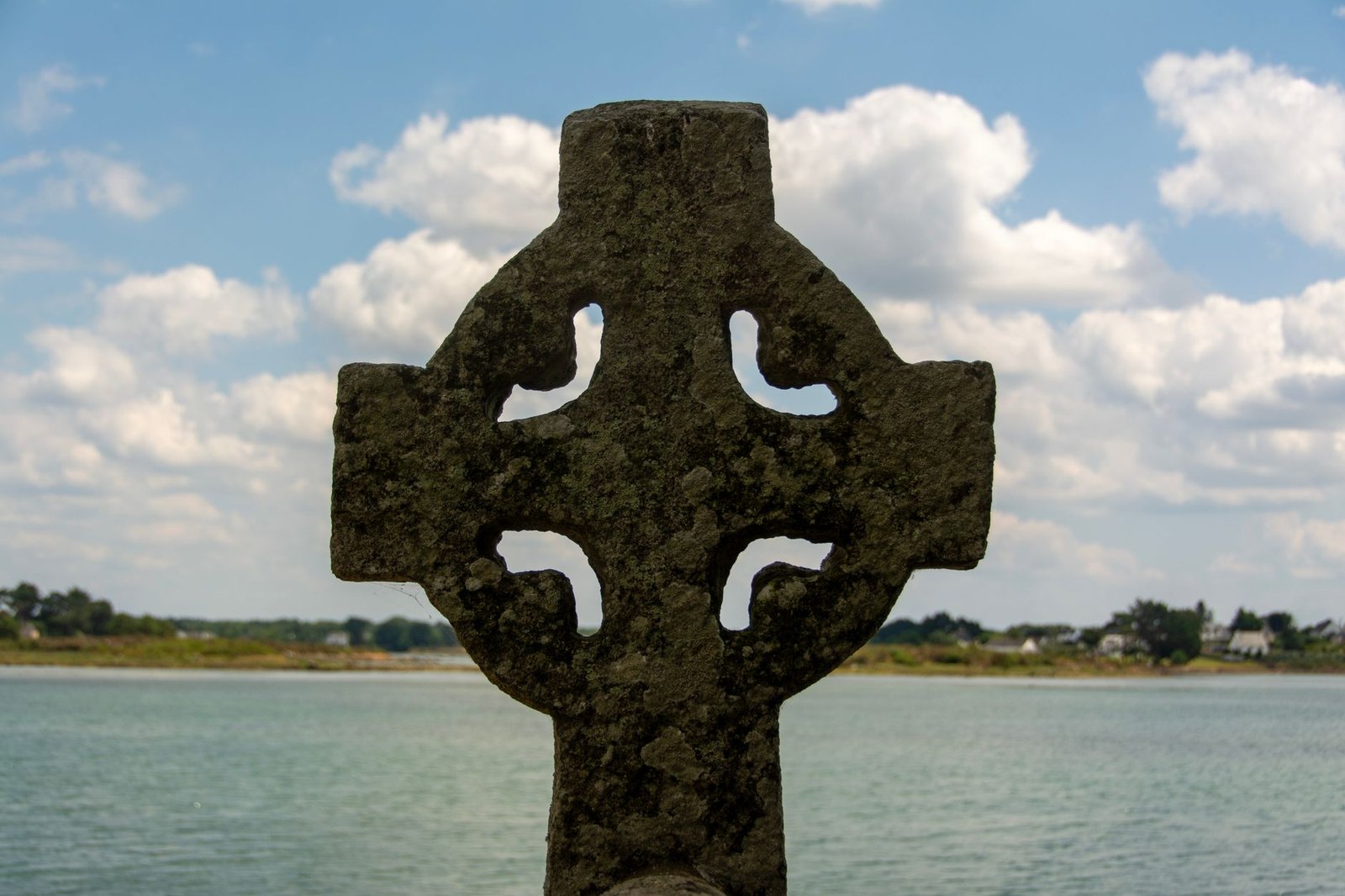
Celtic Knotwork: History, Meaning, and Designs
Celtic knotwork is the intricate interlaced ornament that became a hallmark of Insular art, appearing in illuminated manuscripts, stone carvings, and metalwork across medieval Ireland and Britain. Though the term is modern, its looping forms reveal a complex history of artistic borrowing, Christian symbolism, and later revival, inviting closer study of how this design became so enduring.

Awen Symbol: Meaning, Origins, and Celtic Significance
Awen is a Welsh concept of inspiration that shaped medieval bardic poetry and later influenced revived Celtic spirituality, where it is understood as a flowing gift of creative and spiritual insight. Exploring its meanings, historical uses, and modern reinterpretations reveals why this elusive term continues to bridge literature, prophecy, and sacred knowledge.