folklore and legends
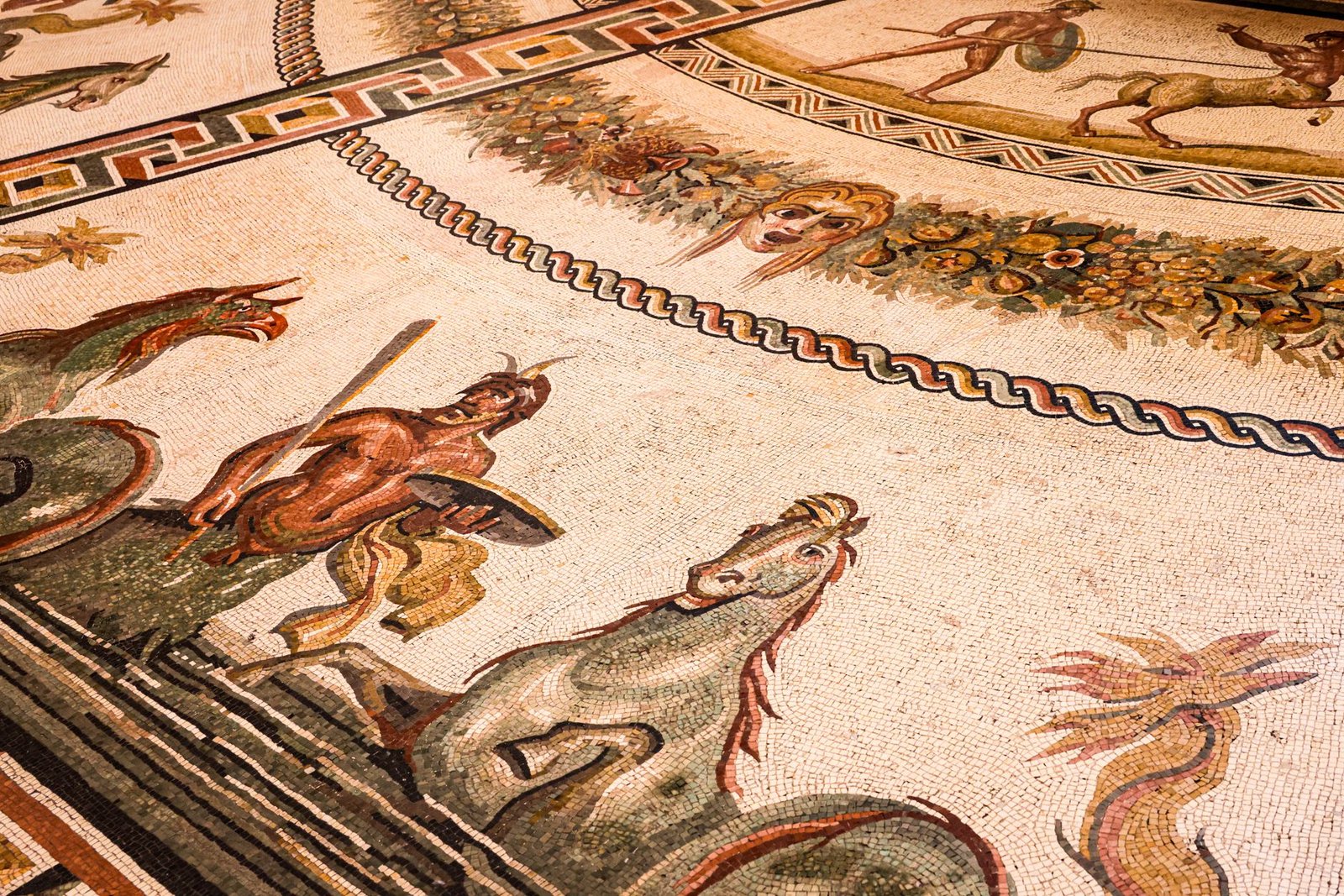
Fomorians: Mythology, Origins, and Cultural Significance
The Fomorians occupy a central place in Irish mythology as powerful, often hostile beings linked to chaos, sea, darkness, and famine. This excerpt explores their uncertain origins, shifting portrayals, and enduring conflict with the Tuatha Dé Danann, offering a glimpse into how medieval Irish tradition imagined the forces beyond civilization.
Banshee: Meaning, Origins, and Irish Folklore
The banshee is a central figure in Irish folklore, a female spirit whose lament is said to foretell death within a family. Tracing her origins in the Gaelic bean sídhe and the wider world of the sídhe, this article explores how tradition, belief, and later storytelling shaped her enduring presence.

Each Uisge: Scottish Water Horse Myth and Folklore
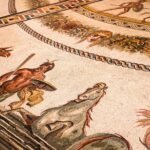
Each Uisge is a feared water spirit of Gaelic folklore, especially in the Scottish Highlands and islands, where it is described as a deadly “water horse” that lures riders to their doom. Exploring its origins, meanings, and regional variations reveals how this creature reflects the dangers of lochs and sea in Celtic tradition, and why it remains so haunting.

Merrow: Meaning, Origin, and Mythology Explained
A merrow is a sea spirit from Irish and broader Celtic folklore, often imagined as a mermaid-like being that reflects both the beauty and danger of the ocean. Rooted in coastal oral tradition, the merrow reveals older beliefs about water spirits, the Otherworld, and the fragile boundary between human life and the sea.
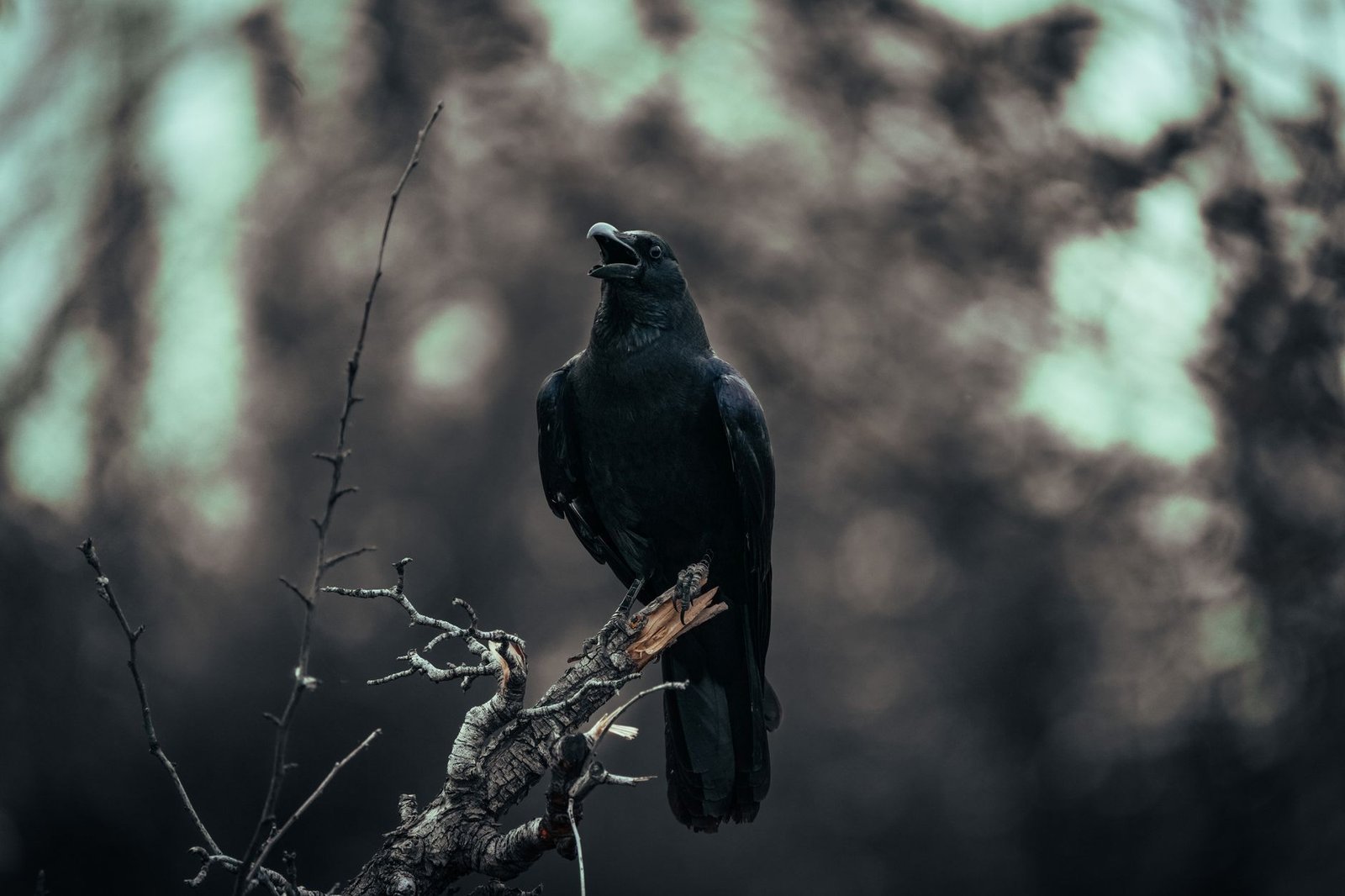
Sacred Raven: Meaning, Symbolism, and Cultural Significance
The sacred raven is a cross-cultural symbol whose meanings range from creation and prophecy to war, memory, and transformation, appearing in traditions from Northern Europe to the Pacific Northwest. Exploring its many forms reveals how one bird became a messenger, trickster, omen-bearer, and guide between worlds.
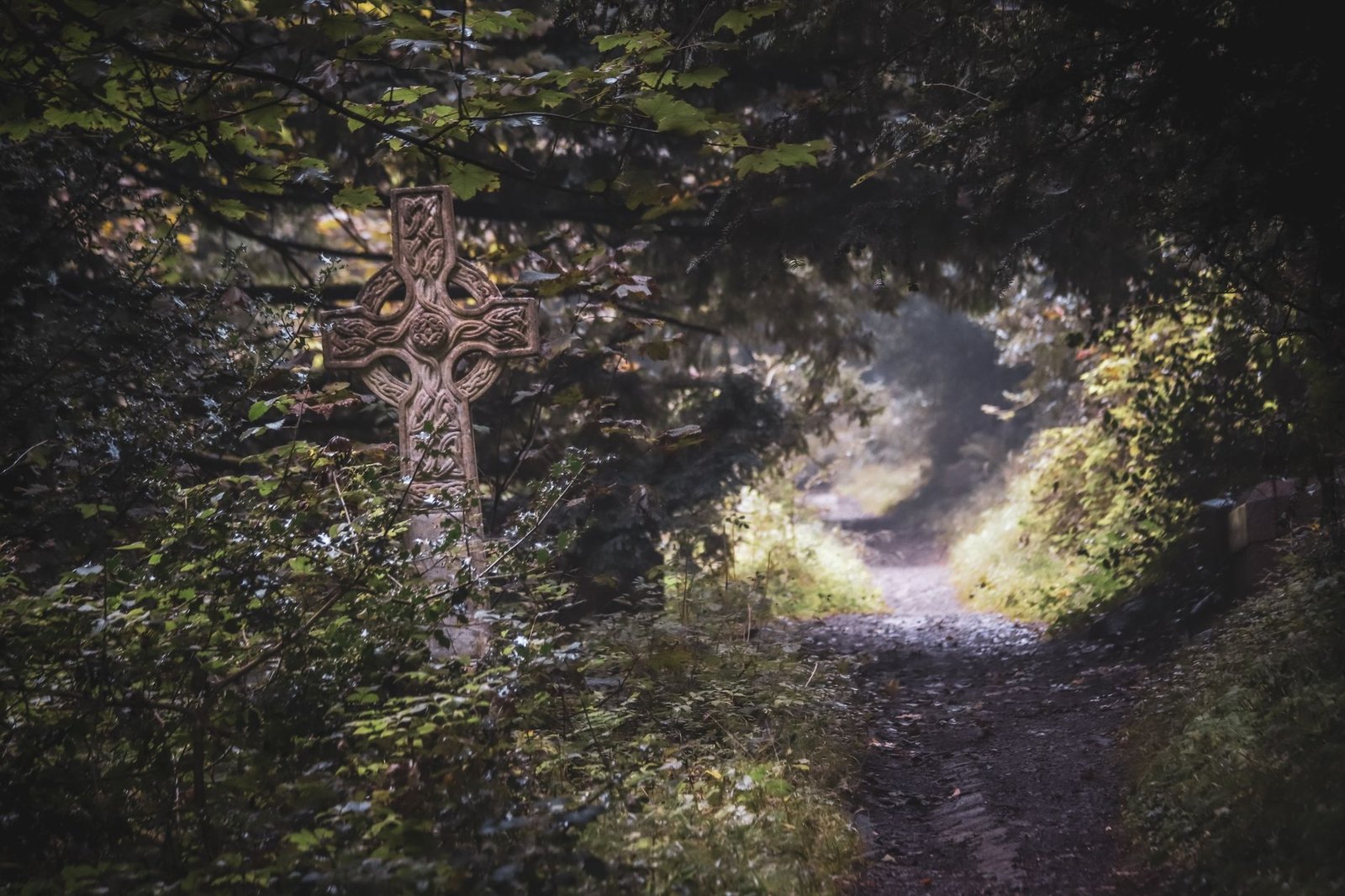
Is the Green Man a Celtic Symbol? Origins and Meaning
The question **“Is the Green Man a Celtic symbol”** invites a closer look at a figure associated with nature, renewal, and vegetation, yet not securely documented as an ancient Celtic deity. This excerpt examines his medieval and modern appearances, the origins of the name, and why the Green Man remains a compelling but complex motif in European folklore and sacred art.