Otherworld
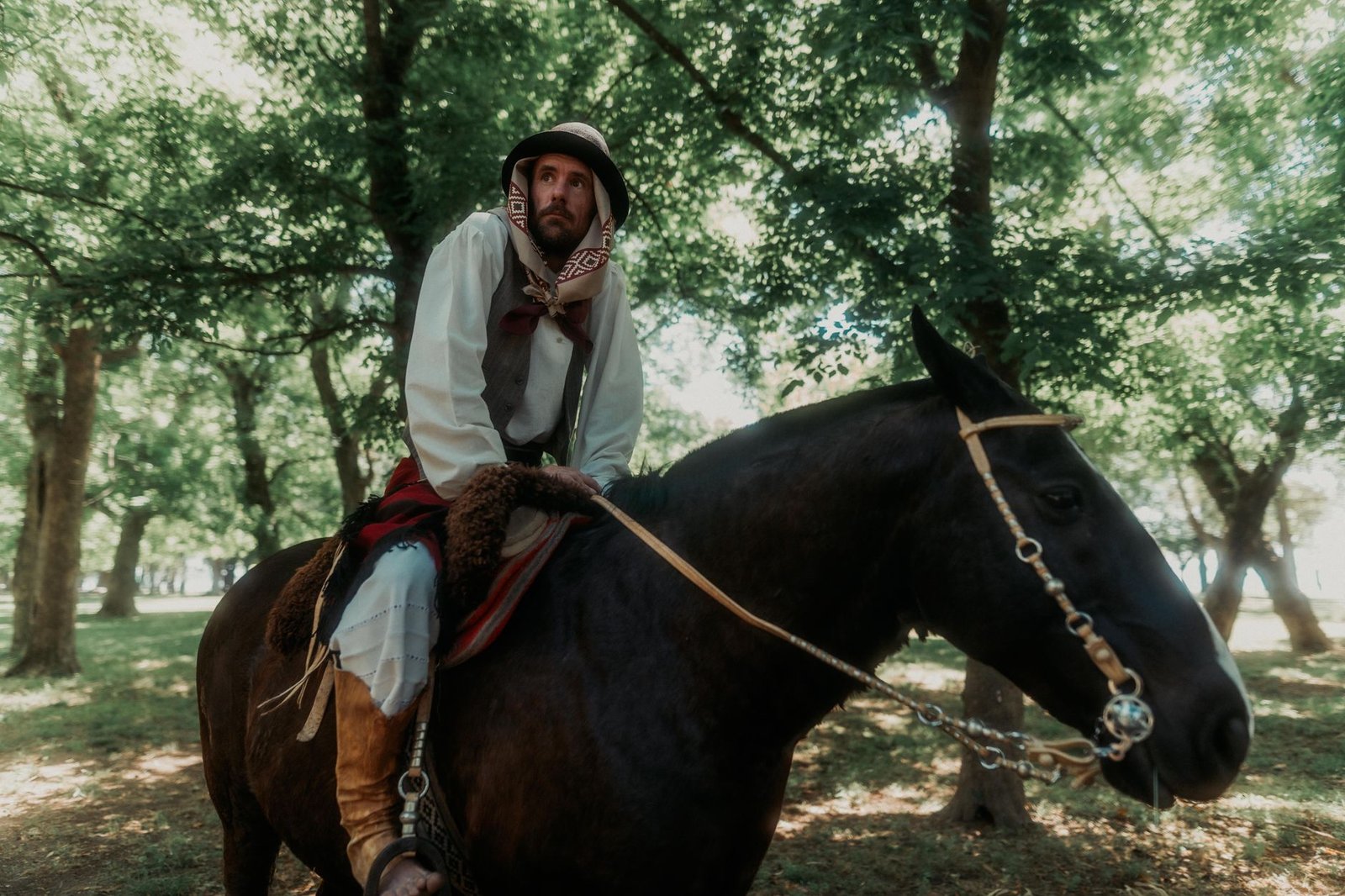
Water Bull (Tarbh Uisge): Scottish Folklore Creature
The Water Bull, or Tarbh Uisge, is a creature of Scottish Highland and Island folklore, linked to lochs, rivers, and the perilous boundary between the human world and the Otherworld. Shifting between beast, fairy-haunted omen, and local legend, it reflects enduring Gaelic beliefs about water, fertility, and the hidden forces that shape the landscape.
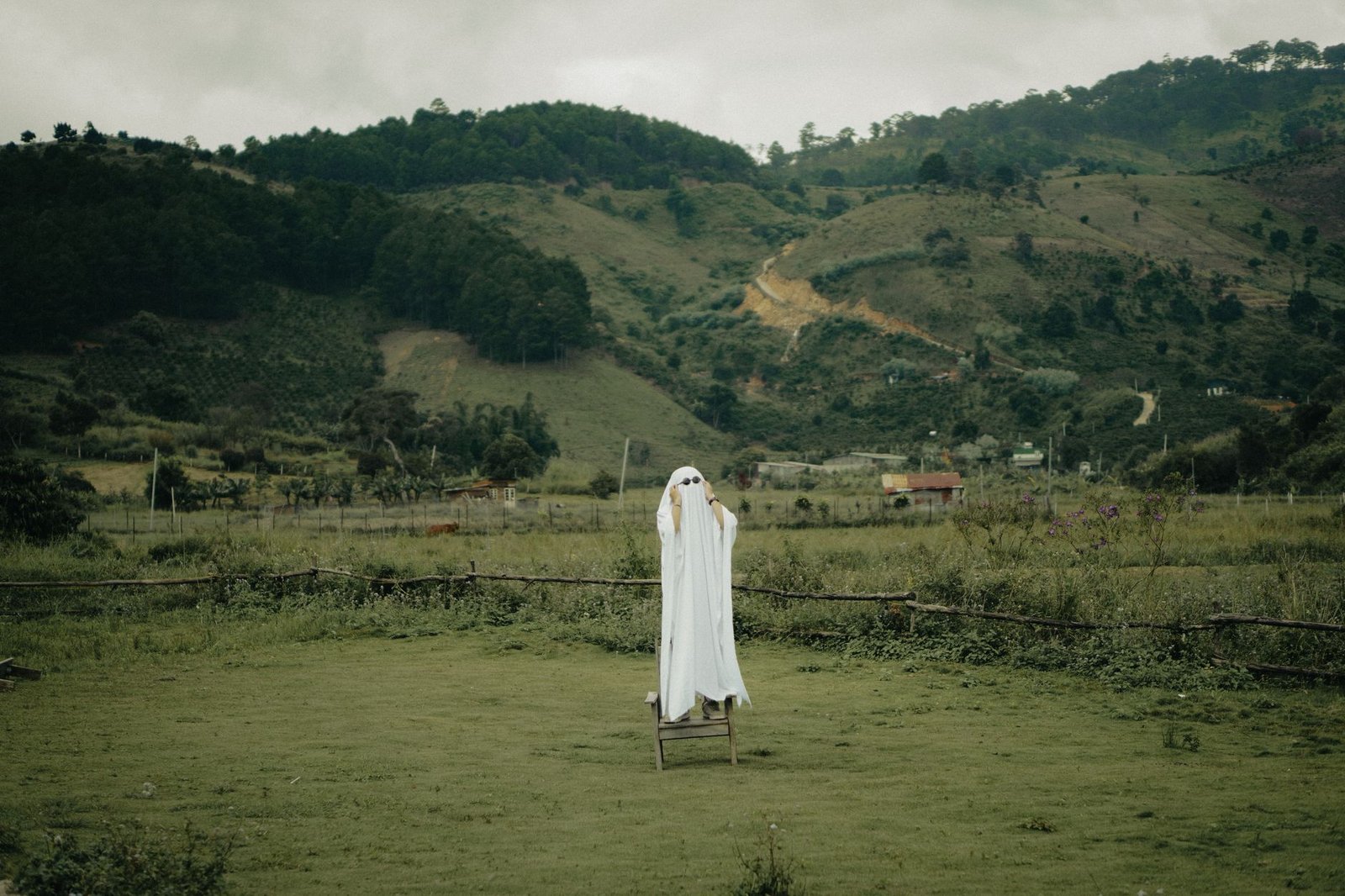
Banshee: Meaning, Origins, and Irish Folklore
The banshee is a central figure in Irish folklore, a female spirit whose lament is said to foretell death within a family. Tracing her origins in the Gaelic bean sídhe and the wider world of the sídhe, this article explores how tradition, belief, and later storytelling shaped her enduring presence.
Bean Nighe: Scottish Washerwoman Folklore and Meaning
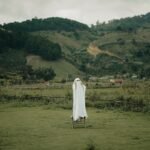
Bean Nighe is a haunting figure of Gaelic folklore, especially in the Scottish Highlands, where she is said to wash the blood-stained clothes of those soon to die. Blending omen, Otherworld presence, and local tradition, she reveals how fear, fate, and memory shape stories of death and the supernatural.
Cŵn Annwn: Welsh Mythological Hounds Explained
Cŵn Annwn, the spectral hounds of Welsh tradition, are most closely linked with Annwn, the otherworld of medieval mythology, where their white coats and red ears mark them as uncanny hunters. Tracing their appearances in literature and folklore reveals how these dogs became enduring symbols of death, sovereignty, and the boundary between the human and the supernatural.

Merrow: Meaning, Origin, and Mythology Explained
A merrow is a sea spirit from Irish and broader Celtic folklore, often imagined as a mermaid-like being that reflects both the beauty and danger of the ocean. Rooted in coastal oral tradition, the merrow reveals older beliefs about water spirits, the Otherworld, and the fragile boundary between human life and the sea.

Glaistig: Meaning, Folklore, and Mythology
The Glaistig is a striking figure from Scottish Gaelic folklore, often imagined as a woman, hag, or half-animal presence linked to households, cattle, and the boundary between human life and the Otherworld. Exploring her many forms reveals how Gaelic tradition blended protection, danger, and mystery into a single enduring supernatural character.
Aos Sí: Irish Fairy Folk Mythology Explained
The Aos Sí, often called the fairy folk, are central to Irish and wider Celtic tradition, where they are linked to ancient mounds, hollow hills, and other liminal places. Far from the modern image of tiny winged creatures, they appear in older lore as an otherworldly people whose origins, powers, and place in folklore invite closer study.

Cat Sìth: Celtic Folklore Cat Spirit and Legend
The Cat Sìth is a striking figure from Celtic folklore, especially in Scottish and Irish Gaelic tradition, where it is imagined as a large black cat with a white chest mark and an uncanny link to the Otherworld. Associated with death, funerary customs, and fairy belief, it reveals how everyday animals could become signs of the supernatural—and why its stories still invite close attention.

Cú Sídhe: Irish Fairy Dog in Celtic Folklore
Cú Sídhe is a feared figure in Irish and wider Gaelic folklore, a supernatural hound of the Aos Sí that appears as both guardian and omen. Described as an uncanny fairy dog tied to the otherworld, its stories reveal how sound, landscape, and death were woven into Celtic belief—and why the creature still captivates readers today.
Banshee vs Dullahan: Irish Mythology Differences
The **banshee vs dullahan** comparison reveals two distinct Irish folklore figures: one a mourning spirit whose cry warns of death, the other a headless rider who seems to bring death itself. Exploring their origins, forms, and cultural meanings shows how Irish tradition uses supernatural messengers to reflect memory, fate, and the fragile boundary between life and the Otherworld.