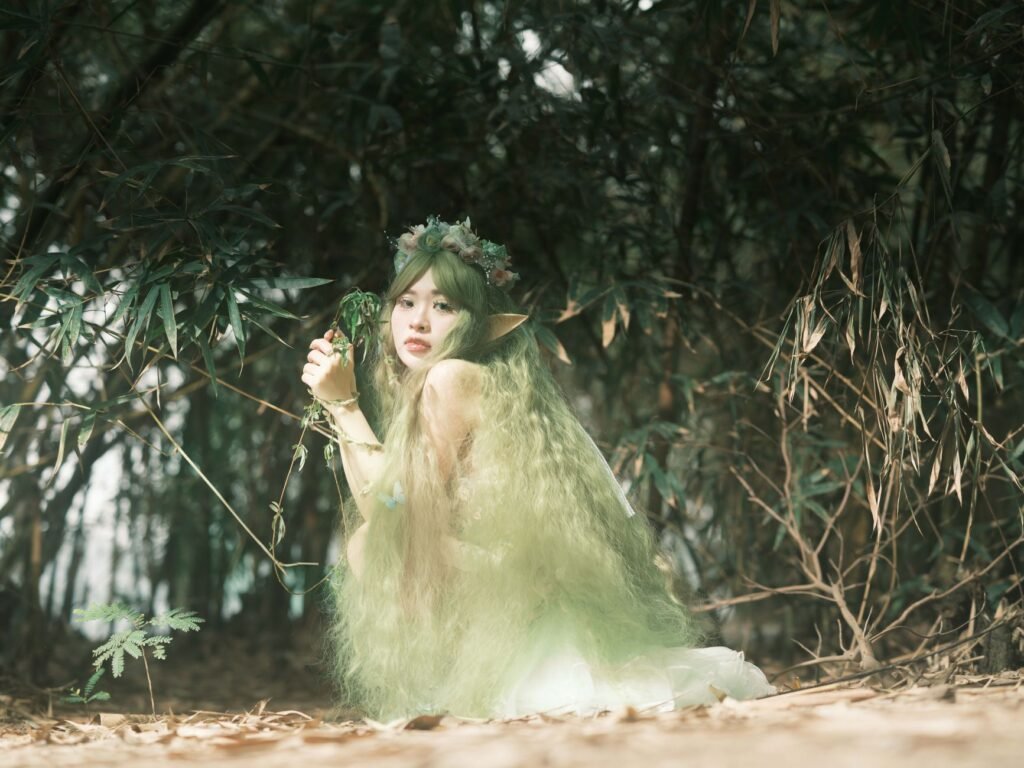
Púca
Introduction
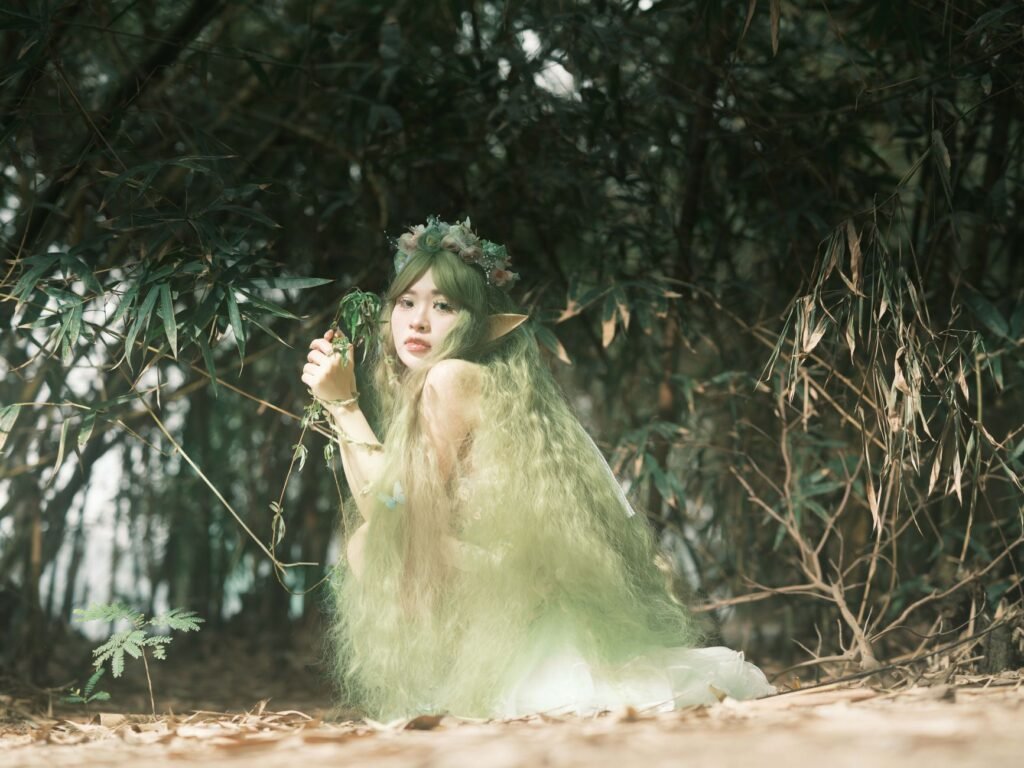
The Púca (also spelled pooka, phooka, or púcaí in plural forms) is a supernatural being from Irish and wider Celtic folklore. It is best known as a shapeshifting spirit associated with wild places, livestock, mischief, and unpredictable encounters. In many traditions, the Púca is neither fully benevolent nor fully malicious: it may offer guidance, bring luck, or deliver warnings, but it can also confuse travelers, spoil crops, or frighten those who encounter it at night.
The Púca occupies an important place in Irish mythological tradition because it reflects older ideas about the permeability between the human world and the spirit world. Like many beings in Gaelic folklore, it embodies uncertainty, change, and the dangers of the landscape after dark. The figure has also remained culturally significant in Ireland, where it continues to appear in literature, festival traditions, and modern popular culture.
Origin and Meaning
The origin of the word Púca is uncertain and has been discussed by scholars of Irish and Celtic languages. In Irish, púca refers to a spirit, goblin, or phantom-like being. The term appears in several spellings across Irish and English-language sources, including pooka, phooka, and sometimes pwca in related Welsh usage, though the exact relationships between these forms are not always clear.
Etymological proposals vary, and no single derivation is universally accepted. Some scholars have connected the term to older Celtic roots associated with specters or goblin-like beings, while others treat it as a native Irish folk term whose deeper origin is obscure. Because the figure is rooted in oral tradition rather than a single canonical text, the name likely reflects a long history of regional storytelling and linguistic variation.
The word’s meaning has broadened in English-language usage to denote a mischievous or uncanny spirit more generally, but in Irish folklore the Púca is more specific: a powerful, liminal creature associated with the margins of everyday life.
Historical Context
The Púca belongs to the world of Irish folk belief, which preserved older pre-Christian ideas alongside Christian reinterpretations. Many Irish supernatural beings live in a landscape filled with sacred wells, fairy mounds, remote hills, lakes, and ruins. The Púca is part of this broader supernatural ecology, sharing features with other otherworldly figures such as fairies, bogies, and household spirits.
Historically, stories about the Púca were told in rural communities where livestock, weather, travel, and harvests shaped daily life. In this context, the Púca often functioned as an explanation for unexpected events:
- a horse becoming exhausted after a night ride,
- produce being damaged,
- travelers losing their way,
- or strange sounds and movements in the countryside.
The Púca also reflects a worldview in which nature is animated by intelligence and will. It is not a tame household spirit, but a wild force that resists human control. This makes it similar to many European folklore figures that mark the boundary between civilization and the untamed environment.
In later centuries, antiquarians and folklorists recorded Púca stories from oral tradition. These collections helped preserve the figure, though they also fixed a fluid tradition into literary form. As with many folk beings, the Púca varies significantly by region and storyteller.
Main Characteristics
The Púca is most famous for its shapeshifting ability. Its appearance differs from one tradition to another, but it is often described as taking animal forms, especially those of horses, goats, dogs, hares, or large dark beasts. Sometimes it appears as a human-like figure, but more often it is distinctly animal and uncanny.
Common traits of the Púca
| Trait | Description |
|---|---|
| Shapeshifting | Can appear as different animals or, less commonly, as a human figure |
| Unpredictability | May be helpful, harmful, or merely mischievous |
| Liminality | Associated with thresholds, nighttime, wild places, and seasonal change |
| Speech | In some stories, it can speak human language |
| Horse-riding motif | Often associated with riding humans or being ridden |
| Trickster quality | Plays tricks, misleads, or tests people |
The most famous form of the Púca is the black horse or dark pony, often described with glowing eyes or unusual features. In some stories, a traveler is invited to ride the Púca, only to be taken on a terrifying journey before being safely returned. In others, the Púca becomes a horse and allows a human rider to mount, then behaves in a way that tests the rider’s courage and composure.
The Púca is not always a monster in the modern sense. It often acts according to its own logic rather than human morality. This ambiguity is central to its identity. It may punish arrogance, reward respect, or simply enjoy causing confusion.
Family and Genealogy
Unlike gods or epic heroes, the Púca usually does not have a fixed genealogy. It is not typically described as having named parents, spouses, or children in the way that figures from organized mythological cycles are.
In Irish folkloric tradition, the Púca is best understood as a species or type of supernatural being rather than a single individual with a stable family line. Different stories may present one Púca or many Púcaí, and some local traditions treat it as one of several classes of fairy-like beings.
Because of this, any claims about the Púca’s ancestry generally depend on local legend rather than a shared mythological canon. It is safer to say that the Púca belongs to a broad family of Irish otherworldly entities rather than to a known divine lineage.
Symbols
The Púca is associated with symbols of darkness, movement, transformation, and the untamed. Its symbolic vocabulary is tied less to ritual objects than to the landscape and behavior that define it.
Important symbols and meanings
- The horse: Represents speed, wild power, travel, and danger.
- Blackness or dark coloration: Often linked to night, uncertainty, and the unseen.
- Shifting shapes: Symbolize instability, deception, and transformation.
- Thresholds and boundaries: Doorways, crossroads, and liminal spaces reflect the Púca’s role between worlds.
- Autumn and harvest time: In some Irish traditions, the Púca is connected to seasonal transition.
The Púca’s symbolism is strongly connected to the idea that not all forces in the world are meant to be controlled. It embodies a kind of sacred wildness that can be both frightening and instructive.
Sacred Animals
The Púca is most strongly linked to horses, though other animals appear in some stories. The animal forms it takes often communicate its mood or purpose.
Animals associated with the Púca
| Animal | Symbolic significance |
|---|---|
| Horse | Speed, power, travel, endurance, unpredictability |
| Goat | Wildness, trickery, mountain and liminal associations |
| Dog | Loyalty inverted into strangeness or menace |
| Hare | Elusiveness, moonlit movement, slipperiness |
| Donkey or pony | Common rural setting; emphasizes the spirit’s interaction with everyday life |
The horse is especially important because many tales describe the Púca as riding humans or carrying them across the landscape. A person who mounts a Púca horse may experience a frightening but revealing ride, after which they are often dropped off unexpectedly.
The presence of domestic animals in the Púca tradition is significant. It suggests that the spirit is close to everyday rural life, not confined to distant mythic spaces.
Sacred Plants
Unlike deities or more formal religious beings, the Púca has no universally fixed sacred plant in surviving tradition. However, in Irish folk belief, certain plants are often associated with protection against spirits or with the supernatural more broadly. These associations may appear in stories involving the Púca, though they are not exclusive to it.
Plants commonly connected to Irish protective folklore include:
- Hawthorn
- Rowan
- Ash
- Yew
- Blackthorn
These plants were often regarded as important in relation to fairies and other beings of the Otherworld. Their relevance to the Púca lies in their role as boundary plants: they mark hedges, roadsides, and old places where human and supernatural realms meet.
Because traditions vary, it is best not to claim a single sacred plant for the Púca. Instead, the spirit belongs to a symbolic world in which trees and hedges can act as protective or dangerous thresholds.
Sacred Places
The Púca is not tied to a single temple, shrine, or city. Instead, it is associated with rural and liminal places. These are locations where one might expect unusual encounters, especially at night or during seasonal transitions.
Places commonly linked with the Púca
- Hills and ridges
- Crossroads
- Boglands and marshes
- Ruins and abandoned buildings
- Fields after harvest
- Caves and rocky places
- Lakeshores and riverbanks
In Irish folklore, places outside regular human habitation often carry supernatural significance. The Púca is particularly at home in such settings because it represents the untamed edge of the inhabited world.
A notable modern cultural connection is the Púca Festival in Ireland, which draws on the spirit’s association with seasonal change, especially around Samhain, the traditional end-of-harvest period and beginning of winter. This contemporary festival is not an ancient cult site, but it demonstrates the continuing cultural relevance of the figure.
Powers and Attributes
The Púca’s powers are not those of a universal creator or sovereign deity. Instead, its influence lies in more local, practical, and uncanny domains.
Main powers and attributes
- Shapeshifting into animal or human forms
- Speech and prophecy in some stories
- Disruption of travel, especially at night
- Influence over livestock, especially horses
- Confusion and misdirection
- Mischief and testing behavior
- Occasional protection or warning
The Púca is often described as a trickster spirit. This does not mean it is purely comedic or harmless. Trickster beings in folklore often reveal truths by unsettling human expectations. The Púca may bring a person to fear, but also to humility.
Some traditions say the Púca can be addressed respectfully or appeased through courtesy. Others present it as inherently wild and impossible to control. The common thread is that the Púca responds to arrogance, disrespect, or carelessness.
Main Myths
The Púca appears in many folk narratives rather than in one authoritative myth cycle. As a result, its stories differ by region and period. Still, several motifs recur frequently.
The midnight horse ride
One of the best-known Púca motifs involves a traveler encountering a horse, pony, or other animal in the dark. The person mounts it, only to realize that the creature is the Púca. The spirit then rushes the rider through fields, streams, or rough terrain before dropping them at home or in a nearby place. These tales often stress the danger of accepting strange rides or wandering alone at night.
Spoiling or testing harvests
In some stories, the Púca interferes with crops or harvest time. It may damage produce, especially if people are careless or disrespectful. In other accounts, the Púca’s arrival marks the end of harvest and the opening of a dangerous seasonal threshold. This is one reason it is sometimes linked with autumn and Samhain.
The helpful Púca
Not all tales present the spirit as hostile. Some stories describe the Púca guiding lost travelers, warning people of danger, or delivering practical advice. This ambivalence is typical of folklore beings that are not wholly moralized into good and evil categories.
The speaking beast
In some local traditions, the Púca can speak human language. This ability reinforces its intelligence and its role as a being that crosses boundaries between species and states of being.
Relationship with Other Mythological Figures
The Púca is related to many Irish and broader Celtic supernatural beings, though the exact relationships are not always fixed.
Connections and comparisons
- Fairies (Aos Sí): The Púca is often discussed alongside fairy beings, though it is usually more overtly wild and disruptive.
- Banshee: Unlike the banshee, who is associated with death warnings and lament, the Púca is more strongly tied to mischief and shapeshifting.
- Leprechaun: Both are well-known Irish folkloric beings, but the leprechaun is more often linked to hidden wealth and craftsmanship, while the Púca is linked to wildness and instability.
- Kelpie and water-horse traditions: The Púca’s horse form resembles horse spirits found in other Celtic and northern European traditions, though these figures are not identical.
- Trickster beings: The Púca belongs to a global folklore pattern of ambiguous trickster entities.
The Púca may also interact with human households, livestock owners, and travelers, which places it in tension with ordinary rural life. It is not usually part of a divine family or courtly mythic hierarchy.
Worship and Cult
There is no evidence of a formal cult or temple-based worship of the Púca in the way that ancient gods were worshiped in organized polytheistic religions. Instead, the Púca belongs to the world of folk practice, cautionary belief, and seasonal custom.
Forms of engagement
- Respectful behavior in haunted or liminal places
- Protective folk customs intended to avoid troublesome spirits
- Storytelling and oral tradition
- Seasonal observances tied to harvest and winter onset
The relationship between people and the Púca is best described as one of management and negotiation, not devotion. Folklore about such beings often encouraged practical caution: travelers should avoid lonely roads at night, and households should respect the boundaries between human and supernatural space.
In modern Ireland, the Púca has also become part of cultural celebration rather than belief in a literal spirit. Festivals and literary uses keep the figure alive as a symbol of seasonal change and local heritage.
Ancient Sources
The Púca is not prominently attested in the major surviving texts of Greco-Roman antiquity, since it belongs to Irish tradition rather than the classical Mediterranean world. The main sources for the Púca come from Irish folklore collections, medieval and early modern references, and later antiquarian records.
Important source types
- Irish oral tradition
- Folklore collections from the 19th and 20th centuries
- Medieval Irish literature and glosses, where related supernatural beings may be referenced
- Local ethnographic accounts recorded by collectors of folk belief
Because the Púca is primarily a folklore figure, its “sources” are often fragmentary and regionally specific. Different versions of the same story may coexist, and no single text definitively defines the spirit.
Where classical authors are mentioned in comparative discussions of folklore, they are usually used only as analogies for shapeshifting or trickster beings, not as direct sources for the Púca itself.
Roman Equivalent
There is no direct Roman equivalent to the Púca. However, in broad comparative terms, it has sometimes been likened to Roman or classical spirits with overlapping functions, such as:
- Lemures or larvae, in the sense of restless or uncanny spirits,
- Silvanus or rustic woodland powers, very loosely and only by analogy,
- or various trickster and ghost figures in Roman folklore.
These comparisons should be treated cautiously. The Púca is specifically Irish in character, tied to Gaelic folk tradition and the rural imagination of Ireland. Any Roman parallel is interpretive rather than historical.
Influence on Modern Culture
The Púca has had a notable afterlife in modern culture, especially as interest in Irish folklore has grown internationally.
Areas of influence
- Literature: The Púca appears in modern fantasy and retellings of Celtic myth.
- Children’s books and folklore collections: It is often introduced as a classic Irish hobgoblin or shapeshifter.
- Film and television: The Púca may appear directly or inspire shapeshifting, horse-spirit, or trickster characters.
- Games: Role-playing games and fantasy games frequently use Púca-like beings as fae, shapeshifters, or magical beasts.
- Festivals and cultural branding: The name has been used in Irish cultural events and tourism-related contexts.
- Music and visual art: Celtic-inspired works often evoke the Púca’s eerie, liminal atmosphere.
The modern popularity of the Púca has also been influenced by broader interest in the supernatural and the “otherworldly” aspects of Celtic heritage. In fantasy media, the figure is often simplified into a horse spirit or shape-changing fairy, though traditional stories are more varied and ambiguous.
Curiosities
- The Púca is one of the better-known Irish supernatural beings internationally, even though many of its stories are highly local.
- In some traditions, the spirit is not evil at all, but simply dangerous because it is beyond human control.
- The Púca’s horse form has made it especially influential in modern fantasy art and writing.
- Seasonal associations with the Púca have helped connect it to autumn festivals and Halloween imagery.
- The figure illustrates how folklore can preserve a society’s relationship with the countryside, travel, and night fears.
- Unlike gods with formal cults, the Púca survives mainly through oral storytelling and later folkloric collection.
- Modern spellings vary widely, and English-language forms often obscure the original Irish pronunciation.
Frequently Asked Questions
What is a Púca?
A Púca is an Irish supernatural being from folklore, usually described as a shapeshifting spirit associated with mischief, wild places, and unpredictable encounters.
Is the Púca evil?
Not necessarily. The Púca is usually portrayed as ambiguous rather than purely evil. It can be harmful, helpful, or merely mischievous depending on the story.
What animal does the Púca usually become?
The most common form is a horse or pony, though it may also appear as a goat, dog, hare, or other animal.
Is the Púca part of Irish mythology or folklore?
Primarily folklore. While it belongs to the wider Irish mythological tradition, the Púca is mostly preserved in oral stories and later folk collections rather than in a single ancient mythological cycle.
Does the Púca have a family?
No stable genealogy is generally known. It is usually treated as a type of spirit rather than as a being with a fixed family tree.
Is there a festival connected to the Púca?
Yes. The name has been used for modern cultural festivals in Ireland, especially those associated with Samhain and the seasonal transition into winter.
What does the name Púca mean?
The name refers to a spirit, phantom, or goblin-like being in Irish. Its deeper etymology is uncertain and not fully agreed upon by scholars.
Is the Púca related to fairies?
Yes, in a broad folkloric sense. It is often discussed alongside fairy beings, although it is usually more wild, shifting, and unsettling than domestic fairy figures.
Conclusion
The Púca is a central figure in Irish folklore and one of the most recognizable Celtic supernatural beings. Its importance lies not only in its eerie and entertaining stories, but also in what it reveals about older ways of understanding landscape, danger, seasonal change, and the limits of human control.
As a shapeshifting spirit of uncertainty, the Púca stands at the boundary between the familiar and the strange. It can be a prankster, a warning, a guide, or a menace. That ambiguity has helped it endure for centuries in oral tradition and continue to inspire modern literature, festivals, and popular culture. In this sense, the Púca remains a vivid symbol of the wild and unpredictable side of Irish mythic imagination.

Orin Vale has spent the better part of two decades tracing the threads that connect the world’s oldest stories — from the halls of Asgard to the banks of the Nile, from Olympus to the jungles of the Maya. What began as a childhood fascination with flood myths and trickster gods grew into years of independent study across comparative mythology and ancient religion, always chasing the same question: what did these stories mean to the people who first told them? Orin writes for readers who want more than trivia — the ones looking for the beliefs, fears, and truths that myths were built to carry.